Source Customized UV Printed Neon Sign for Bars, Shops, and Homes
Find and compare 30 Customized UV Printed Neon Sign options for commercial, outdoor, and home applications. Evaluate models with IP44 or IP65 ratings, 12V input, and various control methods to select the right LED neon logo sign for your specific decoration or advertising needs.
Key considerations
Products List




Comprehensive Sourcing Guide
Customized UV Printed Neon Sign Sourcing Guide
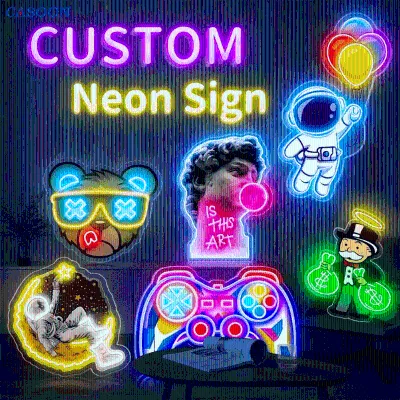
The market for customized UV printed neon signs offers a versatile solution for commercial, outdoor, and home applications where visual impact is paramount. These products are characterized by their ability to produce changeable colors and customized shapes, allowing businesses to create unique branding elements or decorative features that stand out in competitive environments. The core technology relies on LED neon sources encased in materials like PVC, acrylic, or silicone, which provide the flexibility and durability required for both indoor advertising and exterior signage.
Buyers must recognize that while the visual output is highly customizable, the underlying specifications vary significantly between listings. The observed product range includes models with different IP ratings, such as IP44 and IP65, which directly dictates suitability for wet or dry environments. Understanding these distinctions is critical before engaging with suppliers, as the same product category can range from simple decorative items to robust industrial-grade advertising signs depending on the specific model and material composition selected.
Product Scope and Observed Listing Signals
When evaluating listings, buyers should focus on the specific application context provided in the product attributes, which explicitly include commercial, outdoor, and home usage scenarios. The product scope is defined by the ability to customize the logo, shape, and color, with many listings offering single-item selling units that cater to bespoke design needs rather than mass-produced standard shapes. This flexibility is a primary driver for procurement, as it allows for the creation of unique neon logos that align precisely with a brand's identity or a specific interior design theme.
Observations of the market reveal a wide variance in packaging and physical dimensions, ranging from honeycomb box packaging to vacuum bubble protection and plywood boxes. Some listings specify standard dimensions like 120cm by 60cm, while others emphasize fully customized sizes, indicating that the physical footprint of the sign is a negotiable variable rather than a fixed constraint. Buyers must verify the specific packing method for their chosen model, as the protection level required for shipping delicate neon components varies based on the material used, such as acrylic or silicone, and the intended destination.
Technical Specifications to Verify
Technical due diligence requires a rigorous check of the electrical and environmental ratings, as the observed data includes input voltages of 12V and working temperatures around 35°C, which are critical for system integration. The IP rating is a decisive factor, with listings showing both IP44 and IP65 standards; buyers must match the IP rating to the installation environment to ensure the sign is adequately protected against dust and water ingress. Additionally, the working lifetime of 50,000 hours is a key performance metric that should be confirmed in the technical datasheet to ensure long-term reliability and cost-effectiveness over the product's lifecycle.
The control mechanisms and light source types also require specific verification to ensure they meet operational needs. Listings indicate the availability of manual and remote control options, alongside UV neon and standard LED neon light sources, which affect how the sign is operated and maintained. Buyers should confirm the specific model number, such as B-1636 or GS0201, to cross-reference the exact power consumption, which can be as low as 3W for certain units, and ensure the control system is compatible with existing building infrastructure or automation systems.
Compliance and Safety Documentation
Safety and compliance documentation must be scrutinized to ensure the product meets the regulatory requirements of the destination market. While some listings explicitly mention CE certification and factory certificates, buyers cannot assume all products in this category possess these credentials without direct verification from the supplier. The presence of a factory certificate is a positive indicator of manufacturing standards, but it should be treated as a claim that requires validation through third-party testing reports or direct requests for documentation before finalizing a purchase order.
Warranty terms vary across the observed listings, with some products offering a one-year warranty and others providing two years, which reflects differences in manufacturer confidence and product quality. Buyers should treat the warranty period as a negotiation point and a key indicator of the supplier's commitment to product longevity. It is essential to clarify the scope of the warranty, including whether it covers the LED neon components, the power supply, and the casing materials, to avoid disputes regarding repair or replacement costs in the event of early failure.
Cost Drivers and Commercial Terms
The cost structure for customized neon signs is heavily influenced by the level of customization, material selection, and the complexity of the design. Listings often advertise wholesale factory prices, suggesting that volume and direct sourcing can reduce unit costs, but the final price is likely to fluctuate based on the specific model number, the chosen material (PVC, acrylic, or silicone), and the required IP rating. Buyers should expect that higher customization levels, such as unique shapes or specific color changes, will incur additional costs compared to standard configurations.
Commercial terms regarding shipping and minimum order quantities (MOQ) are equally critical for budget planning. The observed MOQ range spans from 1 to 50 units, offering flexibility for small businesses or large-scale projects, while shipping terms are typically available via sea or express delivery. The origin of the products, primarily from China or specific regions like Chengdu, impacts lead times and logistics costs, so buyers must factor in these variables when calculating the total landed cost. Understanding the relationship between the selling units and the packaging method is also necessary to optimize shipping efficiency and reduce damage risks during transit.
Supplier Qualification and Quality Control
Supplier qualification should begin with a verification of their production capabilities and the specific models they offer, such as the B-series or GS-series models observed in the market. Buyers must confirm that the supplier can consistently deliver the required customization, including the ability to produce specific shapes like rectangles or custom logos, and that they have the capacity to handle the specific material requirements like acrylic or silicone. The presence of a brand name, such as Casoon, on some listings indicates established manufacturers, but buyers should still conduct their own due diligence to ensure the brand's reputation aligns with their quality expectations.
Quality control processes must be explicitly defined in the procurement agreement, particularly regarding the testing of waterproofing and electrical safety. Since the products are marketed as waterproof and designed for outdoor use, buyers should request evidence of successful water resistance testing and electrical safety compliance before production begins. The use of protective packaging, such as vacuum bubble wrapping or honeycomb boxes, is a standard practice, but the supplier should demonstrate a robust quality control protocol that includes pre-shipment inspections to ensure the final product matches the agreed-upon specifications and standards.
Long-Term Procurement Checks
Long-term procurement success depends on establishing a clear framework for after-sales support and maintenance, given the technical nature of LED neon signage. Buyers should verify the availability of replacement parts, such as power supplies or LED modules, and ensure the supplier provides clear instructions for troubleshooting common issues like color changes or control failures. The warranty period, whether one or two years, should be accompanied by a defined process for claims, including response times and the logistics of returning defective units for repair or replacement.
Continuous monitoring of supplier performance is essential to maintain product quality and reliability over time. Buyers should track key performance indicators such as delivery lead times, the consistency of the IP rating across batches, and the accuracy of the customization provided. Regular audits or sample checks can help identify any drift in quality standards, ensuring that the supplier continues to meet the initial specifications for materials, electrical safety, and durability. This proactive approach helps mitigate risks associated with long-term usage and ensures the signage remains a reliable asset for the business.
FAQs
What materials are used for customized uv printed neon signs?
These signs typically utilize PVC, Acrylic, or Silicone as primary materials. The flexible LED neon tubes are often encased in durable PVC or Acrylic backing. Silicone offers additional flexibility for complex shapes. Buyers can choose the material based on desired durability and aesthetic finish for their specific application.
Can customized uv printed neon signs be used outdoors?
Yes, many models are designed for outdoor use with IP44 or IP65 waterproof ratings. The signs are built to withstand environmental exposure while maintaining performance. Ensure the specific product listing confirms the IP rating matches your outdoor installation requirements for long-term reliability and safety.
What is the working lifetime of these LED neon signs?
The working lifetime is generally rated at 50,000 hours. This duration ensures long-term performance for commercial or home decoration. The LED light source provides energy efficiency and stability. This lifespan supports sustained usage without frequent replacement, making it a cost-effective lighting solution.
How are customized uv printed neon signs packaged for shipping?
Packaging options include Honeycomb Box, Vacuum Bubble, or Plywood Box. Protective films and paper or wooden cartons are often used to prevent damage. The packaging is designed to secure the sign during transit. Buyers should specify their preferred packaging method to ensure safe delivery of the customized product.
What control options are available for these neon signs?
Control options typically include Manual Control or Remote Control. Some models may support additional customization for control systems. The input voltage is often 12V for safe operation. Buyers can select the control method that best fits their installation environment and user convenience requirements.
Are certifications like CE available for these products?
Yes, CE certification is available for many of these LED neon signs. This indicates compliance with relevant safety and quality standards. Buyers should verify the specific certification status for their ordered model. Certified products provide assurance of electrical safety and manufacturing quality for international markets.