Source Foldable Vertical Acrylic Display Box for Retail, Home, and Exhibition
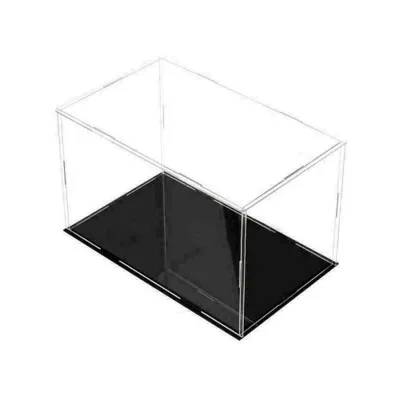
Compare 30 Foldable Vertical Acrylic Display Box options from verified Chinese suppliers. Buyers can evaluate customization, packaging, and pricing for cosmetic, supermarket, and home storage uses. These units support small batch production and feature adjustable heights; compare the available evidence and request quotations based on your requirements.
Key considerations
Products List




Comprehensive Sourcing Guide
Foldable Vertical Acrylic Display Box Sourcing Guide
Procuring foldable vertical acrylic display boxes requires a careful balance between aesthetic clarity and structural integrity, particularly when the unit must support vertical stacking or heavy cosmetic items. Buyers must recognize that "foldable" in this context often refers to modular assembly or flat-pack shipping efficiency rather than a flexible hinge mechanism, as rigid acrylic lacks the elasticity of plastic films. The primary value proposition lies in the material’s high transparency and premium finish, which enhances product visibility in retail environments. However, the sourcing process is complicated by the fact that many suppliers list "acrylic" while delivering polycarbonate or PETG alternatives, necessitating strict material verification protocols before finalizing orders.
The vertical orientation of these displays demands specific engineering considerations to prevent tipping or warping under load. Sourcing teams should prioritize suppliers who offer customizable dimensions and thicknesses, as standard sizes rarely fit unique shelf configurations or specific product footprints. The observed market data indicates a wide range of customization options, from logo engraving to bespoke sizing, which allows for brand alignment but increases complexity in quality control. Buyers must clearly define their load-bearing requirements and display height preferences early in the negotiation phase to ensure the selected supplier can deliver a unit that maintains its vertical stability without additional bracing or external supports.
Product Scope and Observed Listing Signals
The current market landscape for acrylic display units reveals a diverse array of product types, including storage boxes, gift packaging, and specialized cosmetic stands. Observed listings frequently categorize these items under broad headings such as "Box" or "Storage Boxes & Bins," which can obscure their specific retail application. Buyers should scrutinize product keywords like "Acrylic Box" and "Cosmetic Display" to identify units designed for high-visibility merchandising rather than simple storage. The presence of terms like "Exhibition Show" and "Speciality Stores" suggests that many suppliers cater to temporary or semi-permanent retail setups, where ease of assembly and visual impact are paramount.
Listing signals also highlight significant variations in packaging and shipping methods, which directly impact logistics costs and product condition upon arrival. Some suppliers offer "3D Packing" for finished units, while others provide "Flat Packing" or "Cardboard Box" options, indicating a preference for space-efficient shipping. The observation of "Unfolded" status in some attributes suggests that certain products are shipped pre-assembled, whereas others require on-site construction. Buyers must verify whether the "foldable" claim refers to the shipping state or the final display configuration, as this distinction affects warehouse handling procedures and the time required for store staff to set up the displays.
Technical Specifications to Verify
Thickness and material grade are the most critical technical specifications to verify, as they determine the display’s durability and optical clarity. Acrylic sheets typically range from 1mm to 5mm in thickness, with thicker sheets offering greater rigidity for vertical structures but at the cost of increased weight and price. Buyers should request material certificates or conduct simple burn tests to confirm the use of genuine PMMA (polymethyl methacrylate) rather than cheaper substitutes like PS or PVC. The observed data mentions "Customized" thickness, which allows for tailored strength but requires precise communication of load requirements to avoid under-engineering the unit.
Assembly method and joint integrity are equally important for maintaining the vertical structure’s stability over time. The "Connect" build method observed in some listings suggests interlocking joints or snap-fit designs, which can reduce assembly time but may compromise long-term stability if not precisely manufactured. Buyers should inquire about the use of adhesives, mechanical fasteners, or friction fits in the construction process. Additionally, verifying the exact dimensions, such as the observed 202020cm or 400200350mm options, ensures the display fits the intended shelf space. Custom size availability is a key feature, but buyers must confirm tolerance levels to ensure consistent fit across large orders.
Compliance and Safety Documentation
While acrylic is generally considered safe for retail use, buyers must ensure that the material meets relevant safety standards for flammability and chemical stability. In many regions, acrylic displays used in public spaces must comply with fire safety regulations, such as UL94 HB or V-2 ratings, to prevent rapid flame spread. Buyers should request test reports from accredited laboratories to verify these ratings, especially if the displays will be used in high-traffic areas like supermarkets or exhibition halls. The absence of explicit certification data in many listings means that buyers cannot assume compliance and must actively request documentation from suppliers.
Chemical safety is another critical consideration, particularly for displays intended to hold cosmetics or food-related products. Buyers should verify that the acrylic is free from harmful additives like BPA or phthalates, which could leach into products or pose health risks. Although the observed data does not specify chemical compliance, trusted category knowledge indicates that high-quality PMMA is generally inert and safe. However, buyers should ask for Material Safety Data Sheets (MSDS) to confirm the absence of toxic substances. Additionally, ensuring that the display edges are polished and free of sharp burrs is essential to prevent injury during handling and installation in retail environments.
Cost Drivers and Commercial Terms
The cost of foldable vertical acrylic display boxes is primarily driven by material thickness, customization complexity, and order volume. Thicker acrylic sheets and intricate designs, such as engraved logos or custom shapes, significantly increase production costs. The observed MOQ range of 10-500 units suggests that suppliers are flexible with order sizes, allowing for small batch testing. However, buyers should be aware that smaller orders often incur higher per-unit costs due to setup fees and reduced economies of scale. Understanding these cost drivers helps in budgeting accurately and negotiating better terms for larger, recurring orders.
Commercial terms, including payment methods and lead times, vary widely among suppliers. The observed production time of 10-15 days indicates a moderate turnaround, but this can extend significantly for custom designs or large volumes. Buyers should clarify whether sample services are included in the initial quote and whether sample costs are refundable upon placing a bulk order. Additionally, understanding the packaging options, such as "Safe Packaging" or "Carton," is crucial for estimating shipping costs and minimizing damage risks. Clear communication of these terms early in the sourcing process helps avoid unexpected expenses and delays.
Supplier Qualification and Quality Control
Supplier qualification is essential to ensure consistent quality and reliable delivery of acrylic display boxes. Buyers should verify the supplier’s manufacturing capabilities, including their experience with acrylic processing and their ability to handle custom orders. The observed data mentions origins in Guangdong, Shanghai, and Wenzhou, China, which are known manufacturing hubs. Buyers should assess the supplier’s facility through virtual tours or third-party audits to confirm their production capacity and quality control processes. A supplier with a proven track record in producing high-clarity, durable acrylic products is more likely to meet buyer expectations.
Quality control measures should be clearly defined and agreed upon before production begins. Buyers should specify acceptance criteria for optical clarity, edge finish, and dimensional accuracy. Implementing a pre-shipment inspection protocol is recommended to catch defects early and avoid costly returns. The observed "Sample Service" attribute suggests that suppliers are willing to provide prototypes for approval, which is a valuable step in ensuring the final product meets design specifications. Buyers should insist on sample approval before mass production to minimize the risk of receiving non-conforming goods.
Long-Term Procurement Checks
Long-term procurement success depends on establishing a robust supplier relationship and continuous performance monitoring. Buyers should regularly review supplier performance metrics, such as on-time delivery rates, defect rates, and responsiveness to issues. The observed "Support Small Batch Production" attribute indicates flexibility, which is beneficial for adapting to changing market demands. However, buyers should also assess the supplier’s ability to scale production during peak seasons without compromising quality. Maintaining open communication and providing constructive feedback helps foster a collaborative partnership that benefits both parties.
Sustainability and environmental considerations are increasingly important in procurement decisions. Buyers should inquire about the supplier’s practices regarding waste reduction, recycling, and the use of eco-friendly materials. While acrylic is recyclable, the sourcing process should prioritize suppliers who demonstrate a commitment to sustainable manufacturing. Additionally, buyers should stay informed about regulatory changes and market trends that may impact the availability or cost of acrylic materials. By proactively addressing these long-term factors, buyers can ensure a resilient and responsible supply chain for their display needs.
FAQs
Can I customize the size of the acrylic display box?
Yes, customized sizes are available for these acrylic display boxes. The product specifications indicate that dimensions can be tailored to meet specific requirements, allowing for flexible design options to fit various cosmetic or retail display needs effectively.
What is the minimum order quantity for these boxes?
The minimum order quantity is typically 100 units. This baseline allows for small batch production support, making it accessible for businesses looking to test market response or manage inventory without committing to excessively large initial purchases.
How are the acrylic boxes packaged for shipping?
The boxes are packaged using safe packaging methods, including cardboard boxes and flat packing options. This ensures protection during transit, with some variants utilizing 3D packing to maintain structural integrity and prevent damage to the acrylic material during international shipping.
What materials are used to make these display boxes?
These display boxes are primarily made from high-quality acrylic and plastic materials. The use of durable acrylic ensures clarity and strength, while plastic variants offer alternative cost-effective solutions, both suitable for indoor cosmetic display and retail storage applications.
Can I add my logo to the acrylic display box?
Yes, logo printing or engraving is available for customization. Buyers can enhance brand visibility by adding their logo to the acrylic surface, with options tailored to specific design requirements, ensuring professional presentation for exhibitions, stores, or home use.
What is the production lead time for these boxes?
The production time is generally 10-15 days. This timeframe allows for manufacturing and quality checks, supporting small batch production needs while ensuring timely delivery for retail cycles, exhibition preparations, or standard inventory replenishment requirements for global buyers.