Source Judaica Acrylic Lucite Bencher Set for Shabbat, Holiday, Family Gathering
Compare 30 Judaica Acrylic Lucite Bencher Set options featuring custom printing, stable stands, and eco-friendly materials. Buyers can evaluate sizes, colors, and customization services for Shabbat, holiday, and family gathering displays; compare the available evidence and request quotations based on your requirements.
Key considerations
Products List


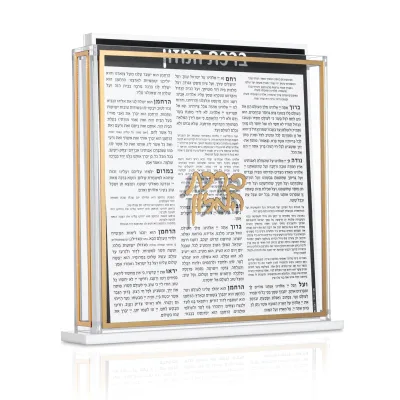
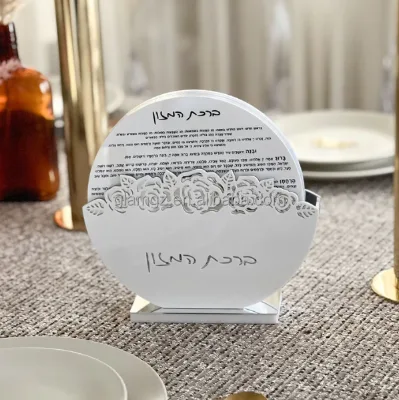
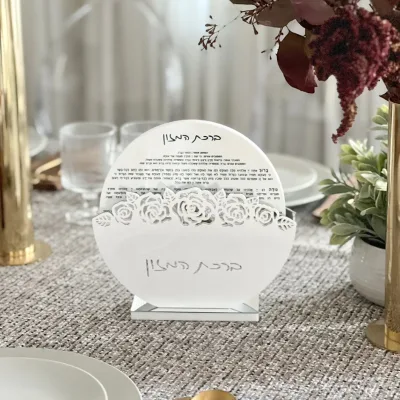

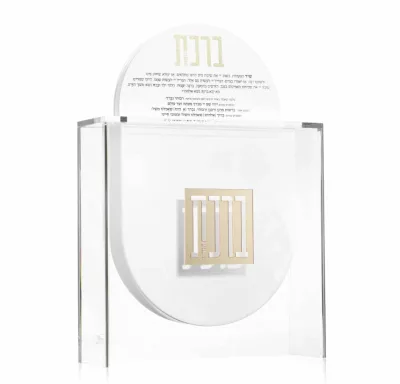






Comprehensive Sourcing Guide
Judaica Acrylic Lucite Bencher Set Sourcing Guide
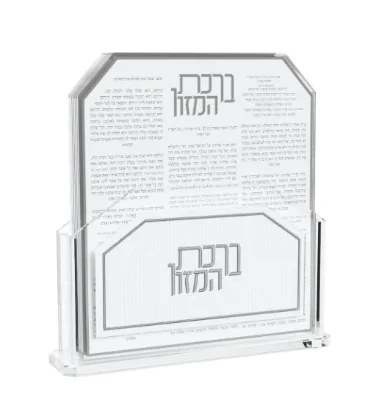
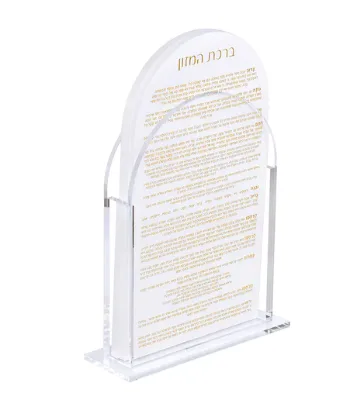
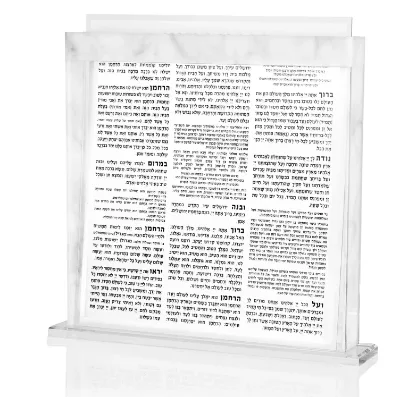
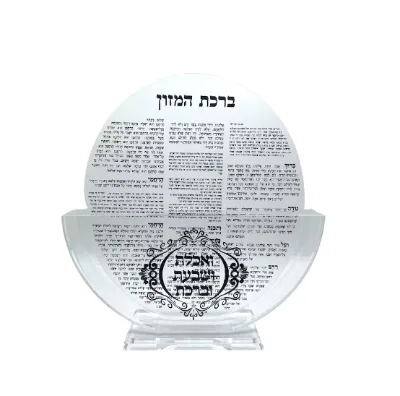
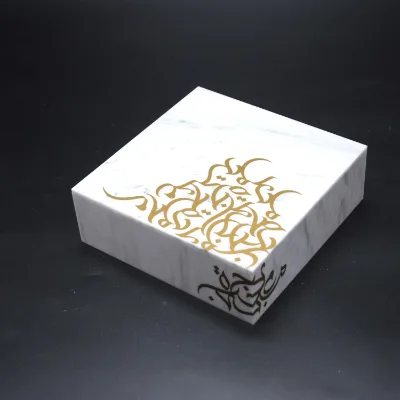
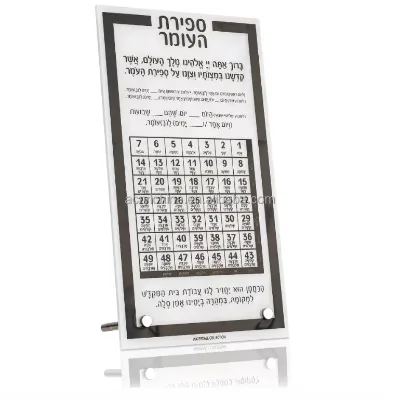
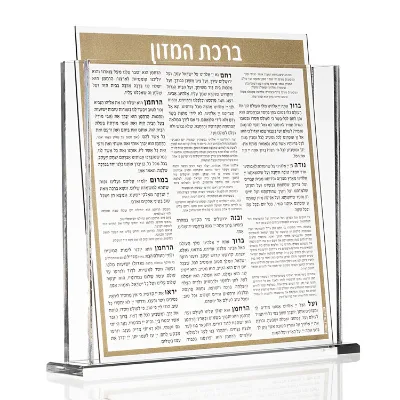
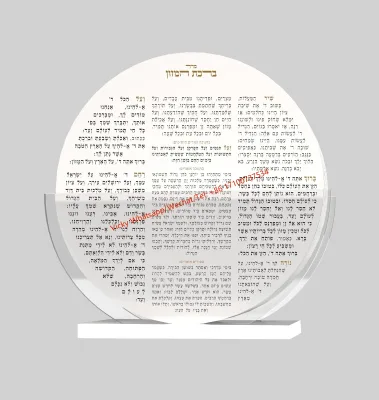
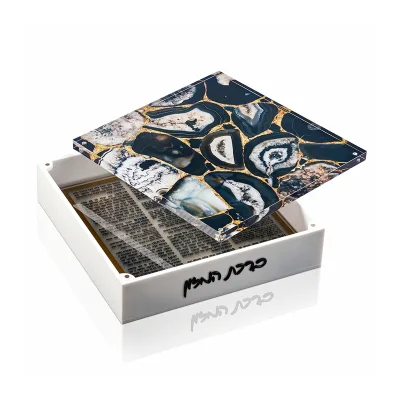
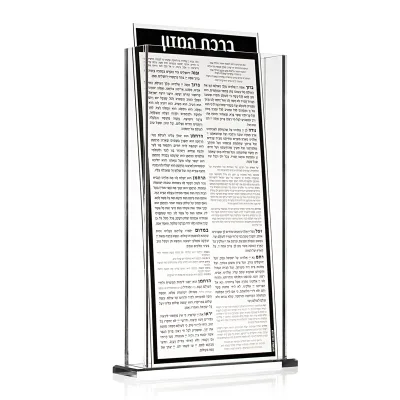
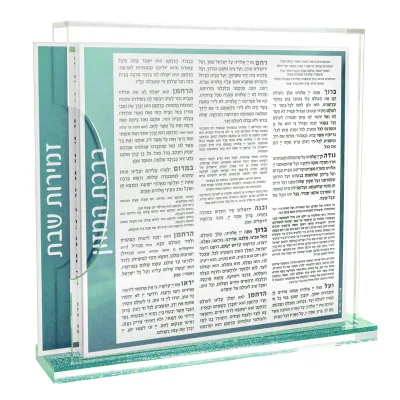
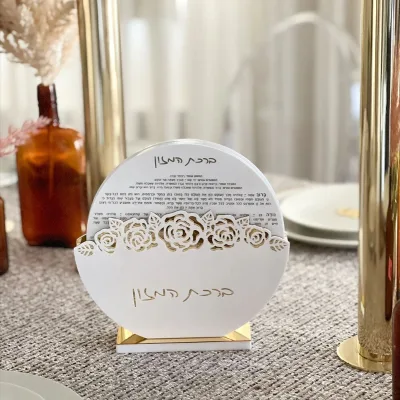
Sourcing Judaica acrylic lucite bencher sets requires a nuanced understanding of both material properties and cultural significance. These items serve as elegant holders for Shabbat and holiday cards, blending functional utility with decorative appeal. Buyers must recognize that while the primary material is acrylic or lucite, the aesthetic finish often involves high-gloss polishing, UV printing, or laser-cut floral patterns. The observed market includes rectangular and round designs, with customization options extending to size, color, and logo placement. This flexibility allows retailers to tailor products for specific family gatherings or commercial displays, ensuring the final product aligns with brand identity and consumer expectations.
The procurement process involves navigating a diverse supplier landscape, primarily centered in manufacturing hubs like Guangdong, China. Suppliers frequently offer OEM and ODM services, supporting custom printing and size adjustments to meet specific client needs. Key attributes such as eco-friendly materials, durability, and luxury finishes are common selling points. However, buyers must verify these claims through direct communication and sample evaluation. The presence of features like stable stands and easy-to-clean surfaces indicates a focus on practical usability alongside aesthetic value. Understanding these distinctions helps in selecting suppliers who can deliver consistent quality and meet the rigorous demands of the Judaica market.
Product Scope and Observed Listing Signals
The current market landscape for acrylic bencher sets reveals a wide variety of product configurations, ranging from classic rectangular designs to intricate round sets with laser-cut details. Observed listings indicate a strong emphasis on customization, with suppliers offering services for custom printing, logo integration, and size adjustments. Common specifications include card dimensions of approximately 7.8 inches and box sizes around 8.5 by 8.4 inches, though customized sizes are readily available. The material composition is predominantly acrylic or lucite, often described as eco-friendly and durable. Buyers should note that while many products share these core attributes, specific features like high-gloss finishes or UV printing may vary between suppliers, necessitating careful review of individual product descriptions.
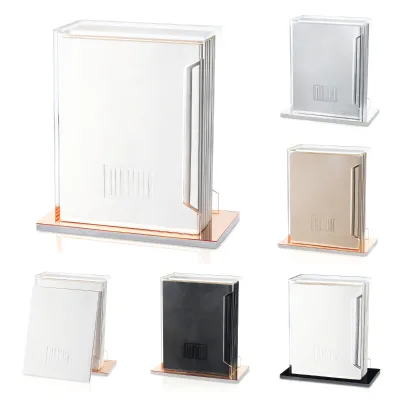
Color options typically include clear, gold, and silver, with some suppliers offering fully custom color matching to suit specific branding or thematic requirements. The packaging is generally designed for safe transit, with options ranging from standard bag packages to customized protective packaging. Single gross weights observed in listings vary, with some items weighing around 3.000 kg and others up to 6.000 kg, reflecting differences in size and material thickness. These variations impact shipping costs and handling requirements. Buyers must assess these physical attributes to determine the most suitable products for their target market, ensuring that the weight and packaging align with their logistical capabilities and customer expectations.
Technical Specifications to Verify
Verifying technical specifications is critical to ensuring the durability and aesthetic quality of acrylic bencher sets. Buyers should confirm the exact material grade, as terms like "acrylic" and "lucite" are often used interchangeably but may denote different levels of clarity and impact resistance. The surface treatment, whether polished, high-gloss, or UV printed, significantly affects the final appearance and maintenance requirements. It is essential to request detailed specifications regarding thickness, edge finishing, and stability features, such as the design of the stand or base. These factors determine the product's ability to securely hold cards without tipping, which is a key functional requirement for consumers.
Dimensional accuracy is another vital aspect to verify, as listed sizes may vary slightly from actual measurements. Buyers should inquire about tolerance levels and request physical samples to assess the fit for standard card sizes. Additionally, the quality of any custom printing or laser-cut details should be evaluated for precision and durability. Suppliers may offer different model numbers for similar products, so it is important to cross-reference specifications to avoid confusion. Confirming these technical details early in the sourcing process helps prevent discrepancies between ordered and delivered goods, ensuring that the final products meet the expected quality standards and functional requirements.
Compliance and Safety Documentation
While specific certification requirements may vary by destination market, buyers should prioritize suppliers who can provide relevant safety and material compliance documentation. Acrylic products intended for consumer use should ideally meet standards for non-toxicity and durability, ensuring they are safe for handling during religious and family gatherings. Buyers must inquire about the availability of material safety data sheets and any relevant testing reports that verify the absence of harmful substances. Although specific certification statuses are not universally listed, requesting this information demonstrates a commitment to quality and regulatory adherence, which can be a decisive factor in supplier selection.
Additionally, buyers should consider the environmental impact of the materials used, as many suppliers highlight eco-friendly attributes. Verifying claims of sustainability requires documentation or third-party verification, which may not always be readily available. It is advisable to ask suppliers about their manufacturing processes and waste management practices to gain a comprehensive understanding of their environmental commitments. Ensuring that the products comply with local regulations regarding plastic and acrylic goods is essential for market access. By prioritizing suppliers with robust compliance documentation, buyers can mitigate risks associated with regulatory non-compliance and enhance the credibility of their product offerings.
Cost Drivers and Commercial Terms
Several factors influence the cost structure of acrylic bencher sets, including material quality, customization complexity, and order volume. The observed minimum order quantities (MOQs) typically range from 20 to 200 pieces, with some suppliers specifying an MOQ of 100 pieces. Higher customization levels, such as unique sizes, special printing techniques, or intricate laser-cut designs, generally increase production costs. Buyers should negotiate terms that balance customization needs with cost efficiency, considering the impact of order volume on unit pricing. Understanding these cost drivers helps in budgeting accurately and identifying opportunities for cost savings through strategic ordering and design simplification.
Delivery times and payment terms are also significant commercial considerations. Observed lead times for production range from 13 to 15 days, which buyers must factor into their inventory planning and supply chain logistics. Suppliers may offer flexible payment terms, but it is essential to clarify these details before finalizing orders. Additionally, packaging options can affect shipping costs, with customized packaging potentially incurring higher fees. Buyers should evaluate the total landed cost, including shipping, duties, and handling, to make informed procurement decisions. Clear communication regarding commercial terms ensures transparency and helps avoid unexpected expenses or delays in the supply chain.
Supplier Qualification and Quality Control
Selecting the right supplier involves rigorous qualification and quality control processes to ensure consistent product quality. Buyers should assess suppliers based on their manufacturing capabilities, experience in producing Judaica items, and ability to meet customization requests. Requesting references or case studies from previous clients can provide insights into the supplier's reliability and performance. It is also important to verify the supplier's quality control procedures, including inspection protocols for material selection, production processes, and final product finishing. Suppliers with robust quality control systems are more likely to deliver products that meet specified standards and minimize defects.
Sampling is a critical step in the qualification process, allowing buyers to evaluate the physical attributes of the products firsthand. Buyers should request samples to assess factors such as material clarity, edge finish, printing quality, and overall durability. Comparing samples from multiple suppliers helps in identifying the best fit for specific requirements. Additionally, establishing clear quality expectations and communication channels with the supplier ensures that any issues are addressed promptly. Implementing a structured quality control plan, including pre-production and pre-shipment inspections, helps maintain product consistency and reduces the risk of receiving substandard goods.
Long-Term Procurement Checks
Establishing long-term procurement relationships requires ongoing monitoring and evaluation of supplier performance. Buyers should regularly review key performance indicators such as on-time delivery, product quality, and responsiveness to issues. Maintaining open communication with suppliers facilitates continuous improvement and addresses any emerging challenges promptly. It is also advisable to periodically reassess the market for new suppliers or alternative materials that may offer better value or quality. Staying informed about industry trends and technological advancements in acrylic manufacturing can provide opportunities for innovation and cost optimization.
Additionally, buyers should consider the sustainability and ethical practices of their suppliers, as these factors increasingly influence consumer preferences. Regular audits or assessments of supplier practices can help ensure alignment with corporate social responsibility goals. Building a diverse supplier base reduces dependency on single sources and mitigates risks associated with supply chain disruptions. By implementing a proactive approach to supplier management, buyers can foster resilient and efficient procurement processes that support long-term business success. Continuous evaluation and adaptation are essential for maintaining a competitive edge in the Judaica market.
FAQs
What customization options are available for the bencher set?
Customization is available for size, printing, and logo. You can support custom printing and size adjustments to fit specific needs. The product allows for customized packages and logos. This flexibility ensures the bencher set aligns with your brand identity or specific event requirements effectively.
How long is the delivery time for this product?
The delivery time is typically 13-15 days. This lead time applies to standard production runs. Buyers should account for this duration when planning inventory or event schedules. It ensures timely arrival while maintaining quality standards for the acrylic bencher set components.
What is the minimum order quantity for this item?
The minimum order quantity is 100 pieces. This MOQ applies to the standard acrylic bencher set. Buyers must meet this threshold to proceed with orders. It helps manufacturers manage production efficiency while offering bulk pricing advantages for larger procurement volumes.
Can I get a custom logo on the bencher set?
Yes, a customized logo is supported. The product allows for logo integration on the acrylic surface. This feature enhances brand visibility for corporate or event use. Buyers can specify their logo details during the customization process to ensure accurate representation on the final product.
What material is used to make the bencher set?
The main material is acrylic or lucite. This durable plastic ensures stability and ease of cleaning. The material is eco-friendly and suitable for display purposes. It provides a luxurious appearance while maintaining structural integrity for repeated use in various settings.
Where is this product manufactured?
The product originates from Guangdong, China. Specifically, it is manufactured in Dongguan. This location is known for acrylic processing capabilities. Buyers can verify supplier locations for logistics planning and quality assurance purposes during the sourcing process.