Source Baby Sleeping Plush Toy for Gifts, Decor, and Play
Explore 30 Baby Sleeping Plush Toy options featuring soft materials, musical functions, and varied shapes like bears and rabbits. Buyers can compare specifications, certifications, and packaging details to find suitable items for infants and young children; compare the available evidence and request quotations based on your requirements.
Key considerations
Products List


Custom Baby Soft Comfort Plush Toy Baby Sleeping Doll for Children's Gift
$3.04 - $3.64
MOQ: 1000 Pieces


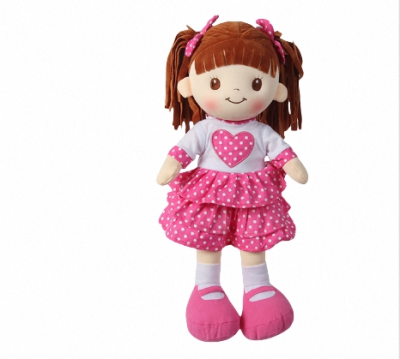


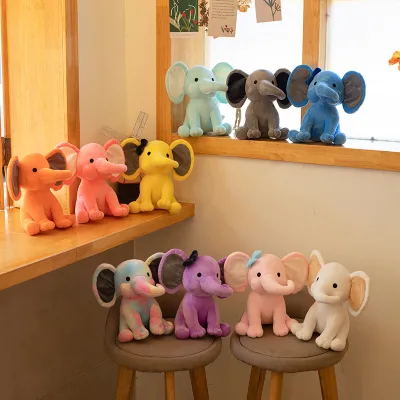


Good Selling Modern Design Different Cute Soft Plush Animal Toys for Baby
$2.99 - $5.99
MOQ: 200 Pieces


Comprehensive Sourcing Guide
Baby Sleeping Plush Toy Sourcing Guide
Buyers must first distinguish between the specific product models observed in the market, such as RFD351460 and RFD351463, which feature distinct packaging and dimensional profiles. The RFD351460 model is described as a soft rubber bunny bear designed for infants aged 7-9 months, while the RFD351463 variant targets a slightly different demographic with musical and electric functions. Understanding these model-specific differences is critical before initiating any procurement conversation, as the intended age group dictates the necessary safety features and material composition required for compliance.
The observed product range includes items with varying shapes, from bears to rabbits, and diverse functional attributes like music, lights, or simple tactile stimulation. Some listings indicate a focus on sensory development for babies aged 0-3 months, while others target children aged 3-8 years with different complexity levels. Procurement teams should verify that the specific model selected aligns with the target customer's developmental stage, ensuring that features like electric components or small parts are appropriate for the intended age range to prevent safety hazards.
Product Scope and Observed Listing Signals
The market data reveals a significant variance in minimum order quantities, ranging from as low as 2 units to as high as 2000 units, which directly impacts inventory strategy and cash flow planning. Buyers should analyze whether their order volume aligns with the supplier's capacity to fulfill small batches or if they must commit to larger quantities to secure favorable pricing tiers. This flexibility allows smaller retailers to test the market with minimal risk, while larger distributors can leverage bulk purchasing power to reduce per-unit costs.
Packaging configurations also vary widely, with some products shipped in color boxes and others in display boxes, affecting both retail presentation and logistics efficiency. The carton sizes observed, such as 6065.578cm or 76.55066.5cm, dictate the number of units per container and the resulting shipping volume. Procurement specialists must calculate the cubic meter usage carefully, as the difference between 0.254 CBM and 0.307 CBM per carton can significantly alter freight costs and warehouse storage requirements for large-scale orders.
Technical Specifications to Verify
Dimensional accuracy is a primary verification point, as the product sizes listed range from 282610.2cm for individual items to specific carton dimensions that must be confirmed against physical samples. Buyers should request detailed technical drawings or physical measurements to ensure the plush toys fit within the specified packaging constraints and do not exceed the stated gross weight limits of 18kg or 14.5kg per carton. Discrepancies in these physical attributes can lead to rejected shipments or unexpected freight charges due to volumetric weight calculations.
Material composition and functional requirements must be rigorously checked, particularly for items containing electronic components like batteries or lights. The supply data indicates the use of ABS plastic and plush materials, with some models requiring 2*AA batteries that are not included. It is essential to confirm that the electrical components meet safety standards for the specific age group, ensuring that battery compartments are secure and that the materials used for the plush exterior are non-toxic and durable enough for the intended play patterns.
Compliance and Safety Documentation
Safety certifications are non-negotiable for baby products, and the observed listings reference standards such as EnCE and EnASTM, which must be validated for the specific export destination. Buyers should request current test reports from accredited laboratories to verify that the products meet the rigorous safety requirements for toys intended for infants and young children. Relying on general claims without physical documentation exposes the buyer to significant liability risks and potential regulatory penalties in international markets.
The age range specifications provided, such as 0-3 months or 7-9 months, must be cross-referenced with the product's physical design to ensure no choking hazards or unsafe features are present. For instance, items with small detachable parts or electronic components may be unsuitable for the youngest age groups despite the supplier's labeling. Procurement teams must ensure that the manufacturer has clearly defined age grading based on actual product testing rather than marketing assumptions, as this is a critical component of regulatory compliance.
Cost Drivers and Commercial Terms
Pricing structures in this category are influenced by the complexity of the product, with musical and electric models likely commanding higher prices than simple plush variants. The observed price range of 0.5 to 13.95 USD suggests a wide spectrum of value propositions, where buyers must balance cost against the inclusion of features like lights, sound modules, or specialized packaging. Understanding the cost breakdown helps in negotiating effectively and identifying where value can be added without inflating the final unit price unnecessarily.
Commercial terms regarding customization and sample availability play a crucial role in the total cost of ownership. The data indicates that customization is available and samples can be finished within one week, which allows for rapid prototyping and design iteration. However, buyers should clarify the costs associated with custom molds or packaging changes, as these one-time expenses can significantly impact the unit price for smaller order volumes. Clear agreements on sample fees and customization charges prevent unexpected financial surprises during the production phase.
Supplier Qualification and Quality Control
Supplier location and origin are key factors in assessing logistics reliability and production capacity, with Shantou identified as a primary origin for these plush toys. Buyers should verify the supplier's operational history in this specific region, as it is a known hub for toy manufacturing with established supply chains for materials like plush and ABS plastic. Understanding the local ecosystem helps in anticipating potential supply chain disruptions and ensures that the supplier has the necessary infrastructure to handle large-scale production runs.
Quality control protocols must be explicitly defined before production begins, focusing on consistency in stitching, material softness, and electronic functionality. Given the variety of models, from simple sleeping bears to complex musical rabbits, a standardized inspection plan is essential to catch defects early. Buyers should mandate pre-shipment inspections that specifically test the durability of the plush fabric and the reliability of any electronic components to ensure the final product meets the expected quality standards.
Long-Term Procurement Checks
Sustainability and material safety are becoming increasingly important for long-term procurement strategies, requiring ongoing verification of material certifications like EnMaterial:Plush. Buyers should establish a schedule for re-testing materials periodically to ensure that the supplier continues to use safe, non-toxic components as regulations evolve. This proactive approach protects the brand reputation and ensures continued compliance with international safety standards without the need for reactive measures.
Relationship management with suppliers should include regular reviews of performance metrics, such as on-time delivery rates and defect rates over multiple order cycles. The ability to scale production, as suggested by the high MOQs observed, indicates that suppliers should have the capacity to grow with the buyer's business. Establishing clear communication channels and performance benchmarks ensures that the partnership remains productive and that any issues are addressed promptly before they impact the supply chain.
FAQs
What age groups are suitable for these baby sleeping plush toys?
These toys are designed for multiple age groups ranging from 0-3 months up to 10-12 months and even 3-8 years. Specific models cater to infants with soft materials while others suit older children for entertainment and intelligence improvement through tactile experiences.
Which certifications do the plush toys meet for safety standards?
The products hold certifications including EnMaterial, EnCE, and EnASTM to ensure safety compliance. These standards verify that the materials and construction meet rigorous international requirements for children's toys, providing assurance for buyers regarding product safety and quality control.
Can buyers request customization for the baby sleeping plush toys?
Yes, customization is available for these plush toys to meet specific buyer requirements. Buyers can also request OEM or ODM services, allowing for tailored designs and features while maintaining the core quality and safety standards expected in the industry for infant products.
What are the typical packaging dimensions for the plush toy cartons?
Carton sizes vary by model but commonly measure around 60 by 65.5 by 78 centimeters or 76.5 by 50 by 66.5 centimeters. Individual package sizes range from 18.5 by 12 by 21 centimeters to 24 by 29.8 by 9 centimeters depending on the specific product configuration.
How many pieces are typically packed in one master carton?
Packaging quantities differ by model, with some cartons holding 36 pieces while others contain 48 pieces per carton. This variation depends on the specific product model and its physical dimensions, ensuring efficient shipping and storage for bulk orders from international suppliers.
What materials are used to construct the baby sleeping plush toys?
The toys are primarily constructed using plush materials combined with ABS plastic for specific functional parts. This combination ensures a soft, safe touch for babies while providing durability for electronic components like lights and music features found in certain musical sleeping toy models.
Where are these baby sleeping plush toys manufactured and shipped from?
The products originate from Shantou, a known manufacturing hub for plush toys. This location allows for efficient production and logistics, ensuring that buyers receive high-quality goods with reliable lead times and competitive pricing structures for international B2B transactions.