Source Cylindrical EVA Foam Fender for Ship Docking, STS, and STD
Compare 30 listings of Cylindrical EVA Foam Fender designed for ship docking, STS, and STD applications. Buyers can evaluate customization options, material types, and pricing to find suitable marine protection solutions.
Key considerations
Products List


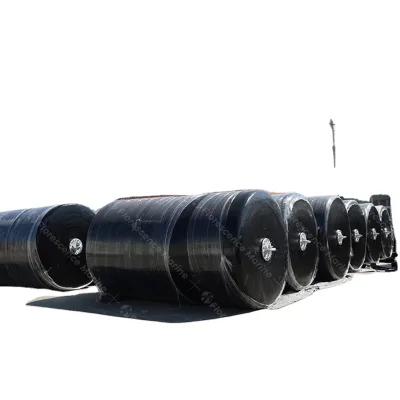


Shock-Absorbing Solid EVA Foam Fenders Marine Foam Filled Fenders for Dock
$500.00 - $3000.00
MOQ: 1 Pieces


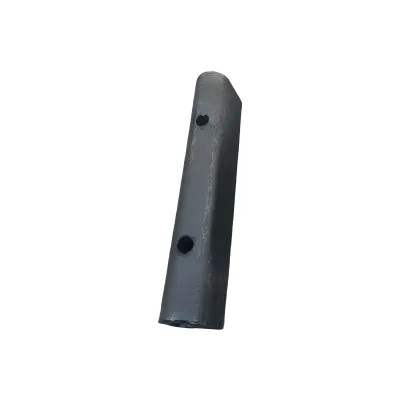
Collision Avoidance EVA Floating Foam Filled Fenders for Ship Protection
$500.00 - $3000.00
MOQ: 1 Pieces




Comprehensive Sourcing Guide
Strategic Sourcing Guide for Cylindrical EVA Foam Fenders
Understanding the Technical Profile of Cylindrical EVA Foam Fenders
When initiating a procurement strategy for cylindrical EVA foam fenders, the primary objective is to align technical specifications with the specific operational demands of the vessel or dock. The core product category, often identified as "Foam filled fender" or "Super Cell Rubber Fender" depending on the manufacturer's nomenclature, relies heavily on the material composition of Polyurethane (PU) or Ethylene-Vinyl Acetate (EVA). These materials are selected for their ability to absorb kinetic energy during ship docking without transferring excessive force to the hull.
The physical geometry of these fenders is a critical differentiator. While the general category is defined as "Cylindrical," the actual dimensions vary significantly to suit different vessel sizes. Available specifications indicate a length range from 0.6 meters to 9.0 meters, with the option for customization. The diameter is equally variable, spanning from 0.3 meters to 4.5 meters, also subject to customization based on the berthing profile. This variability means that a single "one-size-fits-all" approach is rarely viable. Buyers must verify the exact size requirements against the vessel's beam and the expected impact angle.
Furthermore, the structural integrity of the fender is paramount. The market offers both "Solid" and "Floating" structures. A solid structure implies a dense, non-buoyant unit that may require specific mounting hardware, whereas a floating structure is designed to remain buoyant at the waterline, often used for larger vessels where the fender must stay afloat during high tide or low tide variations. The product attributes also highlight a "Drum Style" configuration, which is a specific cylindrical arrangement often used for heavy-duty applications. Color options typically include black, white, orange, or multicolor, which can be customized to meet safety or branding requirements.
Compliance, Certification, and Material Standards
Navigating the regulatory landscape is essential for maritime procurement, as fenders are safety-critical components. When evaluating potential suppliers, buyers must scrutinize the certification status of the product. High-confidence data points indicate that certain products carry certifications such as GL/EC (Germanischer Lloyd/European Community) and CCS (China Classification Society). These are significant markers of quality and compliance for vessels operating in international waters.
In addition to specific product certifications, the manufacturing process should adhere to recognized quality management standards. Some suppliers operate under ISO9001:2000 company standards, which suggests a commitment to consistent manufacturing processes. However, buyers should verify if the specific batch of fenders being purchased carries the relevant classification society approvals, as a company standard does not automatically guarantee that every individual product unit is certified.
The material standard itself is another area requiring verification. While the core keyword specifies "EVA," the supply chain often includes "Polyurethane/EVA" blends or products where the standard is simply listed as "EVA." It is crucial to confirm the exact polymer composition, as the density and rebound characteristics differ between pure EVA and PU blends. Some listings mention "SGS approved" as a standard, which refers to third-party testing verification rather than a material specification. Buyers should request the specific test reports that validate the material's resistance to UV degradation, oil, and abrasion, ensuring the fender will perform in the harsh marine environment.
Cost Drivers and Pricing Dynamics
The pricing structure for cylindrical EVA foam fenders is influenced by a complex interplay of factors, including material costs, customization levels, and order volume. The observed market price range is extensive, spanning from $1.30 to $3,600 USD. This wide disparity is not indicative of inconsistent quality alone but reflects the massive variance in dimensions and material density. A small, 0.6-meter diameter fender will naturally cost significantly less than a 4.5-meter diameter unit designed for large container ships.
The Minimum Order Quantity (MOQ) is another critical cost driver. The market data shows an MOQ range from 1 piece to 2,000 units. For smaller projects or replacement parts, suppliers offering an MOQ of 1 piece or 2 pieces provide flexibility, though the unit price may be higher. Conversely, large-scale procurement for new builds or fleet-wide replacements can leverage economies of scale by ordering in bulk, potentially reducing the per-unit cost. However, buyers must balance this against storage and logistics costs.
Customization is a primary factor in price escalation. While standard sizes may be available at lower price points, requests for custom lengths, diameters, or specific colors (such as multicolor or specific branding) will increase the manufacturing complexity and cost. Additionally, the inclusion of a customized logo or specific packing requirements, such as export packing suitable for sea freight, adds to the overall expense. Buyers should also consider the "Competitive" pricing claims often made by suppliers; these are marketing terms rather than fixed values. The final cost must be negotiated based on the specific technical specifications, the volume of the order, and the delivery terms.
Typical Applications and Operational Scenarios
Cylindrical EVA foam fenders are versatile assets deployed across various maritime sectors. Their primary usage is defined as "Protection" and "Ship Docking," serving as a buffer to prevent hull damage during berthing operations. The specific applications listed include Sts (Straddle Carrier Stacking), Std (Standard Berthing), and Outboard operations. This versatility makes them suitable for a wide array of facilities, from small inland ports to large deep-sea terminals.
The "Floating" structure variant is particularly valuable for applications where the water level fluctuates significantly. These fenders are designed to maintain their position relative to the vessel's hull regardless of tide changes, ensuring continuous protection. In contrast, "Solid" fenders are often mounted on fixed structures or racks where buoyancy is not a requirement. The "Drum Style" configuration is frequently utilized in heavy-duty industrial settings where high impact energy absorption is necessary.
The design life of these fenders is a critical consideration for long-term operational planning. Some products in the market are designed with a service life of 15 years, which significantly impacts the total cost of ownership. This longevity is contingent upon the material quality and the environmental conditions of the deployment site. For example, fenders deployed in high-UV environments or areas with high salinity may experience accelerated wear if the material formulation is not specifically designed for such conditions. Buyers should ensure that the fender's design life aligns with their facility's maintenance and replacement schedules.
Supplier Evaluation and Manufacturing Capabilities
Selecting the right supplier requires a thorough evaluation of their manufacturing capabilities and geographic location. The supply chain for these products is heavily concentrated in China, with specific origins noted in Jiangsu and Qingdao. These regions are known for their maritime equipment manufacturing clusters. When evaluating suppliers, buyers should verify the "Place of Origin" to ensure it aligns with their logistics strategy and any trade preferences they may have.
The brand reputation and specific product lines are also important indicators of supplier capability. Some suppliers operate under specific brand names like "Florescence" or "Qingdao Evergreen Maritime," while others may use generic product names. The availability of "Customized Logo" and "Customization" options suggests that the supplier has the flexibility to tailor products to the buyer's needs. However, buyers must distinguish between a supplier that offers customization as a service and one that has the technical capacity to engineer custom solutions.
Lead time is another critical metric in supplier evaluation. The market data indicates a delivery time of approximately 15 days for standard orders. However, this can vary based on the complexity of the order and the current production load. Suppliers offering a "Zero Distance and First Class" service model may provide faster response times and better communication, which is valuable for time-sensitive projects. Buyers should also inquire about the warranty period, with some suppliers offering up to 24 months of coverage, which indicates confidence in their product quality.
Quality Control and Long-Term Procurement Considerations
Ensuring the quality of cylindrical EVA foam fenders requires a robust quality control (QC) process. Buyers should demand evidence of material testing, including density checks, compression set tests, and UV resistance evaluations. The "World Class" standard mentioned in some product listings is a qualitative claim; buyers must request the specific test data that supports this assertion. Third-party certifications like SGS are valuable, but they should be verified against the specific batch of goods being purchased.
Packaging is a vital aspect of quality control during transit. The products are typically shipped on pallets or in export packing suitable for sea freight. Proper packaging prevents damage during shipping, which is crucial for maintaining the structural integrity of the fenders. Buyers should specify packaging requirements in their purchase orders to ensure that the fenders arrive in pristine condition.
Long-term procurement considerations extend beyond the initial purchase. The "Design Using Life" of 15 years suggests that these fenders are a long-term investment. Buyers should plan for periodic inspections and maintenance to ensure the fenders continue to perform effectively. The availability of spare parts and the supplier's ability to provide replacements for damaged units are also important factors. A supplier with a strong track record and a clear warranty policy can provide peace of mind and reduce the risk of operational downtime.
In conclusion, sourcing cylindrical EVA foam fenders requires a detailed understanding of technical specifications, material standards, and supplier capabilities. By carefully evaluating the factors outlined in this guide, buyers can make informed decisions that ensure the safety and efficiency of their maritime operations. The wide range of available options, from standard sizes to fully customized solutions, allows for a tailored approach that meets the unique needs of each project.
FAQs
What certifications do cylindrical eva foam fenders have?
Some products carry GL/EC and CCS certifications for maritime compliance. Buyers should verify if specific batches hold these approvals, as company standards like ISO9001 do not automatically guarantee every unit is certified for international shipping.
How long is the delivery time for these fenders?
The standard delivery time is approximately 15 days for most orders. This timeline may vary based on order complexity, production load, and whether customization or specific packaging requirements are included in the request.
What is the minimum order quantity for cylindrical fenders?
The minimum order quantity ranges from 1 piece to 2,000 units depending on the supplier. Smaller projects can order single units, while large-scale fleet replacements often leverage bulk ordering to reduce per-unit costs.
Can I get a customized logo on the fender?
Yes, customized logos are available for many cylindrical foam fender models. This customization option allows buyers to meet branding requirements, though it may increase manufacturing complexity and overall cost compared to standard units.
What materials are used for these marine fenders?
The primary materials include Polyurethane and Ethylene-Vinyl Acetate (EVA) blends. Some listings specify pure EVA standards, while others use PU/EVA mixes, so buyers must confirm the exact polymer composition for specific performance needs.
Where are these fenders manufactured?
Products originate from China, with specific manufacturing hubs in Jiangsu and Qingdao. Buyers should verify the exact place of origin to align with logistics strategies and any trade preferences regarding regional sourcing.
What is the design life of the foam fender?
The design using life is typically 15 years for high-quality units. This longevity depends on material quality and environmental conditions, so periodic inspections are necessary to ensure continued performance in harsh marine environments.