Source Cylinder Replacement Carborundum Hone Stone for Engine Repair
Find and compare 30 Cylinder Replacement Carborundum Hone Stone options for engine repair, cylinder honing, and precision grinding. Evaluate grit sizes, bond types, and dimensions to select the right tool for your industrial or automotive needs.
Key considerations
Products List


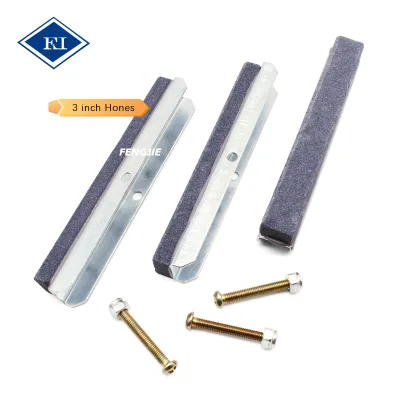


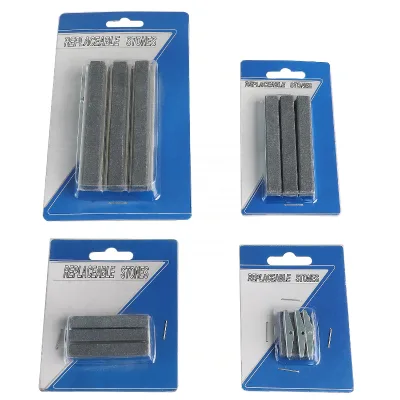


Comprehensive Sourcing Guide
Cylinder Replacement Carborundum Hone Stone Sourcing Guide
Sourcing cylinder replacement carborundum hone stones requires a precise understanding of abrasive materials, bond types, and dimensional tolerances to ensure optimal engine performance and longevity. These stones are critical components in the honing process, which creates the necessary cross-hatch pattern on cylinder walls to retain lubricating oil and reduce friction between the piston rings and the cylinder liner. Buyers must distinguish between standard oilstones used for general instrument polishing and specialized honing stones designed for automotive or industrial cylinder replacement applications. The selection process involves evaluating the abrasive grain size, bond hardness, and physical dimensions to match specific engine block requirements, ensuring that the chosen tool delivers consistent material removal rates without damaging the cylinder surface.
The procurement landscape for these components is characterized by a wide variety of specifications, including different grit sizes, model numbers, and packaging standards. Suppliers often offer customization options, allowing buyers to tailor stones to unique bore diameters and operational needs. However, this flexibility introduces complexity in verification, as not all listed attributes apply to every product variant. Buyers must carefully cross-reference technical specifications with their actual machining requirements, paying close attention to the abrasive type—whether diamond, CBN, or carborundum—and the bond material, which significantly influences the stone's cutting efficiency and service life. Understanding these variables is essential for making informed purchasing decisions that balance cost, performance, and durability.
Product Scope and Observed Listing Signals
The market for cylinder replacement hone stones encompasses a diverse range of products, from standard oilstones used in instrument industries to specialized stones for automotive engine rebuilding. Observed listings indicate that these tools are primarily used for polishing and grinding applications, with some variants specifically designed for cylinder replacement hone stones. The product scope includes various models, such as the D8, 2001212, and 1007.97.9, each tailored to different bore diameters and honing machine configurations. Buyers should note that while some products are labeled as "standard oilstones," others are explicitly marketed for use with specific honing machines like Nissin, Kadia Precision, or Sunnen, indicating a need for compatibility verification before purchase.
Listing signals reveal significant variation in material composition and physical dimensions, reflecting the specialized nature of these tools. For instance, some stones are made from carborundum, while others utilize diamond or Borazon abrasives, each offering distinct cutting characteristics. The observed grit sizes range from coarse options like 80# to fine finishes like 600#, allowing for precise control over the surface finish of the cylinder wall. Additionally, packaging and origin details, such as carton box packaging and origins in Henan or Zhejiang, China, provide insights into the supply chain structure. Buyers must interpret these signals carefully, recognizing that attributes like "universal car fitment" may apply to certain models but not others, necessitating a thorough review of individual product specifications.
Technical Specifications to Verify
Verifying technical specifications is paramount when sourcing cylinder replacement hone stones, as even minor deviations can impact honing results and engine performance. Key attributes to confirm include the abrasive type, bond material, grit size, and physical dimensions. For example, some stones feature a metal bond or sintered metal bond, which affects the stone's durability and cutting speed, while others may use different bond types suited for specific materials. Buyers should also verify the grit size, which can range from Nm55 to Dm005 for some models, or from 80# to 600# for others, depending on the desired surface finish. Ensuring that the selected stone matches the required grit for the specific honing operation is crucial for achieving the correct cross-hatch pattern and oil retention capacity.
Dimensional accuracy and model compatibility are equally critical factors in the verification process. The bore diameter of the hone stone must align with the cylinder bore being serviced, with observed ranges spanning from 4mm to 28mm for certain models. Additionally, specific model numbers such as K3, K4, L3, L4, and others indicate standardized sizes that may correspond to particular honing machines or engine types. Buyers should also check the stone size, which can vary from 35310.5 mm to larger dimensions like 2001212 mm, to ensure physical compatibility with their honing equipment. Furthermore, hardness ratings, such as 3, 5, 7, or 9, provide insight into the stone's resistance to wear and its suitability for different materials, requiring careful selection based on the specific application requirements.
Compliance and Safety Documentation
While specific certification statuses are not universally disclosed in all listings, buyers should prioritize suppliers who provide comprehensive safety and compliance documentation for their abrasive tools. Hone stones, particularly those made from diamond or CBN, involve high-speed machining operations that pose potential safety risks if not handled correctly. Buyers should request material safety data sheets (MSDS) and usage guidelines that outline proper handling, storage, and operational procedures to minimize the risk of injury or equipment damage. Additionally, verifying that the products meet relevant industry standards for abrasive tools is essential, although specific standard numbers may vary by region and application.
Documentation should also include information on the product's origin and manufacturing practices, which can impact quality and consistency. For instance, products originating from regions like Henan or Zhejiang, China, may have different quality control protocols compared to those from other locations. Buyers should inquire about the supplier's quality assurance processes, including how they test for grit uniformity, bond integrity, and dimensional accuracy. Although specific test results are not always provided, understanding the supplier's approach to quality control can help mitigate risks associated with inconsistent performance or premature wear. Ensuring that the supplier adheres to recognized manufacturing standards can further enhance the reliability and safety of the purchased hone stones.
Cost Drivers and Commercial Terms
The cost of cylinder replacement carborundum hone stones is influenced by several factors, including the abrasive material, grit size, bond type, and order quantity. Diamond and CBN abrasives typically command higher prices due to their superior cutting efficiency and longer service life compared to traditional carborundum stones. Similarly, finer grit sizes and specialized bond materials can increase the unit cost, reflecting the additional processing and quality control required. Buyers should also consider the impact of order volume on pricing, as larger quantities often result in lower per-unit costs, although minimum order quantities (MOQs) may vary significantly among suppliers, ranging from 1 to 3000 units.
Commercial terms, such as delivery time and shipping methods, also play a crucial role in the total cost of ownership. Observed delivery times of 10-12 days suggest a relatively quick turnaround, but buyers should confirm these estimates with their chosen supplier, as lead times can fluctuate based on production schedules and logistics constraints. Shipping costs, which may be covered by express couriers like FedEx, DHL, or UPS, can add to the overall expense, particularly for smaller orders. Additionally, customization options, while valuable for specific applications, may incur additional fees. Buyers should negotiate clear terms regarding pricing, MOQs, delivery schedules, and return policies to ensure a transparent and predictable procurement process.
Supplier Qualification and Quality Control
Evaluating supplier qualification is essential to ensure the reliability and consistency of cylinder replacement hone stones. Buyers should assess the supplier's manufacturing capabilities, including their experience with abrasive tools and their ability to produce stones with precise dimensional tolerances and consistent grit distribution. Suppliers that offer customization services may have more advanced production facilities, but buyers should verify their quality control processes to ensure that customized products meet the same high standards as standard items. Additionally, checking the supplier's reputation and customer feedback can provide insights into their reliability and after-sales support.
Quality control measures should include rigorous testing of the hone stones for hardness, grit uniformity, and bond integrity. Buyers should inquire about the supplier's testing protocols and whether they conduct regular inspections to identify and rectify defects. Suppliers that provide detailed product specifications and technical support are often more committed to quality, as they are better equipped to address any issues that may arise during use. Furthermore, verifying the supplier's adherence to industry best practices for abrasive tool manufacturing can help ensure that the purchased stones perform as expected. Buyers should also consider the supplier's ability to provide consistent supply, as disruptions in production can impact project timelines and operational efficiency.
Long-Term Procurement Checks
Establishing long-term procurement checks is vital for maintaining the quality and performance of cylinder replacement hone stones over time. Buyers should implement a system for tracking the performance of different suppliers and product variants, noting any issues related to cutting efficiency, wear rate, or dimensional accuracy. This data can help identify reliable suppliers and inform future purchasing decisions, ensuring that the selected stones continue to meet operational requirements. Additionally, regular communication with suppliers can help address any emerging issues and foster a collaborative relationship that benefits both parties.
Continuous monitoring of market trends and technological advancements in abrasive tools can also provide valuable insights for long-term procurement strategies. Buyers should stay informed about new materials, grit sizes, and bond types that may offer improved performance or cost savings. Engaging with industry forums and attending trade shows can help buyers network with suppliers and learn about the latest innovations in honing technology. By maintaining a proactive approach to procurement, buyers can ensure that their operations remain competitive and efficient, leveraging the best available tools to achieve optimal engine performance and longevity.
FAQs
What abrasive materials are used in these hone stones?
The hone stones utilize diamond, CBN, or borazon abrasives depending on the specific model. Some variants also feature carborundum material for general grinding applications. This selection ensures high cutting efficiency and longer service life for industrial instrument applications.
Which honing machines are compatible with these stones?
These stones are designed for use on Sunnen, Nissin, and Kadia Precision Honing Machines. They are specifically engineered for cylinder replacement applications. Compatibility ensures optimal performance across various standard industrial honing setups.
What grit sizes are available for these honing stones?
Available grit sizes include Nm55, Nm85, Nm05, Nm005, Dm55, and Dm05. Additional options range from 70# to 600# or specific metric grades like Gmg37 and Rmg95. This variety supports different finishing requirements from rough grinding to fine polishing.
Can these stones be customized for specific needs?
Yes, customization is available for these honing stones. Buyers can request specific dimensions such as 100x6x6 or 35x3x10.5 CBN. Custom orders allow for tailored bore diameters ranging from 4mm to 28mm to fit unique machinery requirements.
What is the typical delivery time for these products?
The standard delivery time is 10 to 12 days for most orders. Shipping is handled via express couriers like FedEx, DHL, or UPS. This timeline applies to standard stock items and may vary slightly for customized specifications.
Where are these honing stones manufactured?
These products originate from Henan and Zhejiang provinces in China. The manufacturing facilities produce various models including K series and L series stones. Origin information is provided for transparency regarding production location and logistics planning.
What packaging is used for these honing stones?
Products are typically packed in carton boxes or slide cards depending on the item type. Specific dimensions like 14.00cm by 10.00cm by 9.00cm are noted for standard packaging. This ensures safe transport and protection during international shipping.