Source Dazzling Laser Film for Furniture, textiles, and medical boxes
Find 30 suppliers offering Dazzling Laser Film for Furniture, clothing, and cosmetic packaging. Compare specifications like thickness, material, and customization options to select the right film for your industrial needs.
Key considerations
Products List

Laser Pet Film for Packaging Film Glitter Film High Quality for Package
$1300.00 - $1350.00
MOQ: 5 Tons


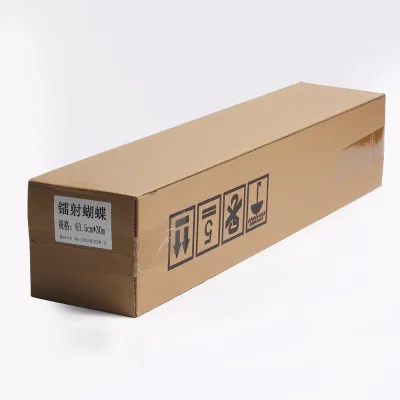


Hot Sale Laser Film, Design Production Heat Transfer Priniting Film for Plastics
$0.20 - $0.45
MOQ: 500 Square Meters


$0.20 - $0.45
MOQ: 500 Square Meters


$0.20 - $0.45
MOQ: 500 Square Meters


Premium Quality Decorative Furniture Films From Reliable China Supplier
$1.60 - $3.00
MOQ: 3000 Square Meters


Premium Quality EVA Interlayer Film for Furniture and Interior Design Glass
$350.00 - $450.00
MOQ: 1 Rolls

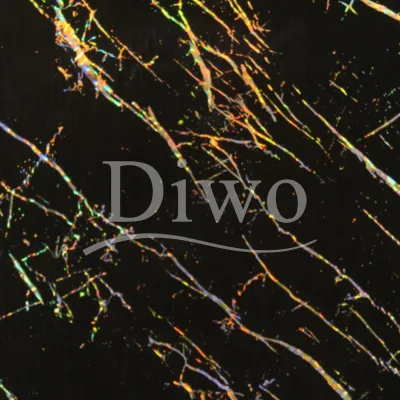


Clear Laser Film - 100 Micron Thickness with Easy Removable Adhesive
$0.80 - $2.50
MOQ: 1000 Square Meters
Comprehensive Sourcing Guide
Sourcing Strategy for Dazzling Laser Film for Furniture Applications
The procurement of Dazzling Laser Film for Furniture represents a specialized segment within the broader decorative film and packaging industry. Buyers seeking this specific aesthetic often require materials that combine visual impact with functional durability, such as resistance to moisture, wear, and environmental exposure. Based on the available market data, the sourcing landscape for these materials is diverse, ranging from general-purpose packaging films to highly customized decorative solutions. The following guide outlines the critical technical, compliance, and operational factors buyers must evaluate to secure high-quality laser films suitable for furniture manufacturing.
Technical Specifications and Material Composition
When evaluating dazzling laser films, the primary differentiator lies in the base material and the processing technology used to achieve the optical effect. The supplied data indicates that the market offers films based on Polyethylene Terephthalate (PET) and Polyethylene (PE) substrates. For furniture applications, where surface hardness and clarity are paramount, PET-based films are frequently observed. These films often undergo multiple extrusion processes or blow molding techniques to achieve the desired thickness and structural integrity.
Thickness is a critical specification that directly influences the film's application and durability. Market observations show a wide range of thicknesses, from 10 to 50 microns for standard decorative layers, extending up to 51-100 microns for heavy-duty protection or specialized applications. The width of these films is equally variable, with standard rolls available between 500mm and 2000mm. Buyers must verify if the specific laser film they require falls within the 12-50 micron range often cited for decorative purposes or if a thicker profile is necessary for surface protection.
The optical properties of the film are equally significant. While some products are described as opaque, others are transparent or available in a spectrum of colors including milky white, transparent, yellow, red, blue, green, black, and white. The "dazzling" effect is typically achieved through metallization or specific coating processes. Data suggests that metallized films are a common category, offering a reflective quality that enhances the laser pattern. Furthermore, the hardness of the film is generally noted as "soft," which is typical for flexible films but requires careful consideration during the lamination process on furniture surfaces to ensure proper adhesion without wrinkling.
Compliance, Certification, and Quality Standards
In the B2B procurement of decorative films, verifying compliance with international standards is non-negotiable. The market data confirms that many suppliers adhere to ISO certification standards, specifically ISO9001, which indicates a commitment to quality management systems. Additionally, third-party verification bodies such as SGS are frequently cited, providing an extra layer of assurance regarding product consistency and safety.
Buyers should be aware that while "ISO" is a common observation, the specific standard (e.g., ISO9001) must be confirmed for each supplier. The data also references specific product standards like "PE" for certain film types and custom standards defined by the customer ("customerized"). This implies that for specialized laser films, the standard may not be a generic industry norm but a bespoke agreement between the buyer and the manufacturer.
Safety and environmental compliance are also implied through the material choices. The presence of moisture-proof features and the use of materials like PET and PE suggest that these films are designed to withstand various environmental conditions. However, buyers must explicitly request documentation regarding the safety of the resins and coatings used, particularly if the furniture is intended for food-contact areas or medical settings, as some data points mention applications in "Medical Box" and "Food & Medicine Film" sectors.
Cost Drivers and Pricing Dynamics
The pricing of dazzling laser films is influenced by a complex interplay of factors, including material composition, customization levels, and order volume. The observed price range in the market is exceptionally broad, spanning from $0.12 to $1350 USD. This variance is not indicative of a single product type but rather reflects the difference between raw material costs, the complexity of the laser etching or metallization process, and the scale of the order.
The Minimum Order Quantity (MOQ) is a significant cost driver. Data shows MOQs ranging from as low as 1 unit to as high as 50,000 units. For small-scale furniture prototyping or custom boutique orders, buyers may face higher per-unit costs due to low MOQs. Conversely, large-scale manufacturing operations can leverage economies of scale by ordering in bulk, potentially accessing the lower end of the price spectrum.
Other cost factors include the specific processing type. Films requiring "Multiple Extrusion" or complex "Blow Molding" processes may incur higher manufacturing costs compared to standard extruded films. Additionally, the "Made to Order" nature of many specifications, including custom sizes and colors, adds a premium to the base price. Buyers should anticipate that highly customized features, such as specific printer support for Canon, Movajet, Mutoh, Mimaki, or HP, will also impact the final cost structure.
Typical Applications and Functional Requirements
The versatility of dazzling laser films is evident in their diverse application range. While the core keyword focuses on furniture, the data reveals that these films are utilized across multiple industries. Primary applications include clothing, textiles, cosmetic boxes, leather goods, and medical boxes. This cross-industry usage suggests that the films possess a high degree of flexibility and aesthetic adaptability.
For furniture specifically, the film serves dual purposes: decoration and protection. The "Surface Protection Film" category indicates that these materials are often used to shield furniture surfaces from scratches, dust, and moisture during transport and installation. The "Glass Protection Film" and "Industry" applications further support the use of these films in high-traffic or high-wear environments.
The functional requirements for furniture applications often include specific color profiles and transparency levels. The availability of colors like "Milky White" and "Transparent" allows for a range of design aesthetics, from modern minimalist to bold and vibrant. The "Light" release force mentioned in the data is particularly relevant for furniture assembly, as it ensures that the film can be easily removed after application without leaving residue or damaging the underlying surface. This is crucial for furniture that may require re-lamination or surface repair.
Supplier Evaluation and Operational Capabilities
Selecting the right supplier requires a rigorous evaluation of their operational capabilities and geographic footprint. The data indicates that the majority of suppliers are located in China, with specific mentions of Wuxi and Jiangsu provinces. These regions are known for their robust manufacturing infrastructure, particularly in the plastics and film industry.
Buyers should assess the supplier's ability to handle "Customized" orders. The data explicitly states that customization is available, and many products are "Made to Order" with specific dimensions and standards. This flexibility is essential for furniture manufacturers who may require unique film sizes or specific laser patterns to match their design specifications.
Packaging and logistics are also critical factors. The data lists various packaging methods, including "in Roll," "Suspended or Vertical Packaging," "Wood Pallet," "Cartons & Pallets," and "5-Ply Cardboard Carton." The choice of packaging depends on the film type and the shipping requirements. For fragile or high-value laser films, robust packaging like 5-ply cardboard or wood pallets is essential to prevent damage during transit.
Furthermore, the "Life Time" of the film is a key performance indicator. Some products are rated for 12 months inside and 6 months outside, which helps buyers plan for inventory management and product lifecycle expectations. Buyers should verify if the supplier can provide consistent quality over long production runs, as indicated by the "1000-6000m per roll" standard for certain products.
Quality Control and Long-Term Procurement Considerations
Ensuring consistent quality in dazzling laser film procurement requires a proactive approach to quality control. Buyers should implement a verification process that checks for the "Moisture Proof" feature, as this is a common attribute in the data and critical for furniture longevity. The "Transparency" level, whether opaque or transparent, must be verified against the design requirements to ensure the laser effect is visible and consistent.
Long-term procurement strategies should focus on building relationships with suppliers who offer "Customerized" standards and can adapt to changing market demands. The availability of printer support for various brands (Canon, Movajet, Mutoh, Mimaki, HP) suggests that the supply chain is integrated with digital printing technologies. Buyers should ensure that their internal printing capabilities align with the supplier's film specifications to avoid compatibility issues.
Finally, the "Feature" of being water-soluble, as noted in some product descriptions, may be relevant for specific eco-friendly furniture applications or temporary protection scenarios. Buyers must clearly define their needs regarding solubility and durability to avoid purchasing a product that does not meet their functional requirements. By maintaining a clear understanding of these technical and operational nuances, buyers can effectively navigate the complex market for dazzling laser films and secure high-quality materials for their furniture production lines.
Summary of Key Specifications and Attributes
To facilitate quick reference during the sourcing process, the following table summarizes the key technical attributes and specifications observed in the market data for dazzling laser films.
| Attribute Category | Observed Specifications & Options | Relevance to Furniture Sourcing |
|---|---|---|
| Material | PET, PE, Pet and Resin Coated | Determines durability and chemical resistance. |
| Thickness | 10~50 micron, 51-100 Microns, 12-50 micro | Affects flexibility and protection level. |
| Width | 500~2000mm | Determines roll coverage and waste reduction. |
| Transparency | Opaque, Transparent, Milky White | Critical for aesthetic design and laser visibility. |
| Hardness | Soft | Influences lamination ease and surface conformity. |
| Processing | Multiple Extrusion, Blow Molding | Impacts cost and film uniformity. |
| Certification | ISO, ISO9001, SGS | Ensures quality management and safety compliance. |
| Packaging | Roll, Wood Pallet, 5-Ply Cardboard | Protects film integrity during shipping. |
| Customization | Available, Made to Order, Customerized | Allows for specific design and size requirements. |
| Origin | China, Wuxi China, China Jiangsu | Indicates manufacturing hub and logistics planning. |
By adhering to these guidelines and leveraging the observed data, buyers can make informed decisions that balance cost, quality, and functionality when sourcing dazzling laser films for furniture applications.
FAQs
What materials are used for dazzling laser film?
The film is primarily made from PET or PE substrates. These materials undergo multiple extrusion or blow molding processes to achieve the required thickness and structural integrity for furniture applications.
Which certifications do suppliers typically hold?
Many suppliers hold ISO9001 and SGS certifications. These standards indicate a commitment to quality management systems and provide third-party verification regarding product consistency and safety for industrial use.
How thick are the available laser films?
Thickness ranges from 10 to 50 microns for standard decorative layers and up to 51-100 microns for heavy-duty protection. Specific models may also fall within the 12-50 micron range for specialized uses.
Can the film be customized for specific needs?
Yes, customization is available for size, color, and standards. Buyers can request made-to-order dimensions and specific printer support to match unique furniture design requirements and production workflows.
Where are the main suppliers located?
Most suppliers are located in China, with specific hubs in Wuxi and Jiangsu provinces. These regions offer robust manufacturing infrastructure for plastics and film production to serve global furniture markets.
What packaging options are used for shipping?
Packaging includes rolls, suspended vertical packaging, wood pallets, and 5-ply cardboard cartons. The choice depends on the film type and shipping requirements to prevent damage during transit.