Source DC 12V Mini LED Module for Lighting, Signs, and Displays
Find and compare 30 DC 12V Mini LED Module options from China. Evaluate specifications like IP67 waterproofing, 2835 LED chips, and CE certification to select the right components for your project; compare the available evidence and request quotations based on your requirements.
Key considerations
Products List


LED Module 1.2W Injection LED Modules 1LED 3030 Side-Emitting Module 12V
$0.08 - $0.20
MOQ: 1000 Pieces

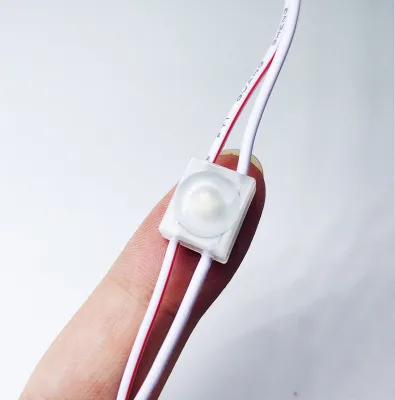
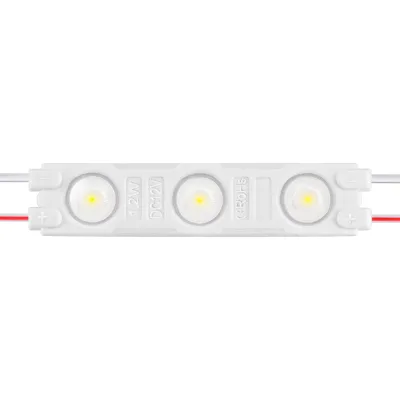


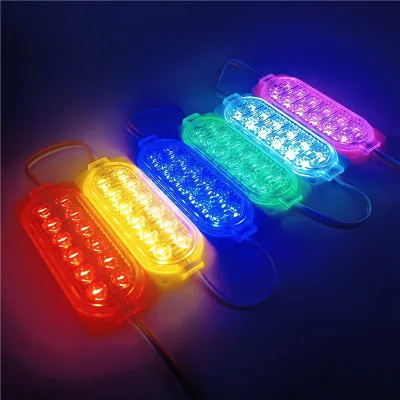
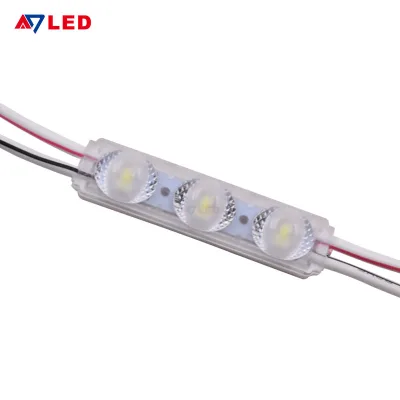
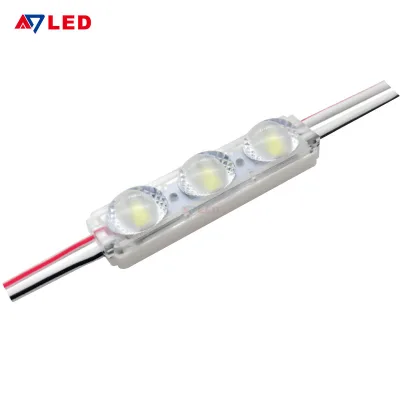
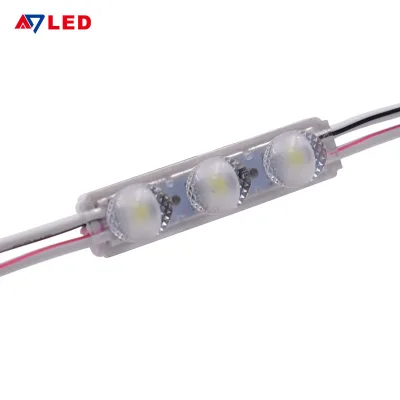
High Quality 3 Lens LED Modules 12V 0.72W IP66 Waterproof CE Approved for UL 2 LED Module
$0.30 - $0.33
MOQ: 50 pieces


Comprehensive Sourcing Guide
DC 12V Mini LED Module Sourcing Guide
Procuring DC 12V mini LED modules requires careful attention to the specific voltage requirements and physical dimensions that define this category. Buyers must distinguish between modules designed for low-voltage DC operation and those requiring AC conversion, as the supplied data indicates a clear focus on 12V DC systems. The observed product range includes various models like S-3209 and S-3203H, which operate at specific power levels ranging from 0.3W to over 1W per LED. Understanding these electrical baselines is the first step in ensuring compatibility with existing power supplies and control systems.
The market offers significant customization options, allowing buyers to tailor dimensions and light output to specific project needs. While some listings specify standard sizes like 71x18mm, others offer flexible configurations such as 1, 2, or 3 LEDs per unit. This variability means that a single procurement strategy cannot cover all potential use cases. Buyers should verify the exact housing material, such as PC, and confirm the waterproof grade, which ranges from non-waterproof to IP67, depending on the intended installation environment.
Product Scope and Observed Listing Signals
The observed product listings reveal a diverse range of specifications, including different LED chip types like 2835 SMD and varying emitting colors such as white. Buyers will encounter modules with distinct power consumptions, from 0.001W to 1W, and luminous flux values that can reach up to 150 lumens per module. These signals indicate that the market is segmented by performance tiers, requiring buyers to match the specific brightness and power needs of their application before selecting a supplier.
Listing signals also highlight variations in physical attributes, such as viewing angles of 170 degrees and specific string quantities like 20 pieces per string. Some products are explicitly marked as waterproof, while others are not, creating a critical decision point for outdoor versus indoor applications. The presence of different model numbers and dimensions suggests that buyers must cross-reference their mechanical constraints with the available product data to avoid integration issues during installation.
Technical Specifications to Verify
Verifying the LED chip type and power consumption is essential for ensuring the longevity and efficiency of the lighting system. The data shows a prevalence of 2835 chips, but buyers must confirm the actual wattage, as some listings indicate 0.3-0.5W while others specify 1W or more. This variance directly impacts heat dissipation requirements and the necessary driver capacity, making it a primary technical parameter to validate before placing an order.
Dimensional accuracy and waterproof ratings are equally critical for physical integration and environmental protection. Buyers should check if the module dimensions match the available space, noting observed sizes like 71x12mm or 75x16mm. Furthermore, the IP rating must be confirmed against the installation environment, as some products offer IP67 protection while others lack waterproofing entirely. Ensuring the working temperature range of -10 to 60 degrees is compatible with the local climate is also a necessary verification step.
Compliance and Safety Documentation
Safety compliance is a non-negotiable aspect of sourcing, with several listings citing standards such as CE and RoHS. Buyers must request proof of these certifications to ensure the products meet international safety and environmental requirements. The presence of specific safety standards like EN62031-2018 indicates a focus on electrical safety, but verification of the actual test reports is necessary to confirm that the specific batch of goods adheres to these regulations.
Color rendering and light decay characteristics are also part of the compliance and quality assurance picture. While some data points suggest a Color Rendering Index of 80ra and light decay of less than 5% over three years, these figures should be treated as observations rather than guaranteed specifications for every unit. Buyers should require detailed test data from the supplier to validate these performance claims, ensuring that the lighting quality remains consistent over the expected lifespan of the product.
Cost Drivers and Commercial Terms
The cost of DC 12V mini LED modules is influenced by factors such as customization, waterproofing, and the specific LED chip quality. The observed price range of 0.05 to 3 USD suggests a wide spectrum of value, where higher prices may correlate with better waterproof grades or longer warranty periods. Buyers need to balance the initial unit cost against the total cost of ownership, considering that cheaper, non-waterproof options may incur higher replacement costs in harsh environments.
Minimum Order Quantities (MOQ) and lead times are significant commercial variables that affect procurement planning. The observed MOQ range spans from 2 to 5000 units, offering flexibility for small projects but potentially limiting bulk discounts for larger orders. Buyers should negotiate terms that align with their inventory strategy, ensuring that the supplier can meet delivery schedules without compromising on the quality of the customized or standard modules required for the project.
Supplier Qualification and Quality Control
Supplier qualification involves verifying the origin and manufacturing capabilities of the provider, with most data pointing to origins in China and Shenzhen. Buyers should assess the supplier's ability to provide consistent quality across different batches, especially when dealing with customized orders. The availability of a 3 to 5-year warranty on some products suggests a level of confidence in the manufacturing process, but this should be backed by a clear quality control protocol and after-sales support structure.
Quality control measures must include rigorous testing of electrical parameters and physical durability. Buyers should inquire about the supplier's internal testing procedures for voltage stability, waterproof integrity, and light output consistency. Given the variation in observed specifications, a robust QC process is essential to ensure that the delivered modules match the agreed-upon technical parameters, minimizing the risk of field failures and maintaining the overall reliability of the lighting installation.
Long-Term Procurement Checks
Long-term procurement success depends on monitoring the light decay and life time of the modules over extended periods. While some listings claim a life time of more than 4 years and light decay of less than 5%, these figures require ongoing verification to ensure they hold true in real-world conditions. Buyers should establish a schedule for periodic performance checks to detect any premature degradation and address potential issues before they impact the entire lighting system.
Maintaining a relationship with a reliable supplier is crucial for ensuring consistent supply and support over the product's lifecycle. Buyers should verify the supplier's ability to provide replacement parts or modules that match the original specifications, especially for customized orders. Regular communication regarding updates in standards or technology can also help buyers stay ahead of potential obsolescence and ensure that their lighting solutions remain compliant and efficient for years to come.
FAQs
What is the voltage rating for these LED modules?
The modules operate on a DC12V power supply. This low voltage ensures safe installation in various applications. Some variants support 9V SMD 2835 chips as well. Always verify the specific model requirements before connecting to a power source to ensure compatibility and optimal performance for your project needs.
Are these LED modules waterproof?
Waterproof capabilities vary by model. Some units feature an IP67 rating with PC housing for outdoor use. Others are listed as not waterproof. Check the specific product model, such as S-3209 or NJSLM, to confirm if it meets your environmental protection requirements before purchasing for exposed installations.
What certifications do these modules have?
Many modules hold CE and RoHS certifications, ensuring compliance with safety and environmental standards. Some also meet the En62031-2018 safety standard. These certifications verify product quality and safety. Always request documentation from suppliers to confirm specific standards for your target market or regulatory requirements.
What is the expected lifespan of these LEDs?
The modules typically offer a lifespan of more than four years. Light decay is minimal, often less than five percent over three years. Some specifications indicate a five-year warranty. These figures depend on operating conditions. Proper heat dissipation and stable voltage help maintain longevity and consistent brightness.
Can I customize the LED module specifications?
Customization is available for many models. You can often adjust dimensions, such as 71x18mm or 42x10mm, and LED counts. Options include 1, 2, or 3 LEDs per unit. Contact suppliers directly to discuss specific requirements for color temperature, brightness, or housing materials to tailor the product to your needs.
What is the typical viewing angle?
The standard viewing angle is approximately 170 degrees. This wide angle provides broad illumination coverage. It is suitable for general lighting applications. Some models may vary slightly. Check the specific product datasheet for precise angular measurements to ensure adequate light distribution for your intended installation area.