Source Decorative Ceiling Expansion Bolt Hook for Home, Office, Retail
Compare 30 listings for the Decorative Ceiling Expansion Bolt Hook from verified Chinese manufacturers. Buyers can evaluate materials like stainless steel and carbon steel, finishes such as zinc plating, and certifications including ISO and CE to find the right anchor for building and machinery applications.
Key considerations
Products List






Comprehensive Sourcing Guide
Strategic Sourcing Guide for Decorative Ceiling Expansion Bolt Hooks
Understanding Product Variants and Technical Specifications
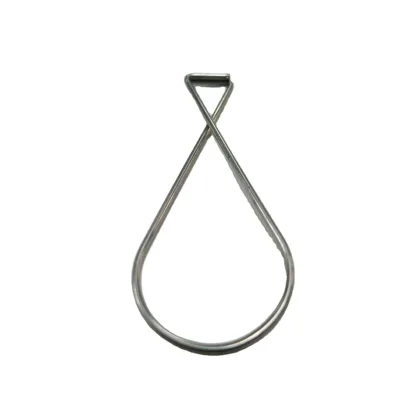
The market for decorative ceiling expansion bolt hooks presents a complex landscape where aesthetic requirements must align with rigorous structural performance. Buyers researching this core keyword must first distinguish between the various functional categories that often overlap in product listings. The observed data indicates a spectrum of product types ranging from simple "Ceiling Cup Hooks" to specialized "Tie Wire Ceiling Anchors" and "Ceiling Anchor with Eye" configurations. These distinctions are not merely semantic; they dictate the mechanical load capacity and the specific installation method required for a given project.
A critical observation in the current supply chain is the diversity in material composition. While some listings specify "Stainless Steel" for superior corrosion resistance, others explicitly list "Carbon Steel" or generic "Metal" as the primary material. This variance directly influences the product's suitability for different environments. For instance, Carbon Steel products often require specific surface treatments to prevent rust, whereas Stainless Steel offers inherent durability. The material grade is another critical variable, with observed specifications ranging from Grade 4 to Grade 8. Buyers must verify that the selected grade matches the tensile strength requirements of their specific application, as Grade 8 materials typically offer higher load-bearing capabilities compared to lower grades.
The dimensional specifications further complicate the selection process. The standard size range observed spans from M6 to M8 for thread diameters, with some products covering a broader range of 0-16#. Lengths vary significantly, with specific models offering lengths between 40mm and 65mm, while others provide a standard range of 11mm to 60mm. The physical height of the hook itself is also a key metric, with some units measuring exactly 65mm. When sourcing, procurement teams must cross-reference these dimensions against the ceiling thickness and the weight of the intended hanging load. A mismatch in the standard thread size, such as selecting an M6 hook for a M8 requirement, can lead to installation failure.
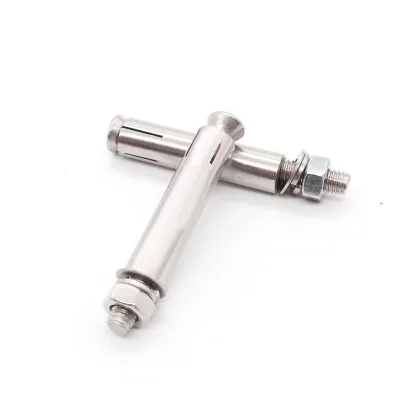
Furthermore, the connection mechanism is a vital technical consideration. The data highlights "Common Bolt" as a primary connection type, but the presence of "Tie Wire" and "Bolt Anchor" variants suggests different engagement strategies with the substrate. The "Screw-1" model number indicates a specific screw-based engagement, while other models may rely on expansion principles. Understanding whether the product is a direct screw-in anchor or an expansion bolt is essential for determining the drilling requirements and the torque needed during installation.
Compliance and Certification Verification
In the realm of construction hardware, compliance is not optional; it is a fundamental requirement for safety and liability protection. The observed product data includes a range of certifications, with ISO, GS, RoHS, and CE appearing frequently. Additionally, ISO9001 is noted as a specific quality management standard for certain listings. These certifications serve as indicators that the manufacturer has undergone third-party audits regarding their production processes and product safety. However, buyers must treat these as observations of specific listings rather than universal guarantees for all products in the category.
The verification of standards is equally critical. The supply chain data references a robust set of international and national standards, including GB (Guobiao), DIN (Deutsches Institut für Normung), JIS (Japanese Industrial Standards), BSW (British Standard Whitworth), and ANSI (American National Standards Institute). The presence of multiple standards in a single listing suggests that the manufacturer is capable of producing to various regional requirements. For example, a product compliant with DIN and GB standards may be suitable for European and Chinese markets, while ANSI compliance is necessary for North American projects.
Buyers must exercise caution when interpreting certification claims. The data shows that some products list "Certification: ISO, GS, RoHS, CE" while others list only "ISO9001." This inconsistency implies that not every product in the category carries every certification. Procurement teams should request specific test reports or certificates of conformity for the exact model number being purchased. Relying on a general category claim without verifying the specific unit's documentation can lead to non-compliance issues during regulatory inspections.
The "ASTM E488" standard is mentioned in the background data, though it is flagged as low-confidence for concrete claims. This suggests that while some manufacturers may claim adherence to American testing standards, the specific data provided does not definitively confirm this for the majority of the listed products. Therefore, buyers should prioritize products that explicitly list the relevant standard for their target market, such as DIN for Europe or ANSI for the US, rather than assuming compliance based on general market knowledge.
Cost Drivers and Pricing Dynamics
The pricing structure for decorative ceiling expansion bolt hooks is influenced by several distinct factors, creating a wide range of potential costs for buyers. The observed price range in the market is noted as 0-15 USD, which indicates a high degree of variability. This range likely reflects differences in material quality, order volume, and the complexity of the manufacturing process. Lower prices may correspond to basic Carbon Steel models with standard zinc plating, while higher prices within this range could reflect Stainless Steel variants or those with specialized plating finishes like Gold, Rose Gold, or Colored options.
Material selection is a primary cost driver. Stainless Steel is generally more expensive than Carbon Steel due to the raw material costs and the more complex processing required to maintain its corrosion-resistant properties. Similarly, the grade of the steel impacts the price; Grade 8 materials command a premium over Grade 4 due to their enhanced mechanical properties. Surface finishing also plays a significant role. While Zinc Plated is a standard and cost-effective finish, specialized plating options such as Silver, Gold, Black, or Rose Gold involve additional electroplating steps and material costs, which will be reflected in the unit price.
Order volume is another critical determinant of cost. The Minimum Order Quantity (MOQ) varies widely, with observed ranges from 1 to 100,000 units. A specific listing notes an MOQ of 50 pieces, while others may require bulk purchases to achieve competitive pricing. Buyers purchasing small quantities, such as single items or small batches, may face higher per-unit costs compared to those placing large industrial orders. The "Selling Units" data indicates that some suppliers offer single-item sales, which is convenient for prototyping but less economical for large-scale deployment.
Customization is a significant factor that can increase costs. The availability of customization options, including logo printing, engraving, stamping, and label printing, adds value but also incurs additional setup and production fees. The "Customized" attribute confirms that these modifications are possible, but buyers should anticipate a price premium for bespoke designs. Additionally, packaging requirements, such as "Inner Box&Outer Carton&Pallet" versus "100PC/Poly Bag," can influence the final landed cost, especially for international shipping.
Typical Applications and Industry Use Cases
The versatility of decorative ceiling expansion bolt hooks allows them to serve a wide array of applications across multiple industries. The data explicitly lists applications in Machinery, Chemical Industry, Environmental sectors, and Building construction. This broad applicability underscores the importance of selecting the right product variant for the specific environment in which it will be deployed.
In the Building sector, these hooks are frequently used for hanging lighting fixtures, decorative elements, and signage. The "Ceiling Cup Hook" and "Ceiling Anchor with Eye" models are particularly suited for residential and commercial interior design projects where aesthetics are paramount. The availability of various plating colors, including Metallic, Silver, and Gold, allows architects and designers to match the hardware to the interior decor. The "Height: 65mm" specification suggests that these hooks are designed to accommodate specific ceiling depths or to provide adequate clearance for hanging loads.
For industrial applications, such as the Machinery and Chemical Industry, the focus shifts from aesthetics to durability and load-bearing capacity. In these environments, Carbon Steel anchors with Zinc Plated finishes are often preferred for their strength and resistance to wear. The "Tie Wire Ceiling Anchor" and "Bolt Anchor" types are likely used for securing heavy equipment or piping systems. The "Standard: M6-M8" and "Length: 40-65mm" specifications indicate that these products are engineered to handle significant mechanical stress.
The Environmental sector may utilize these hooks for outdoor installations or in facilities requiring strict corrosion resistance. In such cases, Stainless Steel models with high-grade certifications become essential. The "Application: Environmental" tag suggests that these products are tested for performance in conditions that may involve moisture, chemicals, or fluctuating temperatures. Buyers in this sector must prioritize products with robust certifications like RoHS and CE to ensure compliance with environmental safety regulations.
Supplier Evaluation and Origin Analysis
Evaluating suppliers for decorative ceiling expansion bolt hooks requires a careful analysis of their geographic origins and production capabilities. The data indicates that products originate from several key manufacturing hubs in China, including Jiangsu, Shanghai, and Guangdong. Each of these regions has a distinct reputation for manufacturing excellence. Jiangsu and Guangdong are known for their advanced industrial infrastructure and high-volume production capabilities, while Shanghai often serves as a hub for high-precision engineering and export logistics.
When assessing a supplier, buyers should verify the "prod_origin" and "place of origin" details provided in the product listings. A supplier claiming origin in Jiangsu may have different quality control standards compared to one based in Shanghai. It is crucial to confirm that the supplier's stated location matches their actual production facilities to avoid potential issues with counterfeit goods or substandard manufacturing.
The "brand name" field, with "CN-POS" observed in the data, suggests that some suppliers operate under their own brand identities. However, many products may be unbranded or generic. Buyers should be wary of suppliers who cannot clearly identify their brand or manufacturing location. A transparent supplier will provide detailed information about their factory, including their capacity to handle custom orders and their track record with international clients.
Another key factor in supplier evaluation is the availability of samples. The data notes that "Sample: Free" is an attribute for some listings. This is a positive indicator of a supplier's confidence in their product quality and their willingness to engage in a trial period. Buyers should utilize free sample programs to physically inspect the product for finish quality, thread accuracy, and material integrity before committing to a large order.
Quality Control and Long-Term Procurement Strategy
Implementing a robust quality control (QC) strategy is essential for ensuring the reliability of decorative ceiling expansion bolt hooks over the long term. The observed data highlights various finishing processes, such as "Zinc Plated" and "Color-Zinc Plated," which are critical for preventing corrosion. Buyers should establish clear acceptance criteria for these finishes, ensuring that the plating thickness and adhesion meet the required standards for the intended environment.
Inspection protocols should include visual checks for surface defects, such as scratches, uneven plating, or burrs on the threads. Dimensional verification is also necessary to confirm that the product matches the specified "Standard: M6" or "Length: 40-65mm" requirements. For high-volume orders, implementing a third-party inspection service can provide an additional layer of assurance, verifying that the production batch meets the agreed-upon specifications before shipment.
Long-term procurement considerations involve building a sustainable relationship with suppliers who can consistently deliver high-quality products. The "Customization: Available" attribute suggests that suppliers are flexible, but buyers must ensure that this flexibility does not compromise quality. Establishing clear communication channels and defining quality expectations in the purchase order is vital. Additionally, buyers should consider the "prod_packing" methods, such as "Neutral Packing" or "Box," to ensure that products arrive without damage during transit.
Finally, buyers should plan for the lifecycle of the product. In applications where the hooks are exposed to harsh conditions, the longevity of the plating and the material grade will determine the maintenance frequency. Selecting high-grade materials and verified certifications initially can reduce long-term costs associated with replacements and repairs. By focusing on quality and compliance from the outset, procurement teams can secure a reliable supply chain for their Decorative Ceiling Expansion Bolt Hook needs.
FAQs
What certifications are available for these hooks?
Available certifications include ISO, GS, RoHS, CE, and ISO9001. Buyers must verify specific test reports for the exact model, as not every listing carries every certification.
Which materials are used for these ceiling hooks?
Products are made from Stainless Steel, Carbon Steel, or generic Metal. Carbon Steel grades range from 4 to 8, while Stainless Steel offers superior corrosion resistance for specific environments.
Can I customize the logo and plating on these hooks?
Customization is available for logos via printing, engraving, stamping, or label printing. Plating options include Silver, Gold, Black, Rose Gold, and Colored finishes to match aesthetic requirements.
What are the standard dimensions for these anchors?
Standard sizes range from M6 to M8 with lengths between 40mm and 65mm. Some models offer a broader range of 11mm to 60mm, requiring careful selection for ceiling thickness.
How much is the minimum order quantity for these items?
The observed MOQ range is 1 to 100,000 units, with some specific listings requiring 50 pieces. Bulk purchases often yield better pricing compared to single-item sales.
Where are these products manufactured in China?
Products originate from Jiangsu, Shanghai, and Guangdong provinces. Buyers should verify the specific origin to ensure alignment with the supplier's actual production facilities and quality standards.