Source Automatic Retractable Power Running Boards for SUVs, Trucks, and Off-road Vehicles
Explore 30 listings for Automatic Retractable Power Running Boards designed for SUVs, trucks, and off-road vehicles. Buyers can compare specifications, materials, and installation methods from verified suppliers in China to find the right fit for their fleet needs.
Key considerations
Products List
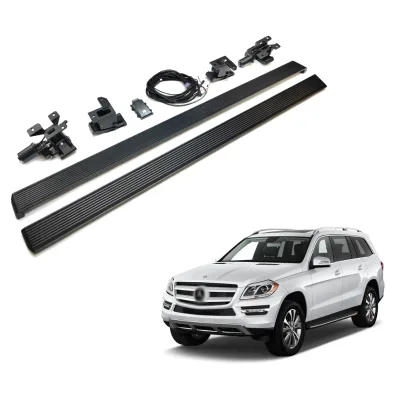
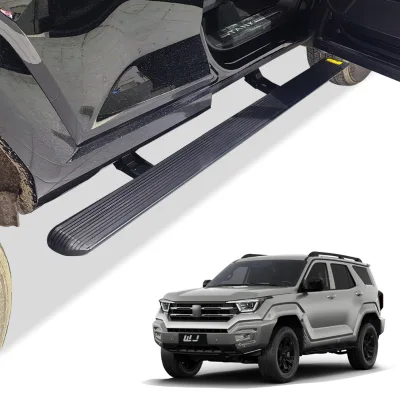
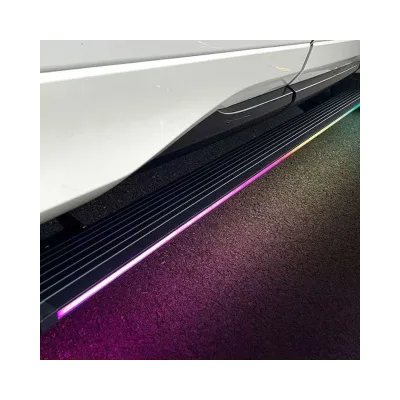
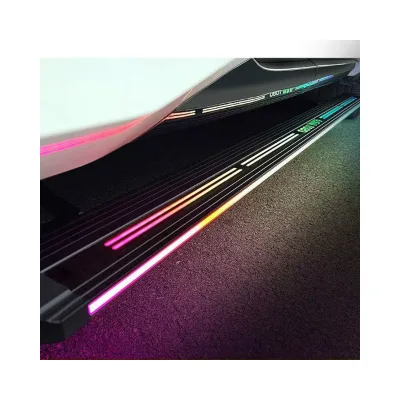
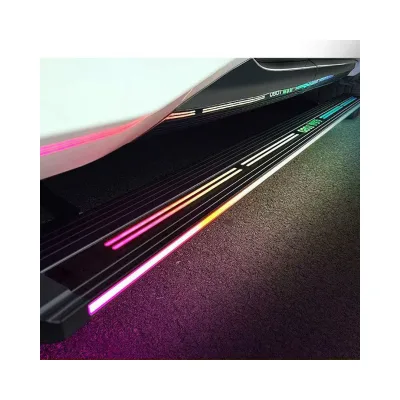









Comprehensive Sourcing Guide
Strategic Sourcing Guide for Automatic Retractable Power Running Boards
Understanding Product Variants and Technical Specifications
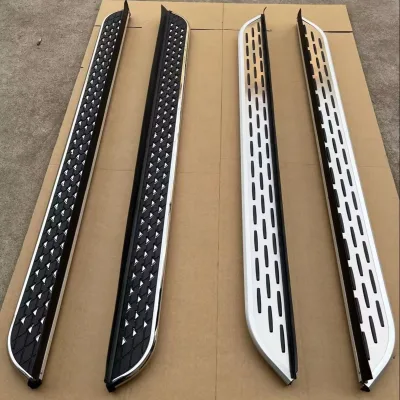
The market for Automatic Retractable Power Running Boards presents a diverse array of configurations, requiring buyers to distinguish between mechanical and electrically driven systems. Based on current industry observations, these products are generally categorized by their deployment mechanism and structural composition. The core technology involves a motorized system that extends the running board upon vehicle entry and retracts it upon exit, a feature explicitly identified in the supply data as "Electric" and "Retractable Products." This functionality is critical for SUVs and trucks where ground clearance is a priority, yet passenger accessibility is required.
Material composition is a primary differentiator among available units. The supply chain data indicates a prevalent use of "Aluminum Alloy" combined with "PP Plastic" or "PP" components. Aluminum alloy is favored for its high strength-to-weight ratio, which is essential for the structural integrity of the running board while minimizing the load on the vehicle's suspension and the motor's power requirements. Some listings specify "Aluminum Alloy" as the sole material, while others denote a composite construction. The choice of material directly influences the product's resistance to corrosion, impact durability, and overall weight.
Dimensions and fitment are equally critical. The observed data reveals significant variance in physical specifications, with sizes ranging from specific measurements like "212" or "2183626" to "custom" dimensions. This variability underscores the necessity for precise vehicle mapping. The "Position" is consistently noted as a "full set" or "Electric pedal," indicating that buyers must procure complete assemblies rather than individual components. Furthermore, the "Style" varies between "Luxury" and standard functional designs, suggesting that aesthetic integration with the vehicle's body lines is a key purchasing factor. The "Color" is predominantly observed as "black," though customization options are available, allowing for brand alignment or specific vehicle matching.
Compliance, Waterproofing, and Safety Standards
When evaluating automatic running boards, environmental resistance and safety certifications are paramount. The supply data explicitly highlights a "Waterproof" rating of "IP 67" for certain units. This rating signifies that the product is dust-tight and can withstand immersion in water up to 1 meter for 30 minutes. For a component that operates in the undercarriage area and is exposed to road spray, rain, and washing, this level of protection is a vital benchmark. Buyers should verify that the IP rating applies to the motor housing and the electrical connectors, as these are the most vulnerable points for water ingress.
Installation methodology is another critical compliance and safety factor. The data frequently cites "no drill" or "no drilling" installation. This implies a bolt-on or clamp-on design that utilizes existing vehicle mounting points. This approach is preferred for preserving the vehicle's structural integrity and warranty. However, the term "Manufacturer" under "Car Fitment" suggests that some units are designed for specific makes, while others may be universal. Buyers must ensure that the "OEM" (Original Equipment Manufacturer) status is clearly defined. A "Yes" for OEM indicates the product is designed to meet specific vehicle manufacturer standards, whereas a generic fitment may require additional modification.
Quality assurance in this sector often references "High Performance" or "excellent" quality descriptors. While these are subjective terms, they often correlate with rigorous testing of the motor's cycle life and the structural load-bearing capacity. The "Standard" field in the data mentions "36kg," which likely refers to a specific load-bearing test or weight limit. Buyers should request documentation proving that the running board can support the dynamic load of an adult passenger without structural failure or motor stall. Additionally, the "Single gross weight" varies significantly, from "25.0 kg" to "40kg," indicating differences in build density and motor power. Heavier units may offer better stability but place more stress on the vehicle's mounting points.
Cost Drivers and Pricing Structures
The pricing landscape for Automatic Retractable Power Running Boards is influenced by several variable factors, including material quality, motor technology, and customization levels. The observed price range in the market spans from approximately $0.73 to $9,999. This extreme variance suggests a mix of low-cost generic components and high-end, vehicle-specific luxury systems. The lower end of the spectrum may represent basic models or components sold in bulk, while the upper end likely includes fully integrated systems with advanced electronics, custom branding, and specialized fitment for premium vehicles.
Minimum Order Quantity (MOQ) is a significant cost driver for procurement planning. The data shows an MOQ range from "1 Set" to "10 Sets" or "10SETS." A lower MOQ of "1 Set" allows for smaller retailers or fleet operators to test products without significant capital outlay, whereas an MOQ of "10 Sets" indicates a wholesale or bulk manufacturing model. Buyers must calculate the total landed cost, which includes the unit price multiplied by the MOQ, plus shipping, duties, and any customization fees. The "Single package size" varies from "60X60X30 cm" to "237X34.5X23 cm," directly impacting freight costs. Larger packages require more shipping volume, which can erode margins on lower-priced items.
Customization is another factor that influences cost. The data indicates that "Customized Logo" and "Customization" are available. Adding a custom logo or altering the finish to match a specific vehicle brand will incur additional tooling or setup fees. The "Brand Name" field shows entries like "weijia" and "wangzhixing," suggesting that branded products may carry a premium over unbranded or generic equivalents. Buyers should also consider the "Delivery time," which is listed as "7-15 Days." Longer lead times can impact inventory management and cash flow, potentially increasing the effective cost of capital for the procurement cycle.
Typical Applications and Vehicle Fitment
Automatic Retractable Power Running Boards are primarily designed for vehicles with high ground clearance, such as SUVs, trucks, and off-road vehicles. The data explicitly mentions "Toyota" and "Volvo" as suitable car brands, alongside specific models like the "4Runner" and "GMW Tank 400." This indicates that the market serves a broad spectrum of manufacturers, from mass-market Japanese brands to luxury European marques and specialized off-road vehicles. The "Model Number" field further confirms this specificity, with codes like "001" and "4Runner" suggesting tailored engineering for specific chassis geometries.
The "Position" of the running board is typically on the side of the vehicle, providing a step for entry and exit. The "Style" being "Retractable Products" means the board is hidden when not in use, maintaining the vehicle's aerodynamic profile and preventing interference with off-road obstacles. This is particularly important for vehicles like the "Tank 400," which are designed for rugged terrain where a fixed running board could be damaged. The "Installation" method of "no drill" is crucial for these applications, as it allows for easy removal or replacement without compromising the vehicle's body structure.
Buyers must verify the "Car Fitment" details against their specific inventory or target market. While some products are labeled as "Manufacturer" fitment, implying a direct match, others may require verification of mounting points and electrical integration. The "Single package size" and "Weight" data suggest that these units are substantial, requiring careful handling during installation. The "Color" being predominantly "black" aligns with the aesthetic preferences of most off-road and utility vehicles, but the availability of "Customized Logo" allows for branding opportunities for fleet operators or specialized dealerships.
Supplier Evaluation and Geographic Considerations
The geographic origin of suppliers is a key factor in evaluating reliability and logistics. The data identifies "Guangdong, China," "Henan, China," and "Foshan, China" as primary production hubs. Guangdong and Foshan are known for their robust manufacturing ecosystems, particularly in automotive accessories and aluminum processing. Henan is also a significant industrial center. Buyers should assess the supplier's location relative to their logistics network, as proximity to major ports can reduce shipping times and costs.
Supplier evaluation should focus on the consistency of product attributes. The data shows variations in "Single gross weight" and "Single package size" for similar products, which may indicate different production batches or suppliers. A reliable supplier should provide consistent specifications across all units. The "Quality" descriptors like "High Performance" and "excellent" should be backed by tangible evidence, such as test reports or customer references. The presence of "OEM: Yes" suggests that the supplier has experience working with original equipment manufacturers, which is a positive indicator of manufacturing capability.
The "Brand Name" field lists specific names like "weijia" and "wangzhixing." While buyers should not rely on brand names alone, the existence of established brands suggests a level of market presence and accountability. Buyers should verify the supplier's ability to provide after-sales support, including warranty claims and replacement parts. The "Delivery time" of "7-15 Days" is a standard benchmark, but buyers should confirm if this is a guaranteed timeframe or an estimate. Consistency in lead times is crucial for maintaining inventory levels and meeting customer demand.
Quality Control and Long-Term Procurement Strategies
Effective quality control for Automatic Retractable Power Running Boards requires a multi-faceted approach. Buyers should prioritize suppliers who can demonstrate compliance with the "IP 67" waterproof standard through third-party testing. This is not merely a marketing claim but a functional requirement for long-term durability. The structural integrity of the "Aluminum Alloy" construction must be verified to ensure it can withstand the dynamic loads of repeated use. The "Weight" of the product, ranging from 25kg to 40kg, must be consistent with the design specifications to ensure the motor can operate the mechanism reliably without overheating or stalling.
Long-term procurement strategies should focus on building relationships with suppliers who offer "Customization" and "OEM" capabilities. This flexibility allows buyers to adapt to changing market demands and vehicle models. The availability of "Customized Logo" services enables buyers to create a unique brand identity for their products. Additionally, buyers should establish clear communication channels regarding "Delivery time" and "MOQ" to manage inventory effectively. The "Packing" method, described as "Normal" in the data, should be reviewed to ensure it protects the product during transit, especially given the large "Single package size" of some units.
Buyers should also consider the "Style" and "Color" options in the context of market trends. While "black" is the dominant color, the availability of other options or custom finishes can provide a competitive advantage. The "Type" of installation, specifically "no drilling," should be a non-negotiable requirement to maintain vehicle integrity. Finally, buyers should monitor the "Quality" of the "Electric" components, as these are the most likely points of failure. Regular audits and sample testing are essential to ensure that the products delivered meet the high standards expected in the automotive aftermarket sector. By adhering to these rigorous evaluation criteria, buyers can secure a reliable supply of high-quality Automatic Retractable Power Running Boards that meet the demands of their customers.
FAQs
How is the installation performed on these running boards?
Installation requires no drilling, utilizing existing vehicle mounting points for a bolt-on fit. This method preserves the vehicle's structural integrity and warranty while ensuring a secure attachment for the aluminum alloy and PP plastic assembly.
What is the minimum order quantity for purchasing these units?
The minimum order quantity varies between 1 Set and 10 Sets depending on the specific supplier and product model. Buyers should verify the exact MOQ before ordering to ensure it aligns with their inventory planning and budget constraints.
Which waterproof rating do these electric running boards typically have?
Certain models feature an IP 67 waterproof rating, ensuring they are dust-tight and resistant to water immersion up to one meter. This protection is critical for components operating in the undercarriage area exposed to road spray and rain.
Can these running boards be customized with specific logos or colors?
Yes, customization is available for logos and colors to match specific vehicle brands or fleet requirements. Buyers can request tailored finishes and branding, though this may involve additional setup fees and affect the final delivery timeline.
How long does delivery typically take from the manufacturer?
The standard delivery time ranges from 7 to 15 days after order confirmation. This lead time applies to production and initial shipping, though actual arrival dates depend on the specific supplier location and logistics arrangements.
What materials are used to construct these retractable running boards?
These units are primarily constructed from aluminum alloy combined with PP plastic for durability and weight reduction. Some listings specify aluminum alloy as the sole material, offering high strength-to-weight ratios essential for motorized operation.