Source Decorative Aluminum Mirror Sheet for Decorations, Cages, and Construction
Explore 30 listings for the Decorative Aluminum Mirror Sheet, comparing options like polished sheets, galvanized wire mesh, and mirror glass. Buyers can evaluate specifications including thickness, shape, and surface treatments to find suitable materials for various industrial and decorative projects.
Key considerations
Products List


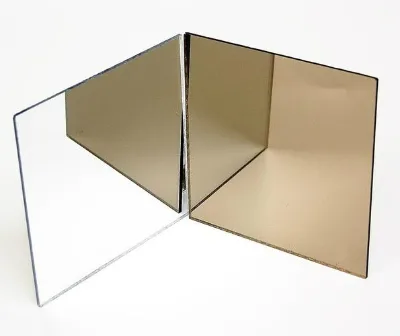

3-6mm Single Coated Aluminum Mirror Glass Sheet for Decorative Mirror
$2.50 - $6.00
MOQ: 2000 Square Meters


Customizable Modern Aluminum Mirror Glass Sheets 1-5mm Thickness for Bathroom Mirror
$1.99 - $5.99
MOQ: 100 Meters


Mirror Aluminum Reflective Sheet for Lighting 1050/1060/1070/1100/1200
$2400.00 - $2450.00
MOQ: 5 Tons


Color Polished Silver Mirror Aluminum Mirror Glass Sheets Custom Size
$1.30 - $6.50
MOQ: 500 Square Meters


Comprehensive Sourcing Guide
Strategic Sourcing Guide for Decorative Aluminum Mirror Sheets
Understanding Product Variants and Material Composition
The procurement of decorative aluminum mirror sheets requires a clear distinction between the base material and the specific surface treatment that defines the final aesthetic. In the current market, the core keyword often encompasses products where the substrate is aluminum, yet the supply chain frequently lists mixed categories including stainless steel and glass. Buyers must verify that the specific order is for an aluminum substrate, as the properties of stainless steel or float glass differ significantly in weight, malleability, and corrosion resistance. The supplied data indicates that aluminum coils and sheets are available in the 1000 Series, which are classified as non-alloy materials. This series, including specific models such as 1050, 1060, and 1100, offers high purity and excellent reflectivity, making them ideal for decorative applications where a bright, mirror-like finish is required.
Conversely, the market also lists 6000 Series aluminum, which is an alloyed material often used for structural strength rather than pure decorative reflection. When sourcing, the buyer must explicitly confirm the alloy series. The 1000 Series is preferred for its ease of polishing and superior optical clarity, whereas the 6000 Series might be selected if the application requires higher tensile strength. The product shape is available in various forms, including sheets, coils, and strips, as well as flat configurations. For decorative projects, the flat sheet format is typically the most practical for installation, though coils may be necessary for continuous wrapping or large-scale manufacturing processes. The surface treatment is a critical differentiator; the target product must be polished to achieve the mirror effect. While some listings mention galvanized treatments, these are generally associated with wire mesh or construction wire rather than the high-gloss finish required for decorative mirrors. Therefore, the procurement specification must explicitly demand a polished surface treatment to ensure the desired aesthetic outcome.
Technical Specifications and Dimensional Standards
Defining the precise technical parameters is the first step in preventing procurement errors. The thickness of decorative aluminum mirror sheets varies widely depending on the intended use. Data indicates a broad range from 0.3mm to 20mm for general metal sheets, though decorative applications typically utilize thinner gauges. Specific listings highlight thicknesses such as 1.1mm, 1.3mm, 1.5mm, 1.8mm, 2mm, 2.7mm, 3mm, 4mm, 5mm, 6mm, and 8mm. For interior decorative panels, the thinner end of this spectrum (1.1mm to 3mm) is often sufficient, while exterior cladding or heavy-duty protection might require the 5mm to 8mm range. The width of the sheets is another critical dimension, with standard offerings including 1000mm and 1250mm. However, buyers should note that some products may offer customization for width, so verifying the exact standard against the project blueprint is essential.
The shape of the product is another variable that impacts installation. While the standard form is flat, the market also lists options for large sizes, oval shapes, and irregular shapes. If the design requires curved or non-standard geometries, the supplier must confirm their capability to produce these specific shapes without compromising the mirror finish. The temper of the aluminum is equally important; the range from O (annealed) to H112 (strain-hardened) dictates the material's flexibility and hardness. An O-temper sheet is softer and easier to bend or form, which is beneficial for complex decorative installations, whereas H112 offers greater rigidity. The standard size of 1200x2400mm is common for flat sheets, but custom dimensions are available. Buyers should ensure that the selected thickness and temper combination aligns with the structural requirements of the installation site to prevent warping or damage during handling.
Compliance, Certification, and Quality Verification
Navigating the certification landscape for decorative aluminum sheets requires careful verification of the specific standards applicable to the region and the end-use environment. The supplied information lists several certifications, including GB (Chinese National Standard), ISO9001, and CE. While these are mentioned, buyers must not assume that every listed product automatically satisfies all these standards. Instead, the procurement process should involve a direct request for valid, current certificates from the supplier. For international projects, the CE mark is often a mandatory requirement, indicating conformity with health, safety, and environmental protection standards for products sold within the European Economic Area. Similarly, ISO9001 certification validates the supplier's quality management system, ensuring consistent production processes.
The origin of the product is a significant factor in compliance and logistics. The data indicates that these products originate from China, with specific mentions of Anping and Shandong as production hubs. Anping is historically known for wire mesh and metal processing, while Shandong is a major center for glass and metal manufacturing. When sourcing from these regions, buyers should verify that the export packaging meets international standards to prevent damage during transit. The standard packing methods include export-standard packaging, wooden boxes, frames, and pallets. For high-value decorative sheets, the use of wooden boxes or reinforced frames is advisable to protect the polished surface from scratches. Additionally, the material grade must be verified against the project specifications. If the application involves water conservancy or protection in harsh environments, the supplier should provide test results confirming the material's resistance to corrosion and its durability, which is often cited as lasting more than 15 years for certain treated products.
Cost Drivers and Pricing Dynamics
The pricing of decorative aluminum mirror sheets is influenced by a complex interplay of material costs, processing requirements, and order volume. The observed price range in the market spans from $0.9 to $5,000, a vast disparity that reflects differences in thickness, alloy type, surface treatment, and order quantity. The minimum order quantity (MOQ) also plays a crucial role, ranging from 1 unit to 2,000 units. For small-scale projects or prototype development, buyers may face higher per-unit costs due to the low MOQ flexibility, whereas bulk orders can significantly reduce the unit price. The alloy series is a primary cost driver; 1000 Series non-alloy aluminum is generally more expensive per kilogram than some alloyed alternatives due to its higher purity, but it offers superior reflectivity.
Surface treatment and customization are additional factors that impact the final cost. Polishing the aluminum to a mirror finish requires precise machinery and quality control, which adds to the manufacturing cost compared to standard brushed or matte finishes. Customization options, such as specific colors (grey, red, green, white) or irregular shapes, will inevitably increase the price. The weight of the product is another consideration; "middle-weight" classifications suggest that the density and thickness of the sheet will affect shipping costs. Buyers should calculate the total landed cost, including freight, insurance, and potential tariffs, rather than focusing solely on the ex-factory price. The packaging method also influences cost; wooden boxes and frames are more expensive than standard export packaging but are necessary for protecting delicate mirror surfaces.
Typical Applications and Design Integration
Decorative aluminum mirror sheets are versatile materials used across a wide spectrum of industries, from interior design to large-scale construction. The primary application listed is for decorations, which includes interior wall panels, ceiling features, and furniture accents. The mirror finish provides a modern aesthetic, enhancing light reflection and creating a sense of space in smaller rooms. The product is also suitable for bathroom installations, where its water-resistant and durable properties are advantageous. In this context, the mirror sheet serves both functional and decorative purposes, offering a hygienic surface that is easy to clean and maintain.
Beyond interior decoration, these sheets find applications in road construction, railway construction, and civil building projects. In these sectors, the material is often used for protective mesh, construction wire mesh, and safety barriers. The ability to be galvanized or treated for corrosion resistance makes it suitable for outdoor environments. The product is also utilized in aquaculture and for sieving diversified pellets, indicating its utility in industrial filtration and processing. For architectural applications, the mirror sheet can be used in facades and cladding, providing a sleek, contemporary look. The design style is typically modern, with options for clear, ultra-clear, grey, green, bronze, and other mirror colors. The integration of these sheets into a project requires careful planning to ensure that the chosen color and finish complement the overall design scheme. The durability of the product, often cited as lasting more than 15 years, makes it a cost-effective choice for long-term installations.
Supplier Evaluation and Procurement Strategy
Selecting the right supplier is critical for ensuring the quality and reliability of decorative aluminum mirror sheets. Buyers should prioritize suppliers who demonstrate transparency in their certification status and production capabilities. The presence of certifications like GB, ISO9001, and CE is a positive indicator, but buyers must verify the authenticity of these documents. It is also important to assess the supplier's location and logistics capabilities. Suppliers based in Anping or Shandong, China, have established expertise in metal processing and glass manufacturing, but buyers should evaluate their ability to meet specific delivery timelines and packaging requirements. The supplier's willingness to provide samples is a key step in the evaluation process. Samples allow buyers to verify the surface finish, thickness, and color accuracy before committing to a large order.
When evaluating suppliers, buyers should also consider their customization capabilities. The ability to produce specific shapes, sizes, and finishes is a significant advantage for unique design projects. The supplier should be able to provide detailed technical drawings and specifications for custom orders. Additionally, the supplier's quality control processes should be scrutinized. A robust quality control system ensures that every batch of aluminum mirror sheets meets the required standards for reflectivity, flatness, and durability. Buyers should request information on the supplier's testing procedures and defect rates. Finally, the supplier's communication and responsiveness are vital. A reliable supplier will be proactive in addressing questions, providing updates on order status, and resolving any issues that arise during the procurement process.
Long-Term Procurement and Maintenance Considerations
Sourcing decorative aluminum mirror sheets is not just about the initial purchase; it involves long-term considerations regarding maintenance, durability, and lifecycle costs. The product's durability is a key factor, with some listings claiming a service life of more than 15 years. However, this longevity depends on the environment in which the product is installed. In high-humidity areas like bathrooms, the mirror sheet must be resistant to water and corrosion. Buyers should verify the specific surface treatments that enhance water resistance and ensure that the product is suitable for the intended environment. The maintenance requirements for aluminum mirror sheets are generally low, but regular cleaning with appropriate agents is necessary to maintain the mirror finish.
The environmental impact of the product is another consideration. Many suppliers highlight that their products are eco-friendly, which aligns with sustainable building practices. Buyers should inquire about the recyclability of the aluminum and the manufacturing processes used. The packaging should also be evaluated for its environmental impact; reusable or recyclable packaging materials are preferable. Finally, buyers should consider the scalability of their procurement. If the project is part of a larger development, the supplier should be capable of fulfilling future orders with consistent quality and pricing. Establishing a long-term relationship with a reliable supplier can provide cost savings and ensure a steady supply of high-quality decorative aluminum mirror sheets for ongoing projects.
FAQs
What certifications are available for decorative aluminum mirror sheets?
Products often carry GB, ISO9001, and CE certifications. Buyers must verify that each specific order includes valid, current certificates from the supplier rather than assuming all listed items meet these standards automatically.
Which aluminum alloy series is best for high reflectivity?
The 1000 Series non-alloy aluminum is preferred for superior reflectivity and optical clarity. This series includes models like 1050 and 1060, offering high purity compared to the stronger but less reflective 6000 Series alloys.
Can I order custom shapes for decorative aluminum mirror sheets?
Yes, customization is available for shapes including large sizes, ovals, and irregular forms. Suppliers must confirm their capability to produce these specific geometries without compromising the polished mirror finish required for your project.
What thickness options exist for decorative aluminum mirror sheets?
Thickness ranges from 0.3mm to 20mm, with specific options like 1.1mm, 1.5mm, and 3mm available. Interior applications typically use thinner gauges, while exterior clading may require thicker sheets up to 8mm for durability.
Where are these aluminum mirror sheets manufactured?
Products originate from China, with specific production hubs in Anping and Shandong. Anping is known for metal processing while Shandong specializes in glass and metal manufacturing, both offering export-standard packaging for safe transit.
How is the surface treatment applied to achieve a mirror finish?
The surface must be polished to achieve the required mirror effect for decorative applications. While some listings mention galvanized treatments, these are generally for wire mesh and do not provide the high-gloss finish needed for mirrors.
What is the typical minimum order quantity for these sheets?
The minimum order quantity ranges from 1 to 2000 units depending on the supplier and customization needs. Small orders may incur higher per-unit costs, while bulk purchases can significantly reduce the price per square meter.