Source Deep Lip Sport Alloy Wheels for Racing, Off-Road, and Daily Driving
Explore 30 listings for Deep Lip Sport Alloy Wheels suitable for racing, off-road, and daily driving applications. Compare specifications including sizes from 15 to 22 inches, materials like aluminum and alloy, and certifications such as ISO and TUV to find the right fit for your vehicle.
Key considerations
Products List


Forged 2 Piece Polished Center Spoke Barrel Lip Wheels for Sport Car Rims
$446.00 - $816.00
MOQ: 4 piece


Premium Lightweight 20-Inch Alloy Wheels for High-Performance Sports Cars
$60.00 - $70.00
MOQ: 120 Pieces


High Performance Lightweight Sport Style Silver Forged Wheels for Sport Compact Cars
$198.00 - $260.00
MOQ: 4 Pieces


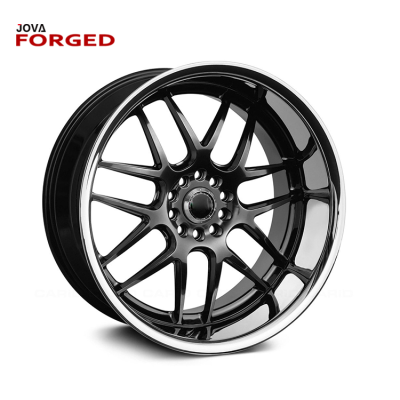
Light Weight Wheels Fast Speed Sport Forged Rim Deep Lip Customized Alloy Rims
$250.00 - $550.00
MOQ: 4 pieces


Comprehensive Sourcing Guide
Deep Lip Sport Alloy Wheels Sourcing Guide
Deep Lip Sport Alloy Wheels represent a high-impact aesthetic category where visual aggression meets structural integrity, often prioritizing wider barrel profiles and extended lip depths. Buyers must distinguish between genuine forged construction and cast alternatives, as the material choice directly influences weight reduction and handling dynamics. The observed market data indicates a diverse range of finishes, including black, bronze, and gun metal, which allows for significant customization to match specific vehicle styling requirements.
Procurement strategies should focus on verifying the specific alloy composition and finishing processes, as these factors determine long-term durability against road debris and corrosion. The availability of customization options suggests that suppliers can tailor spoke types and dimensions, yet buyers must ensure that these modifications do not compromise the wheel's load-bearing capacity. Understanding the balance between aesthetic appeal and mechanical performance is essential for selecting wheels that satisfy both visual demands and safety standards.
Product Scope and Observed Listing Signals
The current market listings reveal a broad spectrum of product types, ranging from standard wheel hubs to specialized rims and complete wheel assemblies. Observed specifications include various hub diameters spanning from under 16 inches up to 24 inches, indicating that suppliers cater to a wide array of vehicle classes, from compact cars to larger SUVs. The presence of models like JR139 and SS9442 suggests a catalog that includes both specific OEM replacements and aftermarket sport designs, with sizes frequently listed in standard increments such as 17, 18, 19, and 20 inches.
Buyers should scrutinize the listed standard dimensions, such as 17x8 or 18x9J, to ensure compatibility with their specific vehicle platforms. The data shows a clear segmentation between different wheel architectures, including equal diameter spokes and flat spoke designs, which significantly alter the visual profile and aerodynamic properties. Additionally, the observation of wheel accessories like covers and spokes implies that some listings may include supplementary components, requiring careful verification of what is included in the base price versus what is an add-on.
Technical Specifications to Verify
Technical due diligence must center on the precise geometric parameters, including the PCD ranging from 100 to 120 and the offset values (Et) which can vary from 0 to 43. These metrics are critical for ensuring proper fitment within the wheel well and maintaining correct suspension geometry. The observed hub diameter ranges, specifically those between 16 and 20 inches and those extending to 24 inches, necessitate a rigorous check against the vehicle's original equipment specifications to prevent mounting issues or clearance conflicts.
Furthermore, the spoke type and finishing process are vital technical indicators of quality and style. The market offers both equal diameter and flat spoke configurations, each offering distinct visual characteristics and structural implications. The finishing process, often noted as black, requires verification of the coating thickness and adhesion properties to ensure resistance against chipping and fading. Buyers must confirm that the specific model numbers, such as JR2CR0312J or D04, correspond to the exact technical drawings and load ratings required for their intended application.
Compliance and Safety Documentation
Safety compliance is non-negotiable in the alloy wheel sector, with observed certifications including ISO, TUV, VIA, DOT, and CE marking. These certifications indicate that the products have undergone rigorous testing for structural integrity, impact resistance, and fatigue life, which are essential for high-speed driving conditions. The presence of multiple certification bodies suggests that reputable suppliers adhere to international standards, but buyers must request specific test reports to validate that the particular batch of wheels meets these rigorous safety thresholds.
Documentation should also verify adherence to industry standards such as SAE J2530 and Via/JWL, which govern the manufacturing and testing protocols for automotive wheels. The H.S. Code 8708709100 confirms the classification of these items as parts of motor vehicles, ensuring proper customs handling and regulatory compliance during import. Buyers must ensure that the supplier provides a certificate of conformity for each shipment, confirming that the wheels meet the specific safety regulations of the destination market, particularly regarding load ratings and impact tests.
Cost Drivers and Commercial Terms
Cost structures in this sector are heavily influenced by the manufacturing process, material quality, and the extent of customization required. The observed price range of 2.3 to 816 USD reflects the vast difference between basic cast wheels and high-performance forged options, with the latter commanding a premium due to superior strength-to-weight ratios. Buyers must analyze the total cost of ownership, considering that higher initial investment in forged wheels often yields long-term savings through reduced unsprung weight and improved fuel efficiency.
Commercial terms such as FOB Wuhan, CFR, and Short-Term Letter of Credit define the financial risk and logistics responsibility between buyer and seller. The lead time of 35 days for production versus 1-2 weeks for stock items significantly impacts inventory planning and cash flow management. Additionally, the MOQ of 4 units offers flexibility for smaller buyers, while the annual production capacity of 12 million pieces indicates that suppliers have the scale to handle large orders without compromising delivery schedules.
Supplier Qualification and Quality Control
Supplier qualification requires a thorough assessment of their production capabilities and quality assurance protocols, particularly given the high annual output of 12 million pieces. Buyers should verify that the supplier maintains consistent quality control measures, such as the use of strong carton boxes and export packing, to prevent damage during transit. The availability of OEM and ODM services suggests that suppliers are equipped to handle custom orders, but buyers must audit their facilities to ensure that customization processes do not introduce variability in product quality.
Quality control checks should extend to the finishing processes, ensuring that the black, bronze, or gun metal coatings are applied uniformly and adhere correctly to the alloy substrate. The warranty structure, which includes a lifetime painting guarantee and a 24-month warranty on other aspects, serves as a strong indicator of the supplier's confidence in their product durability. Buyers must also verify the supplier's ability to provide traceability for each batch, ensuring that any quality issues can be quickly identified and addressed through their established return or replacement protocols.
Long-Term Procurement Checks
Sustaining a successful procurement relationship involves regular audits of the supplier's ability to maintain consistent quality and delivery performance over time. Buyers should establish clear communication channels to monitor changes in production standards or material sourcing that could affect the final product. The observed variety in models and sizes suggests a dynamic product line, requiring ongoing verification that new introductions meet the same rigorous safety and performance standards as established models.
Long-term checks must also include a review of the supplier's adaptability to market changes and regulatory updates. As safety standards evolve, suppliers must demonstrate their capacity to update their certification and testing protocols accordingly. Buyers should periodically re-evaluate the cost drivers and commercial terms to ensure that the pricing remains competitive and that the lead times continue to meet operational needs. Establishing a feedback loop for performance metrics will help maintain a high standard of procurement and ensure that the Deep Lip Sport Alloy Wheels continue to meet the evolving demands of the market.
FAQs
What certifications do these alloy wheels hold?
These wheels hold ISO, TUV, VIA, DOT, and CE certifications. This ensures compliance with international safety and quality standards for global distribution. Buyers can verify these credentials to meet regional regulatory requirements for automotive parts and accessories.
Can I customize the finish and color?
Yes, customization is available for color and finish. Options include Black, Bronze, Gun Metal, or customized shades. The finishing process ensures durability, making it suitable for various automotive applications and brand-specific aesthetic requirements.
What are the standard wheel sizes available?
Standard sizes range from 15X8.5J to 22X10, including 17, 18, 19, 20, 21, and 22 inches. These dimensions cover a wide range of vehicle types, ensuring compatibility with diverse automotive models and performance needs.
What is the typical lead time for production?
Production lead time is approximately 35 days, while stock items ship within 1-2 weeks. This flexibility supports both scheduled manufacturing orders and urgent replacement needs for automotive parts distributors and OEM partners.
What is the minimum order quantity for these wheels?
The minimum order quantity is 4 units. This low MOQ allows buyers to test market response or order small batches for specific vehicle models without committing to large inventory volumes initially.
Are these wheels suitable for OEM or wholesale?
Yes, they are appropriate for OEM, ODM, and wholesale applications. The manufacturer supports various business models, providing flexible sourcing solutions for automotive brands, distributors, and retailers seeking reliable alloy wheel supply chains.