Source Deep Nourishing Keratin Hair Mask for Dry Damaged Frizzy Hair
Find 30 suppliers offering a Deep Nourishing Keratin Hair Mask designed for dry, damaged, and frizzy hair types. Compare specifications including ingredients like argan oil and hyaluronic acid, certifications such as GMPC and ISO22716, and customization options for private labeling.
Key considerations
Products List


Keratin Collagen Hair Mask for Curly Hair Treatment Dry Damaged & Frizzy
$1.78 - $2.28
MOQ: 3000 Pieces


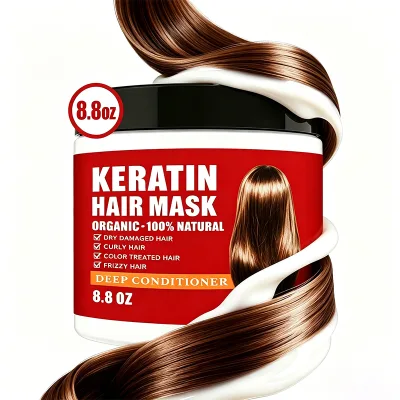
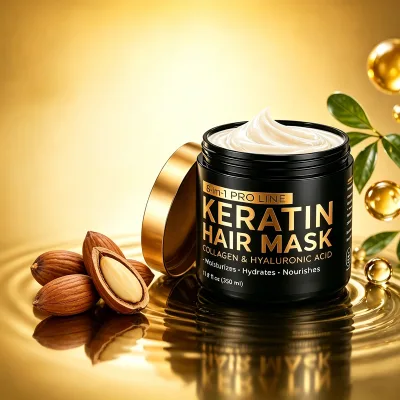


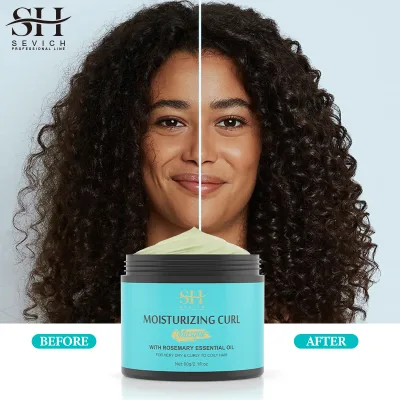


Beauty Cosmetics Keratin Hair Mask Hydration & Deep Repair Hair Treatment Mask
$2.00 - $3.00
MOQ: 100 Pieces


Comprehensive Sourcing Guide
Strategic Sourcing Guide for Deep Nourishing Keratin Hair Masks
Navigating the global market for deep nourishing keratin hair masks requires a disciplined approach that balances technical performance with rigorous supply chain verification. Buyers seeking to source these specialized hair care products must move beyond generic marketing claims and focus on verifiable attributes, compliance frameworks, and production capabilities. The following guide outlines the essential parameters for evaluating potential suppliers, ensuring that the final procurement aligns with both product efficacy and operational reliability.
Technical Specifications and Formulation Analysis
The core of any successful procurement strategy for hair masks lies in the precise definition of technical specifications. When sourcing a Deep Nourishing Keratin Hair Mask, the formulation must address specific hair concerns such as dryness, damage, and breakage. The product attributes observed in the market indicate a strong focus on ingredients that provide deep repair and nourishment. Key components frequently identified in high-quality formulations include Shea Butter, Coconut Oil, Argan Oil, Aloe Vera Extract, and Hydrolyzed Keratin. These ingredients are critical for restoring moisture and structural integrity to damaged hair fibers.
Volume and packaging specifications are equally vital for logistics and shelf-life management. The market presents a variety of standard sizes, with observed specifications ranging from 236ml to 400ml, as well as multi-unit configurations like 3*70ml sets. The physical form of the product is consistently identified as a cream, which is the standard texture for deep conditioning treatments. Packaging materials vary, with options including standard cartons, customized packaging by customers, and specific carton configurations where the quantity per carton (Qty/CTN) can be 48 or 72 units. Buyers must verify the exact model numbers, such as Hair Care-021, Hair Care-022, or specific codes like MBM66 and HM, to ensure consistency across production batches. The weight of individual units is typically around 250g or 250ml, a standard that must be confirmed during the sampling phase to avoid discrepancies in shipping costs and inventory planning.
Compliance Framework and Certification Verification
In the cosmetics and personal care industry, regulatory compliance is not merely a formality but a prerequisite for market entry. When sourcing from regions like Guangdong, China, buyers must demand evidence of adherence to international quality management standards. The most frequently cited certifications in the sector include GMPC (Good Manufacturing Practice for Cosmetics), ISO 22716, and ISO. These standards ensure that the manufacturing facility maintains a controlled environment, minimizing the risk of contamination and ensuring product safety.
Beyond general manufacturing standards, specific certifications may be required depending on the target market. Some suppliers list Sedex certification, which focuses on ethical supply chain practices, while others may offer Halal or GMP certifications. It is crucial for buyers to verify the validity of these certificates directly with the issuing bodies rather than relying solely on supplier-provided documents. The presence of certifications like CE or ISO 27001 (though the latter is less common for direct cosmetic production) should be scrutinized to ensure they are relevant to the specific product category. A compliant supplier will have these documents readily available and up-to-date, providing a clear audit trail for the production process.
Cost Drivers and Pricing Structures
Understanding the cost structure of deep nourishing keratin hair masks is essential for budgeting and negotiation. The price range for these products in the current market is broad, observed between $0.01 and $100 per unit. This wide variance is driven by several factors, including the quality of raw materials, the complexity of the formulation, packaging customization, and order volume. High-end formulations utilizing premium ingredients like hydrolyzed keratin and organic argan oil will naturally command higher price points compared to basic moisturizing creams.
Minimum Order Quantity (MOQ) is another significant cost driver. Suppliers often set MOQs ranging from 1,000 pieces to 10,000 pieces. A lower MOQ, such as 1,000 pieces, may result in a higher unit cost but reduces the financial risk for new buyers entering the market. Conversely, larger orders can leverage economies of scale to reduce the per-unit price. Buyers should also consider the cost implications of customization services. Options such as private labeling, custom logos, and bespoke packaging designs often incur additional fees. The sample lead time, typically observed between 3 to 5 days, can also impact the overall timeline and cost, especially if expedited shipping is required for urgent prototyping.
Supplier Evaluation and Service Capabilities
Selecting the right supplier involves a comprehensive evaluation of their service capabilities and flexibility. A robust supplier should offer a full spectrum of services, including OEM (Original Equipment Manufacturing) and ODM (Original Design Manufacturing). This flexibility allows buyers to either utilize existing formulations or develop unique products tailored to their brand identity. The availability of customization is a key indicator of a supplier's adaptability, with options for custom labels, private logos, and specific packaging requirements.
The supplier's ability to handle different order sizes is also critical. While some suppliers may have high MOQs, others might accommodate smaller initial orders to facilitate market testing. The "Service" attribute often includes support for customs labeling and private labeling, which simplifies the import process for international buyers. Furthermore, the availability of samples is a fundamental requirement for quality assurance. Buyers should confirm that samples are available and understand the lead time for their delivery, which is typically short, allowing for rapid iteration and testing. The brand reputation, such as established names like Easycare, can serve as a reference point, but buyers should prioritize the specific capabilities of the manufacturing partner over brand recognition alone.
Quality Control and Performance Verification
Quality control (QC) is the backbone of a successful procurement strategy. For deep nourishing keratin hair masks, performance claims such as "repairing," "moisturizing," "anti-dry," and "anti-breakage" must be substantiated through rigorous testing. Buyers should request detailed test results that verify the product's efficacy in addressing specific hair types, including thin hair, curly hair, frizzy hair, and damaged hair. The product's function is often described as providing deep repair for dry and damaged hair, as well as nourishing the hair root.
To ensure consistent quality, buyers should implement a multi-stage QC process. This includes reviewing the ingredient list to confirm the presence of key actives like collagen and hyaluronic acid. The physical attributes, such as scent (often fresh) and color (colorful), should also be verified against the approved sample. It is important to treat product attributes as observations rather than universal claims; not every listed product will satisfy every feature. Therefore, buyers must conduct their own blind testing to validate claims regarding smoothing, refreshing, and shine enhancement. The production standard, often cited as 400ml or 250ml, must be strictly adhered to, with regular checks on the weight and volume of each unit to prevent underfilling or overfilling.
Long-Term Procurement and Operational Considerations
Sourcing a Deep Nourishing Keratin Hair Mask is not a one-time transaction but the beginning of a long-term partnership. Buyers must consider the scalability of the supply chain and the supplier's ability to maintain consistency over time. The lead time for production and the ability to meet demand fluctuations are critical factors. While sample lead times are short, bulk production lead times can vary significantly based on order volume and raw material availability.
Sustainability and ethical sourcing are increasingly important considerations. Certifications like Sedex indicate a commitment to ethical labor practices and supply chain transparency, which can enhance brand value. Additionally, the flexibility of the supplier to adapt to changing market trends, such as shifts in packaging materials or ingredient preferences, is vital for long-term success. Buyers should establish clear communication channels and regular review meetings to ensure that the supplier remains aligned with the brand's evolving needs. The ability to customize packaging and labeling allows for continuous brand innovation without disrupting the supply chain.
Comparative Analysis of Product Attributes
To facilitate decision-making, the following table summarizes the key attributes observed in the market for deep nourishing keratin hair masks. This comparison highlights the variability in specifications and helps buyers identify the most suitable options for their specific requirements.
| Attribute Category | Observed Options | Key Considerations for Buyers |
|---|---|---|
| Product Type | Cream | Standard texture for deep conditioning; verify viscosity. |
| Key Ingredients | Shea Butter, Coconut Oil, Argan Oil, Keratin, Hyaluronic Acid | Confirm presence of hydrolyzed keratin for repair claims. |
| Target Hair Type | Thin, Dry, Oily, Curly, Frizzy, Damaged | Match product function to specific customer demographics. |
| Volume/Standard | 236ml, 250ml, 400ml, 3*70ml sets | Verify weight (250g) and volume consistency. |
| Packaging | Carton, Customized Packaging, 48/72 Qty/CTN | Assess shipping efficiency and branding needs. |
| Certifications | GMPC, ISO 22716, Sedex, Halal, GMP, CE | Validate certificates with issuing bodies. |
| MOQ Range | 1,000 to 10,000 pcs | Negotiate based on initial order volume and risk tolerance. |
| Sample Lead Time | 3-5 days | Plan prototyping schedules accordingly. |
| Customization | Private Label, OEM/ODM, Custom Logo | Ensure flexibility for brand identity development. |
Final Procurement Recommendations
In conclusion, sourcing deep nourishing keratin hair masks requires a meticulous approach that prioritizes technical accuracy, regulatory compliance, and supplier reliability. Buyers should focus on verifying the presence of key ingredients like keratin and argan oil, ensuring that the product meets the specific needs of target hair types. The wide range of available specifications, from volume to packaging, offers significant flexibility but demands careful selection to align with logistical and branding goals. By rigorously evaluating certifications, understanding cost drivers, and establishing clear quality control protocols, buyers can secure a supply chain that delivers consistent, high-quality products. The long-term success of this procurement effort depends on maintaining a collaborative relationship with suppliers who are committed to ethical practices and continuous improvement.
FAQs
What certifications do Deep Nourishing Keratin Hair Mask manufacturers hold?
Manufacturers typically hold GMPC, ISO 22716, and Sedex certifications to ensure quality and ethical standards. Some suppliers also provide Halal, GMP, or CE certificates depending on the target market requirements. Buyers must verify these documents directly with issuing bodies to confirm validity.
How long is the sample lead time for Deep Nourishing Keratin Hair Mask?
The sample lead time is typically between 3 to 5 days for most suppliers. This short duration allows for rapid prototyping and quality testing before committing to bulk orders. Expedited shipping may be required if urgent delivery is needed for market testing.
Which specifications are available for Deep Nourishing Keratin Hair Mask packaging?
Available specifications include volumes of 236ml, 250ml, and 400ml, as well as multi-unit sets like 3*70ml. Packaging options range from standard cartons with 48 or 72 units per carton to fully customized packaging by customers. The product form is consistently a cream texture.
Can I get Deep Nourishing Keratin Hair Mask with private labeling services?
Yes, private labeling and custom logo services are widely available for this product category. Suppliers offer OEM and ODM services to accommodate specific brand identities and packaging designs. This customization allows buyers to create unique products without developing formulations from scratch.
What is the minimum order quantity for Deep Nourishing Keratin Hair Mask?
The minimum order quantity typically ranges from 1,000 to 10,000 pieces depending on the supplier. Lower MOQs like 1,000 pieces reduce financial risk for new buyers but may result in higher unit costs. Larger orders leverage economies of scale to significantly reduce the per-unit price.
Where are Deep Nourishing Keratin Hair Mask manufacturers located?
Most manufacturers are located in Guangdong, China, which is a major hub for cosmetic production. This location offers access to established supply chains and specialized facilities for hair care products. Buyers should verify the specific origin of each supplier to ensure compliance with import regulations.