Source Defogging Rock Slab Basin with Water Blocking Plate for Homes, Hotels, and Outdoor Kitchens
Browse 30 listings covering the Defogging Rock Slab Basin with Water Blocking Plate for home, hotel, and outdoor applications. Buyers can compare dimensions such as 510x450x850mm and 550x500x800mm, installation types, surface treatments, customization options, MOQs from 1 to 300 pieces, and pricing from $7 to $4,900 before requesting quotes.
Key considerations
Products List


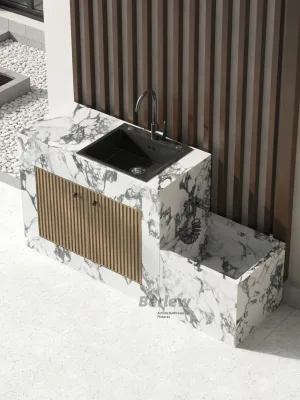


Oval Wash Basins Bathroom Stone Wash Basin Sinks Bathroom Vanity Basin Sinks
$18.90 - $115.30
MOQ: 20 Sets

Quartz Stone Sink Featuring Scratch Resistant Surface
$30.00 - $45.00
MOQ: 50 Pieces
Jiangmen Yide Technology Kitchen & Sanitary Ware Co., Limited

Premium Quartz Stone Sink with Granite Drainboard
$45.00 - $60.00
MOQ: 100 Pieces
Jiangmen Yide Technology Kitchen & Sanitary Ware Co., Limited


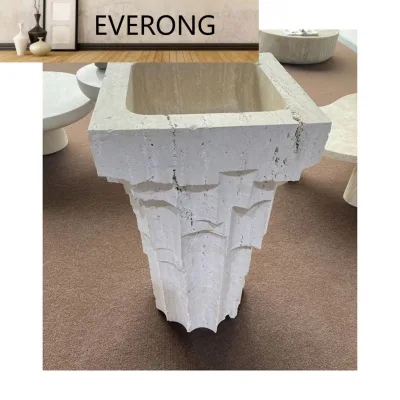

Natural Marble/Onyx/Granite/Travertine/Limestone/Basalt Stone Bowls/Sink Wash Basin
$50.00 - $70.00
MOQ: 200 Pieces


Comprehensive Sourcing Guide
Defogging Rock Slab Basin with Water Blocking Plate Sourcing Guide
Sourcing specialized bathroom and utility fixtures requires a nuanced understanding of material science, installation constraints, and supplier capabilities. The term "Defogging Rock Slab Basin with Water Blocking Plate" describes a high-end sanitary ware solution that combines aesthetic durability with functional water management. Buyers must distinguish between marketing terminology and verifiable technical specifications, particularly when dealing with composite materials and integrated drainage systems. This guide provides a structured approach to evaluating suppliers, verifying product integrity, and managing commercial risks associated with these complex fixtures.
The procurement process for such items involves balancing aesthetic preferences with rigorous performance standards. While the core keyword suggests a specific feature set, the actual market offerings may vary significantly in terms of material composition, surface treatment, and installation requirements. Buyers should focus on establishing clear technical baselines before engaging with suppliers, ensuring that all parties share a common understanding of what constitutes a "rock slab" and how the "water blocking plate" functions within the overall system. This disciplined approach minimizes the risk of receiving products that fail to meet operational expectations or installation specifications.
Product Scope and Observed Listing Signals
The observed product landscape reveals a diverse range of basin types, including pedestal sinks, bowl sinks, and single-bowl configurations, with installation methods ranging from apron front to above-counter setups. Listings indicate a strong emphasis on customization, with many suppliers offering OEM/ODM services and tailored logo applications. The material spectrum includes composite options, stainless steel, and specific "all-rock board" variants designed for outdoor durability, suggesting that the "rock slab" descriptor may refer to a composite stone or engineered stone material rather than natural rock. Buyers must carefully cross-reference these observed attributes with their specific project requirements to avoid mismatches in style, function, or environmental suitability.
Surface treatments and design styles vary widely, with polished, brushed, and nano-glaze finishes being common observations. The presence of "nano glaze" and "outdoor waterproof" claims points to advanced surface engineering aimed at enhancing stain resistance and weather durability. However, the term "defogging" is not explicitly supported by the provided product facts, indicating that buyers should verify whether this feature is achieved through integrated heating elements, specific ventilation designs, or material properties. Similarly, the "water blocking plate" may refer to integrated splash guards, specific drain configurations, or external accessories that need to be confirmed as part of the standard package or as an optional add-on.
Technical Specifications to Verify
Dimensional accuracy is critical for both installation and aesthetic integration, with observed standards ranging from 500x450x800mm to 750x500mm and beyond. Buyers must verify the exact external and internal dimensions, including the depth and bowl configuration, to ensure compatibility with existing plumbing and cabinetry. The number of holes, typically one or two, dictates the faucet and accessory layout, requiring precise alignment with the chosen hardware. Additionally, the thickness of the material, which is noted as customizable in some listings, directly impacts durability and sound dampening, making it a key specification to define in the purchase order.
The integration of the "water blocking plate" and any "defogging" mechanisms requires detailed technical clarification. Buyers should request detailed engineering drawings that show the placement of drainage outlets, the structure of any splash guards, and the location of any heating elements if defogging is a mandatory feature. The material composition, whether composite, stainless steel, or a specific rock-like polymer, must be confirmed to ensure it meets the required load-bearing and thermal shock resistance standards. Furthermore, the surface treatment process, such as nano-glazing or polishing, should be verified for its long-term resistance to scratching, staining, and chemical degradation.
Compliance and Safety Documentation
Sanitary ware must comply with relevant plumbing and material safety standards, which vary by region and application. Buyers should request certificates of conformity for materials used, particularly for composites and coatings, to ensure they are free from harmful substances like lead or volatile organic compounds. For products claiming outdoor or garden use, additional certifications for UV resistance and freeze-thaw durability may be necessary to prevent premature degradation. The presence of electrical components for defogging features, if applicable, requires strict adherence to electrical safety standards, including IP ratings for water resistance and proper grounding procedures.
Documentation should also cover the manufacturing process and quality control protocols. Buyers should ask for test reports related to water flow efficiency, drain capacity, and surface hardness. If the product includes a "water blocking plate," documentation should explain its mechanical function and how it integrates with the main basin structure to prevent water spillage. For international shipments, ensure that all packaging and labeling comply with destination country regulations, including proper hazard communication if any chemical treatments are involved in the surface finishing process.
Cost Drivers and Commercial Terms
The price range for these products is broad, reflecting variations in material quality, customization levels, and production complexity. Factors influencing cost include the thickness of the material, the complexity of the surface treatment, and the inclusion of specialized features like defogging elements or integrated water blocking systems. Customization options, such as logo printing, specific dimensions, or unique color finishes, typically incur additional charges and may affect the minimum order quantity (MOQ). Buyers should clarify whether the quoted price includes all necessary accessories, such as faucets, drains, and mounting hardware, to avoid unexpected additional costs.
Commercial terms, including lead times and payment conditions, are critical for project planning. Observed lead times range from 20-30 days, which is standard for customized manufacturing but requires careful scheduling to avoid project delays. Buyers should negotiate clear terms for sample approval, production milestones, and final inspection before shipment. Packaging methods, such as carton or pallet packaging, should be specified to ensure safe transit, especially for heavy composite or stone-like materials. Understanding the total landed cost, including shipping, insurance, and import duties, is essential for accurate budgeting and cost comparison.
Supplier Qualification and Quality Control
Supplier verification is paramount when sourcing specialized sanitary ware. Buyers should assess the supplier’s manufacturing capabilities, including their experience with composite materials and surface treatments. Requesting references from previous clients, particularly those in similar sectors like hotels or high-end residential projects, can provide insight into the supplier’s reliability and product consistency. It is also important to verify the supplier’s ability to handle OEM/ODM requests, ensuring they have the technical expertise to implement custom designs without compromising quality.
Quality control processes should be clearly defined and agreed upon before production begins. Buyers should specify inspection points, such as raw material verification, in-process checks, and final random inspections. For products with complex features like defogging or water blocking, functional testing should be mandatory before shipment. Establishing a clear protocol for handling defects or non-conforming products is essential, including procedures for replacement, repair, or credit. Regular communication and site visits, if feasible, can help build trust and ensure that quality standards are consistently met throughout the production cycle.
Long-Term Procurement Checks
Sustainable sourcing practices are increasingly important in the procurement of sanitary ware. Buyers should inquire about the environmental impact of the materials used, particularly for composite products, and ask for information on recycling or disposal options at the end of the product’s life cycle. Suppliers who demonstrate a commitment to sustainable manufacturing processes, such as energy-efficient production or waste reduction, may offer better long-term value and align with corporate sustainability goals. Additionally, verifying the durability and warranty terms of the product is crucial, as high-quality materials and finishes should offer long-term performance with minimal maintenance.
Building a long-term relationship with a reliable supplier can lead to better pricing, priority production, and improved support. Buyers should establish a framework for ongoing performance evaluation, including feedback on product quality, delivery reliability, and customer service. Regular reviews of the supply chain can help identify potential risks and opportunities for improvement. By maintaining a disciplined approach to supplier management and product verification, buyers can ensure a steady supply of high-quality defogging rock slab basins with water blocking plates that meet their specific operational and aesthetic requirements.
FAQs
What material is used for the defogging rock slab basin?
The basin is constructed from composite materials, specifically described as all-rock board material. This composition ensures outdoor waterproofing, sunscreen resistance, and antifreeze properties. It is designed for durability in various environments, including courtyards and gardens, while maintaining a modern aesthetic suitable for home or hotel applications.
Can the sink be customized with a specific logo?
Yes, customization is available for the logo. Buyers can request customized branding on the product. The OEM and ODM services are acceptable, allowing for tailored solutions. This flexibility supports brand identity requirements for both residential and commercial projects, ensuring the final product aligns with specific design or corporate guidelines.
What is the standard packaging method for these sinks?
The standard packing is one piece per carton. However, customized packaging options are also available to meet specific logistical needs. This ensures safe transport and protection during shipping. The flexible packaging approach accommodates different order sizes and destination requirements, providing reliable protection for the basin during transit.
What are the typical dimensions for the rectangular models?
Standard dimensions vary by model, such as 510x450x850mm for model C-001(S) and 550x500x800mm for model RO-010. Other models like RO-093 measure 500x450x800mm. These specifications cater to different installation spaces. Buyers should verify exact dimensions for their specific project requirements to ensure proper fit and functionality.
How long is the delivery time for orders?
The typical delivery time is 20-30 days. This lead time applies to standard production cycles. Buyers should account for this duration when planning installations. The timeframe allows for quality control and manufacturing processes. Early ordering is recommended to align with project schedules and avoid delays in completion.
Is the sink suitable for outdoor garden use?
Yes, the sink is designed for outdoor, courtyard, and garden applications. The all-rock board material provides waterproof and antifreeze capabilities, making it resilient to weather conditions. Its modern design fits well in outdoor settings. This versatility allows for use in both indoor and outdoor environments, enhancing functionality in various spaces.