Source Dental Department Sterilization Pouch for Clinics, Labs, Hospitals
Explore 30 listings for Dental Department Sterilization Pouch options featuring self-sealing models, various sizes, and CE ISO certifications. Buyers can compare specifications like film thickness, paper density, and packaging details from suppliers in China.
Key considerations
Products List


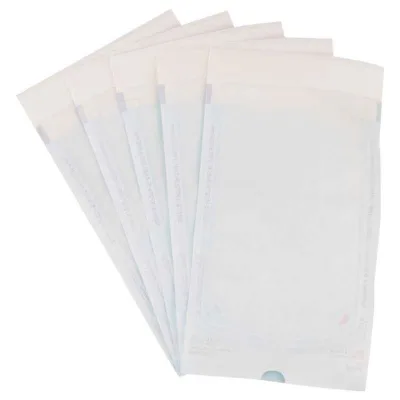


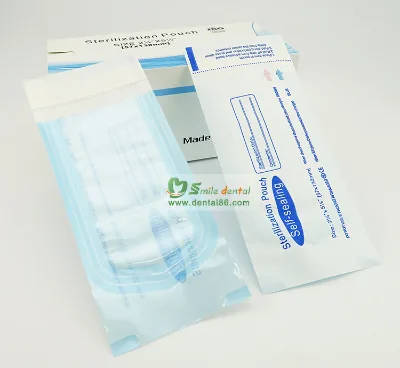


Dental Sterilizing Packaging Material Sterilizing Pouches with Various Sizes
$0.70 - $12.32
MOQ: 100 Pieces


Comprehensive Sourcing Guide
Strategic Sourcing Guide for Dental Department Sterilization Pouches
The procurement of sterilization pouches for the dental department represents a critical intersection of infection control, regulatory compliance, and operational efficiency. Dental facilities rely on these single-use barriers to maintain the sterility of surgical instruments between sterilization cycles and clinical use. Sourcing these items requires a disciplined approach that moves beyond simple price comparison to a rigorous evaluation of material integrity, certification validity, and supply chain reliability. The following guide outlines the essential factors buyers must consider when selecting dental sterilization pouches, grounded in observed market specifications and industry standards.
Technical Specifications and Material Composition
The primary function of a dental sterilization pouch is to provide a breathable yet impermeable barrier against microorganisms while allowing the sterilization agent, typically steam, to penetrate the package. When evaluating technical specifications, buyers must scrutinize the material composition, as this dictates the pouch's performance under heat and pressure. The supplied market data indicates that high-quality pouches are constructed from a composite of materials, specifically utilizing a Pet/PE (Polyethylene Terephthalate/Polyethylene) laminate combined with medical-grade dialysis paper.
The film thickness is a crucial metric for durability. Observed specifications suggest a film thickness of approximately 0.052mm for the CPP/Pet laminated film component. This thickness ensures the pouch does not tear during handling or sterilization cycles while maintaining the necessary porosity for steam penetration. The paper component, often cited as 60GSM Medical Grade Dialysis Paper, is responsible for the breathability required for effective sterilization. This specific density is vital; paper that is too dense may block steam, while paper that is too thin may compromise the barrier integrity.
Sealing mechanisms are another technical differentiator. The market features "self-sealing" models, which utilize a heat-activated adhesive strip that bonds upon application of heat, eliminating the need for external sealing equipment. The standard sealing process is described as a "composite packaging bag" method, resulting in a "back seal bag" configuration. Buyers should verify that the sealing strip is aligned correctly and that the adhesive remains stable under the high temperatures of the sterilization chamber. Furthermore, the physical dimensions vary significantly to accommodate different instrument sets. Observed standard sizes range from 50mm to 500mm in width, with lengths extending up to 600mm or more, including specific configurations like 57mm100mm and 90mm260mm. The availability of "full sizes" suggests that suppliers offer a broad spectrum of dimensions to match diverse dental instrument trays.
Compliance and Certification Verification
In the medical device sector, compliance is not merely a preference but a mandatory requirement for patient safety. Dental sterilization pouches fall under the category of shared instrument equipment used in the dental department, necessitating strict adherence to international standards. The most frequently observed certifications in the current market are CE (Conformité Européenne) and ISO 13485. The CE mark indicates that the product meets the essential requirements of the relevant European health, safety, and environmental protection legislation. ISO 13485 is the specific international standard for quality management systems for medical devices, ensuring that the manufacturer maintains a robust system for design, production, and distribution.
Buyers must verify that the certification is current and applicable to the specific product model. Some listings explicitly state "CE/ISO13485" as a combined certification status, while others may list them separately. It is imperative to request valid certification documents from the supplier rather than relying solely on marketing claims. The origin of the product is also a factor in compliance; many observed listings indicate production in Hebei, China (Mainland), a region known for medical device manufacturing. However, the country of origin does not guarantee compliance; the specific factory's quality management system must be audited and certified.
Additionally, the "Nature" of the product is listed as "Shared Instrument Equipment," which reinforces the need for traceability and quality assurance. The "Valid Time" after sterilization is another critical compliance metric, with observed data suggesting a shelf life of 180 days post-sterilization. This duration implies the material's ability to maintain sterility over a six-month period, provided the packaging remains intact. Buyers should confirm that the claimed shelf life aligns with their facility's inventory turnover rates and that the material does not degrade prematurely.
Cost Drivers and Pricing Dynamics
Understanding the cost structure of dental sterilization pouches is essential for budgeting and procurement planning. The observed price range in the market spans from $0.01 to $40 USD, a wide variance that reflects differences in volume, material quality, and packaging formats. The low end of the spectrum likely represents bulk purchases of standard sizes, while the higher end may include specialized sizes, custom branding, or smaller order quantities with premium materials.
The Minimum Order Quantity (MOQ) is a significant driver of unit cost. Data indicates an MOQ range from 1 box to 10,000 units. A standard box often contains 200 pieces, as noted in multiple specifications. Purchasing in larger quantities, such as the 10,000-unit range, typically yields a lower per-unit cost due to economies of scale in production and shipping. Conversely, an MOQ of 1 box allows for smaller facilities or those testing new suppliers to minimize upfront capital expenditure, though the per-unit price will be higher.
Packaging formats also influence cost. While some products are sold in individual "Paper Box" units, others are packaged in "Carton" formats for bulk transport. The "Package" specification of "200 pieces/box" is a common standard, but variations exist. Buyers should calculate the total cost of ownership, including shipping, storage, and potential waste from damaged packaging, rather than focusing solely on the sticker price. The availability of "Free" samples is a common procurement tactic that allows buyers to assess quality without financial risk, though this does not impact the bulk pricing structure.
Typical Applications and Operational Fit
The primary application for these pouches is within the dental department, specifically for sterilizing surgical instruments. The "Applicable Departments" field explicitly lists the Dental Department, confirming their intended use case. The "Usage Times" attribute is marked as "Disposable," indicating that these pouches are single-use items designed to be discarded after the sterilization cycle and instrument retrieval. This disposable nature is crucial for preventing cross-contamination between patients.
The versatility of the product is evident in the variety of shapes and colors available. The "Shape" is consistently described as a "Seal Bag," but the "Color" options include Blue, Green, Clear, and others. Color coding can be a valuable operational tool for dental facilities, allowing staff to quickly identify different instrument sets or sterilization batches. For instance, blue pouches might be designated for surgical instruments, while clear pouches could be used for general tools.
The "Group" attribute is listed as "Adult," suggesting that these pouches are sized and designed for standard adult dental procedures. However, the wide range of sizes, from 50mm to 500mm, implies that the same product line can accommodate a variety of instrument types, from small handpieces to larger trays. The "OEM" (Original Equipment Manufacturer) capability, noted as "Accept," allows dental practices or distributors to brand the pouches with their own logos, which can enhance brand recognition and professional appearance within the clinic.
Supplier Evaluation and Selection Criteria
Selecting a reliable supplier is as important as the product specifications themselves. Buyers should evaluate suppliers based on their ability to provide consistent quality, valid certifications, and responsive customer service. The "Brand Name" field mentions "AIC" as an observed example, but buyers should not limit their search to a single brand. Instead, they should look for suppliers who demonstrate transparency in their manufacturing processes and provide clear documentation.
Key evaluation criteria include the supplier's adherence to the "Making Process" of composite packaging, ensuring that the lamination of Pet/PE and medical-grade paper is performed correctly. The "Customization" attribute being "Available" is a significant advantage, allowing buyers to request specific sizes, colors, or logo printing. This flexibility is particularly useful for dental chains that require uniform branding across multiple locations.
Buyers should also assess the supplier's logistical capabilities. While specific lead times are not universally provided in the data, the "Location" of Hebei, China (Mainland) suggests a supply chain that may involve international shipping. Buyers should inquire about shipping terms, packaging integrity during transit, and the supplier's ability to meet demand spikes. The "Sample" availability is a strong indicator of a supplier's confidence in their product and their willingness to engage in a trial period.
Quality Control and Long-Term Procurement
Maintaining high-quality standards requires a robust quality control (QC) process. The "Material" composition, specifically the use of Stainless Steel and Silicone in some contexts, suggests that the sterilization pouches may be part of a broader ecosystem of dental equipment, though the pouches themselves are primarily plastic and paper. The "Film Thickness" of 0.052mm and "Paper Density" of 60GSM are specific QC checkpoints that buyers should verify through third-party testing or supplier audit reports.
Long-term procurement considerations involve the stability of the supply chain and the consistency of the product. The "Standard" of "200 pcs per box" and the "prod_model" variations (e.g., TR-22, TRSF57130, TR-16) indicate a modular product line. Buyers should ensure that the supplier can maintain these specifications over time, avoiding sudden changes in material composition that could affect sterilization efficacy. The "Valid Time" of 180 days after sterilization is a critical metric for inventory management; buyers must ensure that their ordering frequency aligns with this shelf life to prevent waste.
Furthermore, the "OEM" and "Logo Printing" options offer opportunities for long-term partnerships where the supplier becomes an extension of the dental practice's brand. This relationship can lead to better pricing, priority production slots, and customized solutions that fit the specific workflow of the dental department. Buyers should establish clear communication channels with suppliers to address any quality issues promptly and to discuss potential improvements or new product developments.
Conclusion
Sourcing dental department sterilization pouches requires a balanced approach that prioritizes technical specifications, regulatory compliance, and supplier reliability. The market offers a diverse range of products, from self-sealing pouches with specific film thicknesses to customizable options with various color and size configurations. By focusing on verified certifications like CE and ISO 13485, understanding the cost drivers related to MOQ and packaging, and evaluating suppliers based on their quality control processes, dental procurement professionals can secure a supply chain that ensures patient safety and operational efficiency. The observed data provides a solid foundation for making informed decisions, but continuous verification and relationship building with suppliers remain essential for long-term success in the medical device procurement landscape.
FAQs
What certifications do dental sterilization pouches typically have?
These pouches commonly hold CE and ISO13485 certifications to ensure medical device safety. Buyers must verify that the specific factory maintains a valid quality management system rather than relying solely on marketing claims.
How are the pouches constructed to allow steam penetration?
They are made from a composite of Pet/PE laminated film and medical-grade dialysis paper. The paper density is usually 60GSM to ensure breathability while the film provides a strong barrier against microorganisms.
Which sizes are available for different dental instruments?
Standard sizes range from 50mm to 500mm in width with lengths up to 600mm. Specific configurations like 57mm by 100mm or 90mm by 260mm are available to fit various instrument sets.
Can buyers request custom branding on the sterilization pouches?
Yes, customization is available including logo printing and specific color options like blue or green. This allows dental facilities to maintain brand consistency and easily identify different instrument batches during procedures.
What is the minimum order quantity for these pouches?
The minimum order quantity can be as low as one box containing 200 pieces. Larger orders up to 10,000 units are also supported to achieve better per-unit pricing through economies of scale.
How long does the sterilized package remain valid?
The valid time after sterilization is typically 180 days provided the packaging remains intact. This shelf life helps facilities manage inventory turnover without risking premature degradation of the sterile barrier.