Source Urine Bag for Hospital, Home Care, and Medical Drainage
Find 30 Urine Bag options from verified Chinese manufacturers. Compare capacities ranging from 350ml to 2600ml, materials like PVC and PE, and certifications including CE and ISO 13485 for hospital and home use.
Key considerations
Products List


$0.10 - $2.50
MOQ: 1000 Pieces


$0.10 - $1.00
MOQ: 1 Pieces




Comprehensive Sourcing Guide
Urine Bag Sourcing Guide
Procuring urinary drainage systems requires a precise understanding of clinical requirements, regulatory landscapes, and supply chain reliability. These devices are critical components in hospital and home care settings, designed to collect and measure urine output from patients who cannot void naturally. The market offers a diverse range of products, from simple leg bags for ambulatory patients to large-capacity bed bags for stationary care. Buyers must navigate a complex array of specifications, including volume capacities, material compositions, and sterilization methods, to ensure patient safety and operational efficiency. This guide provides a structured approach to sourcing these medical devices, focusing on evidence-based verification steps and commercial considerations.
The sourcing process begins with defining the specific clinical use case, whether for adult or pediatric patients, and determining the necessary capacity and portability features. Observations from current market listings indicate a wide spectrum of options, including economic, standard, and luxury tiers, which cater to different budget constraints and quality expectations. Understanding these distinctions is vital for aligning procurement with institutional needs. Furthermore, the availability of customization options, such as logo printing and specific tubing lengths, allows healthcare providers to tailor products to their branding and logistical requirements. This guide outlines the key factors to consider when evaluating suppliers and products in this specialized medical category.
Product Scope and Observed Listing Signals
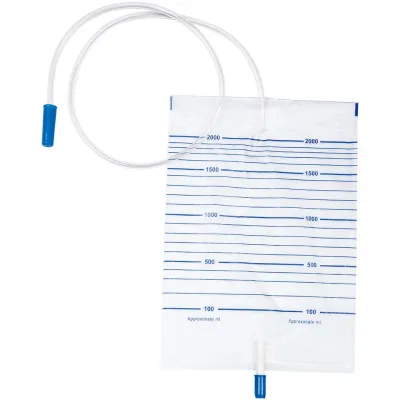
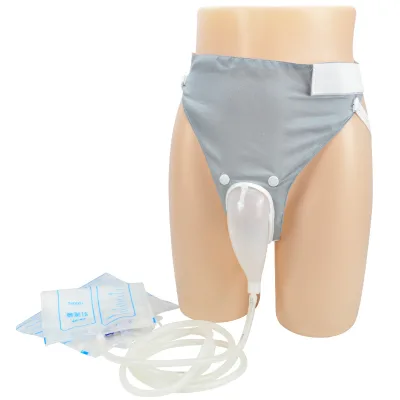
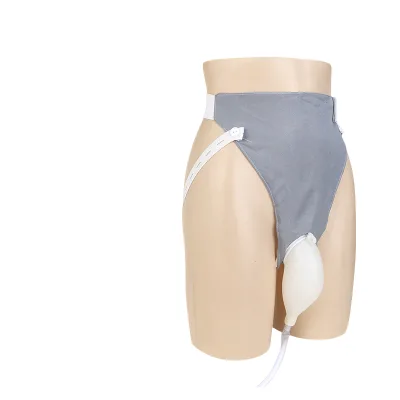
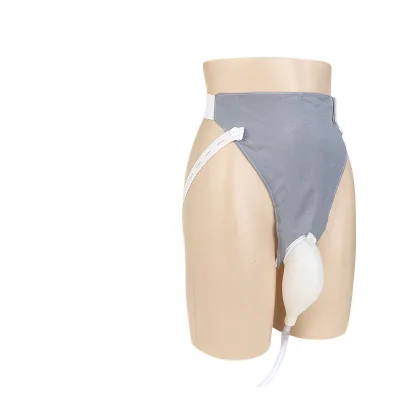
The urinary drainage market encompasses a variety of product types, primarily categorized by their intended use and capacity. Common configurations include urinary leg bags, which are designed for mobility and typically range from 350ml to 1000ml, and bed drainage bags, which offer larger capacities such as 1000ml, 2000ml, or even 2600ml for overnight use. Some listings also indicate specialized configurations like urine meter drainage bags, which combine smaller and larger volumes for precise measurement. These variations allow healthcare facilities to select the appropriate device based on patient mobility levels and clinical monitoring needs. Buyers should verify the exact capacity and type required for their specific patient population to avoid mismatches in procurement.
Material composition is another critical aspect of product scope, with listings indicating the use of plastics such as PVC, PE, PP, and ABS. These materials are chosen for their durability, flexibility, and biocompatibility, ensuring patient comfort and device integrity. Additionally, some products are marketed as eco-friendly or biodegradable, reflecting a growing industry trend toward sustainable medical supplies. The physical attributes of these bags, such as being folded or transparent, also play a role in usability and monitoring. Transparency allows for easy visual inspection of urine color and clarity, while folding features may facilitate storage and transport. Procurement teams should assess these material and physical attributes to ensure they meet clinical standards and institutional preferences.
Technical Specifications to Verify
Technical verification begins with confirming the sterilization method, as this directly impacts patient safety and product handling. Listings indicate the use of Ethylene Oxide (EtO) sterilization and Infrared methods, with some products explicitly stating EtO sterilization. Buyers must ensure that the sterilization method aligns with their facility’s protocols and that the packaging maintains sterility until use. The package type, often described as a paper-plastic bag or PE bag, should be inspected for integrity and compatibility with storage conditions. Proper packaging is essential to prevent contamination and ensure the product remains sterile throughout its shelf life. Verification of these technical details is crucial for maintaining high standards of patient care.
Capacity and sizing specifications vary significantly across products, with options ranging from small leg bags to large drainage containers. Buyers should verify the exact volume capacities, such as 500ml, 1000ml, or 2000ml, and confirm whether customized sizes are available. Tubing length is another important specification, with standard lengths of 120cm or 150cm being common, though customization is often supported. The instrument classification, typically Class I or Type 1, indicates the regulatory risk level and should be confirmed for compliance with local medical device regulations. Additionally, the quality guarantee period, which may range from two to five years, provides insight into the manufacturer’s confidence in their product’s durability. These technical parameters must be carefully reviewed to ensure they meet clinical requirements.
Compliance and Safety Documentation
Regulatory compliance is paramount in the procurement of medical devices, and buyers must verify the relevant certifications for each product. Common certifications observed in the market include CE marking and ISO 13485, which indicate conformity with European health, safety, and environmental protection standards, as well as quality management systems for medical devices. Some listings also mention FDA 510K clearance, which is required for medical devices marketed in the United States. Buyers should request copies of these certificates and verify their validity with the issuing bodies. Ensuring that products meet the regulatory requirements of the destination country is essential for legal compliance and patient safety.
In addition to product-specific certifications, buyers should assess the manufacturer’s overall quality management system. ISO 13485 certification, in particular, demonstrates a commitment to consistent quality and risk management throughout the production process. It is also important to verify the medical device regulatory type, such as Type 1, which may have specific labeling and reporting requirements. Buyers should ensure that the supplier provides clear documentation regarding the sterilization method, shelf life, and storage conditions, such as storing in dark, dry, and clean conditions. These documentation requirements are critical for maintaining product integrity and ensuring that healthcare providers can use the devices safely and effectively.
Cost Drivers and Commercial Terms
Pricing in the urinary drainage market is influenced by several factors, including material quality, sterilization method, and order volume. Observed price ranges can vary significantly, with some listings indicating very low unit costs, while others reflect higher prices for premium or customized products. Buyers should consider the total cost of ownership, which includes not only the unit price but also shipping, tariffs, and potential costs associated with quality issues. Volume discounts are often available, with MOQs ranging from 1 to 100,000 units, allowing for flexibility in procurement strategies. Understanding these cost drivers helps buyers negotiate better terms and optimize their budget.
Commercial terms also play a crucial role in the procurement process, with packaging and logistics being key considerations. Products are typically packed in boxes or cartons, with quantities such as 10PCS/Box or 100PCS/Carton, which affects shipping efficiency and storage requirements. Buyers should verify the packing specifications to ensure they align with their logistical capabilities. Additionally, the availability of OEM services and logo printing allows for brand customization, which may incur additional costs. Lead times and delivery schedules should be clearly defined in the contract to avoid disruptions in supply. By carefully evaluating these commercial terms, buyers can establish a reliable and cost-effective supply chain.
Supplier Qualification and Quality Control
Supplier qualification is a critical step in ensuring the reliability and quality of urinary drainage products. Buyers should verify the supplier’s manufacturing location, with common origins including Anhui and Jiangsu in China, and assess their production capabilities. It is important to confirm that the supplier has a robust quality control system in place, including regular inspections and testing procedures. Buyers should request samples to evaluate the product’s physical attributes, such as material flexibility, transparency, and sterilization packaging integrity. These samples provide valuable insights into the product’s quality and suitability for clinical use.
In addition to product samples, buyers should assess the supplier’s ability to meet customization requirements, such as specific capacities, tubing lengths, and logo printing. The availability of OEM services indicates the supplier’s flexibility and commitment to meeting client-specific needs. Buyers should also verify the supplier’s track record in terms of delivery reliability and customer service. Establishing a clear communication channel with the supplier is essential for addressing any issues that may arise during the procurement process. By thoroughly qualifying suppliers, buyers can mitigate risks and ensure a consistent supply of high-quality urinary drainage products.
Long-Term Procurement Checks
Long-term procurement success depends on continuous monitoring and evaluation of supplier performance and product quality. Buyers should establish key performance indicators (KPIs) to track metrics such as delivery times, defect rates, and customer satisfaction. Regular audits of the supplier’s quality management system can help identify areas for improvement and ensure ongoing compliance with regulatory standards. Buyers should also stay informed about changes in regulatory requirements and industry trends, such as the increasing demand for eco-friendly and biodegradable products. Adapting to these changes can provide a competitive advantage and enhance patient care.
Furthermore, buyers should maintain open lines of communication with suppliers to foster a collaborative relationship. This includes discussing potential product improvements, sharing feedback from clinical staff, and exploring opportunities for cost optimization. Regular review meetings can help address any issues promptly and strengthen the partnership. By implementing a proactive approach to supplier management, buyers can ensure a stable and reliable supply of urinary drainage products. This long-term perspective is essential for maintaining high standards of patient care and achieving procurement objectives.
FAQs
What certifications do the urine bags have?
The urine bags hold CE, ISO 13485, and FDA 510K certifications. These documents verify compliance with international medical device standards for safety and quality assurance in hospital settings.
Can I request customized Urine Bag specifications?
Yes, customization is available for various product attributes. Buyers can specify lengths like 120cm or 150cm, and select capacities ranging from 350ml to 2600ml based on their specific drainage needs.
Which sterilization methods are used for these bags?
The products utilize Ethylene Oxide Sterilization and Infrared methods. These processes ensure the drainage containers are safe for medical use while maintaining the integrity of the plastic materials used.
What is the minimum order quantity for these bags?
The minimum order quantity ranges from 1 to 100,000 units depending on the supplier. This flexibility allows buyers to order small trial batches or large volumes for hospital distribution.
Where are these Urine Bag manufacturers located?
Manufacturers are located in Anhui and Jiangsu provinces in China. These regions serve as the primary production hubs for the drainage products and urinary leg bags listed in the catalog.
How are the urine bags packaged for shipment?
Packaging options include paper-plastic bags, PE bags, and cartons. Specific configurations like 10 pieces per box or 100 pieces per carton are available to suit different logistics requirements.