Source Tyvek Sterilization Pouch for Hospital, Medical, and Chemical Uses
Compare 30 listings for Tyvek Sterilization Pouch options featuring heat seal closure and EO sterilization compatibility. Buyers can review specifications like dimensions, material composition, and packaging details from verified Chinese manufacturers.
Key considerations
Products List


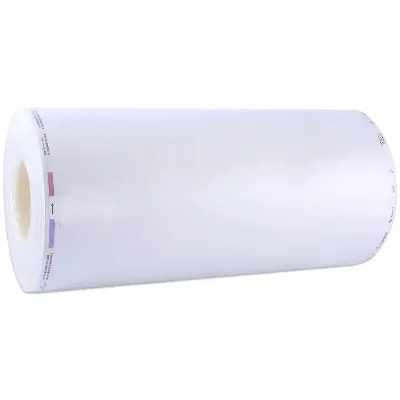


Self Sealing Sterilization Pouch for Medical or Dental Device Sterilization
$0.01 - $0.02
MOQ: 10000 Pieces


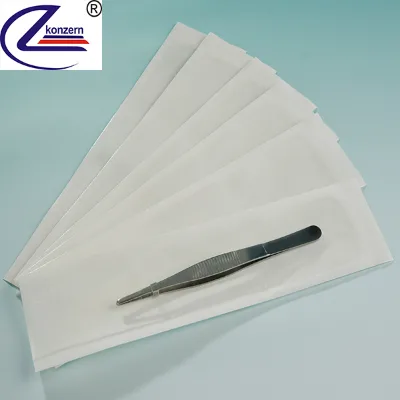

Custom Tyvek Sterilization Pouch for Surgical Instruments and Medical Devices
$0.22 - $0.50
MOQ: 1000 Pieces


Comprehensive Sourcing Guide
Tyvek Sterilization Pouch Sourcing Guide
Procuring tyvek sterilization pouches requires a disciplined approach to balancing material integrity, sterilization compatibility, and supply chain reliability. These pouches serve as critical barriers in medical and pharmaceutical packaging, ensuring that sterile instruments remain uncontaminated until the point of use. Buyers must navigate a market where product attributes vary significantly between suppliers, ranging from standard heat-sealable options to customized header bags with specific adhesive strengths. The following guide outlines the essential verification steps, technical considerations, and commercial terms necessary for successful sourcing.
The core keyword for this category is "Tyvek Sterilization Pouch," which typically refers to a composite material constructed from Tyvek paper and plastic film. This combination offers a unique balance of breathability for sterilization agents and impermeability to microorganisms. Sourcing decisions should be driven by the specific application environment, whether it is a hospital operating room, a pharmaceutical manufacturing facility, or a chemical processing unit. Understanding the end-use context is the first step in defining the correct material specifications and closure types required for your procurement strategy.
Product Scope and Observed Listing Signals
The current market landscape for tyvek sterilization pouches presents a wide array of product variations, with observed listing prices ranging from $0.01 to $10.44 USD. This broad price spectrum reflects differences in material quality, customization levels, and order volumes, with minimum order quantities (MOQs) typically spanning from 100 to 200,000 units. Buyers should interpret these signals as indicators of scale rather than direct value judgments, as lower prices may correlate with higher MOQs or standard, non-customized configurations. It is crucial to align your volume requirements with supplier capabilities to avoid unnecessary premium costs or supply bottlenecks.
Product names and descriptions in listings often vary, including terms such as "Self Seal Sterilization Pouch," "Guessted Sterilization Reel," and "Header Bag." These variations suggest that suppliers may offer different forms of the same core product, such as pre-cut pouches, rolls for automated filling, or specialized header designs. Observed attributes indicate that many products are disposable, made from composite materials like Tyvek and plastic film, and are available in white color. Some listings also note that the products are unrecycled and feature heat-seal closures, which are standard for maintaining sterility integrity. Buyers must carefully map these descriptive terms to their specific technical requirements to ensure compatibility with existing sterilization equipment.
Technical Specifications to Verify
Material composition is the most critical technical factor, with many products specified as a composite of Tyvek paper and plastic film. This structure provides the necessary strength and barrier properties for sterilization processes, including ethylene oxide (EO) and steam. Buyers should verify whether the pouches are designed for EO sterilization or steam sterilization, as the material permeability and heat resistance differ between these methods. Some listings explicitly state "Without Ethylene Oxide Sterilization," which may indicate a specific material variant or a mislabeling that requires immediate clarification with the supplier. Confirming the exact sterilization compatibility prevents costly failures during the validation process.
Dimensions and packaging specifications vary widely, with standard sizes such as 90260mm and 75mm100m rolls being common. Other observed models include dimensions like 135280mm and 75mm70m, with thickness being a customizable parameter. Packaging formats also differ, with options including 200 pieces per box, 8 rolls per carton, or 6 rolls per carton. Buyers must ensure that the selected pouch dimensions fit their sterilization chambers and that the packaging format aligns with their storage and handling capabilities. Additionally, features such as logo printing and OEM customization are available, allowing for brand identification but requiring precise artwork approval and potential setup costs.
Compliance and Safety Documentation
Certification status is a primary indicator of supplier reliability, with observed certifications including ISOCE, ISOSGS, and CE marks. These certifications suggest that the manufacturer adheres to certain quality management and safety standards, but buyers must verify the specific scope and validity of these certificates. It is essential to request copies of the certificates and confirm that they cover the specific product type and manufacturing location. Relying solely on the presence of a certification mark without verification can lead to compliance gaps, especially if the certification does not extend to the specific material composition or sterilization method used.
Regulatory standards such as ISO 11607 and EN 868-5 are relevant to medical device packaging, though specific compliance claims should be treated with caution unless explicitly supported by documentation. Buyers should inquire about the testing protocols used to validate the pouches' barrier properties and seal integrity. While some listings mention high adhesive strength and soft flexibility, these are performance observations that must be backed by test data. Ensuring that the product meets the regulatory requirements of your target market is non-negotiable, and buyers should prioritize suppliers who can provide comprehensive compliance dossiers rather than just marketing claims.
Cost Drivers and Commercial Terms
Pricing in this category is heavily influenced by customization and volume. Products with standard dimensions and no logo printing typically command lower prices, while customized header bags or specific thickness requirements may incur additional costs. The observed MOQ range of 100 to 200,000 units suggests that suppliers are flexible, but larger orders often yield better unit economics. Buyers should negotiate based on their projected annual consumption, considering the trade-off between inventory holding costs and per-unit price reductions. It is also important to clarify whether the quoted price includes packaging, shipping, and any tooling fees for custom designs.
Commercial terms such as sample availability and lead times are critical for supply chain planning. Many suppliers offer free samples or sample offers, which is a valuable opportunity to test the product in your sterilization cycle before committing to a large order. However, buyers should confirm the lead time for both sample delivery and mass production, as these can vary significantly based on the supplier's location and current order backlog. Some products originate from Anqing, China, while others may have different origins, which can impact shipping costs and transit times. Clear communication regarding delivery schedules and payment terms helps mitigate supply chain risks.
Supplier Qualification and Quality Control
Supplier qualification should begin with a thorough review of their manufacturing capabilities and quality control processes. Buyers should verify the supplier's production capacity, especially if they require high-volume orders with tight deadlines. Observing the supplier's packaging methods, such as PE bag packaging or carton packing, can provide insights into their attention to detail and product protection during transit. Additionally, suppliers that offer OEM logo acceptance and customized solutions demonstrate a higher level of operational flexibility, which can be beneficial for long-term partnerships.
Quality control measures should include regular audits of the production line and verification of incoming material quality. Buyers should request information on the supplier's defect rate and their process for handling non-conforming products. Since the products are often used in critical medical applications, any breach in sterility can have severe consequences. Establishing a clear quality agreement that defines acceptable tolerances for seal strength, material thickness, and dimensional accuracy is essential. Regular communication and periodic quality checks help maintain consistency and ensure that the supplier continues to meet your evolving requirements.
Long-Term Procurement Checks
Long-term procurement success depends on continuous monitoring of supplier performance and market trends. Buyers should track key performance indicators such as on-time delivery, product quality consistency, and responsiveness to issues. Regular reviews of the supplier's certification status and compliance documentation ensure that they remain aligned with regulatory changes. Additionally, staying informed about advancements in sterilization pouch technology can help buyers identify opportunities for cost savings or performance improvements. Building a diversified supplier base can also mitigate risks associated with single-source dependencies.
As the market for medical and pharmaceutical packaging evolves, buyers should remain vigilant about potential changes in material availability and pricing. Engaging in strategic discussions with suppliers about future needs and potential innovations can foster a collaborative relationship. It is also important to periodically reassess your internal requirements, as changes in sterilization processes or product designs may necessitate adjustments in pouch specifications. By maintaining a proactive approach to supplier management and quality assurance, buyers can ensure a reliable supply of high-quality tyvek sterilization pouches that support their operational goals.
FAQs
What is the standard size for the self seal sterilization pouch?
The standard size is 90*260mm for the self seal sterilization pouch. Customizable dimensions are also available to meet specific medical packaging needs.
Can I get samples of the Tyvek Sterilization Pouch for testing?
Samples are freely available for the Tyvek Sterilization Pouch. This allows buyers to verify material quality and sealing performance before placing bulk orders.
Which certifications do the medical pouches hold for hospital use?
The products hold ISOCE certification and some variants carry ISOSGS and CE marks. These certifications ensure compliance for hospital and medical sterilization applications.
How is the Tyvek Sterilization Pouch packaged for shipment?
The pouches are packed in cartons containing 200 pieces per box. Individual rolls or bags are also available depending on the specific product model selected.
What materials are used to make the sterilization pouch?
The pouches are made from Tyvek Paper combined with Plastic Film. This composite material ensures high adhesive strength and flexibility for effective sterilization.
Can the sterilization pouch be customized with a logo?
Yes, logo printing is available with customized options for the sterilization pouch. Buyers can request OEM logos to brand the medical packaging products.
What is the shelf life of the sterilization pouch?
The shelf life is one year for the sterilization pouch. This duration ensures the packaging remains effective for pharmaceutical and medical storage requirements.