Source Deodorant Curtain for Farms, Textiles, and Water Treatment
Explore 30 Deodorant Curtain options including spray, gel, and liquid forms for livestock farms, textile auxiliaries, and water treatment. Compare specifications like honeycomb cell designs and corrosion-resistant materials to find the right solution for your needs.
Key considerations
Products List


Freshness Deodorant Stick Container Antiperspirant Deodorant Stick for Men
$0.12 - $0.65
MOQ: 10000 Pieces




Comprehensive Sourcing Guide
Strategic Sourcing Guide for Deodorant Curtain Solutions
The global demand for effective odor management in agricultural and industrial settings has elevated the importance of specialized filtration and treatment systems. When sourcing a Deodorant Curtain, buyers must navigate a complex landscape of product definitions, material compositions, and application-specific requirements. The term "Deodorant Curtain" often encompasses a diverse range of technologies, from physical filtration structures to chemical spray systems. This guide provides a disciplined approach to evaluating these products, ensuring that procurement decisions are based on verified attributes rather than marketing assertions. The following sections detail the technical specifications, compliance considerations, cost structures, and supplier evaluation criteria necessary for a successful procurement cycle.
Technical Specifications and Product Architecture
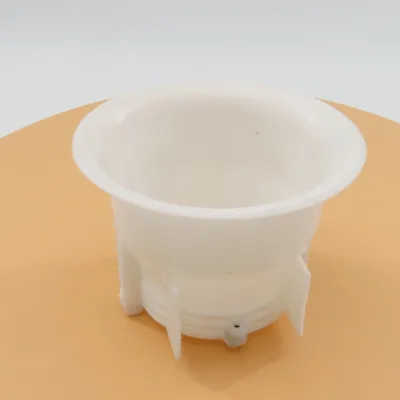
Understanding the physical and functional architecture of the product is the first step in any sourcing process. The market offers distinct variations, primarily categorized by their structural design and application method. One prominent configuration is the Honeycomb Cell Design, which utilizes a specific geometric structure to maximize surface area for air contact and filtration efficiency. This design is often paired with Corrosion-Resistant Composite materials, ensuring longevity in environments where moisture and chemical exposure are constant.
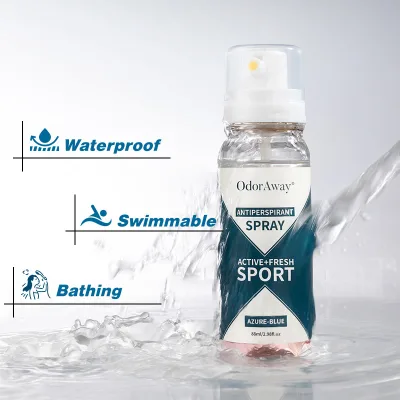
In contrast, other product listings define the "Deodorant Curtain" as a liquid or gel-based application system. These variants may feature a Spray or Gel form, packaged in Square or Round bottles with Screw Cap sealing types. The material composition for these liquid systems often includes Plastic containers holding Chemical ingredients, such as Aluminum Chlorohydrate, which serves as a primary active component for efficacy. The Form of the product dictates the delivery mechanism; while the honeycomb structure acts as a passive physical barrier, the spray or gel forms require active application systems.
Buyers must distinguish between these two primary categories. The Wet Curtain model, often associated with livestock applications, typically integrates a Snap Buckle connection type for ease of installation and maintenance. The prod_model identifiers found in supplier catalogs, such as 15920339858 or K2305, serve as unique reference points for specific configurations but do not inherently guarantee performance without further verification. The Standard Specifications for these products can range from fixed dimensions like 80ml or 20ML 30ML 50ML 75ML to fully Customized dimensions. When evaluating technical specs, the Shape of the container (Square vs. Round) and the Sealing Type are critical for logistics and storage stability.
Compliance, Certification, and Standard Verification
In the B2B procurement of chemical and filtration products, compliance is not merely a formality but a critical risk mitigation strategy. The supplied data indicates that products adhere to Standard Specifications or Customized standards, yet it does not explicitly list third-party certifications such as ISO, CE, or specific chemical safety approvals. Buyers must treat the absence of explicit certification claims in the provided text as a requirement for direct verification rather than an assumption of compliance.
When sourcing from origins like Shandong, China, Zhejiang, China, Guangzhou, China, or general Made in China designations, the regulatory environment varies by region. For products containing Chemical ingredients or Aluminum Chlorohydrate, the buyer must verify adherence to local and international chemical safety regulations. The prod_standard field often lists generic terms; therefore, procurement teams should request specific test reports or safety data sheets (SDS) to confirm that the Main Ingredient and other components meet the safety thresholds required for the intended application, whether it is Medium and Small-Scale Livestock Farms or Water Treatment.
Furthermore, the prod_packing standards, such as International Standards or IBC Tank configurations, must align with the destination country's import regulations. For instance, 120 Bottles/Carton or 144PCS/Carton packing densities must be validated against local hazardous material transport rules if the contents are classified as such. The Standard Specifications mentioned in the context, such as 20ML 30ML 50ML 75ML, represent volume capacities that must be cross-referenced with the actual product labeling to ensure no discrepancies exist between the catalog description and the physical goods received.
Cost Drivers and Pricing Dynamics
The pricing structure for Deodorant Curtain solutions is influenced by a confluence of factors, including material costs, customization levels, and order volume. The observed price range in the market spans from 0.05 to 40 USD, a wide variance that reflects the diversity of product types. Low-cost items typically correspond to basic plastic containers or simple chemical formulations, while higher-priced units may involve complex Honeycomb Cell Designs, specialized Corrosion-Resistant Composites, or custom-engineered systems.
MOQ (Minimum Order Quantity) is a primary driver of unit cost. The data shows an MOQ range from 1 to 20000. Suppliers with high MOQs, such as the 20000 unit threshold observed for certain cosmetic or chemical variants, often offer lower per-unit pricing due to economies of scale. Conversely, suppliers accepting low MOQs of 1 unit may charge a premium to cover setup and logistics costs. The Payment terms, such as TT (Telegraphic Transfer), also influence the financial dynamics, as they affect cash flow and risk allocation between the buyer and supplier.
Additionally, Customization availability is a significant cost variable. Products offering Customized standard specifications or custome color choices typically incur higher production costs compared to off-the-shelf items. The Making time of Around 40days for customized orders further impacts the total cost of ownership, as it may require buffer stock planning or expedited shipping fees to meet project deadlines. Buyers should analyze the total cost of acquisition, including the Packing costs (e.g., well packed vs. standard cartons) and potential tariffs, rather than focusing solely on the unit price.
Typical Applications and Performance Expectations
The application scope of deodorant curtains is broad, ranging from agricultural to industrial sectors. The primary application identified is for Medium and Small-Scale Livestock Farms, where the Multi-Function Deodorization and Cooling features are essential for maintaining animal health and environmental comfort. In this context, the Wet Curtain and Honeycomb Cell Design are particularly relevant, as they facilitate air filtration and temperature regulation simultaneously.
Beyond agriculture, the product attributes suggest utility in Water Treatment Chemicals, Textile Auxiliary Agents, Surfactants, and Plastic Auxiliary Agents. This indicates that the chemical formulations within the "curtain" or spray systems are versatile enough to serve as auxiliary agents in various manufacturing processes. For Cosmetics and Personal Care Products, the Efficacy claims such as Antiperspirant, 24hour Protect, and Refresh 24hours are critical performance indicators. The Fragrance profile, often noted as Flower, is another differentiator for consumer-facing applications.
Buyers must align the product's Usage with their specific operational needs. A product designed for Water Treatment may not be suitable for Livestock Farms without verification of its safety profile for animal contact. The Form (Spray vs. Gel) also dictates the application method; sprays are suitable for rapid coverage in open environments, while gels might be preferred for targeted, long-lasting protection in enclosed spaces. The Gender specification (Female, Male) in some listings suggests a niche focus on personal care, which is distinct from the industrial or agricultural use cases.
Supplier Evaluation and Geographic Considerations
Evaluating suppliers requires a focus on their geographic location, production capabilities, and logistical reliability. The supplied data highlights several key manufacturing hubs in China, including Shandong, Zhejiang, and Guangzhou. Each region may have different specializations; for example, Shandong is often associated with heavy industrial and agricultural machinery, while Zhejiang and Guangzhou are prominent in chemical manufacturing and consumer goods packaging.
When assessing a supplier, buyers should verify the prod_origin claims against the actual factory location. The presence of Customization capabilities suggests a flexible manufacturing line, but the Making time of Around 40days indicates that lead times can be substantial for bespoke orders. Suppliers offering Silkscreen LOGO services provide branding opportunities, but the quality of this service must be validated through samples.
The Connection Typ (Snap Buckle) and Shape (Square/Round) details are indicators of the supplier's attention to detail and product design maturity. A supplier that offers International Standards packing is likely more experienced in export logistics. However, buyers should not rely solely on the provided attributes; they must conduct due diligence to ensure the supplier has the capacity to meet the MOQ requirements and maintain consistent quality over time. The Payment terms of TT are standard but should be negotiated based on the order size and the supplier's reputation.
Quality Control and Long-Term Procurement Strategy
Implementing a robust quality control (QC) protocol is essential for mitigating risks associated with chemical and filtration products. Given the Material variations (Corrosion-Resistant Composite vs. Plastic) and Ingredient differences (Chemical vs. Aluminum Chlorohydrate), buyers must establish clear acceptance criteria. The Standard Specifications should be treated as a baseline, with specific test results required to confirm performance claims like 24hour Protect or Deodorization efficacy.
Long-term procurement considerations involve building a sustainable supply chain. The prod_packing consistency, such as 120 Bottles/Carton or IBC Tank usage, affects storage and handling efficiency. Buyers should negotiate Customized packing solutions that optimize space and reduce damage during transit. The MOQ flexibility is also a strategic factor; starting with lower quantities to test quality before committing to high-volume orders can reduce financial exposure.
Finally, the Standard Specifications or Customized nature of the product means that quality control must be continuous. Regular audits of the prod_model consistency, Color choose accuracy, and Sealing Type integrity are necessary to ensure that the product continues to meet the buyer's operational requirements. By focusing on these evidence-based criteria, buyers can secure reliable Deodorant Curtain solutions that deliver value across diverse applications.
FAQs
What is the structure of the Deodorant Curtain?
The product features a Honeycomb Cell Design to maximize surface area for filtration. This structure is typically paired with Corrosion-Resistant Composite materials to ensure longevity in moist environments.
Which materials are used for the Deodorant Curtain?
Materials include Corrosion-Resistant Composite for the curtain structure and Plastic for liquid containers. Some variants use Chemical ingredients like Aluminum Chlorohydrate for specific efficacy needs.
Can the product be customized for specific needs?
Yes, customization is available for standard specifications and color choices. Buyers can request customized dimensions, though this may increase the making time to around 40 days.
What is the minimum order quantity for this product?
The MOQ ranges from 1 to 20000 units depending on the specific product variant. Lower MOQs are available for basic items, while high-volume orders may require 20000 units.
Where are the Deodorant Curtain products manufactured?
Products originate from various locations in China, including Shandong, Zhejiang, and Guangzhou. The specific origin depends on the manufacturer and the type of product being sourced.
How is the product packed for international shipping?
Packing options include International Standards, Carton Packing, and IBC Tank configurations. Specific quantities vary, such as 120 Bottles per carton or 144 pieces per carton.