Source Derma Stamp for Salon, Home, and Clinic Use
Explore 30 Derma Stamp options featuring titanium gold needles and customizable lengths for facial rejuvenation, acne treatment, and hair regrowth. Buyers can compare specifications, pricing, and OEM services from verified suppliers in China.
Key considerations
Products List






Comprehensive Sourcing Guide
Strategic Sourcing Guide for Derma Stamp Systems
Understanding the Derma Stamp Technology and Core Specifications
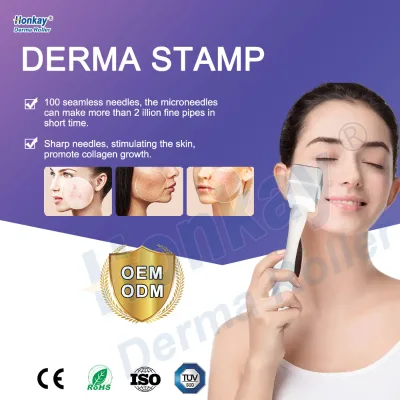
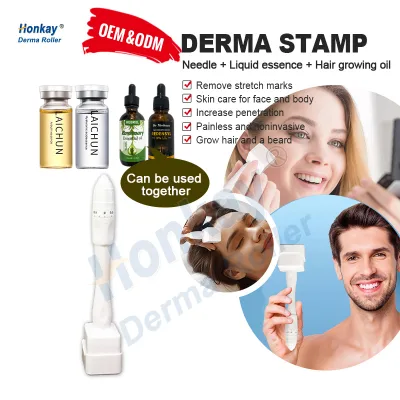
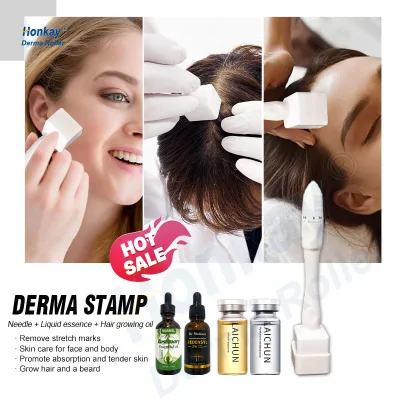
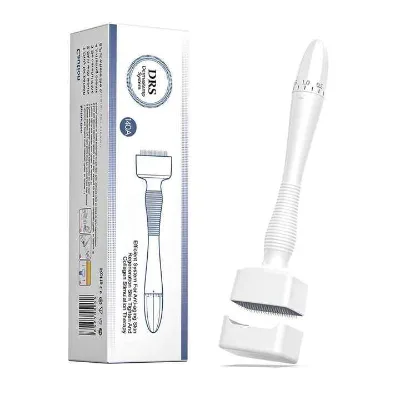
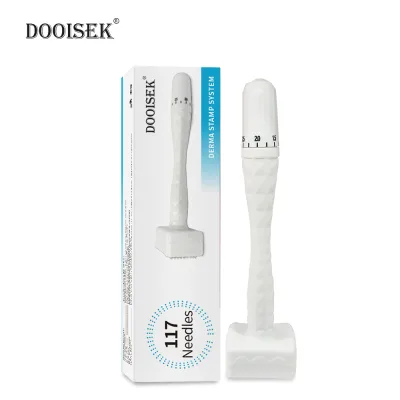
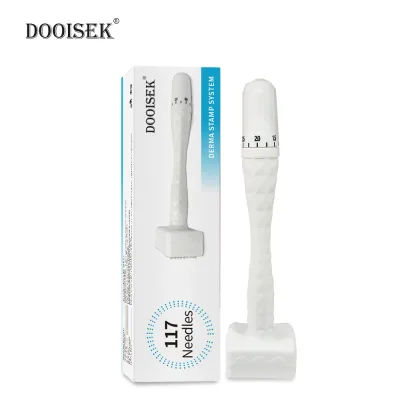
The Derma Stamp represents a significant evolution in microneedling technology, distinguishing itself from traditional derma rollers through its vertical, stamp-like motion. Unlike rollers that drag needles across the skin, creating micro-tears and potential friction damage, the Derma Stamp utilizes a vertical insertion and withdrawal mechanism. This design is critical for minimizing skin trauma while maximizing the depth of penetration, making it a preferred tool for professional applications in beauty centers, clinics, and salons, as well as for sophisticated home use.
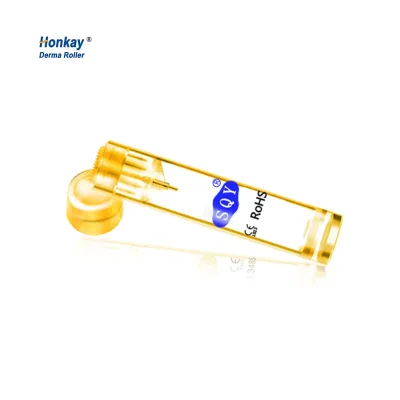
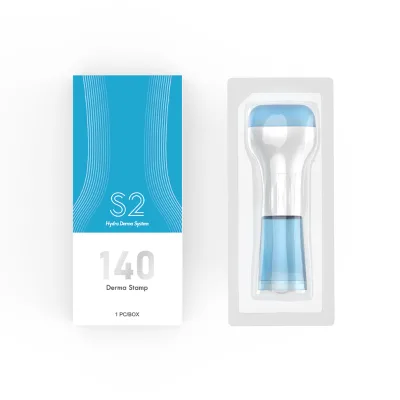
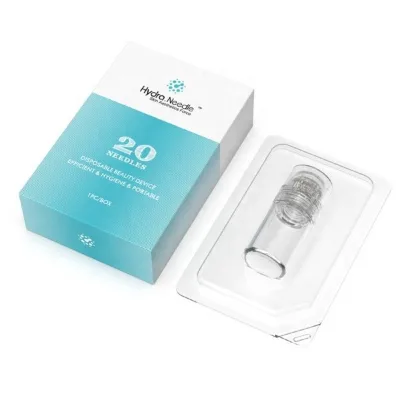
When evaluating the technical specifications of available units, buyers must look beyond the generic product name. The core of the device lies in its needle configuration and material composition. Observed market data indicates that high-performance models often feature a specific needle count, such as 19 needles or 140 pins, depending on the intended application area. The 19-needle configuration is typically associated with precision work on smaller areas like the eyes or lips, whereas the 140-pin variant is designed for broader surface coverage on the face, body, or neck. The needle material is a primary determinant of safety and efficacy; premium units utilize titanium gold needles, which offer superior biocompatibility and durability compared to standard steel. Conversely, some entries in the market list needle materials as PC ABS, which requires careful verification regarding the actual needle tip composition, as the housing material differs from the piercing element.
The physical dimensions of the device are equally important for operational efficiency. Single package sizes vary significantly, with compact units measuring approximately 12x10x4.5 cm and larger systems reaching 18x10x12 cm. This variance often correlates with the inclusion of additional accessories, such as multiple needle cartridges or storage cases. The needle length is another critical variable, with standard offerings ranging from 0.25mm for superficial treatments to 1.0mm or even up to 3.0mm for deeper tissue stimulation. Buyers must verify the specific available lengths for a given model, as the device's utility is strictly bound by the needle gauge and length capabilities.
Compliance, Safety Standards, and Regulatory Verification
In the realm of medical and aesthetic devices, compliance is not merely a formality but a fundamental requirement for liability and user safety. While the supplied data mentions a "Safety Guarantee," this is a general attribute and does not constitute a specific regulatory certification. Buyers must independently verify that the Derma Stamp systems they source meet the regulatory standards of their target market. For instance, devices intended for the European market must comply with the Medical Device Regulation (MDR), while those for the United States may require FDA clearance or 510(k) exemption status depending on the classification.
The origin of the product is a key factor in compliance verification. Many units are sourced from manufacturing hubs in China, specifically regions like Taixing, Jiangsu, and Guangdong. While these regions have robust manufacturing ecosystems, the specific factory's certification status must be confirmed. Buyers should request documentation proving that the manufacturing facility adheres to ISO 13485 standards for medical device quality management. Furthermore, the "Standard" attribute listed in some product data refers to needle thickness or gauge (e.g., 0.15mm, 0.18mm, 0.20mm, 0.25mm, 0.30mm, 0.35mm, 0.40mm). These numerical values represent the physical diameter of the needle, not a regulatory standard. Buyers must ensure that the needle gauges used are consistent with the safety protocols for the intended skin depth.
Waterproofing is another safety feature worth noting, with some models explicitly rated as "Yes." This characteristic is vital for hygiene, allowing the device to be thoroughly sterilized between uses without damaging the internal electronics or motor. However, the presence of a waterproof rating does not automatically imply medical-grade sterilization capability. Buyers should verify the recommended sterilization methods, such as autoclaving or chemical immersion, to ensure the device can be safely reused in a clinical setting. The warranty period, often cited as 6 months, serves as a baseline indicator of manufacturer confidence, but it should be reviewed alongside the specific terms of coverage regarding needle replacement and motor failure.
Cost Drivers and Pricing Dynamics in the Market
The pricing of Derma Stamp systems is influenced by a complex interplay of factors, including needle material, customization options, and order volume. The observed price range in the market spans from $1.50 to $45.00 USD, a wide disparity that reflects differences in quality, brand positioning, and feature sets. The lower end of this spectrum typically corresponds to basic models with standard needle materials and minimal packaging, often targeted at the home user or small salons. The higher end includes professional-grade units featuring titanium gold needles, advanced motor technology, and comprehensive accessory kits.
Customization is a significant cost driver in this sector. Suppliers frequently offer options for logo printing, private labeling, and custom packaging. These services allow brands to differentiate their products but inevitably add to the unit cost. The Minimum Order Quantity (MOQ) also plays a crucial role in pricing. The market shows an MOQ range from 1 to 500 units. Purchasing at the single-item level usually incurs a higher per-unit cost, while bulk orders of 500 units can significantly reduce the price per unit. Buyers must balance the need for inventory flexibility with the economies of scale offered by larger orders.
The "Good" price attribute mentioned in product descriptions is subjective and should be interpreted as a relative value proposition rather than a fixed metric. Buyers should conduct a comparative analysis of the total cost of ownership, which includes not only the purchase price but also the cost of replacement needles, packaging, and potential shipping fees. Additionally, the "Offer" attributes, such as the availability of samples, small MOQs, OEM, and ODM services, provide opportunities for buyers to test the market with lower financial risk before committing to large-scale procurement.
Typical Applications and Target Areas
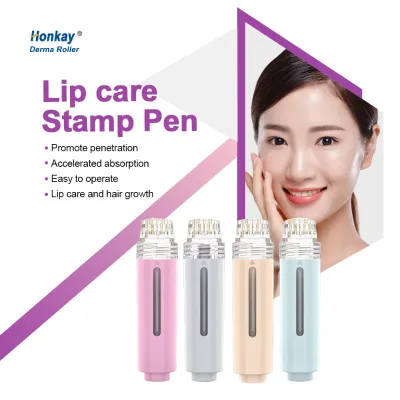
The versatility of the Derma Stamp allows it to be applied across a wide range of aesthetic and therapeutic areas. The primary applications include acne treatment, cellulite reduction, skin rejuvenation, wrinkle removal, and hair regrowth. These functions are supported by the device's ability to penetrate specific skin layers, stimulating collagen production and enhancing the absorption of topical serums. The target areas are extensive, covering the face, eyes, neck, throat, lips, body, legs, arms, and hands.
Different needle configurations are optimized for different target areas. For instance, the 19-needle configuration is ideal for delicate areas such as the eyes and lips, where precision is paramount to avoid damaging surrounding tissue. In contrast, the 140-pin model is better suited for larger surface areas like the cheeks, forehead, and body, where broad coverage is required to treat conditions like cellulite or widespread scarring. The device is also marketed for specific concerns such as anti-puffiness, dark circles, whitening, firming, and skin tightening.
The application environment varies from professional settings to home use. In salons, beauty centers, and clinics, the Derma Stamp is used by trained professionals who can control the depth and pressure of the treatment to maximize results. For home use, the device is often designed with safety features and ergonomic handles to facilitate self-application. The "Application" attribute lists "Salon, Home" and "Beauty Spa, beauty center, salon, home use," indicating that the same device can serve dual purposes depending on the user's expertise and the specific model's complexity. Buyers should ensure that the selected model includes clear instructions and safety guidelines for the intended user base.
Supplier Evaluation and Quality Control Protocols
Selecting a reliable supplier is critical to ensuring the quality and safety of the Derma Stamp systems. Buyers should prioritize suppliers who offer transparent information about their manufacturing processes and quality control measures. The "Customization" attribute, which includes options for logo, private label, package, new shape, and color changes, suggests a flexible supply chain. However, flexibility should not come at the expense of quality. Buyers must verify that the supplier has a robust quality control system in place to ensure consistency across batches.
Key evaluation criteria include the supplier's ability to provide samples for testing, their responsiveness to inquiries, and their track record in the industry. The "Offer" section highlights the availability of samples, small MOQs, and OEM/ODM services, which are positive indicators of a supplier's willingness to collaborate. Buyers should request detailed product specifications, including the exact needle material, needle length, and motor specifications, to ensure they match their requirements.
Quality control should extend to the packaging and labeling of the product. The "Product Packing" attribute indicates that customized packing is available, which is essential for branding and regulatory compliance. Buyers must ensure that the packaging protects the device during shipping and includes all necessary documentation, such as user manuals and safety warnings. The "Single Gross Weight" of 1.000 kg is a specific data point that can help buyers calculate shipping costs and verify the completeness of the package.
Long-Term Procurement Considerations and Sustainability
Long-term procurement strategies for Derma Stamp systems should focus on sustainability, scalability, and after-sales support. The "Warranty" period of 6 months is a standard offering, but buyers should negotiate extended warranty terms for bulk orders or professional use cases. The availability of replacement parts, such as needle cartridges and batteries, is crucial for the longevity of the device. Buyers should verify that the supplier maintains a steady inventory of consumables to prevent downtime in their operations.
The "Plug Type" attribute, which includes CN, JP, US, EU, AU, and UK options, highlights the importance of regional compatibility. For global procurement, buyers must ensure that the power adapters and plugs match the electrical standards of their target markets. This consideration is particularly relevant for devices that are intended for use in multiple countries or for export purposes.
Sustainability is an emerging concern in the beauty industry. Buyers should inquire about the recyclability of the device components and the packaging materials. The "Color" attribute, which includes transparent and gold options, suggests that aesthetic customization is possible, but buyers should also consider the environmental impact of the materials used. Finally, the "Needle quantity" and "Needle length" specifications should be reviewed regularly to ensure that the supplier continues to offer the latest and most effective configurations as technology evolves. By focusing on these long-term factors, buyers can build a resilient supply chain that supports their business growth and maintains high standards of quality and safety.
FAQs
What needle materials are available for derma stamps?
Available needle materials include titanium gold needles and PC ABS housing. Buyers must verify the actual piercing element composition, as some listings list housing material instead of the needle tip itself.
Which needle lengths can be selected for this device?
Standard options include 0.25mm, 0.6mm, 1.0mm, and lengths up to 3.0mm depending on the model. The specific available lengths vary by model number, so users must check the product specification for their chosen unit.
Can I customize the logo and packaging for orders?
Yes, customization is available for logo, private label, package, shape, and color. This service allows brands to differentiate products but may affect the minimum order quantity and unit pricing.
What is the warranty period for Derma Stamp systems?
The standard warranty period is 6 months for the device. Buyers should review specific terms regarding needle replacement and motor failure to understand the full scope of coverage provided by the manufacturer.
How many needles are typically included in one unit?
Common configurations include 19 needles for precision areas and 140 pins for broader surface coverage. The 19-needle model suits delicate zones like eyes, while the 140-pin variant is designed for larger areas like the face or body.
Where are these Derma Stamp devices manufactured?
Products originate from manufacturing hubs in China, specifically Taixing, Jiangsu, and Guangdong. Buyers should verify the specific factory certification status, as origin alone does not guarantee compliance with international medical device standards.