Source Dental Soft Tissue Laser for Gum Surgery, Biopsy, and Cautery
Compare 30 Dental Soft Tissue Laser options from verified suppliers in China. Buyers can evaluate Class I and Class III devices with wavelengths from 650nm to 980nm, varying power outputs, and disposable fiber tips for soft tissue procedures.
Key considerations
Products List
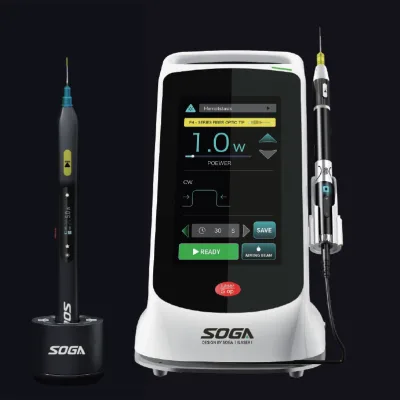


Er: YAG Dental Laser 2940nm Soft & Hard Tissue Laser for Dental Clinic Use
$15000.00 - $25000.00
MOQ: 1 Pieces


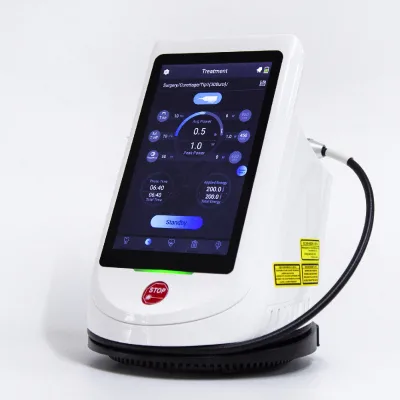
Multi-Functional Versatile 980nm Dental Soft Tissue Laser for Comprehensive Treatment
$1380.00 - $1980.00
MOQ: 1 Pieces


Soft Tissue Cutting Whitening Pain Therapy Dual Wavelength 810nm 980nm Dental Laser
$1000.00 - $3499.00
MOQ: 1 Sets


ICEN Soft Tissue Cutting Laser For Dentist And Hospital And Dental Clinic
$1900.00 - $2800.00
MOQ: 1 Pieces

Icen Soft Tissue Cutting Laser for Dentist and Hospital and Dental Clinic
$1900.00 - $2800.00
MOQ: 1 Pieces


New Design 980nm Surgical Diode Laser Soft Tissue Treat Ent Medical Dental Apparatus
$2480.00 - $2980.00
MOQ: 1 Pieces

Dental Soft Tissue Laser Pen Disinfection Wireless Handheld Laser Weak Cutting
$2064.00 - $2302.00
MOQ: 1 Pieces
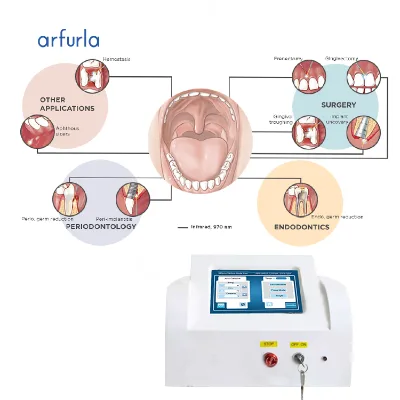
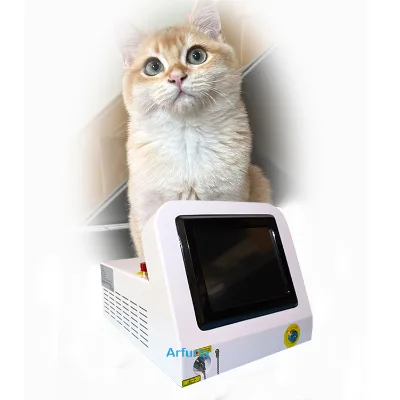
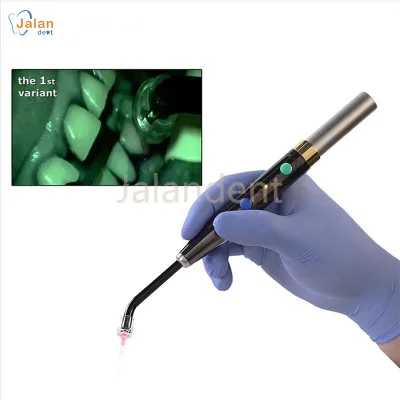
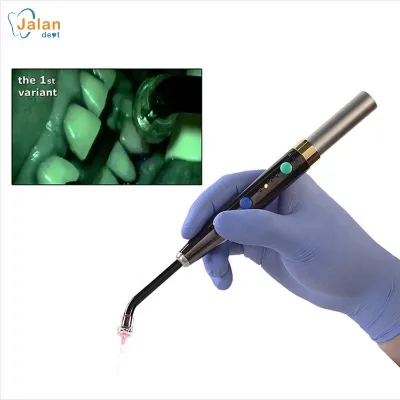

980nm Diode Dental Laser for Soft Tissue Laser Pen Dental Diode Laser
$1900.00 - $2400.00
MOQ: 1 Pieces
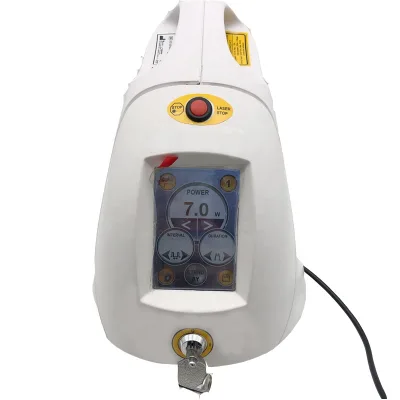
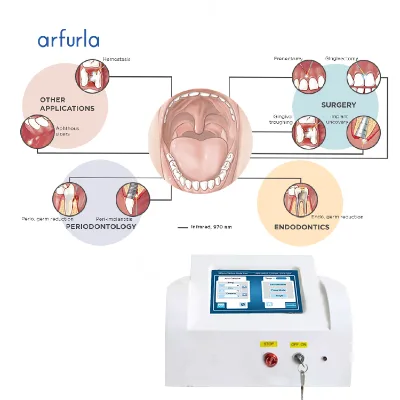

Dental Laser Laser Machine for Periodontal Therapy Soft Tissue Treatment and PBM Therapy
$4500.00 - $9000.00
MOQ: 1 Pieces

450nm Blue Dental Laser Machine for Teeth Whitening and Soft Tissue Surgery
$4500.00 - $9000.00
MOQ: 1 Pieces


450nm Blue Laser Dental Device for Soft Tissue Surgery and Teeth Whitening
$4500.00 - $9000.00
MOQ: 1 Pieces

2940nm Er: YAG Dental Laser Cutting for Oral Hard and Soft Tissues
$41000.00 - $43000.00
MOQ: 1 Pieces
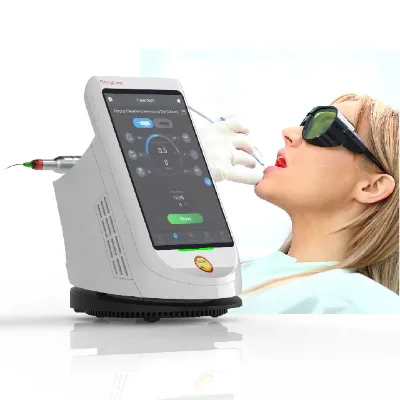
Class 4 Dental Diode Laser Soft Tissue Treatment for Periodontal Deseases
$2000.00 - $5000.00
MOQ: 1 Minimum
Comprehensive Sourcing Guide
Strategic Sourcing Guide for Dental Soft Tissue Lasers
Understanding the Technical Landscape of Diode Lasers
The procurement of dental soft tissue lasers requires a precise understanding of the underlying technology, as the market is dominated by diode laser systems designed specifically for gingival surgery, periodontal therapy, and soft tissue ablation. The core mechanism relies on the emission of light at specific wavelengths that are highly absorbed by hemoglobin and water, allowing for precise cutting with simultaneous coagulation. Based on observed product attributes in the current supply chain, the most prevalent technology involves diode lasers operating at wavelengths such as 650nm and 980nm. These wavelengths are critical for soft tissue applications, distinguishing them from hard tissue lasers like Er:YAG systems, which operate at 2940nm and are designed for enamel and dentin removal.
When evaluating technical specifications, buyers must scrutinize the emission mode capabilities. High-performance units often offer both continuous wave and pulse modes. The pulse mode is particularly valuable for managing thermal spread, allowing the operator to control the depth of penetration and minimize damage to surrounding healthy tissue. The power output is another defining characteristic; observed units in the market range from low-power handheld devices delivering 0.5W to 5W, up to more robust systems capable of outputs exceeding 12W. The distinction between a 5W handheld pen and a 12W+5W+1W system is significant, as it dictates the clinical efficiency and the types of procedures the device can handle. Furthermore, the aiming beam, often a visible diode laser at 980nm, is essential for precise targeting before the therapeutic laser is activated.
The physical design of the handpiece also influences usability. Many modern systems feature a disposable plastic tip attached to a fiber-optic coupling, which ensures hygiene and prevents cross-contamination between patients. The fiber tip itself is a consumable component that must be replaced regularly. The weight of the instrument is a critical ergonomic factor; units weighing approximately 150g are generally preferred for reducing hand fatigue during prolonged procedures. The power source is another technical variable; while some systems rely on direct electricity, others incorporate built-in rechargeable lithium-ion batteries, offering greater portability and flexibility in clinical settings where power outlets may be limited.
Compliance, Certification, and Regulatory Standards
Navigating the regulatory landscape is a non-negotiable aspect of sourcing medical devices. In the context of dental lasers, compliance with international quality management systems and safety standards is paramount. The observed supply chain frequently references CE certification, indicating conformity with health, safety, and environmental protection standards for products sold within the European Economic Area. Some listings also mention ISO certification, which suggests adherence to international standards for quality management, though the specific ISO standard (such as ISO 13485 for medical devices) should be explicitly verified by the buyer.
Safety standards are equally critical. One observed specification references the standard EN149-2001, which typically relates to respiratory protective equipment, suggesting a potential data entry error or a specific component standard rather than the laser safety standard itself. Buyers must be vigilant here; the primary laser safety standard is IEC 60825-1, which classifies lasers into risk classes. The product data indicates a mix of Class I and Class III classifications. Class I devices are generally considered safe under all conditions of normal use, while Class III devices, which include many high-power diode lasers, pose a potential hazard to the eyes and require strict safety protocols, including the use of protective eyewear. The classification of the device directly impacts the operational requirements and the liability profile of the clinic.
When evaluating suppliers, the presence of a Quality Certification mark is a strong indicator of a manufacturer's commitment to consistency. However, the mere mention of "CE" or "ISO" on a product listing is an observation, not a guarantee of current validity. Procurement teams must request valid certificate copies and verify their authenticity with the issuing bodies. The shelf life of the device, often cited as one year for certain components, and the warranty period, which can range from one to two years, are also indicators of the manufacturer's confidence in their product's durability. A warranty of two years suggests a higher level of reliability compared to a one-year term, though this must be weighed against the cost and the specific terms of coverage.
Cost Drivers and Pricing Structure Analysis
The pricing of dental soft tissue lasers is influenced by a complex matrix of factors, including power output, technological features, brand reputation, and the inclusion of consumables. The observed market data reveals a significant price variance, ranging from approximately $135 to $43,000. This wide spectrum reflects the difference between basic, low-power handheld units and comprehensive, high-power clinical systems with advanced software and multiple wavelength capabilities.
The primary cost driver is the laser diode itself. Higher power outputs, such as the 12W+5W+1W configurations observed, command a premium price due to the cost of the semiconductor components and the engineering required to manage heat dissipation. Additionally, the inclusion of rechargeable battery systems and portable designs adds to the manufacturing cost but offers significant value in terms of mobility. The packaging and shipping weight also contribute to the final landed cost; units with a single gross weight of 4.000 kg and dimensions of 360x300x60mm require specialized logistics, which can impact the overall price, especially for international buyers.
Another critical cost factor is the consumable ecosystem. The disposable plastic tips and fiber-optic couplings are recurring expenses that must be factored into the total cost of ownership. While the initial purchase price of the laser unit is a one-time capital expenditure, the ongoing cost of replacing fiber tips can be substantial over the life of the device. Buyers should inquire about the cost per tip and the recommended replacement frequency. Furthermore, the availability of spare parts and the cost of after-sales service, such as video technical support or free spare parts, can significantly affect the long-term financial viability of the purchase.
The Minimum Order Quantity (MOQ) is another consideration. The observed data indicates an MOQ of 1 for many items, suggesting that these products are available for individual purchase rather than requiring bulk orders. This flexibility is beneficial for clinics looking to test a single unit before scaling up their inventory. However, buyers should be aware that while the MOQ is low, the unit price may be higher compared to bulk purchasing agreements. The "Selling Units" being listed as "Single item" reinforces the trend toward individual sales, but negotiation on pricing for multiple units should always be considered.
Typical Clinical Applications and Operational Versatility
Dental soft tissue lasers have revolutionized various periodontal and restorative procedures by offering minimally invasive alternatives to traditional scalpels. The primary application is soft tissue surgery, including gingivectomy, frenectomy, and crown lengthening. The ability of the laser to cut tissue while simultaneously coagulating blood vessels reduces bleeding and eliminates the need for sutures in many cases, leading to faster healing times and improved patient comfort. The specific wavelength of 980nm is particularly effective for these procedures due to its high absorption by pigmented tissue.
Beyond soft tissue surgery, these devices are increasingly used for periodontal therapy, such as the decontamination of periodontal pockets. The laser energy can penetrate the pocket lining, killing bacteria and removing infected tissue without damaging the surrounding healthy structures. This application is crucial for treating periodontitis and promoting the regeneration of periodontal tissues. The pulse width capabilities, ranging from 15ms to 100ms, allow for precise control over the thermal effects, ensuring that the laser energy is delivered safely and effectively.
The versatility of these systems is further enhanced by their ability to handle different tissue types. While the primary focus is on soft tissue, some advanced systems may offer features that allow for limited hard tissue applications, although this is distinct from dedicated Er:YAG lasers. The "Feature: Dental Hard Tissue" attribute observed in some listings suggests that certain models may have capabilities beyond soft tissue, but buyers must verify the specific wavelength and power settings to ensure suitability for hard tissue procedures. The aiming beam, typically a 980nm diode laser, ensures that the operator can accurately target the treatment area, which is essential for precision in delicate dental procedures.
The portability of these devices is another significant advantage. With dimensions ranging from compact handheld pens to larger benchtop units, the systems can be adapted to various clinical environments. The "Portable" attribute observed in the data indicates that many units are designed for mobility, allowing dentists to use them in different treatment rooms or even in mobile dental clinics. This flexibility is particularly valuable for practices that serve a wide range of patients or operate in multiple locations.
Supplier Evaluation and Vendor Selection Criteria
Selecting the right supplier is as critical as selecting the right product. The observed market data indicates a concentration of manufacturers in China (mainland), with specific mentions of Beijing as a production origin. While this provides access to a vast pool of potential suppliers, it also necessitates rigorous due diligence to ensure quality and reliability. Buyers should prioritize suppliers who demonstrate transparency in their manufacturing processes and provide clear documentation of their quality control measures.
One key criterion for evaluation is the after-sales service provision. The data highlights services such as "Online Technical Support," "Video Technical Support," and "Free Spare Parts." These services are essential for maintaining the operational continuity of the clinic. A supplier that offers comprehensive support, including training and troubleshooting, is more likely to provide a better long-term experience than one that offers minimal assistance. The availability of spare parts is also crucial; the "Free Spare Parts" attribute suggests that some suppliers are willing to absorb the cost of replacements, which can significantly reduce the total cost of ownership.
The brand name and customization options are also important factors. The "CHARMING OEM" brand and the "OEM/ODM: Accepted" attribute indicate that many suppliers are willing to customize products for specific buyers. This flexibility allows clinics to brand the device with their own logo or request specific modifications to the design or software. However, customization should be approached with caution, as it can introduce variability in quality and lead to longer lead times. Buyers should ensure that any customizations do not compromise the safety or performance of the device.
The warranty period is another indicator of supplier confidence. The observed range of one to two years suggests that suppliers are willing to stand behind their products. A longer warranty period, such as two years, may indicate a higher level of quality and reliability. However, buyers should carefully review the terms and conditions of the warranty to understand what is covered and what is excluded. The "Shelf Life" of one year for certain components also suggests that the supplier is aware of the degradation of materials over time and is providing a realistic estimate of the product's lifespan.
Quality Control and Long-Term Procurement Considerations
Ensuring the quality of dental soft tissue lasers requires a proactive approach to quality control. Buyers should request detailed test results and performance data from suppliers to verify that the devices meet the specified technical parameters. The observed specifications, such as the wavelength of 650nm ± 980 and the power range of 0.5W-5W, should be validated through independent testing or third-party certification. The "Standard Export Packaging" and "Standard" or "Customized" product standards suggest that the packaging and labeling should be consistent with international shipping requirements to prevent damage during transit.
Long-term procurement considerations include the availability of consumables and the potential for technology obsolescence. The disposable plastic tips and fiber-optic couplings are essential for the operation of the laser, and their availability must be guaranteed for the lifespan of the device. Buyers should negotiate long-term supply agreements to ensure a steady stream of consumables at competitive prices. Additionally, the rapid evolution of laser technology means that buyers should consider the potential for future upgrades or replacements. A system with a modular design or the ability to upgrade software and hardware components can extend the useful life of the investment.
The environmental impact of the device is also a growing concern. The use of lithium-ion batteries and the disposal of plastic tips and fiber optics should be managed responsibly. Buyers should inquire about the supplier's policies on recycling and waste management. The "Theory: Laser" attribute confirms the fundamental technology, but the broader environmental implications of the manufacturing and disposal processes should be considered.
Finally, the training and support provided by the supplier are critical for the successful integration of the laser into the clinic. The "Language: English or OEM" attribute suggests that the user interface and documentation should be available in the buyer's preferred language. Comprehensive training programs, including hands-on workshops and online resources, are essential for ensuring that the dental team can use the device safely and effectively. The "After-Sales Service Provided" attribute, which includes video technical support, indicates that suppliers are increasingly recognizing the importance of remote assistance in maintaining device performance.
Comparative Analysis of Key Product Attributes
To facilitate informed decision-making, the following table summarizes the key attributes observed in the market, highlighting the variations in specifications and features that buyers should consider.
| Attribute Category | Observed Variation | Procurement Consideration |
|---|---|---|
| Wavelength | 650nm ± 980, 980nm | Verify suitability for soft tissue vs. hard tissue applications. |
| Power Output | 0.5W-5W, 12W+5W+1W | Match power to clinical needs; higher power for faster procedures. |
| Emission Mode | Continuous, Pulse | Pulse mode offers better thermal control for sensitive tissues. |
| Power Source | Electricity, Rechargeable Li-ion | Battery-operated units offer greater portability and flexibility. |
| Tip Type | Disposable Plastic Tip | Factor in recurring consumable costs and replacement frequency. |
| Certification | CE, CE ISO | Verify validity and scope of certifications with issuing bodies. |
| Warranty | 1 Year, 2 Years | Longer warranty may indicate higher reliability; review terms. |
| Origin | China (Mainland), Beijing | Consider logistics, lead times, and potential trade tariffs. |
| Weight | 150g (Handheld) | Ergonomics are critical for reducing hand fatigue during use. |
| Safety Class | Class I, Class III | Class III requires strict safety protocols and protective eyewear. |
This comparative analysis underscores the importance of aligning product specifications with clinical requirements and operational constraints. By carefully evaluating these attributes, buyers can make informed decisions that optimize the value and performance of their Dental Soft Tissue Laser investments. The diversity in the market allows for a wide range of options, but the key to success lies in thorough research, rigorous supplier evaluation, and a clear understanding of the long-term implications of the procurement decision.
FAQs
What certifications do dental soft tissue lasers typically have?
Most units carry CE certification, and some listings also mention ISO certification. Buyers must verify valid certificate copies with issuing bodies to ensure compliance with health and safety standards for medical devices.
Which laser wavelengths are best for soft tissue procedures?
Diode lasers operating at 650nm and 980nm are prevalent for soft tissue applications. These wavelengths are highly absorbed by hemoglobin and water, allowing precise cutting with simultaneous coagulation during gingival surgery.
How much do dental soft tissue lasers cost?
Prices range from approximately $135 to $43,000 depending on power and features. Basic handheld units are cheaper, while high-power systems with advanced software and multiple wavelengths command a premium price.
Can these lasers be used for hard tissue applications?
Some listings claim features for dental hard tissue, but dedicated Er:YAG lasers are better suited for enamel and dentin. Buyers should verify specific wavelengths and power settings to ensure suitability for hard tissue procedures.
What is the typical warranty period for these devices?
Warranty periods observed in the market range from one to two years. A two-year warranty suggests higher reliability, though terms must be weighed against the cost and specific coverage conditions provided by the manufacturer.
How are the laser fiber tips designed for hygiene?
The system uses disposable plastic tips attached to a fiber-optic coupling to prevent cross-contamination. The fiber tip is a consumable component that must be replaced regularly after each patient procedure.
What power sources are available for these laser units?
Units may rely on direct electricity or incorporate built-in rechargeable lithium-ion batteries. Battery-powered options offer greater portability and flexibility in clinical settings where power outlets may be limited.