Source Desktop Dual USB-C Fast Charger for Commercial, Industrial, Residential
Compare 30 Desktop Dual USB-C Fast Charger options from verified suppliers. These units feature dual ports, fast charging capabilities, and are suitable for commercial, industrial, and residential applications with various certifications and materials; compare the available evidence and request quotations based on your requirements.
Key considerations
Products List


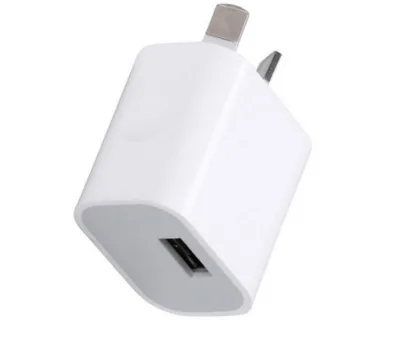


$7.25 - $7.50
MOQ: 1000 Pieces

$7.25 - $7.50
MOQ: 1000 Pieces


$50.00 - $51.00
MOQ: 200 Pieces


Comprehensive Sourcing Guide
Desktop Dual USB-C Fast Charger Sourcing Guide
Sourcing desktop dual USB C fast chargers requires a disciplined approach to balancing power delivery specifications with physical form factor constraints. Buyers must first define the target output current, as observed listings indicate a wide range from 2.1A to 4200mA, which directly impacts the charger’s ability to simultaneously power high-drain devices like laptops and tablets. The presence of Quick Charging Function is a critical differentiator, ensuring compatibility with modern devices that require specific voltage profiles for efficient energy transfer. Procurement teams should verify whether the unit supports fixed or adaptive voltage outputs to prevent underperformance in mixed-device charging scenarios.
The physical design and installation method significantly influence the user experience and desk organization. Observed data highlights options ranging from portable styles to table-mounted units, with shapes varying between square and rectangular profiles. Materials such as ABS and PC are commonly used, offering a balance of durability and heat dissipation. Buyers should evaluate the inclusion of features like LED indicators and on/off switches, which provide operational feedback and energy savings. The choice between grounding and non-grounding configurations must align with local electrical safety standards and the specific requirements of the end-user environment, whether residential or industrial.
Product Scope and Observed Listing Signals
The market for desktop dual USB C fast chargers exhibits significant variation in model numbering and packaging standards, which can complicate direct comparisons. Observed product models include identifiers such as F21-C3, F21-C4, M21-C5, and STC-1, each potentially representing distinct internal architectures or output configurations. Packaging units also vary, with some items packed in quantities of ten per inner box and others in cartons of one hundred pieces. This inconsistency necessitates careful verification of the exact unit configuration before placing bulk orders, as misinterpretation of packing standards can lead to logistical errors and unexpected inventory levels upon delivery.
Application scope is broad, covering commercial, industrial, residential, and even specialized environments like hospitals and laboratories. This versatility suggests that the core technology is robust enough for high-traffic public spaces as well as private home offices. However, the specific application dictates the required durability and safety features. For instance, units intended for laboratory use may require stricter grounding and higher certification standards compared to general-purpose residential chargers. Buyers should map their specific use cases to the observed application tags to ensure the selected hardware meets the environmental demands of the deployment site.
Technical Specifications to Verify
Voltage and current output are the primary technical parameters that determine the charger’s utility. Listings show outputs ranging from a standard 5V at 2.1A to high-capacity configurations supporting up to 4200mA. It is crucial to verify if the dual ports can deliver maximum current simultaneously or if the output is shared between ports. Some specifications mention configurations like 1x2000mA or 2x1000mA, which indicates a fixed split rather than dynamic load balancing. Procurement teams must confirm the power distribution logic to ensure that charging multiple devices does not result in significantly reduced speeds for each connected unit.
Physical dimensions and socket compatibility are equally important for integration into existing workflows. Standard sizes observed include 45x45mm, 50x50mm, and 22.5x45mm, with some units designed for specific regions like the USA and Canada. The presence of a display or lack thereof affects the user interface, with some models offering visual feedback on charging status while others remain minimalist. Buyers should also check the port type, ensuring the device supports both Type A and Type C connectors if legacy device support is required. The installation type, whether table-mounted or portable, should align with the available desk space and cable management needs.
Compliance and Safety Documentation
Certification requirements vary by region and application, with CE and RoHS being frequently observed standards. These certifications indicate compliance with European health, safety, and environmental protection standards, which is often a baseline requirement for international trade. Some listings also reference ISO 9001, suggesting that the manufacturer adheres to quality management systems, although this applies to the production process rather than the product itself. Buyers must verify that the specific unit model carries the necessary certifications for their target market, as non-compliant products can face customs delays or legal restrictions.
Additional safety standards such as ETL and TUV may be present in higher-tier models, particularly those intended for commercial or industrial use. These certifications often involve more rigorous testing for electrical safety and performance reliability. The distinction between standard grounding and non-grounding configurations also impacts compliance, as grounded units are typically required for certain industrial or medical applications. Procurement teams should request valid test reports and certification documents for each model before finalizing orders, ensuring that the documentation matches the specific product batch and model number to avoid discrepancies during audits.
Cost Drivers and Commercial Terms
Pricing for desktop dual USB C fast chargers varies widely, with observed ranges from $1.30 to $51.00 per unit. This disparity is driven by factors such as output capacity, certification level, and included features like LED indicators or displays. Higher-priced units often offer greater current output, robust safety certifications, and premium materials like PC instead of ABS. Buyers should analyze the cost per watt of output to determine the true value proposition, rather than focusing solely on the unit price. Understanding these cost drivers helps in budgeting for large-scale deployments where small price differences can accumulate significantly.
Minimum Order Quantities (MOQ) also play a crucial role in procurement planning, with observed ranges from 1 to 1000 pieces. Lower MOQs are suitable for prototyping or small-scale trials, while higher MOQs may offer better unit pricing but require greater capital commitment. Some listings specify an MOQ of 1000 pieces, which may be necessary to access certain price tiers or customization options. Buyers should negotiate MOQ flexibility based on their sales forecast and inventory capacity, considering the potential for stock obsolescence if market preferences shift rapidly. Clear communication of volume expectations early in the sourcing process can lead to more favorable commercial terms.
Supplier Qualification and Quality Control
Supplier qualification should extend beyond basic certification checks to include an assessment of manufacturing capabilities and quality control processes. The presence of ISO 9001 certification suggests a structured approach to quality management, but buyers should verify the scope of this certification to ensure it covers the specific product lines of interest. Requesting samples for independent testing is a critical step to validate performance claims, particularly regarding output stability and heat dissipation under load. This due diligence helps mitigate the risk of receiving products that do not meet the specified technical parameters.
Customization availability is another key factor for buyers seeking branded or specialized solutions. Many suppliers offer customization options, allowing for modifications in color, packaging, or even internal components. However, customization often comes with higher MOQs and longer lead times. Buyers should assess the supplier’s flexibility and responsiveness to custom requests, as well as their ability to maintain quality consistency across customized batches. Establishing clear quality control checkpoints, such as pre-shipment inspections, ensures that the final products meet the agreed-upon specifications and standards before they leave the factory.
Long-Term Procurement Checks
Long-term procurement success depends on establishing robust relationships with suppliers who can provide consistent quality and support. Regular audits of supplier performance, including on-time delivery rates and defect ratios, help identify potential issues before they impact operations. Buyers should also monitor changes in certification requirements and industry standards, ensuring that their sourcing strategy remains compliant with evolving regulations. Maintaining open communication with suppliers regarding future product developments can provide early access to improved technologies and more efficient designs.
Inventory management and product lifecycle planning are essential for avoiding obsolescence and ensuring supply continuity. Buyers should track the performance of deployed chargers in the field, gathering feedback on durability and user satisfaction. This data can inform future purchasing decisions and help negotiate better terms with suppliers based on historical performance. Additionally, having a backup supplier or alternative product options can mitigate risks associated with supply chain disruptions. By focusing on long-term partnership and continuous improvement, buyers can secure a reliable source of high-quality desktop dual USB C fast chargers.
FAQs
What certifications are available for desktop dual usb c fast chargers?
Desktop dual usb c fast chargers typically feature CE and RoHS certifications to ensure compliance with international safety and environmental standards. Some models also include ETL and ISO 9001 approvals for enhanced quality assurance. These certifications verify that the ABS or PC materials used in construction meet rigorous regulatory requirements for commercial and residential applications.
Can I customize the shape and color of these chargers?
Yes, customization is available for desktop dual usb c fast chargers, allowing buyers to select specific shapes like square or rectangular designs. Color options generally include white or black finishes to match interior aesthetics. Customized features may also include branding or specific port configurations, ensuring the final product aligns with your unique commercial or industrial project requirements.
What is the typical output capacity for these USB chargers?
The output capacity for desktop dual usb c fast chargers varies by model, with some providing 5V at 2.1A. Other advanced units offer higher currents, such as 0 to 4200mA, supporting quick charging functions. Specific configurations may include dual ports with 1x2000mA or 2x1000mA outputs, catering to diverse device charging needs in office or home environments.
Which specifications define the physical dimensions of these chargers?
Physical dimensions for desktop dual usb c fast chargers include standard sizes like 45x45mm, 50x50mm, or 22.5x45mm. Some rectangular models measure 50x50mm or 25x50mm. These compact form factors are designed for table installation, ensuring they fit neatly on desks without occupying excessive space while providing reliable power delivery for multiple connected devices simultaneously.
What is the minimum order quantity for bulk purchases?
The minimum order quantity for desktop dual usb c fast chargers ranges from 1 to 1000 pieces depending on the supplier. Standard bulk orders often start at 1000 pieces for customized or specific model runs. Smaller quantities may be available for standard stock items, allowing buyers to test market demand before committing to larger procurement volumes for commercial distribution.
Are these chargers suitable for industrial and laboratory use?
Yes, desktop dual usb c fast chargers are suitable for industrial, laboratory, hospital, and commercial applications. Their robust construction using ABS or PC materials ensures durability in demanding environments. Features like LED indicators and on/off switches provide operational control, while grounding options ensure safety compliance for sensitive equipment in professional settings requiring reliable and consistent power supply solutions.