Source Desktop Electric Meat Grinder for Meat Processing
Compare 30 Desktop Electric Meat Grinder models from verified Chinese suppliers. These units feature automatic grades, stainless steel construction, and intelligent control for grinding fresh or frozen meat efficiently; compare the available evidence and request quotations based on your requirements.
Key considerations
Products List

Commercial Meat Grinding Machine Meat Mincer Machine Electric Meat Grinder
$2250.00 - $2850.00
MOQ: 1 Pieces


Electric Meat Grinder Chopper Electric Meat Grinder Mincers/Frozen Meat Grinder/Meat Grinder
$5000.00 - $23600.00
MOQ: 1 Pieces

Electric Commercial Meat Grinder Multifonctional Meat Grinder Meat Grinder Slicer Machine
$4000.00 - $13000.00
MOQ: 1 Pieces

Multifunctional Meat Mincer Grinder Electric Meat Grinder Commercial
$5000.00 - $13000.00
MOQ: 1 Pieces


Multi-Function Meat Grinder - Electric, High-Efficiency for Beef and Mutton
$5000.00 - $13000.00
MOQ: 1 Pieces

Great Quality Electric Operation Automatic Meat Grinder for Meat Processing Machine
$560.00 - $1250.00
MOQ: 1 Pieces


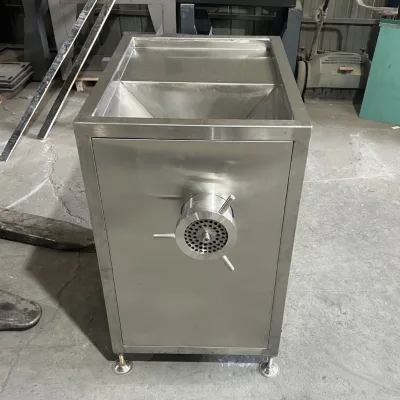

Multifunctional Meat Mincer Grinder Electric Meat Grinder Commercial Use
$999.00 - $1500.00
MOQ: 1 Pieces


Comprehensive Sourcing Guide
Desktop Electric Meat Grinder Sourcing Guide
The Desktop Electric Meat Grinder market offers specialized equipment designed for high-volume processing of fresh and frozen meats without bones. Buyers observe a wide range of capabilities, from single-item units to automated systems featuring intelligent control modes. These machines are primarily engineered for the food industry, handling applications such as grinding, mincing, and cutting fresh meat, frozen meat, and even vegetables. The core functionality centers on efficient material reduction, with specific models supporting the production of meat paste and sink processing.
When evaluating options, procurement teams must distinguish between standard and customized configurations. While some units are listed as non-customized, others explicitly offer customization services to meet specific operational needs. The observed product range includes various automatic grades, ensuring that the machinery aligns with the desired production speed and consistency. Understanding these distinctions is critical for selecting a unit that fits the specific throughput requirements of a commercial kitchen or processing facility.
Product Scope and Observed Listing Signals
Buyers should analyze the observed listing signals to understand the diversity of available hardware. The market presents a price range spanning from approximately 6.2 to 26,800 USD, reflecting significant differences in capacity, material quality, and automation levels. Minimum order quantities vary widely, with some suppliers offering single-item purchases while others require bulk orders up to 100 sets. This variance suggests that buyers can source either a single prototype unit or a full fleet of industrial-grade grinders depending on their immediate budget and scale.
Material composition is a primary signal of durability and food safety compliance. Most observed listings specify 304 stainless steel or general stainless steel construction, which is essential for resisting corrosion and meeting hygiene standards in food processing environments. The physical dimensions and weights also vary, with some units weighing up to 260 kg and others being significantly lighter. These physical attributes directly impact installation requirements, floor load capacity, and the logistics planning necessary for transporting the equipment to the final destination.
Technical Specifications to Verify
Verification of voltage and power source is the first critical technical step for any procurement team. The observed data indicates a mix of 220V and 380V electric power sources, meaning buyers must confirm the electrical infrastructure at their facility before ordering. Selecting a unit with an incompatible voltage can lead to operational failure or safety hazards. Additionally, the automatic grade of the machine, whether fully automatic or semi-automatic, dictates the level of operator intervention required during the grinding and mincing processes.
Orifice plate size and functional versatility are equally important specifications to validate against production needs. The available orifice plate sizes range from 3.5mm to 12mm, allowing for different texture outputs in the final meat product. Buyers must ensure the selected model supports the specific functions required, such as grinding fresh meat, processing frozen meat, or creating meat paste. Confirming that the machine is suitable for the intended raw materials, including fresh frozen meat and vegetables, prevents performance issues during high-volume operations.
Compliance and Safety Documentation
Safety certifications are a non-negotiable aspect of sourcing industrial food machinery. The observed listings frequently mention CE certification, which indicates compliance with European health, safety, and environmental protection standards. Buyers should request valid certification documents to verify that the specific unit they are purchasing meets these rigorous safety requirements. This documentation is essential for insurance purposes and for ensuring the equipment can be legally operated in various international markets.
Beyond electrical safety, the construction standards and material certifications must be scrutinized. While some listings cite specific standard dimensions like 10106601020mm, others refer to material standards such as stainless steel compliance. It is vital to confirm that the material grade matches the food industry requirements for hygiene and durability. Buyers should also verify that the thermal processing capabilities of the machine align with any specific regulatory standards applicable to their local food safety laws.
Cost Drivers and Commercial Terms
The total cost of ownership is influenced heavily by the customization level and material quality of the unit. Customized models often command higher prices due to the additional engineering and manufacturing time required to meet specific client specifications. Conversely, standard models with fixed dimensions and non-customized features may offer a more predictable cost structure. Buyers must weigh the long-term benefits of customization against the initial investment to determine the most cost-effective solution for their specific operational workflow.
Commercial terms regarding packaging and shipping are significant cost drivers that often get overlooked. The observed data shows a variety of packing methods, including standard export packing, wooden cases, and wooden crates. These packaging choices directly affect the single gross weight and the dimensions of the shipping package, which in turn influence freight costs. A buyer must calculate the total landed cost, including the expense of robust wooden packaging required for heavy units weighing up to 260 kg, to avoid unexpected budget overruns.
Supplier Qualification and Quality Control
Supplier origin and production location provide initial insights into the supply chain reliability. The observed listings indicate origins in Guangdong and Shandong, China, regions known for their manufacturing capabilities in food processing equipment. Buyers should verify the specific factory location to assess the supplier's proximity to ports and their logistical efficiency. Understanding the geographic origin helps in estimating lead times and evaluating the potential for on-site quality control visits if necessary.
Quality control processes must be validated through the supplier's stated production standards and testing protocols. While some listings mention intelligent control modes and easy operation, these features must be backed by rigorous testing to ensure consistent performance. Buyers should inquire about the supplier's internal quality assurance procedures, including how they verify the automatic grade and the integrity of the stainless steel construction. Establishing a clear quality control framework before placing an order is essential to mitigate the risk of receiving defective or underperforming machinery.
Long-Term Procurement Checks
Sustainability and maintenance requirements are key factors for long-term procurement success. The observed advantage of easy operation and high efficiency suggests that these machines are designed for continuous use, but buyers must verify the availability of spare parts and the ease of maintenance. A machine that is difficult to service or lacks accessible replacement parts can lead to significant downtime and increased operational costs over time. Ensuring a robust supply chain for maintenance components is crucial for maintaining productivity.
Future scalability and adaptability should also be considered when selecting a meat grinder. As business needs evolve, the ability to upgrade or modify the equipment becomes increasingly important. Buyers should check if the supplier offers modular upgrades or if the machine's design allows for the integration of new functions. Confirming that the equipment can adapt to changing production volumes or new product lines ensures that the initial investment remains valuable and relevant for years to come.
FAQs
What power source does the Desktop Electric Meat Grinder use?
The Desktop Electric Meat Grinder uses an electric power source for operation. This ensures consistent performance for grinding fresh meat without bone. The intelligent control mode allows for easy operation and high efficiency. It is designed for food industry equipment applications requiring reliable electric drive systems.
Can the meat grinder process frozen meat effectively?
Yes, the meat grinder can process fresh frozen meat and vegetables. It is suitable for grinding frozen meat paste and meat sink. The automatic grade ensures smooth operation even with tougher frozen inputs. This versatility makes it ideal for various meat grinder processing tasks in commercial settings.
What certifications are available for the Desktop Electric Meat Grinder?
The Desktop Electric Meat Grinder holds CE certification for safety and compliance. This standard ensures the equipment meets necessary regulatory requirements for food industry use. The CE mark indicates adherence to European health, safety, and environmental protection standards for machinery.
What is the typical MOQ for ordering this meat grinder?
The typical MOQ for ordering this meat grinder is 1 set. This low minimum order quantity allows for flexible procurement for small to medium businesses. Buyers can start with a single unit to test performance before scaling up orders for their food processing needs.
What material is used to construct the meat grinder body?
The meat grinder body is constructed from 304 stainless steel. This material ensures durability, hygiene, and resistance to corrosion in food processing environments. The stainless steel construction supports easy cleaning and maintains food safety standards for fresh meat grinding applications.
What are the dimensions of the Desktop Electric Meat Grinder?
The Desktop Electric Meat Grinder dimensions are 900*600*1010mm. The single package size is 90X60X101 cm for shipping. The standard export packing or wooden case ensures safe transport. These dimensions fit standard commercial kitchen spaces while providing robust grinding capacity.