Source Desktop Cryo Therapy Machine with Frozen RF Handle for Salon, Home, Spa
Explore 30 options for a Desktop Cryo Therapy Machine with Frozen RF Handle designed for salon, home, and spa applications. Buyers can compare models like JF607 and CTL80 5S based on power, temperature range, and handle configurations to find the right fit.
Key considerations
Products List

Body Shaping Cryo Laser RF Cavitation Fat Freezing Cryo Therapy Machine
$1780.00 - $2380.00
MOQ: 1 Sets


China Factory 4 Cryo Handles Body Shaping Fat Freezing Cryotherapy Slimming Machine
$2180.00 - $2680.00
MOQ: 1 Pieces

Multifunctional 4 Cryo Handles Slimming Machine Cryo Fat Freezing Machine
$1780.00 - $2180.00
MOQ: 1 Pieces


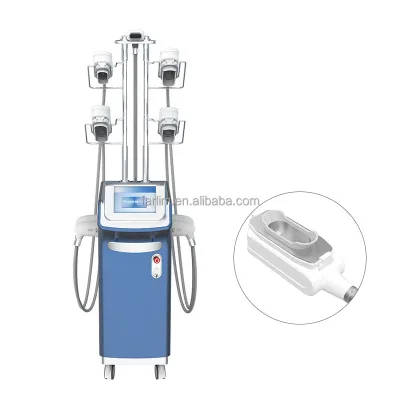
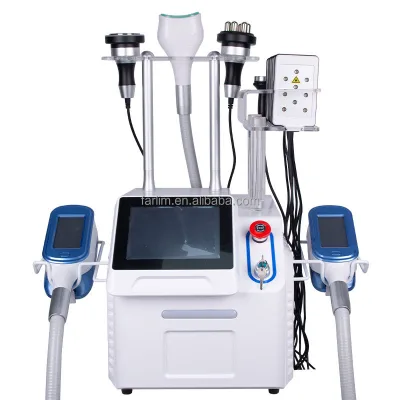


Cryotherapy Machine for Postoperative Care Cold Therapy Machine with Digital Timer
$75.00 - $120.00
MOQ: 500 Sets


Physical Therapy Equipments Cold Therapy Machine Cryo Cold Compress System
$75.00 - $120.00
MOQ: 500 Sets

Ice Pressure Cryotherapy Physiotherapy Cold Compression Therapy Machine
$75.00 - $120.00
MOQ: 500 Sets


Fat Freezing Machine 3 in 1 Belly Cryo 4 Handles Cryotherapy Fat Reduction Machine
$4600.00 - $5800.00
MOQ: 1 Pieces


5 Treatment 10.4 Inch Touch Color Screen Fat Freezing Cryolipolysis Cool Slimming Machine
$3500.00 - $4500.00
MOQ: 1 Pieces

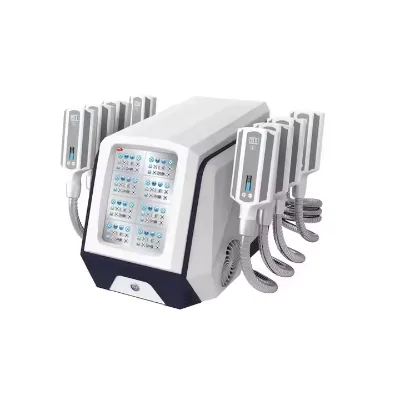


360 Degree Criolipolisis 4 Handles Cryo Cryotherapy Fat Freezing Cryolipolysis Machine
$2600.00 - $5500.00
MOQ: 1 Pieces
Comprehensive Sourcing Guide
Strategic Sourcing Guide for Desktop Cryo Therapy Machines with Frozen RF Handles
The global demand for non-invasive body contouring solutions has driven a significant shift in the aesthetic equipment market, with desktop cryo therapy machines featuring frozen RF handles emerging as a high-value category for professional salons and home-use clinics. For procurement specialists and business owners, navigating this sector requires a disciplined approach that distinguishes between verified technical specifications and marketing assertions. The core keyword, "Desktop Cryo Therapy Machine with Frozen RF Handle," points to a specific subset of equipment designed to combine cryolipolysis (fat freezing) with radiofrequency (RF) heating to enhance tissue tightening and fat reduction. This guide provides a structured framework for evaluating these assets, ensuring that procurement decisions are grounded in observable data and industry-standard verification protocols rather than unverified claims.
Technical Architecture and Operational Parameters
Understanding the technical architecture of these machines is the first step in any sourcing strategy. The fundamental operation involves the application of controlled cooling to induce apoptosis in adipocytes (fat cells) while simultaneously utilizing RF energy to stimulate collagen production and tighten the skin. When evaluating a desktop unit, buyers must scrutinize the specific temperature ranges and power outputs provided in the product data. For instance, observed specifications for similar units indicate a cooling temperature range typically spanning from -1 to -9 degrees Celsius, with some advanced models capable of reaching -16 degrees Celsius. This variance is critical; a machine that cannot sustain the necessary sub-zero temperatures for the required duration will fail to achieve the desired cryolipolysis effect.
Furthermore, the integration of RF heating capabilities must be verified against the cooling parameters. A functional system often exhibits a heating temperature range between 37 and 45 degrees Celsius, applied for short durations such as three minutes, to prepare the tissue or manage discomfort. The power output is another pivotal metric; observed data suggests units ranging from 1000W to 1600W. A higher wattage generally correlates with faster treatment times and deeper tissue penetration, but it also imposes higher demands on the electrical infrastructure of the facility. Buyers should verify the voltage compatibility, which is frequently listed as AC110-220V to accommodate international markets, and confirm the fuse rating, often observed at 15A, to ensure the machine does not trip standard commercial circuits.
The physical configuration of the handles is equally important. The "frozen RF handle" designation implies a dual-function applicator. Specifications for comparable models indicate a treatment area per handle of approximately 130mm by 70mm. The quantity of handles included in a standard unit varies, with some configurations offering up to eight handles to allow for simultaneous treatment of multiple body zones. The suction capability, measured in kilopascals (KPa), is a direct indicator of the vacuum mechanism's strength. A maximum suction of 100 KPa is a benchmark observed in high-performance units, ensuring that the fat tissue is effectively drawn into the cooling cup for uniform exposure.
Application Scope and Market Segmentation
The application scope of desktop cryo therapy machines defines their target market and operational environment. While the primary application is listed as "Salon," many modern units are designed with dual-purpose capabilities, explicitly supporting "Salon, Home" usage. This distinction influences the design philosophy; salon-grade machines prioritize durability, high throughput, and robust cooling cycles, whereas home-use variants often emphasize portability and simplified interfaces. However, a critical observation in the current market is the prevalence of "Non Portable" desktop units. These machines are typically heavy, with gross weights ranging from 45.5kg to 75kg, and are intended for permanent installation in a clinic or dedicated treatment room.
The "Desktop" form factor suggests a stationary unit, often featuring a large interface screen, such as a 12-inch touch screen, to facilitate complex treatment protocols. The inclusion of a massage mode in the working technology further expands the application scope, allowing for lymphatic drainage and skin tightening in addition to fat reduction. Buyers must align the machine's application profile with their business model. A high-volume salon will require a unit with the capacity to run multiple handles simultaneously, such as the capability for four cryo handles to work at the same time, to maximize revenue per hour. Conversely, a boutique studio might prioritize a unit with a smaller footprint and fewer handles, provided it meets the core cooling and heating standards.
Compliance, Certification, and Safety Standards
In the medical aesthetic sector, compliance and certification are not merely bureaucratic hurdles but essential indicators of product safety and efficacy. When sourcing a desktop cryo therapy machine, buyers must verify that the manufacturer adheres to recognized international safety standards. While specific certification bodies are not always explicitly named in general product listings, the presence of a CE mark (Conformité Européenne) or FDA clearance (for the US market) is a standard expectation for equipment claiming therapeutic benefits. The absence of such documentation should trigger a rigorous due diligence process.
Safety features must be explicitly checked against the machine's technical specifications. The voltage range of AC110-220V implies the need for a universal power supply unit, but the internal wiring and insulation must meet local electrical codes. The fuse rating, often observed at 15A, serves as a primary safety mechanism against electrical overloads. Additionally, the cooling system's reliability is paramount; a failure in the refrigeration cycle could lead to skin burns or frostbite if the temperature control logic fails. Buyers should request test reports or safety certificates that validate the machine's ability to maintain the specified temperature range (-1 to -16 degrees Celsius) without deviation. The packaging standards, such as "Standard Export Packing" or "Carton Package," also play a role in ensuring the machine arrives without damage, which could compromise the internal cooling components.
Cost Drivers and Procurement Economics
The cost structure of desktop cryo therapy machines is influenced by several variables, including the complexity of the cooling technology, the number of handles, and the power output. The observed price range for these units spans from $75 to $6,800, a wide disparity that reflects differences in build quality, technology generation, and included features. Lower-priced units may lack advanced features such as simultaneous multi-handle operation or high-precision temperature control, while premium models often include comprehensive software suites, larger screens, and extended warranty packages.
The Minimum Order Quantity (MOQ) is another critical economic factor. Data indicates an MOQ range of 1 to 500 units. For a single clinic or startup, an MOQ of 1 set is highly favorable, allowing for capital preservation and risk mitigation. However, bulk purchasers may negotiate better pricing tiers, though this requires a clear understanding of the total cost of ownership, including shipping, import duties, and maintenance. The net and gross weights of the units, ranging from 56kg to 75kg, directly impact logistics costs. Heavier machines require more robust packaging and potentially specialized freight services, which can add significant overhead to the initial purchase price. Buyers should calculate the total landed cost, not just the unit price, to make an informed financial decision.
Supplier Evaluation and Origin Verification
Evaluating the supplier is a crucial step in mitigating procurement risks. The origin of the product is a primary indicator of the supply chain's maturity. Most observed data points to manufacturers located in China, specifically in regions like Guangdong and Guangzhou, which are known hubs for medical aesthetic equipment. While these regions offer competitive pricing and a robust manufacturing ecosystem, buyers must verify the specific factory's reputation and production capacity. The "Launch Time" of a product model, such as 2019 for certain units, can indicate the maturity of the technology; older models may have more stable software but less advanced features compared to newer releases.
Supplier evaluation should extend beyond the product listing to include the company's history, customer support infrastructure, and after-sales service capabilities. A reputable supplier will provide clear documentation on the working technology, such as "Fat Frezzing to Slimming Cryo Tech," and offer training materials for operators. The customization availability is another key differentiator; suppliers that offer customization for branding, software interfaces, or handle configurations can provide a competitive edge to the buyer. However, buyers must ensure that any customization does not compromise the machine's safety or performance standards. The "Standard Export Packing" and "Carton Box" specifications should be verified to ensure they meet international shipping requirements, preventing damage during transit.
Quality Control and Long-Term Maintenance
Quality control (QC) is the final gatekeeper in the procurement process. Before accepting a delivery, buyers should conduct a thorough inspection of the machine's physical condition, verifying the package size (e.g., 1269650 cm) and gross weight against the shipping documents. The internal components, including the air pump (often 4 sets inner) and the cooling system, must be tested to ensure they operate within the specified parameters. The "Working Temperature" of 5 to -16 degrees Celsius must be validated using calibrated thermometers to confirm the machine's accuracy.
Long-term maintenance considerations are equally important for sustaining the machine's performance. The "12 Inch Touch Screen" and other electronic components are susceptible to wear and tear, and the availability of spare parts is critical. Buyers should inquire about the lead time for replacement parts and the availability of technical support. The "Different Function" of having a massage mode adds complexity to the maintenance schedule, requiring regular calibration of the mechanical and thermal systems. Establishing a maintenance contract with the supplier can help mitigate downtime and ensure the machine continues to deliver consistent results. By focusing on these technical, economic, and operational factors, buyers can secure a desktop cryo therapy machine that meets their specific business needs while adhering to the highest standards of safety and quality.
FAQs
What temperature range does the cooling system achieve?
The cooling system operates between -1 and -9 degrees Celsius, with some advanced models reaching -16 degrees Celsius. This range ensures effective fat freezing while maintaining safety for the treated tissue during the procedure.
How many handles can work simultaneously on the machine?
Some configurations allow up to four cryo handles to work at the same time, while others may include up to eight handles. This capacity enables simultaneous treatment of multiple body zones to increase clinic throughput.
Can the machine be used in both salon and home settings?
Yes, certain models are designed for both salon and home applications. However, most desktop units are non-portable and heavy, weighing between 45.5kg and 75kg, making them suitable for permanent installation in clinics.
What is the maximum suction capability of the vacuum system?
The maximum suction capability reaches 100 KPa to effectively draw fat tissue into the cooling cups. This ensures uniform exposure of the adipocytes to the controlled cooling required for the cryolipolysis treatment process.
Which power output and voltage specifications are standard for these units?
Units typically feature power outputs ranging from 1000W to 1600W with a voltage range of AC110-220V. A 15A fuse is commonly included to protect against electrical overloads in commercial or home electrical systems.
What is the minimum order quantity for purchasing a single unit?
The minimum order quantity can be as low as one set for individual clinics or startups. This allows buyers to mitigate risk while still accessing the technology without committing to large bulk orders.
Where are these machines typically manufactured and what is the origin?
Most machines originate from China, specifically from manufacturing hubs in Guangdong and Guangzhou. These regions are known for producing aesthetic equipment with varying levels of customization and export packaging standards.