Source Diamond Nail Acrylic Brush for Stone Polishing, Glass, and Leather
Compare 30 Diamond Nail Acrylic Brush options with varying grits, sizes, and connection types for stone polishing, glass, and leather finishing. Buyers can evaluate specifications like diameter, material, and customization availability from verified Chinese manufacturers.
Key considerations
Products List

Antiquing Surface Diamond Abrasive Brushes, Cleaning Brush Abrasive Tool
$15.50 - $25.50
MOQ: 5 Pieces


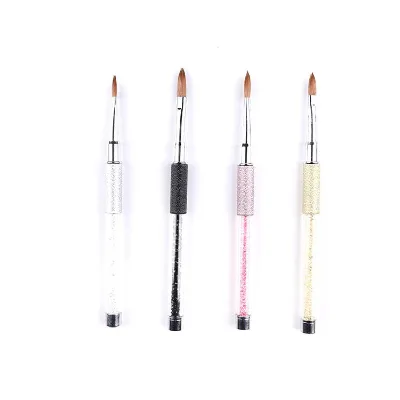


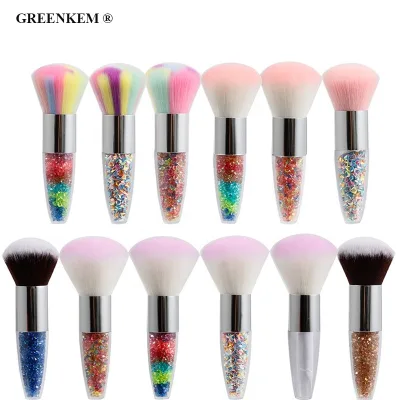


Comprehensive Sourcing Guide
Strategic Sourcing Guide for Diamond Nail Acrylic Brushes
The procurement of specialized abrasive tools, specifically those categorized under diamond nail acrylic brushes, requires a nuanced understanding of the industrial supply chain. While the core keyword suggests a beauty or cosmetic application, the underlying product technology often overlaps with industrial stone polishing, glass finishing, and leather treatment sectors. Buyers must navigate a market where terminology can vary between "Diamond Abrasive Brushes," "Polishing Brushes," and "Diamond Filament" tools. This guide provides a structured approach to sourcing these items, focusing on technical verification, compliance, and supply chain stability based on observed market data and standard industry practices.
Technical Specifications and Material Composition
When evaluating diamond nail acrylic brushes, the primary differentiator lies in the material composition and the specific grit configuration. The supply chain for these tools often features products constructed from diamond powder or diamond filament bonded to a support structure. In the observed market, materials such as PA612 (a specific polyamide) mixed with diamond are common, alongside pure diamond filament variants. The abrasive agent is critical; some listings specify "Diamond Powder" as the wire material, while others utilize "Steel Wire" as a substrate for different industrial applications.
The physical dimensions of the brush are equally vital for compatibility with specific machinery or hand tools. Diameter specifications in the market range significantly, with observed data indicating sizes from 4 inches up to 17 inches for industrial variants, while specific models like the "DAB" series are noted at 4 inches. For applications requiring precision, such as nail art or fine finishing, smaller diameters like 150mm (approximately 6 inches) are frequently available. The shape is predominantly round, designed to fit into rotary tools or specific polishing machines.
The grit size determines the aggressiveness of the cut and the final surface finish. The market offers a wide spectrum of grit options. Standard coarse grits include 24#, 36#, 46#, 60#, and 80#, suitable for initial material removal. For finer finishing and polishing, the supply chain provides intermediate to fine grits such as 120#, 180#, 240#, 320#, 500#, and 800#. Buyers must verify that the specific grit requested is available for the chosen model, as some products may only offer a subset of these options. The connection type is another technical constraint; standard interfaces include Snail-Lock, M14 Thread, and 5/8"-11 threads, which must match the buyer's existing equipment.
Compliance, Certification, and Quality Standards
In the industrial procurement of abrasive tools, certification serves as a proxy for quality assurance and regulatory compliance. While specific product listings may claim adherence to standards like SGS or ISO, buyers must treat these as observations of individual supplier capabilities rather than universal guarantees for all products in the category. The observed data indicates that some products carry ISO certification, while others reference ISO9001 or specific standard codes like L140.
It is imperative for buyers to verify the validity of these certifications directly with the supplier before placing an order. The presence of an SGS report or ISO certification suggests that the manufacturer has undergone third-party audits for quality management systems or product safety. However, the absence of a listed certification in a product description does not necessarily imply non-compliance, but it does require a deeper inquiry into the supplier's internal quality control processes. Buyers should request current certification documents to ensure they meet the specific regulatory requirements of their target market, particularly if the brushes are intended for export to regions with strict industrial safety regulations.
Furthermore, the origin of the product plays a role in compliance. The majority of the observed supply originates from China, with specific manufacturing hubs noted in locations like Quanzhou. Understanding the regional manufacturing standards can help buyers anticipate the typical quality baseline and compliance documentation provided by suppliers in that region.
Cost Drivers and Pricing Dynamics
The pricing of diamond nail acrylic brushes is influenced by several variables, including the type of diamond material used, the grit density, and the complexity of the manufacturing process. The observed market price range is extensive, spanning from $0.21 to $900 USD. This wide disparity reflects the difference between basic industrial abrasive brushes and high-precision, specialized tools.
The primary cost driver is the diamond content. Brushes utilizing high-quality diamond filament or diamond powder bonded with advanced resins will command a higher price point compared to those using steel wire or lower-grade abrasives. Additionally, the diameter and custom specifications significantly impact cost. Larger diameters (up to 17 inches) and custom shapes or connection types often incur higher manufacturing costs. The packaging method also contributes to the final price; options range from individual carton boxes to bulk packaging of 36 pieces per carton, with custom packaging requirements potentially adding to the unit cost.
Buyers should be aware that the Minimum Order Quantity (MOQ) varies, with observed ranges from 1 to 200 units. Lower MOQs are often available for custom orders or specific high-value items, while bulk purchases of standard grits may require higher volume commitments to achieve the lower end of the price spectrum. The "Advantage" of quality and price is frequently cited by suppliers, suggesting a competitive market where buyers can negotiate based on volume and long-term partnership potential.
Typical Applications and Usage Scenarios
While the core keyword focuses on nail acrylics, the technical specifications reveal a broader application spectrum. These brushes are designed for abrasive stone, glass, floor, and leather finishing. The "Diamond Abrasive Brushes" are explicitly noted for stone polishing applications, utilizing the diamond grit to achieve high-efficiency surface finishing. Similarly, the "Disc Brush" variants are suitable for industrial uses involving glass and flooring.
For the specific niche of nail art and acrylic finishing, the brushes function as abrasive tools for shaping, smoothing, and polishing the surface of the nail. The "Nal Art" function noted in the supply chain data confirms their utility in this sector. The high work efficiency advantage of these tools makes them suitable for professional environments where speed and consistency are paramount. Whether used for leather antique finishing or industrial stone polishing, the underlying mechanism remains the same: the diamond particles provide a consistent cutting action that outperforms traditional abrasive materials.
Supplier Evaluation and Customization Capabilities
When selecting a supplier, buyers should prioritize those offering robust customization options. The observed market data confirms that customization is available, with suppliers offering both "Customized" and "Non-Customized" options. This flexibility allows buyers to tailor the brush diameter, grit, connection type, and even the raw material composition to their specific needs. The support for OEM (Original Equipment Manufacturer) and ODM (Original Design Manufacturer) services indicates that suppliers are capable of producing branded products or modifying existing designs.
Key evaluation criteria for suppliers include their ability to meet delivery timelines and their response to specific packing requirements. The standard delivery time observed is 7-12 days, which is a critical factor for inventory management. Buyers should verify if this lead time is consistent for their specific order volume and customization level. Additionally, the condition of the product is listed as "New," ensuring that buyers receive fresh, unused inventory.
Quality Control and Long-Term Procurement Considerations
Maintaining quality consistency is essential for long-term procurement success. Buyers should implement a rigorous quality control protocol that includes verifying the grit size, checking the connection type for fit, and inspecting the material integrity. The use of standard packing methods, such as carton boxes or paper boxes, helps protect the brushes during transit, but buyers with specific requirements should communicate these needs clearly to the supplier.
Long-term procurement strategies should focus on building relationships with suppliers who demonstrate stability in their production capabilities. The availability of multiple grit options and the ability to source different raw materials (such as PA612+Diamond or Diamond Filament) suggest a mature supply chain. Buyers should also consider the environmental and safety implications of the materials used, ensuring that the diamond and resin components meet relevant safety standards.
Comparative Analysis of Product Variants
To assist in decision-making, the following table summarizes the key attributes observed in the market for diamond nail acrylic brushes and related abrasive tools. This comparison highlights the diversity in specifications and helps buyers identify the most suitable product for their specific application.
| Attribute | Variant A (Industrial Stone) | Variant B (Precision/Nail Art) | Variant C (General Purpose) |
|---|---|---|---|
| Product Name | 100mm Snail-Lock Diamond Brushes | Diamond Abrasive Brushes | Disc Brush |
| Material | Diamond Powder | Diamond Filament | Steel Wire / Diamond |
| Diameter | 4" (100mm) | 4" - 17" | 150mm |
| Grit Range | 24# - 80# | 120# - 800# | 30# - 800# |
| Connection | Snail-Lock, M14, 5/8"-11 | Standard | Standard |
| Application | Stone Polishing | Leather, Nail Art, Glass | Industrial Brushes |
| Certification | SGS | ISO | SGS, ISO9001 |
| Origin | China | China | Quanzhou, China |
| MOQ | 1 - 200 | 1 - 200 | 1 - 200 |
| Lead Time | 7-12 Days | 7-12 Days | 7-12 Days |
This table illustrates that while the core technology is similar, the specific configuration varies significantly based on the intended use. Buyers must align their selection with the specific application requirements, ensuring that the grit, material, and connection type are compatible with their operational needs. By carefully evaluating these factors, buyers can secure high-quality diamond nail acrylic brushes that deliver consistent performance and value.
FAQs
What materials are used in diamond nail acrylic brushes?
These brushes typically use diamond powder, diamond filament, or steel wire as the abrasive material. Some variants combine PA612 polyamide with diamond for enhanced durability. The specific material depends on the intended application, such as stone polishing or nail art finishing.
Which grit sizes are available for these abrasive brushes?
Standard coarse grits range from 24# to 80# for initial material removal. Finer options include 120#, 180#, 240#, 320#, 500#, and 800# for polishing. Buyers should verify specific grit availability as some models may offer a limited subset of these options.
Can I find brushes with custom connection types?
Yes, customization is available for connection types including Snail-Lock, M14 Thread, and 5/8"-11. Suppliers support OEM and ODM services to tailor specifications like diameter and shape. Buyers must confirm compatibility with their existing equipment before ordering.
How long does delivery take for these industrial brushes?
The standard delivery time is typically 7 to 12 days for new products. This lead time applies to most orders unless specific customizations or large volumes require extended processing. Buyers should verify the timeline based on their specific order volume and customization level.
What certifications do these diamond brushes hold?
Products may carry certifications such as SGS, ISO, or ISO9001 depending on the manufacturer. Some listings also reference specific standard codes like L140. Buyers should request current certification documents to ensure compliance with their target market regulations.
What is the price range for diamond abrasive brushes?
The observed market price ranges from 0.21 to 900 USD depending on the product type. Costs vary based on diamond content, diameter size, and custom specifications. Bulk purchases of standard grits may achieve lower price points compared to specialized custom orders.
Where are these brushes manufactured?
The majority of these products originate from China, with specific manufacturing hubs noted in locations like Quanzhou. Buyers should consider regional manufacturing standards when evaluating quality baselines. Origin information is critical for understanding compliance documentation and shipping logistics.