Source digital lcd fish aquarium thermometer for Home, Office, Lab
Compare 30 listings of digital lcd fish aquarium thermometer from verified suppliers. Evaluate specifications like voltage, material, and temperature range to find the right unit for your aquarium needs; compare the available evidence and request quotations based on your requirements.
Key considerations
Products List
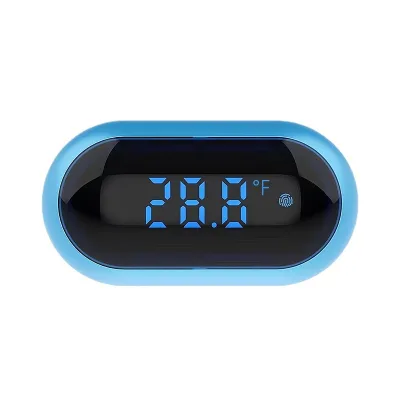
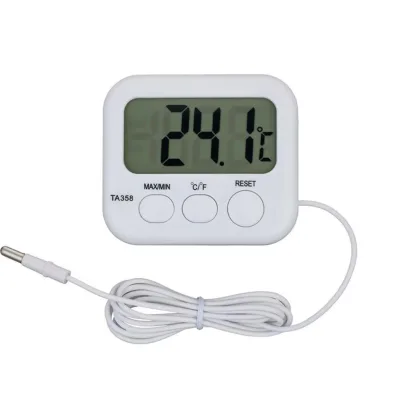
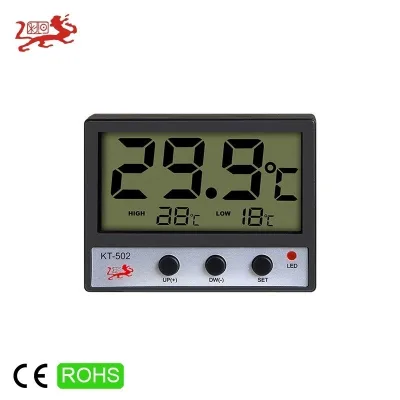




Comprehensive Sourcing Guide
Digital LCD Fish Aquarium Thermometer Sourcing Guide
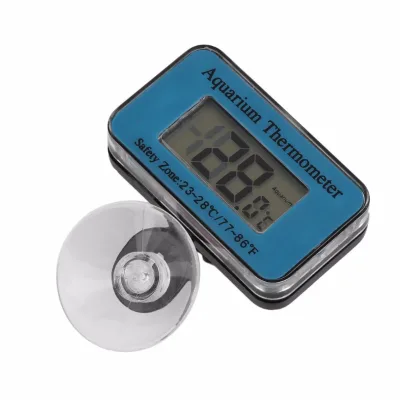
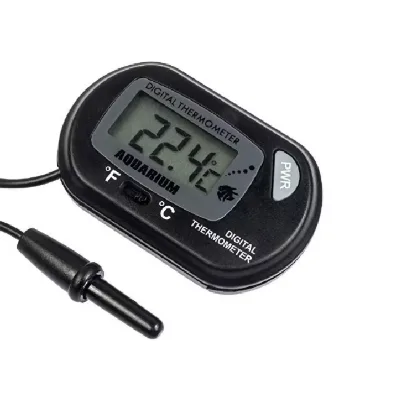
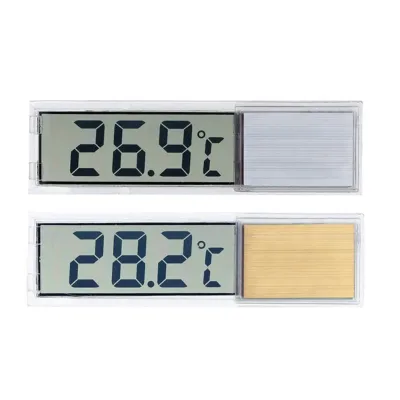
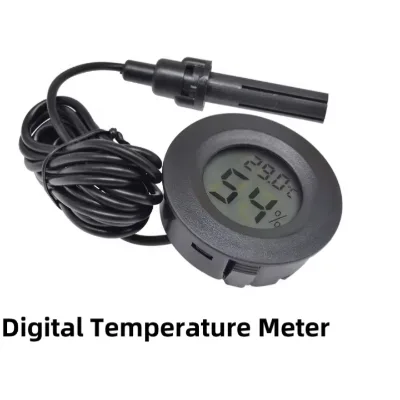
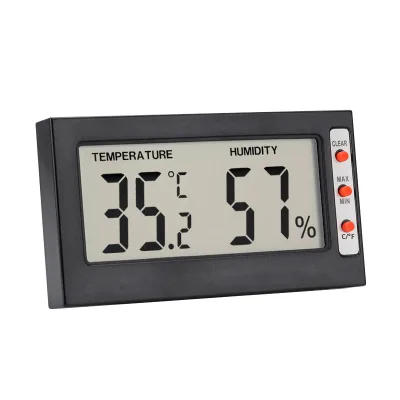
Procuring digital LCD fish aquarium thermometers requires distinguishing between simple analog indicators and advanced electronic controllers that offer precise monitoring for aquatic environments. The observed market data indicates a diverse range of products, from basic plastic units designed for small volumes to complex modules capable of temperature regulation. Buyers must carefully evaluate whether the specific listing describes a standalone thermometer or a broader temperature controller system, as the functional requirements for a 5-liter living room tank differ significantly from those for large commercial aquaculture setups.
The supply chain for these devices often originates from manufacturing hubs in Zhejiang and Guangdong, China, where production capabilities vary by facility. While some listings highlight specific model numbers like QW-2 or LK-50, others describe generic digital thermometer modules with broad operating ranges. Sourcing decisions should prioritize suppliers who clearly define the product's intended application, such as whether it is designed for goldfish or general fish species, and ensure the voltage and power specifications align with the buyer's local electrical standards to prevent equipment failure.
Product Scope and Observed Listing Signals
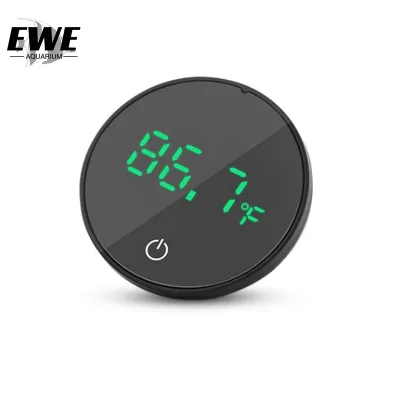
Buyers should scrutinize the physical attributes of the product, noting that observed listings include items with circular or triangular shapes and varying sizes ranging from XL to compact units. The material composition is predominantly plastic, which offers durability but requires verification regarding chemical safety for aquatic life. Some products are packaged in blister packs or standard safe packaging, while others specify a single package size of 15x15x15 cm, which directly impacts shipping logistics and storage requirements for the procurement team.
Commercial signals in the market reveal significant variability in minimum order quantities, with some suppliers offering as few as 10 pieces while others require orders of 2 cartons or up to 2000 units. The observed price range spans from $0.37 to $39, reflecting differences in feature sets, such as the inclusion of digital displays versus simple indicators. Procurement teams must align their order volume with the supplier's specific MOQ to avoid unnecessary inventory costs or stockouts, ensuring the selected unit type matches the intended scale of the aquarium project.
Technical Specifications to Verify
Technical due diligence must confirm that the device's voltage rating, typically observed as 220-240V, matches the destination country's power infrastructure to ensure safe operation. The power consumption, often listed around 5W for specific models, should be verified against the total energy budget of the aquarium system. Additionally, the operating temperature range is a critical specification, with some modules supporting a broad span from -50 to 70°C, which is essential for maintaining stability in fluctuating environmental conditions.
Buyers must also verify the mounting type and output capabilities, as some listings describe the item as a module with standard output, while others focus on the physical shape and size. The model number, such as QW-2 or LK-50, serves as a unique identifier for the specific circuit design and functionality. It is imperative to confirm whether the product is a standalone testing device or part of a larger controller series, as this distinction affects compatibility with existing aquarium heating or cooling systems.
Compliance and Safety Documentation
Safety compliance for aquatic devices involves verifying that the materials used are non-toxic and suitable for direct contact with water and fish. While some listings mention eco-friendly features, buyers should request specific material safety data sheets to confirm that the plastic components do not leach harmful substances into the water. The warranty period, often observed as 1 year, provides a baseline for product reliability, but it should be cross-referenced with the supplier's quality control protocols to ensure long-term performance.
Documentation regarding the product's origin, whether from Zhejiang or Guangdong, China, is necessary for customs clearance and regulatory adherence. Buyers should ensure that the supplier provides clear labeling for the product's electrical specifications and safety certifications, even if specific certification names are not explicitly listed in the initial product description. The absence of explicit certification claims in the listing does not guarantee compliance, so third-party testing reports should be requested to validate the safety of the digital thermometer for its intended use.
Cost Drivers and Commercial Terms
The final cost of the product is influenced by several factors, including the complexity of the digital circuitry, the quality of the plastic housing, and the specific packaging requirements. Listings indicate that some units are sold as single items, while others are packed in cartons containing 300 pieces, which affects the per-unit cost and shipping efficiency. Buyers must calculate the total landed cost by factoring in the shipping method, such as DHL, FedEx, or UPS, and the associated lead times which can range from 2 to 5 days for some suppliers.
Payment terms vary significantly across the market, with options including Trade Assurance, TT, Western Union, Alipay, Escrow, and PayPal. These terms offer different levels of protection for the buyer, and selecting the appropriate method depends on the order value and the established relationship with the supplier. Additionally, the availability of BOM list services suggests that some manufacturers offer customization or assembly support, which can impact the overall cost structure and should be evaluated during the negotiation phase.
Supplier Qualification and Quality Control
Evaluating supplier qualification requires a thorough review of their communication channels and responsiveness, as evidenced by the availability of contact methods like WhatsApp, Skype, and WeChat. A supplier's ability to provide detailed product descriptions, such as the distinction between a simple thermometer and a temperature controller, indicates a higher level of technical competence. Buyers should prioritize suppliers who can clearly articulate the product's features, such as the digital display capabilities and the specific model number, to ensure transparency in the transaction.
Quality control processes should be verified through the supplier's warranty offerings and their history of handling returns or defects. The observation of a 1-year warranty suggests a commitment to product durability, but buyers must confirm the specific terms and conditions of this warranty. It is also essential to assess the supplier's capacity to handle large orders, given the observed MOQ ranges, and to ensure they have the logistical infrastructure to maintain consistent quality across batches.
Long-Term Procurement Checks
Sustaining a successful procurement relationship involves regular audits of the supplier's ability to meet lead time commitments and maintain consistent product quality over time. The observed lead times of 2 to 5 days are favorable, but buyers must monitor whether these timelines hold during peak seasons or supply chain disruptions. Establishing a clear communication channel for updates on production status and shipping delays is crucial for managing inventory levels and preventing stockouts in the aquarium supply chain.
Long-term checks should also include periodic re-evaluation of the product's performance in the field, ensuring that the digital LCD thermometers continue to function accurately and safely. Buyers should track the failure rates of the units and compare them against the warranty claims to assess the supplier's reliability. By maintaining a detailed record of product performance and supplier interactions, procurement teams can make informed decisions about future orders and potential supplier diversification strategies.
FAQs
What is the voltage requirement for this aquarium thermometer?
The device operates on a voltage of 220-240V as specified in the product details. This ensures compatibility with standard electrical outlets in many regions while maintaining safe operation for the internal digital components.
Which material is used to construct the thermometer body?
The product is constructed from durable plastic material to ensure safety and longevity in aquatic environments. This choice provides resistance to water damage while keeping the unit lightweight and easy to handle during installation.
Can I order a single unit of this digital thermometer?
Yes, you can order a single item as the selling units are listed as single items. However, bulk orders may require a minimum of 10 pieces or 2 cartons depending on the specific supplier configuration and stock availability.
How long does it take to receive the product after ordering?
The lead time for this item is typically between 2 to 5 days after payment confirmation. This rapid turnaround allows buyers to quickly integrate the temperature controller into their aquarium setups without significant delays.
What is the warranty period for this testing product?
The product comes with a standard warranty period of 1 year from the date of purchase. This coverage protects against manufacturing defects and ensures reliability for the digital thermometer used in monitoring fish tank conditions.
Where is the place of origin for this thermometer module?
The product originates from either Zhejiang or Guangdong province in China, as indicated by the location data. These regions are known for manufacturing electronic components and aquarium accessories with established supply chains.
What is the operating temperature range for this controller?
The device functions effectively within an operating temperature range of -50 to 70 degrees Celsius. This wide range ensures accurate temperature readings and stable performance across various environmental conditions and seasonal changes.