Source DIN ANSI JIS Hydraulic Fittings for pumps valves
Compare 30 DIN ANSI JIS Hydraulic Fittings from verified Chinese manufacturers. Options include stainless steel and carbon steel models with high-pressure ratings, various connection types, and customizable specifications for industrial machinery applications.
Key considerations
Products List


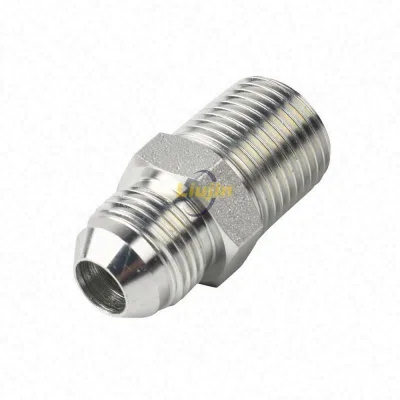


Hydraulic Caps and Plugs Hydraulic Adapter Fittings Hydraulic Hose Fittings
$500.00 - $900.00
MOQ: 1 Tons


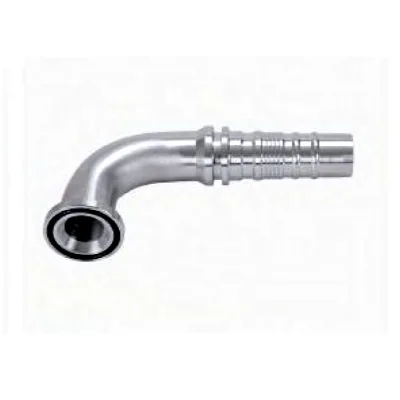


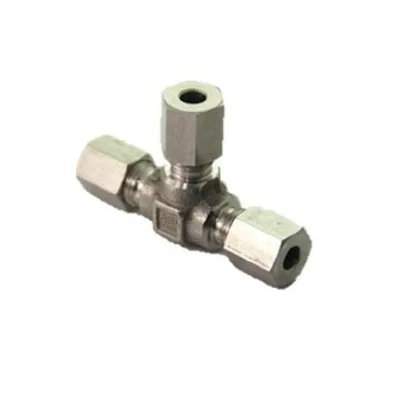


Comprehensive Sourcing Guide
Strategic Sourcing Guide for DIN, ANSI, and JIS Hydraulic Fittings
Understanding Technical Specifications and Material Variability
When sourcing hydraulic fittings that adhere to DIN, ANSI, and JIS standards, the primary challenge lies in navigating the diverse technical specifications inherent to global manufacturing. The market offers a wide array of products where material composition and physical dimensions vary significantly between suppliers. Based on current market observations, the core materials utilized for these fittings are predominantly Stainless Steel and Carbon Steel. Stainless Steel variants are often selected for applications requiring corrosion resistance, while Carbon Steel options are frequently chosen for general industrial machinery where cost-efficiency is a priority. Buyers must verify the specific material grade for each order, as the supply chain contains listings that explicitly mention "Stainless Steel" alongside others that specify "Carbon Steel" or a combination of both.
The physical construction of these fittings is equally critical. The observed product data indicates a variety of head types, including Round and Hexagon configurations, which dictate the tooling required for installation and maintenance. Connection types are similarly diverse, ranging from Female and Male threads to Flange connections. For hydraulic applications, the thread type is often an Internal Thread, but the specific standard (DIN, ANSI, JIS, or BSW) determines the thread pitch and angle. A critical observation from the product listings is the existence of specific model numbers such as 00110-12, 00013, 1C 1D, 18611, XINTAI-62, 00024, and 1JN-08. These identifiers are not universal; they are specific to the manufacturer's internal cataloging. Therefore, a buyer cannot assume that a model number from one supplier corresponds to the same dimensions as another. The standard size range observed in the market spans from 1/4" to 3", with some listings narrowing this to 1/4"-2" or 1/4"-2.1/2". Procurement teams must cross-reference the required pipe size against the specific manufacturer's standard to ensure compatibility, as a mismatch in thread standards can lead to catastrophic system failure.
Compliance Verification and Certification Protocols
Navigating the compliance landscape for hydraulic fittings requires a rigorous approach to certification verification. The global market for these components is heavily influenced by international standards, with DIN, ANSI, JIS, and BSW being the most prevalent. While some suppliers list compliance with ISO standards, the provided data highlights specific certifications such as ISO and "Other" categories. It is crucial to distinguish between a supplier's claim of compliance and their actual certification status. For instance, while ISO 9001 is a common background expectation in the industry, it should not be assumed without explicit verification in the supplier's documentation.
Buyers must demand evidence of certification for every batch of fittings, particularly when the application involves high-pressure environments. The observed data mentions certifications like "ISO" and "Other," but does not provide specific test results or performance claims that guarantee safety. Consequently, the procurement strategy must include a request for third-party test reports that validate the fitting's ability to withstand the specified pressure ratings. The market data indicates that these fittings are designed for "High Pressure" applications, but the exact PSI or bar ratings are not universally standardized in the provided listings. Therefore, the buyer's responsibility is to verify the pressure rating against the specific model number and material grade.
Furthermore, the surface treatment of the fittings plays a vital role in their longevity and compliance. Observed treatments include Galvanized Sheet and Zinc Plated / Znni Plated finishes. These treatments are essential for preventing corrosion, especially in outdoor or harsh industrial environments. However, the thickness and quality of these platings vary by supplier. A robust compliance check should include a request for the plating thickness specification and salt spray test results. Without these specific data points, a buyer cannot guarantee that the "Galvanized" or "Zinc Plated" claim meets the necessary industry standards for the intended application.
Cost Drivers and Pricing Structure Analysis
The pricing structure for DIN, ANSI, and JIS hydraulic fittings is influenced by several key variables, primarily material costs, customization levels, and order volume. The observed price range in the market spans from $0.01 to $900 USD, a wide disparity that reflects the difference between small, standard components and large, specialized assemblies. The lower end of the spectrum typically represents standard, off-the-shelf items made from Carbon Steel with minimal customization. In contrast, the higher price points are associated with Stainless Steel variants, complex geometries, or fittings with specific customizations.
Customization is a significant cost driver. The market data confirms that "Customization: Available" and "customized support: Yes" are common attributes. When a buyer requests non-standard thread types, unique material grades, or specific surface treatments, the unit cost increases due to the setup time and specialized tooling required. Additionally, the "Single package size" and "prod_packing" details (Plastic Tube+Carton+Wooden Pallets) indicate that packaging costs can vary based on the fragility and size of the fittings. Bulk orders often benefit from economies of scale, but the Minimum Order Quantity (MOQ) can range from 1 to 1000 units. Buyers must balance the need for immediate stock against the potential cost savings of larger orders.
Lead time is another critical factor in the total cost of ownership. The observed delivery time is listed as 30 days, but this can fluctuate based on the supplier's current workload and the complexity of the order. Expedited shipping or rush orders may incur additional costs. Furthermore, the "place of origin" is listed as China, specifically Zhejiang, which is a major manufacturing hub. While this location offers competitive pricing, buyers must factor in logistics costs, import duties, and potential currency fluctuations when calculating the final landed cost. The "brand name" LIUJIN is mentioned in the data, but brand premiums vary, and generic equivalents often exist at lower price points. Buyers should evaluate whether the brand reputation justifies the price difference or if a generic, high-quality alternative suffices for their application.
Typical Applications and Operational Environments
Hydraulic fittings adhering to DIN, ANSI, and JIS standards are ubiquitous in various industrial sectors, primarily serving the needs of hydraulic systems in heavy machinery and industrial equipment. The observed "Application" field explicitly lists "Hydraulics" and "Industrial Machinery," indicating their primary use case. These fittings are essential for connecting hoses, pipes, and valves in systems that transmit power through pressurized fluids. The "Kind" of fitting is identified as "Hydraulic," and the "Type" is often a "Quick Connector," which allows for rapid assembly and disassembly without the need for tools in many cases.
The operational environment for these fittings is often demanding. The data highlights "High Temperature" and "High Pressure" as key attributes, suggesting that these components are designed to operate in conditions that would degrade standard fittings. This makes them suitable for applications such as construction equipment, agricultural machinery, and manufacturing presses. The "Color" of the fittings, observed as Silver/Yellow or Sliver, is often a result of the surface treatment or material finish, but it can also serve as a visual indicator of the material type or pressure rating in some systems.
Installation methods are another consideration for specific applications. The "Installation" type is noted as "Sleeve Type," which implies a specific method of securing the fitting to the hose or pipe. This is common in high-vibration environments where a secure, leak-proof connection is paramount. The "Thread Type" being "Internal Thread" further defines the connection method, requiring compatible male-threaded components. Buyers must ensure that the fittings they source match the existing infrastructure of their machinery. Mismatched thread standards, such as using a DIN fitting on an ANSI system, can lead to leaks, pressure drops, and system failures. Therefore, understanding the specific application requirements is essential before selecting a supplier.
Supplier Evaluation and Quality Assurance
Evaluating suppliers for hydraulic fittings requires a multi-faceted approach that goes beyond price and lead time. The "place of origin" is a critical factor, with Zhejiang, China, being a prominent manufacturing region. While this region offers a high concentration of suppliers, it also necessitates rigorous vetting to ensure quality consistency. Buyers should look for suppliers who provide detailed product specifications, including the "prod_model," "prod_standard," and "material" details. The presence of specific model numbers like 00110-12 or 1JN-08 suggests that the supplier has a structured catalog, which is a positive indicator of professionalism.
Quality assurance should be a central part of the supplier evaluation process. Buyers must verify the supplier's ability to meet the "Standard" requirements (DIN, ANSI, JIS, BSW) and their adherence to any specific "Certification" claims. The "Warranty" period, observed as 1 year in some listings, is a key metric of supplier confidence. A longer warranty period often indicates a higher quality product and a more reliable manufacturer. Additionally, the "Technic" and "Product name" details can provide insights into the supplier's expertise. For example, a supplier listing "Hydraulic adapters sae jic" demonstrates specific knowledge of SAE standards, which is crucial for compatibility.
The "Surface Treatment" and "Material" consistency are also vital. A supplier that offers both "Galvanized Sheet" and "Zinc Plated / Znni Plated" options demonstrates versatility, but the buyer must ensure that the specific treatment matches the application's environmental requirements. Furthermore, the "prod_packing" method (Plastic Tube+Carton+Wooden Pallets) should be evaluated to ensure that the fittings are protected during transit. Poor packaging can lead to damage, rendering the fittings unusable. Buyers should request samples or visit the facility if possible to verify the manufacturing processes and quality control measures in place.
Long-Term Procurement and Supply Chain Resilience
Establishing a long-term procurement strategy for hydraulic fittings involves more than just securing a one-time purchase. It requires building a resilient supply chain that can adapt to changing market conditions and operational needs. The "Delivery Time" of 30 days is a baseline, but buyers should negotiate terms that allow for flexibility in case of demand spikes or supply chain disruptions. The "MOQ" range of 1 to 1000 units offers flexibility, but maintaining a relationship with a supplier who can accommodate smaller, frequent orders can be beneficial for just-in-time inventory management.
Sustainability and lifecycle management are also becoming increasingly important. The "Material" choice (Stainless Steel vs. Carbon Steel) impacts the longevity and recyclability of the fittings. Stainless Steel, while more expensive, offers superior corrosion resistance and a longer service life, which can reduce the total cost of ownership over time. Buyers should consider the environmental impact of the "Surface Treatment" and the "prod_packing" materials. Opting for suppliers who use eco-friendly packaging and sustainable manufacturing practices can align with corporate sustainability goals.
Finally, the "customized support" attribute highlights the importance of a collaborative relationship with the supplier. A supplier that offers customization can help buyers adapt to unique system requirements, reducing the need for expensive modifications or replacements. However, this requires clear communication and detailed specifications to ensure that the custom fittings meet all necessary standards. By focusing on these long-term considerations, buyers can secure a reliable supply of high-quality hydraulic fittings that support their operational efficiency and safety standards.
FAQs
What materials are used for DIN ANSI JIS Hydraulic Fittings?
These fittings are primarily manufactured from Stainless Steel and Carbon Steel. Stainless Steel is selected for corrosion resistance, while Carbon Steel is chosen for general industrial machinery applications where cost-efficiency is a priority.
Which connection types are available for these hydraulic fittings?
Available connection types include Female, Male, and Flange configurations. The specific connection required depends on the system design, with internal threads often used for standard hydraulic applications.
Can I find DIN ANSI JIS Hydraulic Fittings with high pressure ratings?
Yes, these fittings are designed for high pressure applications. Buyers must verify the specific pressure rating against the model number and material grade to ensure safety in demanding environments.
How long is the delivery time for these fittings from China?
The standard delivery time is 30 days from the place of origin in Zhejiang, China. This timeline may fluctuate based on the supplier's current workload and the complexity of the order.
What surface treatments are applied to DIN ANSI JIS Hydraulic Fittings?
Common surface treatments include Galvanized Sheet and Zinc Plated or Znni Plated finishes. These treatments are essential for preventing corrosion, especially in outdoor or harsh industrial environments.
Which standards do these hydraulic fittings typically adhere to?
These fittings adhere to DIN, ANSI, JIS, and BSW standards. Buyers must ensure the thread standard matches their existing infrastructure to prevent leaks and system failures.