Source DIN Furniture Screws for Chairs, Tables, and Cabinets
Find and compare 30 DIN Furniture Screws options for chairs, tables, and cabinets. Evaluate carbon steel fasteners with ISO certifications, various head styles, and custom sizes to meet your manufacturing needs.
Key considerations
Products List


Furniture Hardware Assembly Screws Fastener Inner Hexagon Galvanized Screws
$0.01 - $1.00
MOQ: 10000 Pieces


Customized Production of High-Strength Furniture Galvanized Connecting Nuts
$0.05 - $0.50
MOQ: 10000 Pieces


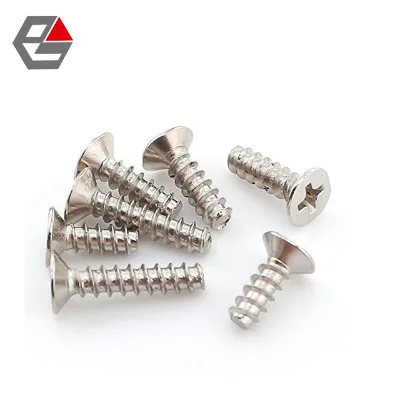


Comprehensive Sourcing Guide
DIN Furniture Screws Sourcing Guide
Sourcing DIN Furniture Screws requires a disciplined approach to distinguishing between generic fasteners and specialized hardware designed for specific assembly methods. The term "DIN" often serves as a broad reference to German industrial standards, but in the context of furniture manufacturing, it frequently overlaps with ISO, GB (Chinese National), and ANSI specifications. Buyers must recognize that while the core function remains the same—securing components together—the geometric tolerances, thread pitches, and head styles vary significantly across these standards. A failure to specify the exact standard can lead to compatibility issues during assembly, particularly when integrating with pre-drilled holes or using automated screwdriving equipment. Therefore, the initial step in procurement is not merely selecting a supplier, but defining the precise technical envelope that the fastener must meet to ensure structural integrity and aesthetic consistency.
The market for these components is characterized by a high degree of customization and a wide variance in material grades. Observed listings indicate that suppliers often offer products under various model numbers, such as LS, GMD, or CH-F145, which may correspond to different head styles, thread lengths, or groove types. It is critical for buyers to understand that "DIN" in a product title does not guarantee compliance with a specific DIN standard; rather, it may indicate a design lineage or a common industry shape. Consequently, procurement teams must verify the actual standard compliance, whether it be DIN, GB, GOST, or JIS, before placing orders. This verification process ensures that the fasteners will perform as expected under load and that they will not strip or fail during the tightening process, which is a common risk when using non-compliant or low-quality substitutes.
Product Scope and Observed Listing Signals
The observed product landscape for furniture screws reveals a diverse range of configurations, including round head, hexagon groove, and cross groove variants. Listings frequently highlight attributes such as "Carbon Steel" material and "Blue Zinc" or "Black" surface treatments, which are standard for corrosion resistance and aesthetic matching in furniture applications. Buyers should note that the condition is typically listed as "New," and customization is widely available, allowing for tailored solutions such as specific thread sizes (e.g., M3.5, M6, M8) or head styles. However, the presence of multiple model numbers and packing specifications suggests that suppliers may be aggregating various product lines under a single listing. This necessitates a careful review of the product details to ensure that the specific variant ordered matches the engineering drawings or physical samples provided by the furniture manufacturer.
Packing and logistics data from observed listings indicate that products are commonly shipped in cartons with dimensions such as 322414cm or 242114cm, often palletized for bulk transport. Some listings mention "General Export Package" or specific pallet dimensions like 112015cm, which can impact storage and handling efficiency at the receiving facility. Buyers must consider these packaging details when calculating landed costs and warehouse space requirements. Additionally, the observation of "Multi-size" threads and "Full Thread" specifications suggests that suppliers may offer a wide array of lengths and diameters. It is essential to confirm whether the quoted price includes packaging or if additional costs apply for specialized packaging that protects the screws from damage during transit, especially for zinc-plated items where surface finish integrity is crucial.
Technical Specifications to Verify
When evaluating technical specifications, the thread size and pitch are paramount. Observed data points to thread sizes ranging from M3.5 to M10, with some listings specifying "Full Thread" or "No Thread" shank options. Buyers must verify the thread pitch, as coarse and fine threads have different holding power and stripping characteristics. For furniture applications, coarse threads are often preferred for wood and particleboard due to their superior grip, while fine threads may be necessary for metal-to-wood connections. The head style, whether round, hexagon, or cross groove, must also be matched to the driving tool available in the assembly line. Mismatched head styles can lead to slippage, damaged screw heads, and reduced assembly speed, directly impacting production efficiency.
Material grade and surface treatment are critical for durability and appearance. Carbon steel is a common material, often treated with blue zinc or black oxide to prevent rust. Buyers should verify the grade of the steel, as indicated by listings mentioning "Grade 4" or similar classifications, which correlate to tensile strength and hardness. The surface treatment must be compatible with the furniture's environment; for instance, high-humidity areas may require more robust corrosion protection than standard zinc plating provides. Additionally, the connection type, described as "Common Bolt" in some listings, should be confirmed to ensure it matches the mating component. Misalignment in connection types can result in loose joints or incomplete assembly, compromising the structural safety of the final product.
Compliance and Safety Documentation
Compliance with international standards is a key requirement for many furniture manufacturers, particularly those exporting to regulated markets. Observed listings mention certifications such as ISO, RoHS, and ISO9001:2008, along with SGS testing reports. Buyers should request and verify these certificates to ensure that the supplier adheres to recognized quality management systems and environmental regulations. RoHS compliance is particularly important for furniture intended for the European market, as it restricts the use of hazardous substances. The presence of these certifications indicates a level of process control and quality assurance, but buyers should not assume that every batch will automatically meet these standards without periodic audits or third-party testing.
Safety documentation should also include material safety data sheets (MSDS) and test reports for mechanical properties, such as tensile strength and hardness. These documents provide evidence that the screws can withstand the expected loads without failing. Buyers should verify that the test reports are recent and issued by accredited laboratories. Additionally, compliance with specific regional standards, such as GB in China or ANSI in the United States, may be required depending on the destination market. It is the buyer's responsibility to ensure that the supplier can provide documentation that meets these regional requirements, as non-compliance can lead to customs delays, product recalls, or legal liabilities.
Cost Drivers and Commercial Terms
The cost of DIN Furniture Screws is influenced by several factors, including material prices, surface treatment complexity, and order volume. Observed price ranges vary significantly, from as low as $0.01 to over $1499 for bulk orders, reflecting the diversity in product specifications and quantities. Buyers should analyze the unit price in the context of the total order value, considering that higher volumes may attract discounts but also require larger minimum order quantities (MOQs). The observed MOQ range of 1 to 100,000 units suggests that suppliers are flexible, but smaller orders may incur higher per-unit costs due to setup and handling fees. Understanding these cost drivers helps buyers negotiate better terms and plan their inventory more effectively.
Commercial terms such as payment methods, lead times, and shipping conditions also impact the total cost of ownership. Buyers should clarify whether the quoted price includes packaging, labeling, and any necessary documentation. Lead times can vary based on the level of customization and current production capacity. It is advisable to establish clear agreements on delivery schedules and penalties for delays, as late deliveries can disrupt production lines. Additionally, buyers should consider the cost of quality control inspections, which may be necessary for large orders to ensure consistency. Transparent communication regarding these commercial terms helps avoid hidden costs and ensures a smoother procurement process.
Supplier Qualification and Quality Control
Supplier qualification is a critical step in mitigating procurement risks. Buyers should assess the supplier's production capabilities, including their use of cold heading processes and surface treatment facilities. Observed listings mention "Cold Heading" as a produce method, which is efficient for high-volume production but requires precise tooling to maintain dimensional accuracy. Buyers should verify the supplier's quality control processes, including in-process inspections and final product testing. A robust quality management system, evidenced by ISO certification, is a positive indicator, but on-site audits or third-party inspections may be necessary to ensure consistent quality.
Quality control should also include checks for surface defects, thread integrity, and dimensional accuracy. Buyers should request samples for initial evaluation and establish acceptance criteria based on these samples. For ongoing production, periodic audits and batch testing can help maintain quality standards. It is also important to verify the supplier's ability to handle customizations, such as specific thread sizes or head styles, without compromising quality. Clear communication of quality expectations and regular feedback loops with the supplier can help identify and resolve issues early, ensuring that the delivered products meet the required specifications.
Long-Term Procurement Checks
Long-term procurement success depends on continuous monitoring of supplier performance and market trends. Buyers should establish key performance indicators (KPIs) for quality, delivery, and cost, and review these metrics regularly. Consistent performance against these KPIs indicates a reliable supplier, while deviations may signal underlying issues that need to be addressed. Additionally, buyers should stay informed about changes in industry standards and regulations, as these can impact product requirements and compliance obligations. Proactive engagement with suppliers to discuss future needs and potential improvements can foster a collaborative relationship and ensure a steady supply of high-quality furniture screws.
Supply chain resilience is another important consideration for long-term procurement. Buyers should diversify their supplier base to mitigate risks associated with single-source dependencies. This may involve qualifying alternative suppliers for critical components or maintaining safety stock for high-volume items. Regular reviews of the supply chain can help identify potential bottlenecks or vulnerabilities and allow for timely adjustments. By maintaining a strategic approach to supplier management and quality control, buyers can ensure a stable and efficient supply of DIN Furniture Screws, supporting the long-term success of their furniture manufacturing operations.
FAQs
What materials are used for DIN Furniture Screws?
The primary material used is carbon steel, often treated with blue zinc or black finishes for corrosion resistance. Some variants feature zinc plating for enhanced durability. These screws are designed for furniture applications, including chair and bed assembly, ensuring strong connections while maintaining a silver or original color appearance depending on the specific model and surface treatment selected.
Can DIN Furniture Screws be customized for specific projects?
Yes, customization is available for many din furniture screw models. Buyers can request specific standards such as GB, DIN, GOST, ANSI, BSW, or JIS. Customization extends to thread sizes like M6, M8, or M10, and specific dimensions. This flexibility allows for tailored solutions that meet precise furniture assembly requirements and structural needs for various furniture types.
What certifications do DIN Furniture Screws typically have?
Common certifications include ISO, RoHS, and ISO9001:2008. Many suppliers also provide SGS testing reports to verify quality and safety standards. These certifications ensure that the screws meet international regulatory requirements for materials and manufacturing processes, providing assurance for buyers sourcing furniture components that must comply with global environmental and quality management standards.
How are DIN Furniture Screws packaged for shipping?
Packaging typically involves cartons with dimensions like 32*24*14cm or 24*21*14cm, stacked on pallets. Some items use general export packages or carton with pallet configurations. Standard pallet sizes may include 1*120*15cm or 110*100*14cm. This secure packaging protects the screws during transit and facilitates efficient handling and storage for bulk orders in international trade.
What is the origin of these DIN Furniture Screws?
These products originate from China, specifically from regions like Guangdong. The manufacturing process often involves cold heading to produce high-strength fasteners. This origin ensures access to established supply chains and competitive pricing for bulk orders, while adhering to various international standards to meet the diverse needs of global furniture manufacturers and distributors.
What are the common head styles for these screws?
Common head styles include round head and cylinder shapes. The groove type is often cross or hexagon, depending on the specific model. These designs facilitate easy installation with standard tools. The variety in head styles allows for different aesthetic and functional requirements in furniture assembly, ensuring secure fastening while maintaining a clean and professional appearance in the final product.