Source Display Wig Mannequin Head for Hat, Jewelry, and Scarf Display
Compare 30 options for a Display Wig Mannequin Head made from materials like polyethylene, plastic, and fiberglass. These units support wig, hat, and jewelry display needs with varying sizes and customization services available.
Key considerations
Products List


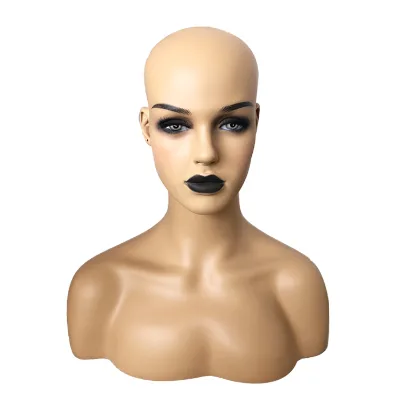
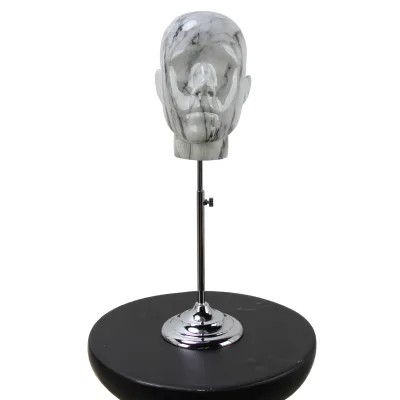
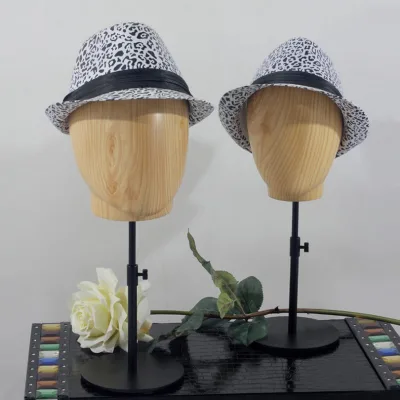
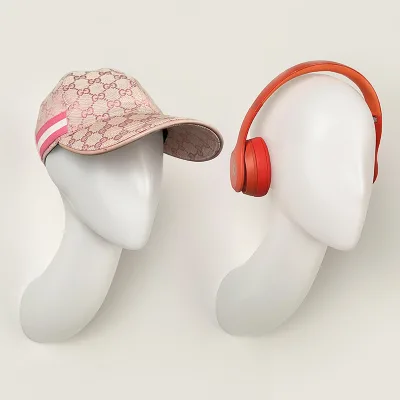
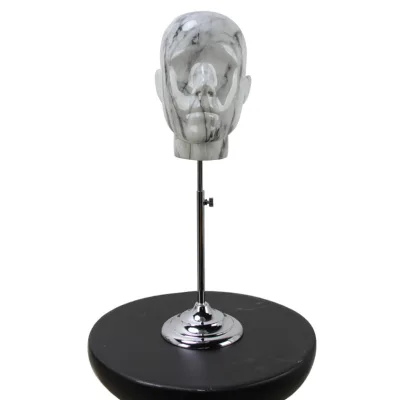
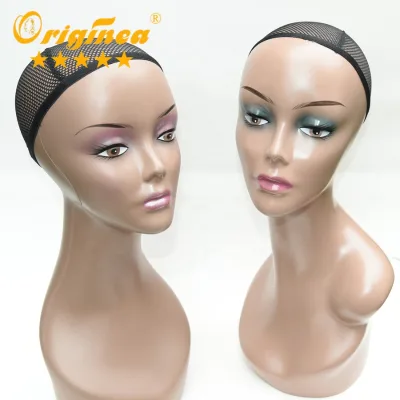
2022 Fashion Mannequin Head Wig Display Head Dummy Head for Wig Display
$9.03 - $23.25
MOQ: 100 Minimum








Comprehensive Sourcing Guide
Strategic Sourcing Guide for Display Wig Mannequin Heads
The global demand for high-quality wig display solutions has driven a specialized market segment focused on mannequin heads designed for retail, salon, and manufacturing environments. For procurement professionals, sourcing these items requires a nuanced understanding of material science, dimensional specifications, and supply chain logistics. The core keyword "Display Wig Mannequin Head" encompasses a diverse range of products, from rigid plastic forms to canvas blocks and fiberglass structures. This guide synthesizes available market data to provide a disciplined framework for evaluating suppliers and selecting the appropriate product for specific business needs, ensuring that procurement decisions are grounded in verifiable facts rather than marketing assertions.
Material Composition and Structural Integrity
The foundation of any effective mannequin head lies in its material composition, which dictates durability, weight, and suitability for specific display applications. Analysis of the current market reveals three primary material categories: polyethylene, generic plastic (often polypropylene or PP), and fiberglass. Polyethylene models, such as those identified by model number WT-038, are frequently cited for their balance of strength and flexibility. These units typically weigh around 1500g and stand approximately 46cm tall, offering a robust platform for heavy wigs or hats. In contrast, polypropylene (PP) variants, like the WT-039 model, present a lighter alternative at 500g with a height of 52cm, making them ideal for portable displays or scenarios where weight reduction is a priority.
Fiberglass represents the premium tier of this category. Products in this segment, often branded under names like "HQ," offer superior rigidity and a smooth finish that mimics human skin texture more closely than plastic alternatives. These units are heavier, with a single gross weight recorded at 3.500 kg, and are designed for high-end retail environments where aesthetic perfection is paramount. A distinct category includes white canvas block heads, which serve a different function entirely. These are not rigid forms but rather stands used specifically for the construction of wigs, closures, frontals, and toupees. Their material composition allows for pinning and styling during the manufacturing process, a feature not present in finished display heads. Buyers must verify the specific material of the unit they are ordering, as the performance characteristics of polyethylene differ significantly from those of canvas or fiberglass.
Dimensional Standards and Technical Specifications
Precision in dimensions is critical for wig manufacturers and retailers who require consistency across their inventory. The market exhibits a wide variance in standard specifications, ranging from compact units to large-scale display forms. For instance, specific polyethylene models adhere to a standard of 46cm in height, while others, such as the canvas wig stands, are available in a spectrum of sizes including 21, 22, 23, 24, and 25 inches. This variability necessitates a rigorous verification process before placing bulk orders. Procurement teams must confirm whether the supplier's "standard" refers to the total height, the head circumference, or the base dimensions.
Packaging dimensions also play a vital role in logistics planning. Some units, such as the fiberglass models, come in single package sizes of 46x30x50 cm, which significantly impacts shipping costs and container loading efficiency. Other models, like the plastic variants, may be packed in PP or PVC bags within standard export cartons. The WT-042 model, for example, lists a standard dimension of 41x37x21 cm, which suggests a more compact footprint suitable for smaller retail spaces or easier storage. Buyers should not assume that all "mannequin heads" share the same footprint; the physical volume of the product directly influences freight charges and warehouse requirements. It is essential to request the exact single package size and gross weight for every SKU to ensure accurate freight cost calculations and space planning.
Application Scenarios and Functional Versatility
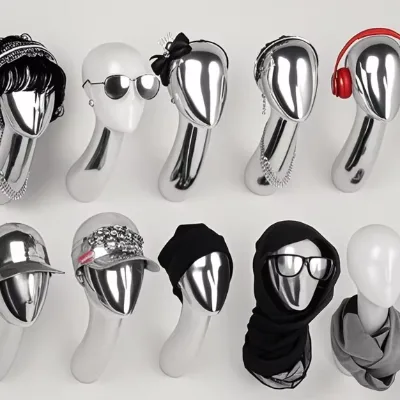
The utility of a display mannequin head is defined by its intended application. The market data indicates that these products are designed for a broad spectrum of uses, including hat, jewelry, wig, sunglasses, and scarf display. This versatility makes them attractive to multi-category retailers. However, the specific design features often align with a primary function. For example, the "Doll Mannequin" style is explicitly noted for its ability to display hats, glasses, jewelry, and wigs simultaneously, suggesting a design that accommodates multiple accessories without obstruction.
Conversely, the "White Canvas Block Head" is specialized for the creation process rather than final retail display. Its primary usage is for making wigs, closures, frontals, and toupees, serving as a stable base for stylists and manufacturers. This distinction is crucial for buyers; a canvas stand is not suitable for a retail window display where a finished, rigid form is required to hold a styled wig. Similarly, fiberglass models are often categorized as "High-end and mid-range" and are marketed for their abstract styles and colorful options, targeting boutiques that prioritize visual impact. Understanding the specific workflow of the end-user—whether they are a manufacturer building wigs or a retailer displaying finished goods—will determine the correct product selection.
Supplier Capabilities and Customization Options
When evaluating potential suppliers, the capacity for customization and service flexibility is a key differentiator. The market data confirms that customization is available across various product lines, allowing buyers to tailor products to their brand identity. Many suppliers offer OEM (Original Equipment Manufacturer) and ODM (Original Design Manufacturer) services, enabling the creation of branded mannequin heads with specific logos, colors, or shapes. The "HQ" brand example highlights a supplier that accepts OEM orders, indicating a willingness to produce white-label goods for other businesses.
Lead times and sample availability are also critical factors in supplier evaluation. Some suppliers support a 7-day sample order lead time, which is a significant advantage for buyers needing to validate product quality before committing to large volumes. This rapid turnaround allows for faster iteration in the design and selection process. Additionally, the availability of different styles, such as "Mannequin Head with Shoulders" versus standard "Mannequin Heads," suggests that suppliers have the production flexibility to offer varied silhouettes. Buyers should explicitly inquire about the minimum order quantities (MOQ) for customized runs, as these often differ from standard stock items. The observed MOQ range in the market spans from 1 to 100 units, indicating that some suppliers cater to small boutique orders while others require larger commitments for custom production.
Quality Assurance and Compliance Verification
Ensuring product quality is paramount, yet specific certification data is not universally provided in the general market listings. Buyers must treat product attributes as observations rather than universal claims. For instance, while "High Quality" is a frequently cited feature, the specific standards or test results supporting this claim must be verified on a per-supplier basis. The market lists various standards, such as "1500g 46cm" or "500g 52cm," which serve as dimensional and weight benchmarks rather than safety certifications.
Procurement teams should request detailed quality control documentation from suppliers, including material safety data sheets and structural integrity test results. For fiberglass products, which involve chemical resins, verifying that the manufacturing process adheres to environmental and safety standards is essential. Similarly, for plastic products, buyers should confirm that the materials used are non-toxic and durable enough to withstand repeated handling. The origin of the products, primarily from regions like Henan and Guangdong in China, suggests a mature manufacturing ecosystem, but it does not automatically guarantee compliance with international safety standards. Buyers must explicitly ask for certification documents relevant to their target market, such as CE, FDA, or specific textile safety standards, rather than relying on general marketing claims.
Cost Drivers and Procurement Strategy
The pricing of display wig mannequin heads is influenced by a complex interplay of material costs, manufacturing complexity, and logistics. The observed price range in the market spans from $3.1 to $69 USD, reflecting the vast difference between a basic plastic head and a premium fiberglass or canvas unit. The cost drivers include the raw material type (polyethylene vs. fiberglass), the weight of the unit (affecting shipping costs), and the level of customization required. For example, the fiberglass models with a gross weight of 3.500 kg will incur higher freight costs compared to the 500g polypropylene units.
Buyers should adopt a total cost of ownership approach, considering not just the unit price but also packaging, shipping, and potential duties. The packaging standard, often PP or PVC bags within export cartons, is a factor that can reduce damage rates during transit, potentially lowering long-term costs associated with returns. Furthermore, the availability of single-item selling units versus bulk packaging options can impact the flexibility of the procurement strategy. For small retailers, the ability to order single items at a higher unit price may be more cost-effective than meeting a high MOQ for a lower price. Conversely, large distributors should leverage the lower end of the price spectrum by negotiating bulk rates for standard plastic models.
Long-Term Procurement Considerations
Sourcing display mannequin heads is not merely a transactional exercise but a strategic decision that impacts brand perception and operational efficiency. The longevity of the product is a key consideration; fiberglass and high-density polyethylene units generally offer longer lifespans than canvas or lightweight plastic alternatives. For businesses with high turnover or frequent display changes, investing in durable, high-quality units can reduce replacement costs over time. Additionally, the aesthetic consistency of the product line is vital for maintaining a professional brand image.
Buyers should also consider the scalability of their supplier relationship. Suppliers that offer both standard and customized products, along with flexible lead times, are better positioned to support business growth. The ability to source different styles, such as abstract or colorful designs, allows retailers to refresh their displays seasonally without changing suppliers. Finally, maintaining a clear communication channel regarding quality control and order tracking is essential for managing inventory levels and ensuring timely replenishment. By focusing on these long-term factors, buyers can build a resilient supply chain that supports their business objectives in the competitive wig and accessory market.
FAQs
What materials are used for display wig mannequin heads?
These heads are primarily made from polyethylene, plastic, PP, or fiberglass. Polyethylene models like WT-038 offer strength, while PP variants such as WT-039 provide a lighter weight option for portable displays.
Can I find mannequin heads with specific height standards?
Yes, standard heights vary by model, with options including 46cm, 52cm, or specific inch sizes like 21 to 25 inches for canvas stands. Buyers must verify the exact dimension standard for each SKU before ordering.
Which suppliers offer customization services for these products?
Many suppliers provide OEM and ODM customization services to tailor products to your brand. You can request specific logos, colors, or shapes, though minimum order quantities may vary for custom runs compared to stock items.
How long does it take to receive sample orders?
Some suppliers support a 7-day sample order lead time for quick validation of product quality. This rapid turnaround allows buyers to test materials and finishes before committing to larger bulk production orders.
What is the price range for display wig mannequin heads?
The observed price range spans from 3.1 to 69 USD depending on material and complexity. Basic plastic units are at the lower end, while premium fiberglass or specialized canvas stands command higher prices.
Where are these mannequin heads typically manufactured?
Products originate from manufacturing hubs in Henan and Guangdong, China. These regions host a mature ecosystem for producing various types of display heads, from rigid plastic forms to canvas wig stands.
Can I use these heads for displaying jewelry and hats?
Yes, many models are designed for versatile use including hat, jewelry, wig, and sunglasses display. Specific styles like the Doll Mannequin accommodate multiple accessories simultaneously without obstruction.