Source ISO13485 Surgical Micro Cannula for Facial Rejuvenation
Compare 30 listings for ISO13485 Surgical Micro Cannula options including blunt tip designs and various gauges. Evaluate specifications such as length, material, and sterilization methods to find suitable single-use medical devices for clinical applications; compare the available evidence and request quotations based on your requirements.
Key considerations
Products List




Comprehensive Sourcing Guide
ISO13485 Surgical Micro Cannula Sourcing Guide
Procuring surgical micro cannulas requires distinguishing between specific product variants, as listings often conflate blunt-tip cannulas with other medical instruments like PDO threads or catheters. Buyers must verify that the material is explicitly medical-grade stainless steel, such as 304 stainless, rather than generic plastic or non-woven fabrics which appear in mixed catalogs. The core product focus should remain on the cannula type with specific gauge sizes ranging from 18g to 30g, ensuring the selection matches the intended surgical depth and tissue handling requirements.
Verification of the sterilization method is critical before finalizing any order, as some listings indicate ethylene oxide sterilization while others explicitly state the absence of this process. A surgical-grade micro cannula intended for invasive procedures must arrive in a sterile package, often described as medical aseptic packaging or sterile pouches, to ensure patient safety. Buyers should cross-reference the product name and model number against the specific gauge and length specifications to avoid receiving non-sterile or incorrectly sized instruments that cannot be used in a clinical setting.
Product Scope and Observed Listing Signals
The market listings for this category reveal a wide variance in product definitions, including items labeled as biological diagnostic reagents or oral administration tools which are irrelevant to surgical micro cannula procurement. Buyers must filter out products with keywords like "thread" or "catheter" and focus strictly on those identified as "Micro Cannula" or "Blunt Tip Cannulas" made from stainless steel. The observed size specifications typically include gauges from 18g up to 30g, with lengths varying from 25mm to 100mm, which are the standard dimensions for facial and body contouring procedures.
Listing signals also indicate that packaging formats vary significantly, ranging from paper boxes to aluminum foil bags and single pouches, which impacts logistics and storage requirements. Some suppliers offer customization options for logo printing, while others provide products without branding, a factor that may influence branding strategies for private label distributors. It is essential to confirm that the "Single-Use" attribute is clearly stated, as reusing surgical cannulas poses significant infection risks and violates standard medical safety protocols for disposable instruments.
Technical Specifications to Verify
Technical verification must begin with the material composition, ensuring the product is constructed from medical 304 stainless steel rather than lower-grade alloys or plastic materials found in non-surgical listings. The gauge size is a primary determinant of the cannula's function, with common specifications including 18g, 19g, 21g, 23g, 25g, 27g, 29g, and 30g, each serving different tissue penetration needs. Buyers should request detailed dimension sheets to confirm the length matches the surgical requirement, as observed ranges include 25mm, 38mm, 50mm, 70mm, and 100mm, with some models extending up to 450mm for specialized applications.
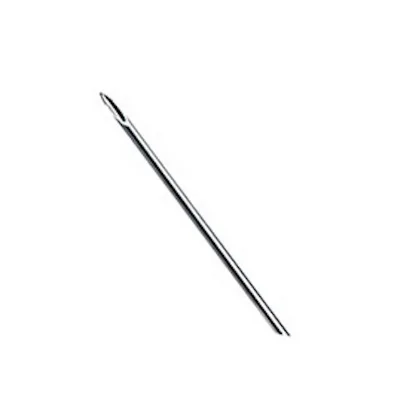
The tip geometry is another critical specification, particularly for blunt-tip cannulas designed to minimize tissue trauma during injection procedures. Listings often specify "Blunt Tip" as a key attribute, distinguishing these from sharp needles used for initial puncture. Additionally, the model number, such as "cannula 18X100" or "HBHCAL1," serves as a unique identifier for the specific combination of gauge and length. Buyers must ensure the product model aligns precisely with the ordered specifications to prevent mismatches in the surgical suite that could compromise procedure efficacy.
Compliance and Safety Documentation
Compliance verification is paramount, with a strong emphasis on confirming the presence of ISO 13485 certification, which is explicitly mentioned in several high-confidence product attributes. This standard ensures that the manufacturer maintains a quality management system specifically designed for medical devices, covering design control, risk management, and production processes. Buyers should request valid certificates from the supplier and verify their authenticity, as the presence of this certification is a non-negotiable baseline for sourcing surgical-grade instruments intended for human use.
In addition to ISO 13485, documentation should include evidence of GMP (Good Manufacturing Practice) compliance and potentially CE marking, which indicates conformity with health, safety, and environmental protection standards for products sold within the European Economic Area. The quality guarantee period is another critical documentable attribute, with observed listings specifying a two-year warranty, which reflects the manufacturer's confidence in the product's durability and performance. Buyers must ensure that the regulatory type and quality guarantee period are clearly stated in the product documentation to protect against liability and ensure adherence to local medical device regulations.
Cost Drivers and Commercial Terms
Cost structures for surgical micro cannulas are influenced by the complexity of the manufacturing process, the specific gauge and length combinations, and the sterilization method employed. Ethylene oxide sterilization adds a layer of cost and regulatory complexity compared to non-sterile options, making it a significant price driver for finished surgical products. Buyers should anticipate that higher precision gauges, such as 27g or 30g, and specialized lengths may command different price points than standard configurations, necessitating a detailed request for quotation that breaks down costs by specification.
Commercial terms also include the minimum order quantity (MOQ), which can vary widely from single units to large bulk orders of 100,000 units depending on the supplier's capacity and policy. Lead times are another critical factor, with observed delivery windows ranging from 3 to 5 days for standard orders, though this may extend for customized or large-volume requests. Buyers must clarify whether the quoted price includes packaging, shipping, and insurance, as logistics costs can vary significantly based on the destination and the chosen courier service, such as DHL, FedEx, or UPS.
Supplier Qualification and Quality Control
Supplier qualification requires a rigorous assessment of their manufacturing capabilities, specifically their ability to produce medical-grade stainless steel instruments with consistent quality. Buyers should verify that the supplier operates under an Original Brand Manufacturing (OBM) model or has the capacity for private labeling, ensuring they can meet specific branding and packaging requirements. The presence of certifications like ISO 13485 and GMP should be validated through third-party audits or recent inspection reports to confirm that the supplier's quality control systems are robust and effective.
Quality control processes must be transparent, with suppliers expected to provide batch-specific test results and traceability records for every shipment. The observed attribute of "Two Years" quality guarantee suggests a commitment to product reliability, but buyers should also inquire about the supplier's defect rate and their protocol for handling non-conforming products. Establishing a clear communication channel for quality issues is essential, ensuring that any deviations from the agreed specifications, such as incorrect gauge sizes or packaging defects, can be addressed promptly and effectively.
Long-Term Procurement Checks
Long-term procurement success depends on establishing a stable supply chain that can consistently meet demand without compromising on quality or regulatory compliance. Buyers should conduct periodic re-verification of supplier certifications and quality management systems to ensure they remain current and effective over time. Regular audits, whether on-site or remote, can help identify potential risks in the supply chain and ensure that the supplier continues to adhere to the agreed-upon standards and specifications for surgical micro cannulas.
Building a strategic partnership with the supplier involves more than just transactional exchanges; it requires open communication regarding future product needs and potential design modifications. Buyers should monitor market trends and regulatory changes that might impact the sourcing of medical devices, ensuring that their procurement strategy remains adaptable and compliant. By maintaining a proactive approach to supplier management, buyers can mitigate risks associated with supply disruptions and ensure a steady flow of high-quality surgical micro cannulas for their clinical or distribution needs.
FAQs
What materials are used for iso13485 surgical micro cannulas?
These cannulas are primarily manufactured from medical-grade 304 stainless steel to ensure durability and biocompatibility. Some variants may also utilize non-woven fabric components for specific handling or packaging needs. The steel construction provides the necessary rigidity for precise surgical application while maintaining patient safety standards.
Which sizes and gauges are available for these cannulas?
Available gauges include 18g, 19g, 21g, 23g, 27g, 29g, and 30g. Lengths range from 25mm up to 100mm, with specific models offering 38mm, 50mm, and 70mm options. This variety allows surgeons to select the appropriate dimensions for different anatomical sites and procedural requirements effectively.
How are the cannulas sterilized and packaged?
Products are available in both ethylene oxide sterilized and non-sterilized forms. Packaging options include sterile medical aseptic packaging, aluminum foil bags, and paper boxes. This flexibility ensures that buyers can choose the appropriate sterilization method and packaging type that aligns with their specific clinical protocols and storage capabilities.
Can these cannulas be customized with a logo?
Yes, customization is available for branding purposes. While some standard listings indicate no logo printing, the product attributes confirm that logo printing services are offered. Buyers seeking private label solutions can request custom branding to meet their specific marketing or institutional identity requirements during the procurement process.
What is the typical delivery time for orders?
The standard delivery time is typically 3 to 5 days. This rapid turnaround supports urgent surgical supply needs. Buyers should note that this timeframe applies to standard processing, and actual shipping durations may vary depending on the chosen logistics provider and the final destination country for the shipment.
Are these products suitable for single-use applications?
Yes, the cannulas are explicitly designed for single-use applications. This ensures patient safety by preventing cross-contamination between procedures. The single-use design aligns with standard medical hygiene protocols, allowing healthcare facilities to maintain high standards of infection control without the need for complex reprocessing or sterilization cycles.