Source Desensitizing Delay Spray for Men for Massage, Aromatherapy, and Relax
Explore 30 listings for Desensitizing Delay Spray for Men, featuring water-based and herbal formulations. Compare OEM options, packaging types like sachets and bottles, and certifications such as MSDS and CE to find suitable suppliers for adult wellness products; compare the available evidence and request quotations based on your requirements.
Key considerations
Products List


Long Time Delay Sex Spray for Women Men Penis Timing Spray for Sex Spray Sex Timing
$0.88 - $1.10
MOQ: 2000 Pieces


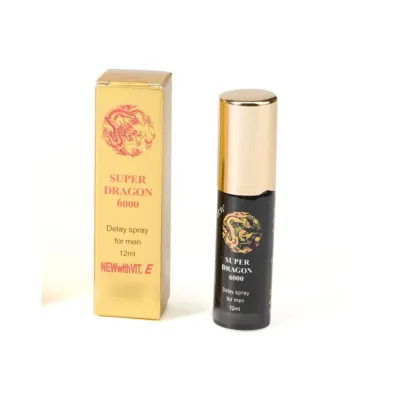
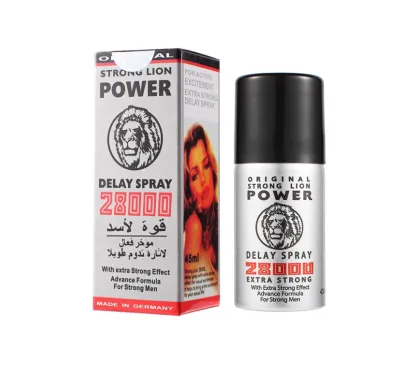
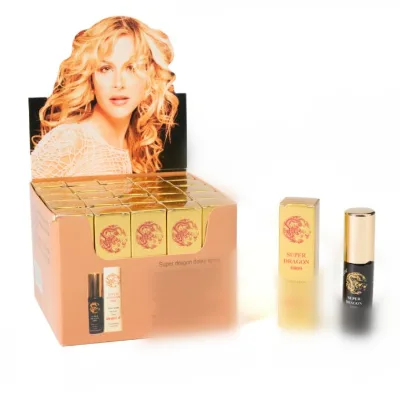
Comprehensive Sourcing Guide
Desensitizing Delay Spray for Men Sourcing Guide
The market for desensitizing delay sprays for men presents a diverse range of formulations, primarily observed as liquid or spray-based products originating from China Mainland. Buyers should note that observed listings frequently feature water-based compositions containing ingredients like glycerol and hydroxyethyl cellulose, alongside silicone oil variants. These products are typically marketed for external use and are often categorized under adult wellness applications, with specific mentions of sex delay functions and blood circulation promotion in certain herbal formulations.
Procurement strategies must account for the variability in packaging and capacity, which ranges from small sachets and tubes to bottles equipped with pump heads. Observed capacities span from 5ml to 150ml, with some listings specifying fixed weights like 8g or 12g for specific spray models. Sourcing teams should verify whether the supplier offers OEM branding capabilities, as many manufacturers provide customizable packaging options including export cartons and various bottle types to meet specific market requirements.
Product Scope and Observed Listing Signals
Buyers must distinguish between different product forms, as the supply chain offers both liquid lubricants and specialized sprays designed for desensitization. The observed product attributes indicate a split between water-based lubricants and sprays that may contain natural herbs or silica gel components. It is critical to confirm the specific application intent, as some listings describe products for massage and aromatherapy, while others explicitly target sex delay functions, requiring precise alignment with the intended use case.
Color and fragrance profiles also vary significantly across available listings, with observations ranging from transparent and white liquids to yellow formulations with herbal scents. Procurement teams should verify the exact physical state of the product, noting that some items are described as sprays or wipes while others are strictly liquids. This distinction impacts the selection of packaging machinery and the regulatory classification of the product in the destination market, necessitating a clear definition of the desired product form before engaging with suppliers.
Technical Specifications to Verify
Verification of the active ingredient profile is essential, as observed materials include water-based solutions, silicone oils, and natural herbal extracts. Buyers should request detailed composition sheets to confirm the presence of specific agents like glycerol or hydroxyethyl cellulose, ensuring they match the desired efficacy and safety profile. The distinction between water-based and silicone-based formulations is particularly important, as this affects the product's interaction with condoms and the duration of its effect on the skin.
Capacity and packaging specifications require rigorous validation against the intended retail format, as observed models range from 5ml to 100ml and beyond. Suppliers may offer standard models like DS or sex05, but custom capacities such as 15ml or 30ml are also common. Procurement teams must confirm the compatibility of the chosen packaging, such as sachets, tubes, or pump bottles, with the product's viscosity and the supplier's filling capabilities to ensure consistent dosing and user experience.
Compliance and Safety Documentation
Regulatory compliance is a primary concern, with observed certifications including MSDS, CE, and GMP standards. Buyers should insist on obtaining valid Material Safety Data Sheets for every batch to verify the chemical composition and handling requirements. The presence of CE certification suggests adherence to specific safety standards, but it is crucial to confirm that these documents are current and applicable to the specific product formulation being sourced, rather than generic certificates.
Additional safety documentation, such as test reports and GMP certificates, should be reviewed to ensure the manufacturing process meets quality benchmarks. Some listings mention specific standards like 10ml or Ml as reference points, but these are often capacity markers rather than safety standards. Procurement teams must verify that the supplier can provide comprehensive test reports covering microbial limits and chemical stability, especially for products claiming natural herb ingredients or specific medical properties like promoting blood circulation.
Cost Drivers and Commercial Terms
Pricing structures in this category are highly variable, with observed ranges spanning from $0.02 to $10 per unit depending on volume and customization. The Minimum Order Quantity (MOQ) is a significant cost driver, with observed thresholds ranging from 10 units to 100,000 pieces. Buyers should negotiate based on their volume requirements, as higher quantities often unlock lower unit costs, but they must balance this against inventory holding costs and shelf life constraints.
Lead times and payment terms are influenced by the complexity of customization and the specific packaging requirements. While some suppliers offer flexible MOQs on negotiation, others maintain strict thresholds like 10,000 pieces for standard OEM orders. Procurement teams should clarify the impact of packaging choices, such as export cartons versus individual sachets, on the final landed cost, and ensure that all commercial terms explicitly define the responsibilities for shipping, insurance, and customs clearance.
Supplier Qualification and Quality Control
Supplier qualification should focus on verifying the origin and manufacturing capabilities, as most observed products originate from Shandong, China, or other regions in China Mainland. Buyers must confirm that the supplier holds valid GMP certification and can demonstrate a consistent track record in producing adult wellness products. It is advisable to request evidence of their production capacity and quality control protocols to ensure they can meet the required volume and consistency standards.
Quality control measures must include regular audits of the production line and verification of raw material sources, particularly for herbal or natural ingredient claims. Buyers should establish clear acceptance criteria for product attributes such as color, fragrance, and viscosity, ensuring they match the agreed specifications. Implementing a robust inspection process, including pre-shipment inspections, is essential to mitigate the risk of receiving products that do not meet the defined technical or safety requirements.
Long-Term Procurement Checks
Long-term procurement success depends on monitoring shelf life and storage conditions, as observed products typically have a shelf life of three years. Buyers must ensure that the supplier adheres to proper storage notes, such as insect prevention and temperature control, to maintain product integrity over time. Regular reviews of the product's stability and performance are necessary to confirm that the formulation remains effective throughout the product's lifecycle.
Continuous evaluation of supplier performance and market trends is vital for maintaining a competitive edge in the desensitizing spray market. Procurement teams should track changes in certification requirements, such as updates to MSDS or CE standards, and adjust their sourcing strategies accordingly. Building a strong relationship with suppliers who offer flexible customization and reliable quality control will facilitate smoother scaling and adaptation to evolving consumer demands in the adult wellness sector.
FAQs
What materials are used in water-based delay sprays?
Water-based formulations typically use glycerol, pure water, and hydroxyethyl cellulose as primary ingredients. These components create a transparent, lubricating liquid that is safe for external use. The base ensures easy cleanup and compatibility with condoms, making it a preferred choice for male intimate care products.
Can buyers request custom packaging for bulk orders?
Yes, customization is available for bulk purchases. Suppliers offer sachet, tube, and bottle with pump head options to meet specific branding needs. This flexibility allows businesses to tailor the product presentation, ensuring the final output aligns with their market requirements and retail strategies effectively.
What certifications are required for these lubricant products?
Products generally require MSDS and CE certifications to ensure safety and compliance. Some manufacturers also provide GMP certification and test reports. These documents verify that the ingredients, such as natural herbs or silica gel, meet international standards for external use and adult product regulations.
How does the shelf life affect storage requirements?
The shelf life is typically three years, requiring storage in a cool, dry place. Buyers must ensure insect prevention measures are in place during warehousing. Proper storage maintains the integrity of the liquid formula, whether it is packaged in small sachets or larger export carton boxes.
What is the typical MOQ for OEM orders?
The minimum order quantity is often 10,000 pieces, though this can be negotiated. Buyers can choose from various capacities like 5ml, 15ml, or 200ml. This flexibility supports both small trial orders and large-scale distribution, allowing businesses to manage inventory costs efficiently while securing supply.
Are there options for herbal fragrance in delay sprays?
Yes, herbal fragrance options are available for specific product lines. These sprays may contain natural herbs and promote blood circulation for external use. The formulation often includes water-based or silicone oil features, providing a relaxing experience suitable for massage and aromatherapy applications in the adult care sector.