Source Disposable Surgical Laparoscopic Insufflator Needle for Abdominal, Urology, Anorectal
Compare 30 listings of Disposable Surgical Laparoscopic Insufflator Needle from verified Chinese manufacturers. Buyers can evaluate specifications like working length, sterilization methods, and OEM customization options to find the right surgical supplies for abdominal, urology, and anorectal procedures.
Key considerations
Products List


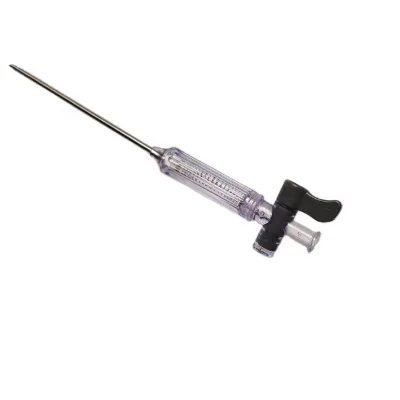


Disposable Hypodermic Needle for Safe and Reliable Medical Procedures
$0.01 - $0.01
MOQ: 500000 Pieces
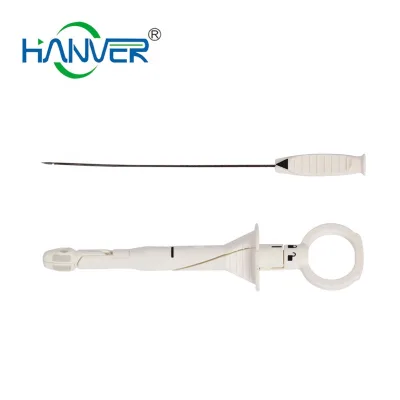


Comprehensive Sourcing Guide
Strategic Sourcing Guide for Disposable Surgical Laparoscopic Insufflator Needles
Understanding the Technical Architecture and Variants
The Disposable Surgical Laparoscopic Insufflator Needle, often referred to as a Veress needle, serves as a critical entry point for establishing pneumoperitoneum during minimally invasive abdominal surgeries. The core functionality relies on a dual-cannula design where a sharp inner stylet penetrates the abdominal wall, followed by a blunt outer trocar that safely dilates the tissue and maintains the seal for gas insufflation. Buyers must distinguish between reusable and disposable variants, as the market presents distinct operational profiles for each. While some product listings indicate a reusable configuration with specific material compositions, the prevailing trend for this core keyword leans heavily toward single-use disposability to mitigate cross-contamination risks and eliminate the complex sterilization cycles associated with reprocessing.
The physical dimensions of these instruments are paramount for surgical efficacy. The working length typically ranges between 120mm and 150mm, accommodating different patient body habitus and surgical approaches. Specific model designations such as VN-120 and VN-150 correspond directly to these working lengths, ensuring that the surgeon selects the appropriate tool for the procedure. The needle tip is engineered with a sharp point to facilitate initial penetration, while the internal hollow design allows for the controlled flow of carbon dioxide. Some advanced iterations incorporate safety mechanisms designed to retract the sharp tip upon entering the peritoneal cavity, significantly reducing the risk of visceral injury. Additionally, external markings are often present to provide visual depth cues, assisting the surgeon in monitoring insertion depth relative to the abdominal wall thickness.
Regulatory Compliance and Certification Verification
Navigating the regulatory landscape is a non-negotiable aspect of sourcing surgical supplies. In the global market, the presence of specific certifications acts as a primary indicator of a manufacturer's adherence to quality management systems and safety standards. Buyers should rigorously verify that suppliers possess valid ISO 13485 certification, which is the international standard for medical device quality management. Furthermore, the CE mark is frequently cited as a requirement for market access in Europe, indicating conformity with health, safety, and environmental protection standards. In the United States, FDA registration is a critical benchmark for market entry.
The classification of the device also dictates the regulatory pathway. Most Veress needles are categorized as Class II medical devices, which requires special controls to ensure safety and effectiveness. This classification implies that the device is subject to specific performance testing and labeling requirements. When evaluating potential suppliers, procurement teams must request current certificates of conformity rather than relying on generic claims. It is essential to confirm that the certification covers the specific model numbers being sourced, as certifications are often model-specific. The absence of these verifiable credentials should be treated as a red flag, regardless of the supplier's reputation or price point.
Cost Drivers and Economic Factors in Procurement
The pricing structure for disposable surgical needles is influenced by a complex interplay of material costs, sterilization methods, and order volume. The observed price range in the market can vary significantly, from nominal entry-level costs to premium pricing for specialized designs with enhanced safety features. A primary cost driver is the material composition; while some listings suggest plastic components, the structural integrity of the needle often relies on high-grade steel to ensure the sharp tip does not deform during insertion. The choice of material directly impacts the durability and performance of the device.
Sterilization is another critical economic factor. Ethylene Oxide (EtO) sterilization is a standard method cited for these products, ensuring a sterile field for single-use applications. The cost of EtO sterilization, along with the associated biological indicators and release testing, is often embedded in the unit price. Buyers should also consider the packaging method, which can range from peel pouches to Tyvek paper packaging, each carrying different logistical and cost implications. The Minimum Order Quantity (MOQ) is a significant variable, with observed ranges spanning from a single piece to hundreds of thousands. High-volume purchasers can leverage economies of scale to reduce the per-unit cost, whereas smaller facilities may face higher unit prices but benefit from reduced inventory holding costs.
Typical Clinical Applications and Usage Scenarios
The versatility of the disposable Veress needle makes it a staple in various surgical disciplines. Its primary application is in abdominal laparoscopic surgeries, where it is used to insufflate the abdominal cavity with gas to create a working space for the surgeon. Beyond general abdominal procedures, these needles are utilized in microsurgery, urology, and anorectal procedures. The design allows for precise entry into the peritoneal cavity, making it suitable for a wide demographic, including adult patients.
The specific application dictates the choice of needle length and safety features. For instance, procedures requiring deeper penetration may necessitate the 150mm variant, while standard laparoscopic cholecystectomies might be adequately served by the 120mm model. The ability to customize the needle, such as adding specific branding or color coding, can also play a role in hospital inventory management and workflow efficiency. In emergency settings, the reliability of the sharp tip and the safety mechanism becomes even more critical, as there is no margin for error in establishing access.
Supplier Evaluation and Quality Assurance Protocols
Selecting a reliable supplier requires a multi-faceted evaluation strategy that goes beyond price comparisons. Buyers should prioritize suppliers who demonstrate a clear commitment to quality assurance through documented processes. The presence of a two-year quality guarantee period, as observed in some market listings, can be an indicator of a manufacturer's confidence in their product's durability and safety. However, this guarantee must be backed by a robust after-sales support system, including online technical support and clear protocols for handling product defects or recalls.
The manufacturing origin is another key factor in supplier evaluation. Many suppliers are based in regions with established medical device manufacturing ecosystems, such as Zhejiang, China. While this location offers competitive pricing, buyers must ensure that the production facilities adhere to international quality standards. The ability of the supplier to accept OEM services and provide logo printing suggests a level of flexibility and customization capability that can be beneficial for hospital branding. However, customization should not compromise the core safety features or regulatory compliance of the device.
Packaging, Logistics, and Long-Term Procurement Strategy
The packaging of disposable surgical needles is designed to maintain sterility until the point of use. Common packaging methods include sterile packing, peel pouches, and Tyvek paper, all of which are engineered to provide a barrier against microbial contamination. The choice of packaging can impact the shelf life and storage requirements of the product. Buyers should verify the expiration dates and storage conditions specified by the manufacturer to ensure the integrity of the sterile barrier.
Logistics and shipping methods are critical for maintaining supply chain continuity. Suppliers typically offer a range of shipping options, including DHL, UPS, FedEx, EMS, and TNT air cargo, allowing for flexible delivery schedules based on urgency and budget. The lead time for delivery can vary based on the order volume and the specific shipping method selected. For long-term procurement, establishing a reliable relationship with a supplier who can consistently meet delivery timelines is essential. Buyers should also consider the environmental impact of the packaging and the disposal protocols for the used needles, ensuring that the procurement strategy aligns with the facility's sustainability goals.
Comparative Analysis of Product Attributes
To facilitate informed decision-making, the following table summarizes key attributes observed in the market for disposable surgical laparoscopic insufflator needles. This comparison highlights the variations in specifications, certifications, and packaging that buyers should consider during the sourcing process.
| Attribute | Common Observation | Verification Requirement |
|---|---|---|
| Product Type | Disposable Veress Needle | Confirm single-use status to avoid reprocessing risks. |
| Working Length | 120mm, 150mm | Match length to patient anatomy and surgical needs. |
| Material | Steel, Plastic | Verify steel grade for tip integrity and plastic for handle safety. |
| Certifications | FDA, ISO 13485, CE | Request current certificates for specific model numbers. |
| Sterilization | Ethylene Oxide | Confirm EtO validation and biological indicator results. |
| Packaging | Peel Pouch, Tyvek, Sterile | Ensure packaging integrity and expiration date clarity. |
| Safety Features | Sharp Tip, Safety Mechanism | Verify presence of retraction or blunt-trocar safety features. |
| MOQ | 1 Piece to 500,000 | Negotiate based on facility volume and storage capacity. |
| Origin | China (e.g., Zhejiang) | Assess manufacturing facility audits and quality control records. |
In conclusion, sourcing disposable surgical laparoscopic insufflator needles requires a meticulous approach that balances technical specifications, regulatory compliance, and economic factors. By focusing on verified certifications, appropriate product dimensions, and reliable supplier partnerships, procurement teams can ensure the availability of high-quality instruments that support safe and effective surgical outcomes. The complexity of the market necessitates a thorough evaluation of each potential supplier to mitigate risks and optimize the procurement strategy for long-term success.
FAQs
What materials are used for disposable surgical laparoscopic insufflator needles?
These needles are typically constructed from steel for the sharp tip and plastic for other components. The high-quality steel ensures the tip remains sharp during insertion, while plastic parts provide safety and structural integrity for the device.
Which certifications are required for these surgical needles?
Valid certifications include FDA, ISO 13485, and CE marks. Buyers must verify that these certificates cover the specific model numbers being sourced, as regulatory compliance is mandatory for Class II medical devices in global markets.
How are these needles sterilized before delivery?
Ethylene Oxide sterilization is the standard method used to ensure a sterile field. This process is critical for single-use applications to mitigate cross-contamination risks and maintain safety standards for abdominal and microsurgical procedures.
What working lengths are available for these insufflator needles?
The needles are available in 120mm and 150mm working lengths. These specific dimensions correspond to model designations like VN-120 and VN-150, allowing surgeons to select the appropriate tool based on patient anatomy and surgical approach.
Can buyers request customization for these surgical supplies?
Yes, customization is available including logo printing and customized colors. Suppliers often accept OEM services, allowing hospitals to brand the packaging or the device itself while maintaining the core safety features and regulatory compliance.
What packaging methods are used for these sterile needles?
Common packaging includes peel pouches, Tyvek paper, and sterile packing. These methods are engineered to maintain sterility until the point of use and protect the device from microbial contamination during storage and transport.