Source Double Convoluted Air Suspension Kit for Trucks, Buses, and Trailers
Find and compare 30 Double Convoluted Air Suspension Kit options from verified manufacturers. Evaluate specifications such as single cylinder structures, rubber materials, and OEM support to identify suitable rear suspension solutions for diverse vehicle platforms.
Key considerations
Products List






Comprehensive Sourcing Guide
Double Convoluted Air Suspension Kit Sourcing Guide
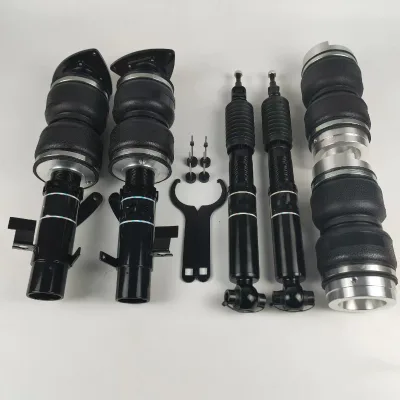
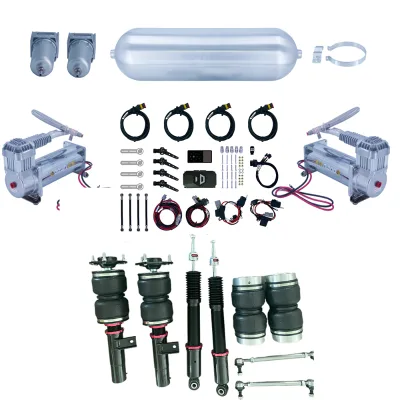
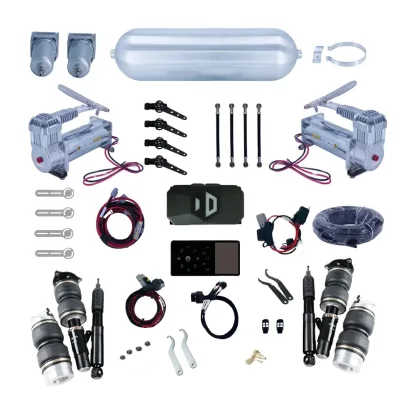
Procuring a Double Convoluted Air Suspension Kit requires a precise understanding of the specific vehicle architecture and the mechanical demands placed on the suspension system. These kits are engineered to replace or augment existing air spring assemblies, offering enhanced load-bearing capacity and ride comfort through the use of dual-convoluted rubber bellows. The design typically features a single cylinder structure with a gas-filled medium, which is critical for maintaining consistent damping force in a single-effect configuration. Buyers must recognize that while the core component is the air spring, the kit often integrates with pneumatic actuators and direct-acting piston valves to ensure proper inflation and deflation cycles.
The market for these components is broad, with listings indicating compatibility across a wide spectrum of manufacturers including BMW, Mercedes-Benz, Audi, Toyota, and various commercial vehicle brands. However, the term "double convoluted" specifically refers to the physical geometry of the rubber spring, which provides a progressive spring rate and improved durability compared to single-convoluted designs. When sourcing, it is essential to distinguish between generic air suspension parts and those specifically designed for rear-position applications, as the load dynamics and mounting points differ significantly from front suspension units. Verification of the specific car model and year is the first step in ensuring the kit fits the intended vehicle platform without requiring extensive modification.
Product Scope and Observed Listing Signals
The observed product listings reveal a diverse range of specifications that buyers must navigate to find the correct component for their needs. Listings indicate the presence of air springs with a rubber material composition and a single cylinder structure, often paired with pneumatic actuators. The data shows that some products are marketed with specific model numbers such as 2S120P01, while others are described by generic capacity metrics like "5 gallon" or "3 gallon," which may refer to the air tank capacity rather than the spring itself. This inconsistency in naming conventions necessitates a careful review of the technical drawings and mounting dimensions provided by the supplier to avoid purchasing incompatible parts.
Buyers should also note the variation in application contexts, with some listings explicitly stating "Buffer for Suspension" while others highlight "Flow Control" or "Temperature Control" capabilities. This suggests that the supply chain includes not just the air spring itself but also associated valves, gauges, and control units that are integral to the system's operation. The presence of "High-Quality" and "New" condition tags in the listings is a positive signal, but it does not guarantee performance without independent verification. The observed price range of 1 to 168,000 USD indicates a significant disparity in product tiers, likely reflecting differences in material quality, brand licensing, and the inclusion of complete system components versus individual replacement parts.
Technical Specifications to Verify
The most critical technical parameter to verify is the compatibility of the air spring with the specific vehicle's suspension geometry and load requirements. The supplied facts confirm that the product origin is China, with a place of origin in Zhejiang, a major manufacturing hub for automotive components. Buyers must confirm that the spring material is indeed rubber and that the structure is a single cylinder, as these are the defining characteristics of the double convoluted design. Additionally, the operating temperature range of -5°C to +60°C and a working pressure of 200psi are key performance metrics that must align with the vehicle's operating environment to prevent premature failure or safety hazards.
Beyond the physical dimensions, the functional specifications of the associated control components must be scrutinized. The listings mention direct-acting piston structures and solenoid valves with DC power supplies, which are essential for the automated control of the suspension system. Buyers should verify the connection forms, such as clamp or standard thread sizes like G1/4 or 3/8NPT, to ensure seamless integration with existing air lines and fittings. The presence of a pointer pressure gauge and the function of tire pressure monitoring or fast inflation further indicate that the kit may include a comprehensive control system. It is vital to ensure that the valve structure and actuator type match the vehicle's existing electrical and pneumatic architecture to avoid compatibility issues during installation.
Compliance and Safety Documentation
Ensuring that the air suspension kit meets international safety and quality standards is a non-negotiable aspect of the procurement process. The observed listings reference a broad array of certifications, including ISO, TS, OHSAS, GSV, GMP, BSCI, and OEM approvals. While these certifications suggest a commitment to quality management and ethical manufacturing practices, buyers must request specific documentation to verify that the air springs themselves have undergone rigorous testing for pressure endurance and fatigue life. The "OEM: Yes" tag indicates that the supplier may be capable of producing parts to original equipment manufacturer specifications, but this should be confirmed through a formal quality agreement.
Safety documentation should also cover the operational limits of the components, particularly regarding pressure and temperature. The listed working pressure of 200psi and the ordinary temperature rating provide a baseline, but buyers should demand test reports that validate these figures under dynamic load conditions. The inclusion of certifications like DIN standards for dimensions and G1/4 or 3/8NPT for thread standards helps ensure that the components will fit standard fittings and meet industry safety norms. Without clear evidence of compliance with these standards, the risk of system failure increases, potentially leading to vehicle instability or safety incidents. Therefore, a thorough review of the supplier's quality control records and certification validity is essential before finalizing any purchase.
Cost Drivers and Commercial Terms
The cost of a Double Convoluted Air Suspension Kit is influenced by several factors, including the complexity of the design, the quality of the rubber material, and the inclusion of ancillary components like valves and gauges. The observed MOQ range of 1 to 100 units suggests that suppliers are flexible, catering to both individual replacements and bulk procurement needs. However, the wide price range observed, from 1 to 168,000 USD, indicates that the final cost is heavily dependent on the specific configuration and the level of customization required. Buyers should be aware that higher-priced items may include complete system integration, while lower-priced items might be individual components that require additional sourcing for a fully functional kit.
Commercial terms such as packaging and lead times are also critical considerations in the procurement process. The listings mention packaging options like "Carton Box Pallet" and "Carton Pallets," which are standard for protecting components during international shipping. Buyers should clarify the exact packaging requirements to ensure that the goods arrive in good condition, especially given the delicate nature of rubber air springs and precision valves. Additionally, the warranty period of 1 year is a standard offering, but buyers should negotiate terms that cover potential defects in material or workmanship. Understanding the total cost of ownership, including shipping, insurance, and potential customs duties, is essential for accurate budgeting and financial planning.
Supplier Qualification and Quality Control
Selecting a qualified supplier is paramount when sourcing critical automotive components like air suspension kits. The data indicates that many suppliers are located in Zhejiang, China, a region known for its robust manufacturing capabilities. Buyers should prioritize suppliers who can demonstrate a history of OEM support and adherence to strict quality control protocols. The presence of certifications like ISO and BSCI is a good starting point, but it is equally important to verify the supplier's ability to maintain consistent quality across production batches. Requesting samples and conducting pre-shipment inspections can help mitigate the risk of receiving substandard products.
Quality control measures should extend beyond the initial inspection to include ongoing monitoring of the production process. Suppliers should be able to provide detailed records of material testing, pressure testing, and dimensional checks for each batch of air springs produced. The "High-Quality" claim in the listings is a marketing statement that must be backed by tangible evidence, such as third-party test reports or internal quality assurance logs. Buyers should also assess the supplier's capacity to handle customizations, as the "Customization: Available" attribute suggests that many suppliers are willing to tailor products to specific requirements. Establishing a strong relationship with a supplier who prioritizes quality and transparency is key to ensuring a reliable supply chain.
Long-Term Procurement Checks
Sourcing a Double Convoluted Air Suspension Kit is not a one-time transaction but an ongoing relationship that requires regular performance monitoring. Buyers should establish a schedule for periodic audits of the supplier's quality control processes to ensure that the products continue to meet the required specifications over time. This includes verifying that the rubber material remains durable and that the pneumatic components function reliably under varying operating conditions. Regular feedback loops between the buyer and the supplier can help identify and address any emerging issues before they impact the supply chain or vehicle performance.
Long-term procurement also involves staying informed about industry trends and technological advancements that may affect the design and performance of air suspension systems. As vehicle manufacturers evolve their suspension architectures, buyers must ensure that their suppliers are capable of adapting to these changes. This may involve updating the product specifications or incorporating new materials and technologies to maintain competitiveness. By maintaining a proactive approach to supplier management and quality assurance, buyers can secure a reliable supply of high-performance air suspension kits that meet the evolving needs of their customers and the automotive industry.
FAQs
What is the warranty period for this air suspension kit?
The warranty period is 1 year. This coverage applies to the air spring and associated components under normal operating conditions. Buyers should retain proof of purchase to validate the claim. The warranty does not cover damage from improper installation or misuse. It ensures protection against manufacturing defects for a full twelve months after delivery.
Can this kit be customized for specific vehicle models?
Customization is available for this air suspension kit. The product supports OEM requirements and can be adapted for various car makes including BMW, Mazda, and Audi. Buyers can specify unique structural needs or material preferences. This flexibility allows for tailored solutions that meet specific engineering standards or vehicle compatibility requirements.
What is the minimum order quantity for bulk purchases?
The minimum order quantity ranges from 1 to 100 units. This flexible MOQ allows both small trial orders and larger bulk procurement. Buyers can select quantities based on their immediate inventory needs or long-term supply chain planning. The range accommodates diverse purchasing scales without imposing rigid minimum thresholds.
How is the product packaged for international shipping?
The product is packaged in carton boxes on pallets. This standard packing method ensures secure transport and protection during logistics handling. The packaging dimensions are designed to optimize container space and reduce shipping costs. Buyers receive goods in stable, stackable units that facilitate easy warehousing and distribution upon arrival.
What certifications does the manufacturer hold for quality assurance?
The manufacturer holds ISO, TS, ISO, OHSAS, ISO, GSV, GMP, and BSCI certifications. These credentials demonstrate compliance with international quality and safety standards. The OEM certification confirms adherence to original equipment manufacturer specifications. Buyers can rely on these documented standards for regulatory compliance and quality verification in their sourcing decisions.
What is the operating temperature range for the air spring?
The operating temperature range is -5°C to +60°C. This range ensures reliable performance in typical environmental conditions. The rubber material and single cylinder structure are designed to withstand these thermal variations. Buyers should consider local climate conditions to ensure the product remains within its optimal functional limits during operation.