Source Double Contact Welding Lamp Holder for Industrial Use
Find and compare 30 Double Contact Welding Lamp Holder options from verified Chinese manufacturers. Evaluate specifications like E27 and E14 bases, porcelain and plastic materials, and CE or RoHS certifications to select the right component for your welding torch or industrial lighting needs.
Key considerations
Products List


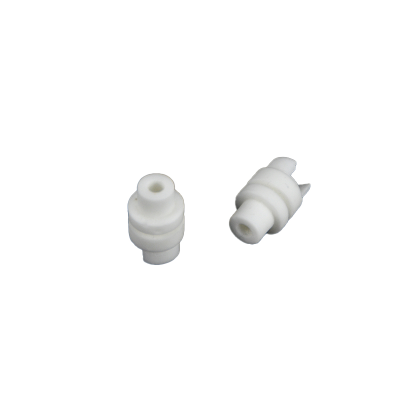


Colshine Ceramic Lamp Holder for Industrial Lighting with Metal Bracket
$0.20 - $1.00
MOQ: 10000 Pieces

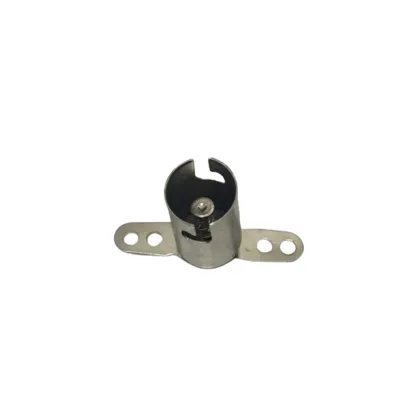


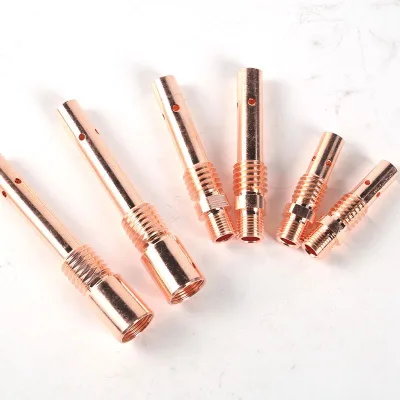
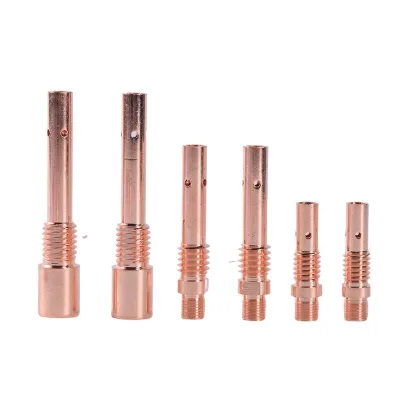


E27 250V Lamp Holder Ceiling Wall Lampholder
$0.26 - $0.28
MOQ: 2400 Pieces
WANSHUN ELECTRICAL & INTELLIGENT MANUFACTURE (GUANGDONG) CO., LTD.


Comprehensive Sourcing Guide
Double Contact Welding Lamp Holder Sourcing Guide
The term "Double Contact Welding Lamp Holder" often conflates distinct industrial components, requiring buyers to distinguish between actual welding torch accessories and general lighting hardware. The supplied data reveals a mix of products, including specific Binzel parts for MIG welding torches and various bulb holders with E27 or E14 interfaces. Procurement teams must first clarify whether the requirement is for a contact tip holder used in high-current welding applications or a standard electrical fixture for illumination. Misinterpreting these categories can lead to ordering incompatible parts that fail under the thermal and electrical stress of a welding environment.
Buyers should scrutinize product titles and descriptions to ensure the item matches the intended function, as the observed listings include both "Contact Tip Holder" models and general "Bulb Holder" units. The presence of specific welding terminology like "MIG Torch" and "Contact T" alongside standard lighting specifications like "E27" and "Porcelain" indicates a diverse catalog where precision is critical. A clear definition of the application context is the first step in filtering the 30 available items to find components that genuinely support the welding process rather than general facility lighting.
Product Scope and Observed Listing Signals
The observed product range spans from low-cost accessories to specialized welding components, with prices ranging between 0.05 and 5 USD and minimum order quantities varying from 1 to 10,000 units. This wide spectrum suggests that suppliers offer both sample-friendly single units and bulk industrial orders, necessitating a clear strategy for volume purchasing. Buyers must evaluate whether their immediate need is for a single replacement part or a large inventory of standardized components, as the MOQ flexibility directly impacts cash flow and storage requirements.
Listing signals indicate a strong emphasis on customization and OEM capabilities, with many suppliers accepting custom orders and offering specific packing solutions like standard export corrugated boxes. The data confirms that products are available in various models, including SS667 and HL, with materials ranging from plastic to porcelain and iron frames. This variety allows for tailored sourcing strategies, but buyers must verify that the specific model number aligns with their existing equipment specifications to ensure seamless integration into their operational workflow.
Technical Specifications to Verify
Technical verification begins with confirming the interface style and voltage ratings, as the data lists specific attributes like "Screw Cap" interfaces and a 250V voltage rating for certain units. For welding applications, the distinction between a "Contact Tip Holder" and a standard bulb holder is paramount, as the former must withstand high amperage currents while the latter serves lower-power lighting needs. Buyers should cross-reference the "Current" rating of 4A found in some listings against the actual power requirements of their welding torches to prevent electrical failures or safety hazards.
Material composition and physical dimensions are equally critical, with observed options including plastic, porcelain, and iron frames in various colors like black, white, and beige. The packing dimensions of 412613 mm provide a baseline for logistics planning, but the actual product model, such as E14 or E27, dictates compatibility with existing fixtures. Procurement teams must ensure that the selected material, whether for a torch accessory or a lighting fixture, meets the durability standards required for the specific industrial environment where it will be deployed.
Compliance and Safety Documentation
Safety compliance is a non-negotiable aspect of sourcing, with the data highlighting certifications such as CE, RoHS, VDE, and IEC for various bulb holder models. These certifications indicate adherence to international safety and environmental standards, which is essential for importing goods into regulated markets. Buyers must request valid certification documents for the specific batch they intend to purchase, as the presence of a certification label on a general listing does not guarantee that every unit in a large order meets the same rigorous safety thresholds.
For welding-specific components, the absence of explicit welding safety standards in the provided text requires buyers to proactively ask for additional testing reports or industry-specific compliance data. While general lighting products may carry UL or VDE marks, welding torch accessories often require validation against specific industrial safety protocols that are not always listed in standard product summaries. Ensuring that the supplier can provide comprehensive documentation for both electrical safety and material durability is vital for maintaining a safe workplace and avoiding regulatory penalties.
Cost Drivers and Commercial Terms
Commercial terms in the observed listings typically involve a 30% deposit by T/T followed by a 70% balance before shipment, a structure that balances supplier cash flow needs with buyer risk management. The delivery time of 3 to 4 weeks is a significant factor in procurement planning, requiring buyers to align their production schedules with these lead times to avoid operational delays. Understanding these payment and timeline constraints is essential for accurate budgeting and inventory management, especially when dealing with large order volumes that may extend the production cycle.
Cost drivers include the level of customization, material selection, and the complexity of the product model, such as the difference between a standard E27 holder and a specialized welding contact tip. The availability of OEM and ODM services allows for tailored solutions but may introduce additional costs or longer lead times compared to standard off-the-shelf items. Buyers should negotiate based on the total cost of ownership, considering factors like sample charges, which are often returned upon official order, and the long-term value of reliable after-sales service.
Supplier Qualification and Quality Control
Supplier qualification should focus on their ability to provide consistent after-sales service and their track record with customization requests, as the data confirms that customization is available across the product range. Buyers must verify the supplier's capacity to handle the specific MOQ requirements, ranging from single units to 10,000 pieces, without compromising on quality or delivery timelines. Establishing a clear communication channel for technical queries and support is crucial, especially when dealing with specialized components like welding torch accessories that require precise fitment.
Quality control measures should include a rigorous inspection of the product model, material integrity, and certification validity before shipment. The presence of multiple origin locations, such as Fuzhou and Fujian, suggests a distributed manufacturing base, which requires buyers to ensure that quality standards are consistent across all production sites. Implementing a pre-shipment inspection protocol or requesting third-party quality reports can help mitigate the risk of receiving substandard goods that do not meet the specified technical or safety requirements.
Long-Term Procurement Checks
Long-term procurement success depends on establishing a reliable supply chain that can adapt to changing production needs and market conditions. Buyers should monitor the supplier's ability to maintain consistent lead times and pricing stability over extended periods, as fluctuations in the 3-4 week delivery window can disrupt operational efficiency. Building a relationship with a supplier who offers flexible payment terms and responsive after-sales support is key to managing risks associated with supply chain disruptions or unexpected demand spikes.
Regular audits of product performance and compliance status are necessary to ensure that the sourced components continue to meet safety and quality standards over time. As product models and certifications evolve, buyers must stay informed about any changes in the supplier's offerings or regulatory requirements that could impact their operations. Proactive engagement with the supplier to discuss future needs and potential product improvements will help secure a competitive advantage and ensure a steady supply of high-quality welding and lighting components.
FAQs
Can I customize double contact welding lamp holders for specific projects?
Yes, customization is available for these components to meet unique project requirements. Buyers can request OEM or ODM services to tailor specifications. This flexibility allows for adjustments in materials, dimensions, or electrical ratings. Suppliers typically accept custom orders to ensure the parts fit seamlessly into existing welding torch assemblies or lighting fixtures.
What certifications are required for double contact welding lamp holders?
These holders typically require CE, RoHS, and VDE certifications for safety and compliance. Some models may also include UL or IEC standards depending on the target region. These certifications ensure the product meets international electrical safety regulations. Buyers should verify specific certification documents with suppliers to confirm compliance with local market requirements before placing bulk orders.
What is the typical lead time for ordering these holders?
The standard delivery time is approximately three to four weeks after order confirmation. This timeline allows for production, quality control, and packaging preparation. Buyers should account for this lead time when planning inventory. Expedited shipping options may be available for urgent orders, but standard production cycles generally adhere to this three-to-four-week window for completion.
What materials are used to manufacture these lamp holders?
Manufacturers commonly use plastic and porcelain for the main body of these holders. The frame material is often iron, providing structural stability. These materials are selected for their durability and electrical insulation properties. The choice of material depends on the specific application, such as welding torches or general lighting fixtures, ensuring safety and longevity under various operating conditions.
What are the payment terms for bulk orders of these holders?
Standard payment terms require a 30% deposit by T/T and the 70% balance before shipment. Some suppliers also accept PayPal for smaller transactions. These terms ensure commitment from both parties while protecting the buyer's interests. Buyers should confirm the exact payment structure with the supplier prior to placing the order to avoid any misunderstandings regarding financial obligations.
What is the minimum order quantity for these lamp holders?
The minimum order quantity ranges from one unit to ten thousand units, depending on the supplier. This wide range accommodates both sample testing and large-scale industrial procurement. Buyers can start with a small MOQ to verify quality before committing to larger volumes. Flexible MOQ policies make these components accessible for various business sizes and project scales.