Source Double Sided Learning Flash Cards for Schools, Homes, and Clinics
Explore 30 options for double sided learning flash cards designed for early education and vocabulary building. Compare features like ABS and paper materials, customizable sizes, and OEM services from Guangdong manufacturers to find the right fit for your needs; compare the available evidence and request quotations based on your requirements.
Key considerations
Products List
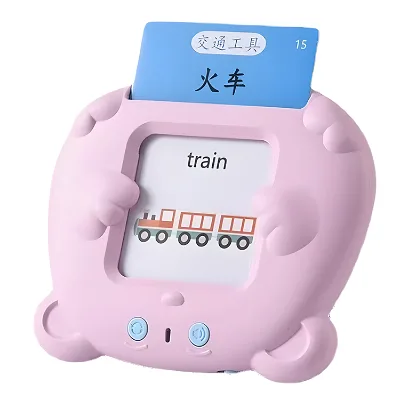
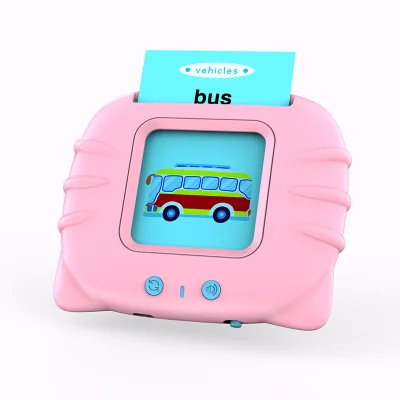
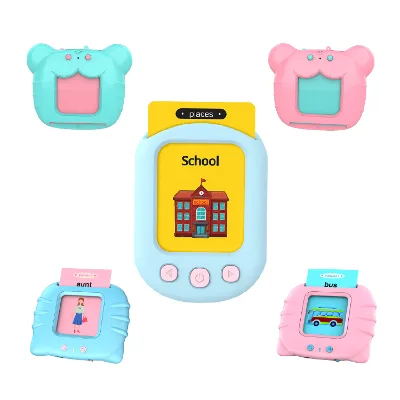


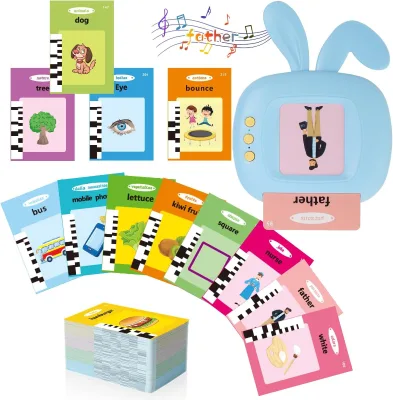
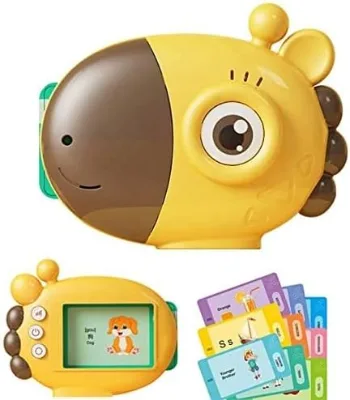

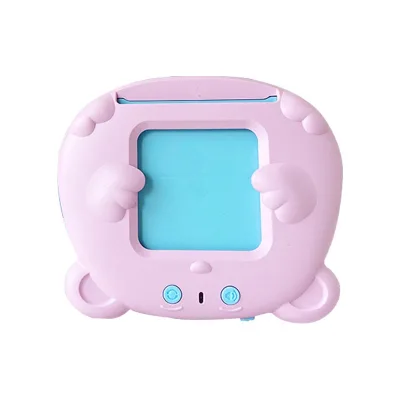


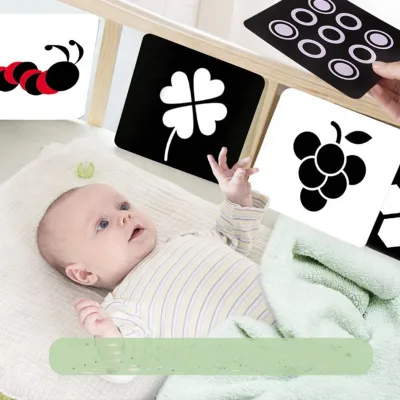
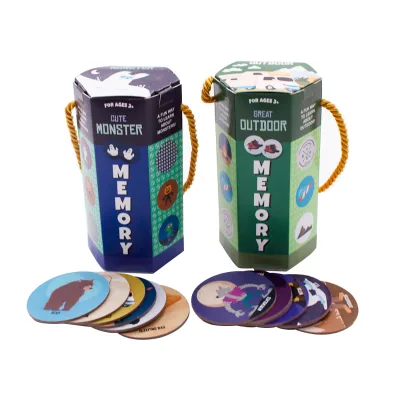
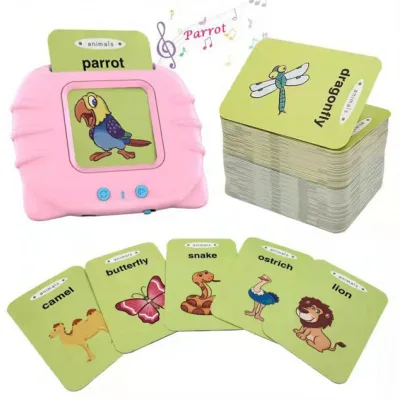
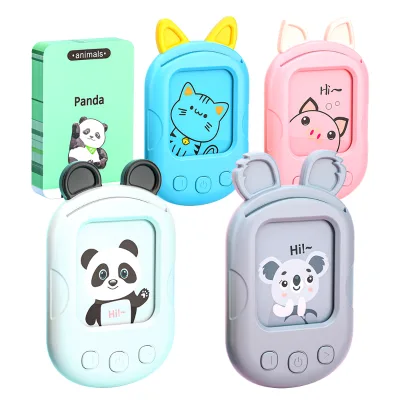
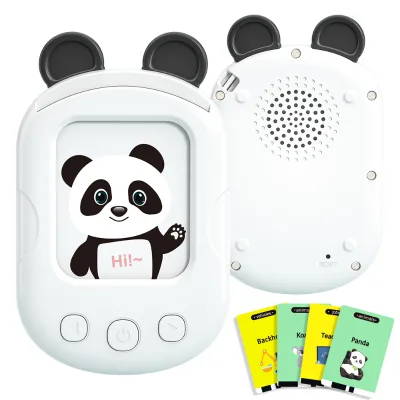

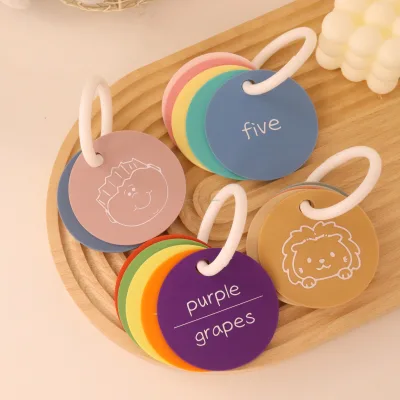
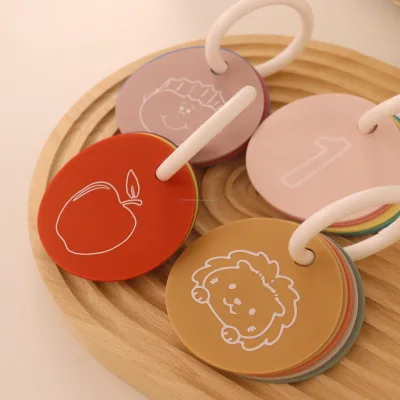


Comprehensive Sourcing Guide
Double Sided Learning Flash Cards Sourcing Guide
The market for double-sided learning flash cards reveals a diverse range of educational tools designed for early childhood development and language acquisition. Current listings indicate products targeting specific age groups, including infants up to 24 months and children aged 5 to 7 years, suggesting that procurement strategies must align with the intended developmental stage of the end user. Buyers should note that these items often function as audible talking flashcards or standard playing cards, requiring distinct material and functional considerations during the selection process.
Sourcing decisions must account for the varying material compositions observed in the supply chain, which include ABS plastic, paper, and composite blends. These material choices directly influence the durability and safety profile of the final product, particularly for younger demographics. Procurement teams should verify whether the supplier offers customizable sizes or adheres to standard dimensions like 63*88mm, as this impacts packaging efficiency and the overall user experience for the target audience.
Product Scope and Observed Listing Signals
Buyers must distinguish between educational toys featuring audio capabilities and traditional printed playing cards, as the product scope varies significantly across listings. Some items are explicitly marketed as early education learning machines with audible vocabulary features, while others are categorized simply as customizable playing cards or general educational toys. This distinction is critical for defining the technical requirements and ensuring the selected product matches the specific pedagogical goals of the purchasing organization.
The observed product attributes highlight a strong emphasis on customization, with many suppliers offering logo integration and tailored color options. Listings frequently mention "custom or ready stock" availability, indicating that buyers can choose between immediate delivery of standard inventory or a bespoke manufacturing run. However, the minimum order quantities for these custom options can range widely, from small batches of 60 pieces to larger OEM orders requiring 1000 decks, necessitating a clear assessment of inventory needs before engaging with a vendor.
Technical Specifications to Verify
Verification of physical dimensions and packaging metrics is essential to ensure compatibility with existing distribution channels and retail shelving. Product data indicates single package sizes ranging from approximately 20x12x20 cm to 23.2x19.6x15.7 cm, with gross weights varying between 0.5 kg and 1.0 kg per unit. Procurement teams should confirm these exact specifications for each SKU to calculate accurate freight costs and optimize container loading efficiency, as even minor deviations can impact logistics planning.
Material composition and printing standards require rigorous validation to guarantee product quality and safety. While some listings specify ABS plastic and paper blends, others rely solely on paper with CMYK printing capabilities. Buyers must verify that the card sizes, whether standard 4.2*3.5 inches or custom dimensions, meet the required durability standards for repeated handling by children. Additionally, confirming the printing method and color fidelity is necessary to ensure that the educational content remains clear and engaging throughout the product's lifecycle.
Compliance and Safety Documentation
Safety compliance is paramount when sourcing educational toys intended for children, particularly those designed for the 0 to 24-month age bracket. Although specific certification names are not universally listed in the provided data, buyers must demand evidence that products meet relevant international safety standards for toys, including mechanical and chemical safety requirements. The presence of eco-friendly material claims should be substantiated with third-party test reports to validate environmental assertions and ensure the product does not contain harmful substances.
Documentation regarding the origin of materials and manufacturing processes is equally critical for risk management. Most observed listings indicate a place of origin in Guangdong, China, a major manufacturing hub, but buyers should verify the specific factory conditions and quality control protocols in place. Ensuring that the supplier adheres to recognized safety standards for the specific age range, such as those for Euro and US standard playing cards, helps mitigate liability risks and builds trust with end consumers regarding product safety.
Cost Drivers and Commercial Terms
Pricing structures for double-sided learning flash cards are influenced heavily by material selection, customization levels, and order volume. The observed price range spans from $0.01 to $4.85, reflecting the disparity between simple paper cards and more complex audio-enabled educational toys. Buyers should analyze the cost implications of choosing between ready-made stock and custom-branded items, as the latter often incurs higher unit costs due to setup fees and lower economies of scale at smaller order volumes.
Commercial terms regarding minimum order quantities (MOQ) and sample availability significantly impact the initial investment and cash flow planning. Suppliers may require MOQs as low as 60 pieces for standard items but often set thresholds of 500 to 1000 decks for OEM services with custom logos. It is advisable to request free samples of ready-made products to evaluate quality before committing to larger orders, while also clarifying sample lead times, which typically range from 2 to 5 days, to align with project timelines.
Supplier Qualification and Quality Control
Evaluating supplier experience and service capabilities is a key step in securing a reliable partnership for educational toy procurement. Many vendors highlight over 15 years of experience in OEM and ODM services, suggesting a mature understanding of the manufacturing nuances required for children's products. Buyers should verify these claims by requesting references or case studies that demonstrate the supplier's ability to handle complex customization requests while maintaining consistent quality across large production runs.
Quality control protocols must be clearly defined to prevent defects in the final product, especially given the tactile nature of flash cards. Suppliers should provide a detailed quality assurance plan that covers material inspection, printing accuracy, and packaging integrity. Since some products are designed for unisex use and various age groups, the quality control process must ensure that all safety and durability standards are met consistently, regardless of the specific customization or color options selected by the buyer.
Long-Term Procurement Checks
Establishing a framework for ongoing performance monitoring is essential for maintaining product quality and supplier reliability over time. Buyers should implement regular audits or periodic quality checks to ensure that subsequent production batches continue to meet the agreed-upon specifications for materials, dimensions, and safety standards. This proactive approach helps identify potential deviations early, allowing for corrective actions before significant inventory is affected or customer satisfaction is compromised.
Strategic planning for future orders should consider the flexibility of the supply chain to adapt to changing market demands or regulatory updates. Given the customizable nature of these products, maintaining a strong relationship with a supplier who can quickly adjust to new design requirements or material changes is valuable. Procurement teams should also review the supplier's capacity to handle volume fluctuations, ensuring they can scale production up or down without compromising lead times or product integrity.
FAQs
What materials are used for double sided learning flash cards?
Manufacturers typically use ABS plastic, paper, or combined ABS and paper materials for these educational toys. The choice depends on durability needs and cost targets. Paper options are often eco-friendly and suitable for early education, while plastic variants offer enhanced resilience for active play environments in global markets.
Can I customize the logo on these flash cards?
Yes, customized logos are accepted for double sided learning flash cards. Buyers can request branding on the cards or packaging. This customization service allows businesses to align the product with their specific brand identity, ensuring a unique market presence while maintaining the educational functionality required for children's learning tools.
What is the typical MOQ for OEM orders?
The minimum order quantity for OEM production varies by supplier, typically ranging from 500 to 1000 decks. Some vendors may accept lower quantities for ready-made samples, but bulk customization usually requires higher volumes. Buyers should verify specific MOQ requirements with manufacturers to ensure alignment with their procurement budget and inventory needs.
Which age groups are these flash cards designed for?
These educational toys are designed for a wide age range, including children aged 0 to 24 months, 2 to 4 years, 5 to 7 years, and all ages. The content and material durability are adjusted to suit different developmental stages, ensuring safe and engaging learning experiences for toddlers and older children alike.
Where are these flash cards manufactured?
Most double sided learning flash cards are manufactured in Guangdong, China. This region is a major hub for educational toy production, offering efficient supply chains and competitive pricing. Buyers sourcing from this location benefit from established manufacturing infrastructure and a wide variety of available customization options for their specific product requirements.
What packaging options are available for these cards?
Standard packaging includes color boxes for retail presentation. Some suppliers offer customized packaging solutions to meet specific branding or logistical needs. The packaging is designed to protect the cards during transit while providing an attractive display for end consumers, ensuring the product arrives in pristine condition and ready for immediate sale or use.