Source Wooden Music Educational Puzzle Board for Kids, Schools, and Gifts
Compare 30 Wooden Music Educational Puzzle Board options from verified Chinese manufacturers. These toys support early math learning, cognitive development, and creative play for children aged 3 to 8 years with customizable designs and safety certifications; compare the available evidence and request quotations based on your requirements.
Key considerations
Products List


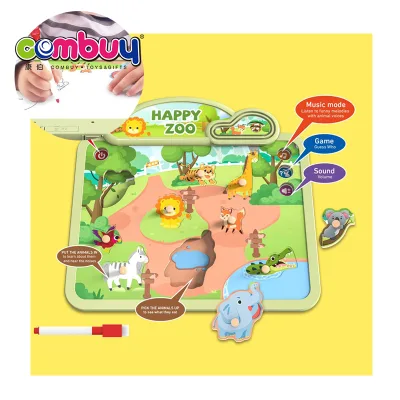


Wooden Children's Puzzle Animal Three-Dimensional for Early Education Puzzle
$2.60 - $3.00
MOQ: 100 Pieces


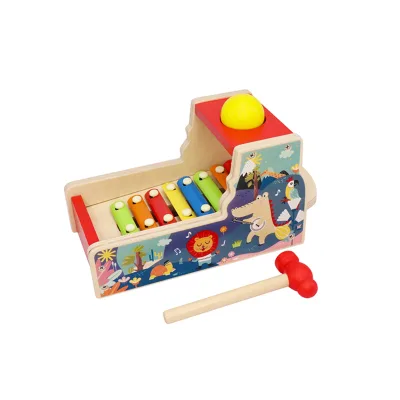
Comprehensive Sourcing Guide
Wooden Music Educational Puzzle Board Sourcing Guide
Sourcing wooden music educational puzzle boards requires a careful balance between tactile learning design and auditory engagement features. These toys typically combine physical manipulation with sound production, offering a multi-sensory experience that supports early childhood development. Buyers must distinguish between simple wooden puzzles that merely resemble instruments and those that actually produce musical tones through mechanical or electronic means. The core value lies in the integration of fine motor skill development with auditory feedback, making the selection process critical for ensuring the product meets educational standards.
Procurement teams should focus on the material integrity and the precision of the sound-producing mechanisms. Wooden components must be smooth, splinter-free, and durable enough to withstand repeated handling by young children. The puzzle aspect often involves fitting pieces into specific slots, which may trigger different musical notes or rhythms. Understanding the specific mechanism—whether it relies on physical striking, sliding, or embedded electronic components—is essential for evaluating the product’s longevity and educational effectiveness. This distinction directly impacts the manufacturing complexity and the subsequent quality control requirements for the final goods.
Product Scope and Observed Listing Signals
The observed market signals indicate a diverse range of products categorized under pure wooden toys and wood auxiliary toys. Listings frequently highlight shapes such as fish and houses, suggesting that thematic design is a key differentiator in this category. The scale of these products is generally small, making them suitable for young children’s hands and portable for travel or classroom use. Buyers should note that customization is widely available, allowing for brand integration through logo placement or specific packaging adjustments, which is crucial for private label opportunities.
Price points observed in the market range significantly, reflecting variations in material quality and functional complexity. The minimum order quantities vary from small batches to larger commercial orders, providing flexibility for different business models. Packaging is predominantly paper carton or polybag, emphasizing eco-friendly and cost-effective shipping solutions. The target age group is primarily under three years or three to eight years, indicating that safety and developmental appropriateness are central to the product design. These signals help buyers narrow down suppliers who align with their specific target demographic and budget constraints.
Technical Specifications to Verify
Verifying the material composition is the first critical step in technical evaluation. Listings mention materials such as beech, basswood plywood, and MDF, each offering different durability and aesthetic qualities. Beech and basswood are often preferred for their natural grain and strength, while MDF provides a smooth surface for printing but may require careful finishing to ensure safety. Buyers must confirm that all wooden parts are sanded to a high standard to prevent splinters and that non-toxic finishes are used. The presence of plastic components, such as PP, should be verified for compatibility with the wooden elements and overall safety standards.
The functional aspects of the puzzle and music integration require detailed scrutiny. Specifications often list functions like puzzle assembly and learning, which must be tested for ease of use and durability. The size of the product may be adjustable or customizable, which impacts storage and shipping logistics. Buyers should request samples to test the tactile feedback of the puzzle pieces and the clarity of the musical sounds produced. Ensuring that the mechanical parts do not jam or break after repeated use is vital for maintaining customer satisfaction and reducing return rates in the long term.
Compliance and Safety Documentation
Safety compliance is non-negotiable for toys targeting young children. Listings frequently cite certifications such as ASTM, EN71, and CE, which are critical for market access in major regions like the United States and Europe. ASTM F963-96a is a specific standard mentioned, indicating rigorous testing for physical and mechanical properties. Buyers must verify that the supplier provides valid test reports from accredited laboratories, ensuring that the products meet the latest safety requirements. The presence of these certifications should be cross-checked with the supplier’s documentation to avoid discrepancies that could lead to customs delays or product recalls.
Beyond standard certifications, buyers should inquire about additional safety measures such as small parts warnings and choking hazard assessments. The age grading of the product, often listed as under three years or three to eight years, must align with the safety testing results. For products containing plastic components, verifying that the materials are free from harmful chemicals like BPA or phthalates is essential. Buyers should also check for any specific regional requirements, such as FSC certification for wood sourcing, which, while not always listed, is increasingly important for environmentally conscious markets and corporate social responsibility goals.
Cost Drivers and Commercial Terms
Several factors influence the final cost of wooden music educational puzzle boards. The type of wood used, such as beech versus MDF, directly impacts material costs. Complex designs that integrate multiple sound mechanisms or adjustable sizes may require more intricate manufacturing processes, increasing labor costs. Customization options, including logo printing and unique packaging, add to the production expenses but can enhance brand value. Buyers should request detailed cost breakdowns to understand how these variables affect the unit price and identify areas where cost savings might be possible without compromising quality.
Commercial terms, including minimum order quantities and lead times, play a significant role in procurement planning. Observed MOQs range from small quantities to larger batches, allowing for flexible ordering strategies. Buyers should negotiate terms that align with their inventory management capabilities and cash flow constraints. Payment terms, shipping methods, and insurance coverage should be clearly defined in the contract to mitigate risks. Understanding the total landed cost, including duties and freight, is essential for accurate profit margin calculations and competitive pricing strategies in the target market.
Supplier Qualification and Quality Control
Selecting a reliable supplier involves assessing their manufacturing capabilities and quality control processes. Buyers should verify the supplier’s experience in producing wooden toys and their ability to maintain consistent quality across batches. Requesting references or case studies from previous clients can provide insights into the supplier’s reliability and responsiveness. It is also important to check the supplier’s facility for adherence to good manufacturing practices, including cleanliness, organization, and proper handling of materials. A robust quality control system should include incoming material inspections, in-process checks, and final product testing before shipment.
Establishing clear quality standards and inspection protocols is crucial for maintaining product integrity. Buyers should define acceptable tolerances for dimensions, finish quality, and sound accuracy. Implementing a pre-shipment inspection process can help identify and rectify defects before the goods leave the factory. Communication channels should be open and responsive to address any issues that arise during production. Building a strong relationship with the supplier based on mutual trust and clear expectations can lead to better collaboration and improved product outcomes over time.
Long-Term Procurement Checks
Long-term success in sourcing wooden music educational puzzle boards requires ongoing monitoring and evaluation. Buyers should regularly review supplier performance metrics, including on-time delivery rates, defect rates, and responsiveness to issues. Continuous feedback loops with internal teams and end-users can help identify areas for improvement in product design and functionality. Staying updated on changes in safety regulations and market trends is essential to ensure that the products remain compliant and relevant. Proactive engagement with suppliers can facilitate innovation and the introduction of new features that meet evolving consumer demands.
Sustainability and ethical sourcing practices should be integrated into the long-term procurement strategy. Buyers should encourage suppliers to adopt eco-friendly materials and manufacturing processes, such as using FSC-certified wood and non-toxic finishes. This not only aligns with global environmental trends but also enhances brand reputation among conscious consumers. Regular audits of the supplier’s supply chain can help ensure that ethical standards are maintained throughout the production process. By prioritizing sustainability and continuous improvement, buyers can build a resilient and responsible sourcing network that supports long-term business growth.
FAQs
What certifications do these wooden puzzle boards have?
These wooden puzzle boards hold ASTM, CE, and EN certifications to ensure safety. Specific models also meet ASTM F963-96a and EN71 standards. This ensures compliance for international markets while maintaining high safety levels for children under eight years old.
Can I customize the logo on these educational toys?
Yes, logo customization is available for these wooden educational toys. Buyers can request specific branding to match their corporate identity. This service supports promotional use and allows for personalized gifts or corporate giveaways without compromising the eco-friendly design of the product.
Which materials are used to make these wooden puzzles?
These puzzles are crafted from Beech, Basswood Plywood, and MDF materials. The selection ensures durability and a smooth finish for young learners. Some variants also include PP plastic components, providing a robust construction suitable for both home and classroom educational environments.
What is the minimum order quantity for these toys?
The minimum order quantity ranges from 5 to 3000 units depending on the specific model. Buyers can select options that fit their inventory needs, whether for small promotional batches or large-scale distribution. This flexibility supports various business scales and purchasing strategies effectively.
How are these wooden toys packaged for shipping?
These toys are packaged in paper cartons or polybags for protection. The packaging design ensures safe transport while maintaining an eco-friendly profile. Some models use standard carton boxes, which facilitate easy handling and storage for retailers and distributors across different global markets.
Are these puzzles suitable for children under three years old?
Some models are designed for children under three years old, while others target ages three to eight. The product range includes options specifically labeled for different age groups to ensure age-appropriate safety and educational value. Buyers should verify the specific age recommendation for each model.
Where are these wooden educational toys manufactured?
These toys are manufactured in China, with specific production located in Zhejiang. The origin ensures access to established supply chains and manufacturing expertise. This location supports efficient production and logistics for international buyers seeking high-quality wooden educational products at competitive prices.