Source Doubleheaded Industrial Heating Rod for Oil, Water, Liquid Processing
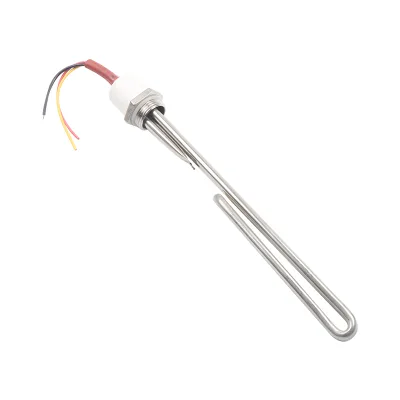
Find and compare 30 Doubleheaded Industrial Heating Rod options with tubular shapes and heating wire materials. Buyers can evaluate specifications like tube diameter, maximum temperature, and customization availability for oil, water, and other liquid applications.
Key considerations
Products List


Premium Durable Graphite Heating Elements Rod for Industrial Applications
$1.00 - $1000.00
MOQ: 1 Pieces

Premium High Purity Graphite Heating Rods for Industrial Applications
$3000.00 - $8000.00
MOQ: 1 Pieces


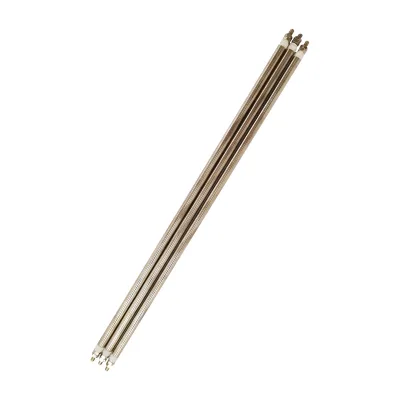
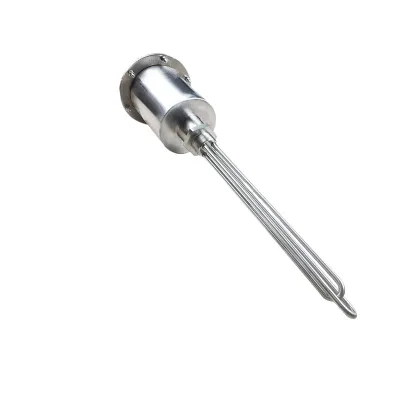
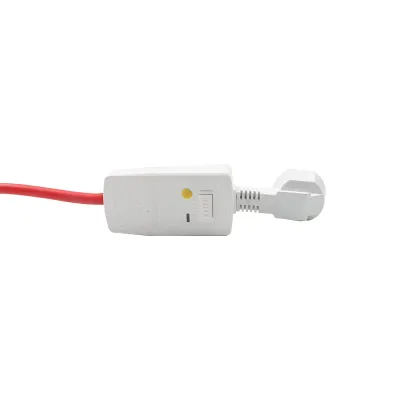
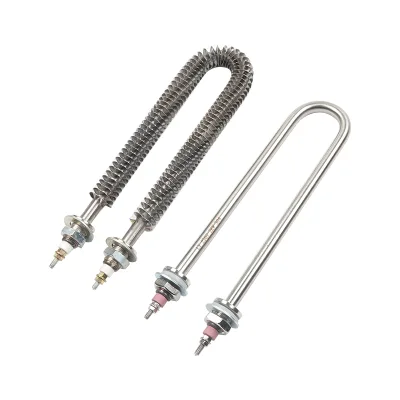
Comprehensive Sourcing Guide
Strategic Sourcing Guide for Double-Headed Industrial Heating Rods
The industrial heating sector relies heavily on specialized components capable of delivering precise thermal energy in demanding environments. Among these, the double-headed industrial heating rod represents a critical asset for applications requiring bidirectional heat distribution or specific mounting configurations. Sourcing these components requires a disciplined approach that distinguishes between generic heating elements and specialized tubular or cartridge solutions. Buyers must navigate a complex landscape of material specifications, electrical tolerances, and certification requirements to ensure operational reliability. This guide outlines the essential factors for evaluating suppliers and products, grounded in observed market data and technical realities.
Technical Specifications and Material Composition
Understanding the physical and electrical architecture of the heating rod is the first step in any procurement process. The core of these devices often utilizes specific resistance heating wires, such as Nicr 80/20 wire, which offers a balance of durability and resistive properties suitable for high-temperature operations. The structural integrity of the rod is frequently defined by the tube material, with common options including Stainless Steel 304, 316, 321, and high-performance alloys like Incoloy 600, 800, or 840. These materials are selected based on the chemical environment, such as exposure to oil, water, or other liquids, and the required maximum operating temperature.
The dimensional tolerances are critical for fitting these rods into existing machinery or custom molds. Observed specifications indicate a tube diameter range typically spanning from 3mm to 30mm, with a diameter tolerance of +0.05mm to -0.1mm (+.002" -.004"). Length tolerances are equally precise, often maintained within ±1 mm to ensure proper insertion depth and electrical connection alignment. The power output for these elements can vary significantly, with observed ranges starting from 5W up to 15W per unit, though higher power configurations are available through customization. The maximum operating temperature for standard configurations is often cited around 870°C (1600°F), while specialized silicon carbide or medium-wave infrared variants may support classification temperatures up to 1700°C or 1800°C.
Compliance, Certification, and Safety Standards
In the global B2B market, compliance is not merely a formality but a prerequisite for market access and operational safety. Buyers must verify that the supplied heating rods meet international safety and environmental standards. Common certifications observed in the market include CE and RoHS, which indicate conformity with European health, safety, and environmental protection standards. Some suppliers may also reference ISO certifications, though the specific scope of these certifications should be validated against the product datasheet.
The electrical safety of the heating element is paramount. Key performance indicators for safety include the insulation resistance and leakage current. A high-confidence benchmark for these components is an insulation resistance of at least 500 MΩ when cold, ensuring that the electrical path is secure and preventing short circuits. Additionally, the maximum leakage current should not exceed 0.5 mA under cold conditions. These metrics are essential for protecting both the equipment and the operators. When evaluating a supplier, procurement teams should request test reports that explicitly confirm these values rather than relying on general marketing claims.
Cost Drivers and Pricing Variables
The pricing structure for double-headed industrial heating rods is influenced by a multitude of variables, ranging from raw material costs to the degree of customization required. The observed price range in the market is vast, spanning from $0.01 to $8,000. This disparity is not indicative of product quality alone but reflects differences in material grade, power rating, dimensional complexity, and order volume. For instance, a standard stainless steel rod with a low wattage will sit at the lower end of the spectrum, whereas a high-temperature Incoloy rod with custom geometry and specialized insulation will command a premium.
The Minimum Order Quantity (MOQ) is another significant cost driver. Market data shows an MOQ range from 1 to 1000 units. Buyers purchasing small quantities for prototyping or maintenance may face a higher unit cost due to setup fees and lower economies of scale. Conversely, large-scale production runs can leverage bulk pricing, but they require a commitment to the MOQ. Customization is a primary factor that shifts costs upward. While standard models are available, the ability to customize the tube material, diameter, length, and electrical connections allows for precise application matching but incurs additional engineering and tooling expenses.
Typical Applications and Functional Requirements
The versatility of double-headed industrial heating rods makes them suitable for a diverse array of industrial applications. The primary function is heating, but the specific application dictates the required specifications. These rods are commonly deployed in environments involving oil, water, and other liquids, where direct immersion heating is necessary. The "double-headed" configuration often implies a design where heating elements extend from both ends of a central body, or it may refer to a specific tubular shape designed for dual-point heating zones.
In high-temperature processing, such as furnace operations, these rods serve as the primary heat source. The observed furnace temperature range for such applications is between 704°C and 1450°C. For specialized infrared heating applications, medium-wave infrared heating tubes are utilized, offering specific porosity rates (typically less than 30%) and tensile strengths greater than 150kg/Cm3. The choice of material is critical here; silicon carbide is often preferred for its ability to withstand extreme thermal cycling and corrosive atmospheres, while nickel-chromium wire provides the necessary resistive heating properties for general industrial use.
Supplier Evaluation and Origin Verification
When selecting a supplier, buyers must look beyond the product specifications to the operational capabilities of the manufacturer. The origin of the product is a key indicator of supply chain logistics and quality control standards. Many of the observed products originate from Shenzhen or Guangdong, China, regions known for their manufacturing clusters. However, the specific location should be verified to ensure it aligns with the buyer's logistical preferences and risk tolerance.
Supplier evaluation should also focus on the availability of after-sales support. A reliable supplier offers overseas third-party support, ensuring that technical assistance is available regardless of the buyer's geographic location. This is particularly important for industrial equipment where downtime can be costly. The warranty period is another metric for supplier confidence, with a standard one-year warranty being a common benchmark. Buyers should also examine the packing standards; options range from paper boxes and cartons to wooden cases for heavy-duty export, with the standard export package being a common baseline for international shipping.
Quality Control and Performance Verification
Ensuring the quality of the heating rods requires a rigorous verification process before and after delivery. The resistance tolerance is a critical quality metric, typically observed at +10% and -5%. Deviations outside this range can lead to uneven heating or premature failure. Buyers should insist on batch testing that confirms these tolerances. Furthermore, the standard for the product should be clearly defined; while some products adhere to specific standards like SW/U/W/ST, many are manufactured to custom customer requirements. In such cases, the buyer must provide detailed technical drawings and specifications that the supplier must strictly follow.
The thermal performance must also be validated. For applications requiring precise temperature control, the maximum temperature rating of 870°C or the higher 1625°C for specialized materials must be verified through independent testing. The thermocouple location, often Type J, K, or a ground wire, should be integrated correctly to ensure accurate feedback loops in the heating system. Porosity rates and tensile strength are additional quality markers for ceramic-based elements, ensuring that the material can withstand mechanical stress and thermal shock without cracking.
Long-Term Procurement and Maintenance Considerations
Sourcing heating rods is not a one-time transaction but part of a long-term operational strategy. The availability of customization is a significant advantage for long-term procurement, as it allows for the adaptation of heating elements to evolving production needs. The standard for the product can often be customized, providing flexibility for future projects. However, this requires a robust relationship with the supplier to maintain consistency in quality and specifications over time.
Maintenance and replacement planning are also essential. The one-year warranty provides a baseline for replacement, but buyers should consider the lead times for reordering. While specific lead times are not universally standardized, the ability to source from suppliers with established logistics networks in China is crucial for minimizing downtime. The packaging, whether standard export packages or wooden cases, plays a role in the longevity of the product during transit and storage. Proper handling and storage are necessary to maintain the insulation resistance and prevent physical damage to the heating wire or tube material.
| Feature Category | Standard Observation | Verification Requirement |
|---|---|---|
| Material | SS304, SS316, Incoloy, SiC | Verify grade certificates for specific alloys |
| Temperature | 870°C (1600°F) to 1800°C | Confirm max operating temp via test report |
| Certification | CE, RoHS, ISO | Request valid certificate copies |
| Tolerance | Dia: +0.05/-0.1mm; Length: ±1mm | Request dimensional inspection report |
| Electrical | Insulation ≥ 500 MΩ; Leakage ≤ 0.5 mA | Verify cold resistance test data |
| Origin | Shenzhen, Guangdong, China | Confirm factory location and export license |
In conclusion, sourcing double-headed industrial heating rods requires a meticulous approach that balances technical specifications with supplier reliability. By focusing on material integrity, electrical safety, and certification compliance, buyers can secure components that meet the rigorous demands of industrial heating applications. The flexibility offered by customization and the wide range of available materials ensure that solutions can be tailored to specific operational needs, provided that the procurement process remains grounded in verified data and rigorous quality control.
FAQs
What materials are used for the tube construction?
Tube materials include SS304, SS316, Ss321, and Incoloy alloys like 600, 800, or 840. Silicon Carbide is also used for specialized high-temperature applications requiring superior thermal shock resistance.
Can the product be customized for specific needs?
Yes, customization is available for tube dimensions, material selection, and electrical specifications. Buyers can request specific lengths, diameters, and power ratings to match their unique industrial requirements.
What is the maximum operating temperature for these rods?
Standard configurations support a maximum temperature of 870°C or 1600°F. Specialized silicon carbide variants can withstand classification temperatures up to 1700°C or 1800°C for extreme environments.
Which certifications do these heating elements hold?
Products typically carry CE and RoHS certifications to ensure safety and environmental compliance. Some listings also reference ISO standards, though specific scope should be verified against the datasheet.
How precise are the dimensional tolerances for the rods?
Tube diameter tolerance is maintained at +0.05mm to -0.1mm, while length tolerance is kept within ±1 mm. These precise tolerances ensure proper fitment and alignment in existing machinery.
What is the electrical safety standard for insulation resistance?
The cold insulation resistance must be at least 500 MΩ to ensure electrical safety. Additionally, the maximum leakage current is limited to 0.5 mA under cold conditions to prevent hazards.
Where are these heating rods typically manufactured?
Most products originate from manufacturing hubs in Shenzhen or Guangdong, China. These regions offer established supply chains for exporting industrial heating components to global markets.