Source Elastic Band Thickened Canvas Sandbag for Flood Control
Compare 30 listings for the Elastic Band Thickened Canvas Sandbag designed for emergency saving, flood barriers, and water blocking. Buyers can evaluate materials, sizes, and customization options from verified suppliers in China; compare the available evidence and request quotations based on your requirements.
Key considerations
Products List
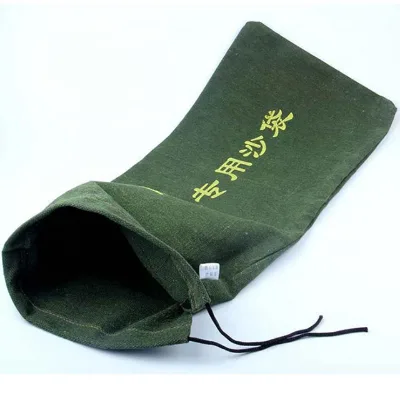
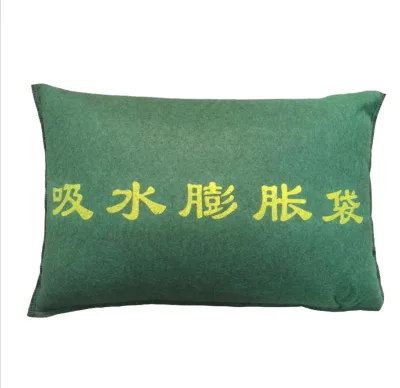

Thickened Environmentally Friendly Canvas Bag
$1.80 - $2.22
MOQ: 300 Pieces
WeIVan (Hangzhou) International Import and Export Trading Co., Ltd.


New Emergency Canvas Rapid Water Absorption Expansion Bag Flood Control The Sandbag
$0.22 - $0.25
MOQ: 100 Pieces


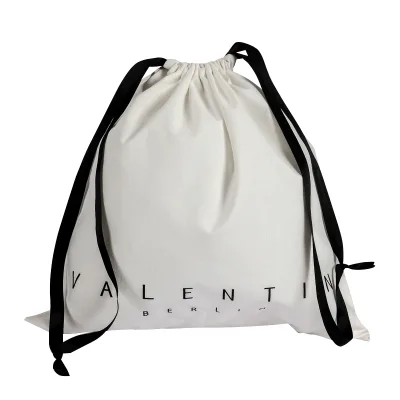


Thickened Canvas Waterproof Storage Bag Multifunctional Transparent Storage Bag
$1.98 - $2.58
MOQ: 100 Pieces


$0.10 - $0.12
MOQ: 50000 Pieces
Comprehensive Sourcing Guide
Elastic Band Thickened Canvas Sandbag Sourcing Guide
Procuring elastic band thickened canvas sandbags requires a strategic focus on material integrity and functional design. These specialized items serve as critical infrastructure for flood control and emergency water barrier applications. Buyers must prioritize suppliers who understand the specific mechanical demands of these products, particularly the interaction between the elastic closure mechanism and the heavy-duty canvas fabric. The primary goal is to secure a reliable supply chain that delivers consistent quality for disaster response scenarios.
The market offers various configurations, including standard drawstring models and those with upgraded silicone coatings for enhanced durability. Understanding the distinction between general-purpose sandbags and specialized flood control units is essential for accurate sourcing. Buyers should evaluate whether the product is intended for temporary deployment or long-term structural support. This distinction influences the required thickness of the canvas and the strength of the elastic banding. Clear communication of these requirements ensures that the final product meets operational safety standards.
Product Scope and Observed Listing Signals
Current market listings indicate a diverse range of product specifications, with observed price points spanning from $0.02 to $22 per unit. This wide variance reflects differences in material quality, size, and customization options. Minimum order quantities vary significantly, ranging from 2 to 50,000 pieces, allowing buyers to scale procurement according to their specific inventory needs. High-confidence data suggests that many suppliers operate from Shandong and Hebei provinces in China, which are major hubs for textile and industrial fabric manufacturing.
Product names often include descriptors such as "Special Flood Control Sandbags" or "Absorbent expansion bag," indicating specialized functions beyond basic containment. Materials listed include thickened canvas, linen, and non-woven fabric, with some products featuring upgraded silicone coatings. Packaging options typically involve PE woven bags or cartons, with single package sizes varying from 30x30x10 cm to 60x30x20 cm. Buyers should note that customization is widely available, including specific sizes like 25x50 cm or 40x60 cm, and color options such as army green or white.
Technical Specifications to Verify
Buyers must rigorously verify the physical dimensions and material composition of the sandbags to ensure they meet operational requirements. Standard sizes observed in the market include 30x70 cm, 25x50 cm, and 40x60 cm, but custom sizes are frequently accepted. The material specification is critical; thickened canvas is preferred for durability, while non-woven fabrics may offer different weight and permeability characteristics. Verify the hardness level, which is often described as medium soft, to ensure the bag can be filled and sealed effectively without tearing.
The closure mechanism is a key technical differentiator. While classic drawstring closures are common, elastic band systems offer faster deployment and better retention under pressure. Check the sealing type, which may be stitched or elastic, to determine the suitability for high-flow water scenarios. Additionally, review the printing capabilities, such as heat transfer or screen printing, if branding or identification markings are required. Ensure that the product is non-waterproof if the design relies on permeability for specific flood control strategies, or confirm waterproofing if containment is the primary goal.
Compliance and Safety Documentation
Although specific international certifications are not explicitly listed in the provided data, buyers should request documentation verifying material safety and environmental compliance. The standard is often described as "high" or "customization," indicating that suppliers can tailor products to specific regulatory requirements. Request test reports for tensile strength and abrasion resistance to confirm the canvas can withstand repeated use and harsh conditions. Verify that the materials used, such as canvas or non-woven fabric, are free from harmful chemicals that could contaminate water sources during flood events.
Documentation should also cover the manufacturing process, including details on the silicone coating if applicable. This coating is often cited as an upgrade for durability and fade resistance. Ensure that the supplier can provide batch-specific quality control records, which are essential for traceability in emergency procurement situations. While the data mentions "Customization" as a standard, this implies that compliance with specific client standards is a negotiable aspect of the contract. Buyers should define their own safety criteria and require the supplier to demonstrate adherence to these benchmarks.
Cost Drivers and Commercial Terms
The cost of elastic band thickened canvas sandbags is influenced by several key factors, including material grade, size, and customization level. The observed price range of $0.02 to $22 reflects the spectrum from basic, small-sized bags to large, specialized flood control units. Thicker canvas and upgraded silicone coatings typically command higher prices due to increased material costs and processing complexity. Buyers should request detailed quotations that break down costs per unit, including packaging and shipping, to avoid hidden expenses.
Commercial terms, such as minimum order quantities, play a significant role in total procurement cost. MOQs range from 2 to 50,000 pieces, with common thresholds at 100 sets or 1,000 pieces. Negotiating larger volumes can reduce the unit price, but buyers must balance this against storage and logistics constraints. Payment terms and lead times should be clearly defined in the contract, as these can vary based on the supplier's production capacity. Ensure that the pricing structure accounts for any custom printing or logo application, which may incur additional setup fees.
Supplier Qualification and Quality Control
Selecting a qualified supplier involves evaluating their manufacturing capabilities and quality control processes. Suppliers from Shandong and Hebei, China, are prominent in this sector, but buyers should verify their specific production lines for sandbags. Request samples to assess the thickness of the canvas, the strength of the elastic bands, and the quality of the stitching. A reputable supplier will provide consistent product quality and be transparent about any potential defects or variations in material.
Quality control should include pre-shipment inspections to ensure that the sandbags meet the agreed-upon specifications. Verify that the supplier has a system in place for handling custom orders, including size and color variations. Check for evidence of previous large-scale orders, particularly for flood control applications, to gauge their experience and reliability. The supplier's ability to provide customized packaging, such as cartons or woven bags, also indicates their logistical capability. Establishing a clear communication channel for quality issues is essential for maintaining a long-term partnership.
Long-Term Procurement Checks
For long-term procurement, buyers should establish a framework for ongoing quality assurance and supply chain resilience. Regular audits of the supplier's production facilities can help identify potential issues before they affect product quality. Monitor market trends for raw material costs, such as canvas and silicone, to anticipate price fluctuations. Building a relationship with multiple suppliers can provide backup options in case of production delays or quality failures.
Review the supplier's capacity to handle seasonal demand spikes, which are common in flood control industries. Ensure that the contract includes provisions for price adjustments based on market conditions and that lead times are realistic for emergency deployments. Track the performance of the sandbags in the field, gathering feedback on durability and ease of use. This data can be used to refine specifications for future orders, ensuring that the products continue to meet the evolving needs of disaster response operations.
FAQs
What materials are used for the sandbag?
The sandbag is constructed from canvas or thickened canvas with upgraded silicone coating. Some variants use linen or non-woven fabric. These materials ensure durability while providing a medium soft hardness suitable for emergency saving and flood control applications.
Can the product size be customized?
Yes, the size is customizable to meet specific customer requirements. Available standard dimensions include 30 by 70 cm or 25 by 50 cm. Buyers can request custom sizes, and the manufacturer accepts custom orders to ensure the product fits unique flood prevention needs.
What is the minimum order quantity for this item?
The minimum order quantity is 1000 pieces for standard canvas sandbags. Some specific models may require a minimum of 100 sets. Buyers should verify the exact MOQ based on the selected model number and specific customization requirements before placing an order.
How is the sandbag sealed or closed?
The sandbag features a classic drawstring sealing type for easy filling and secure closure. Other models utilize a stitched closure for added strength. This design ensures the bag remains effective during water barrier operations and emergency saving scenarios without leaking.
Where are these sandbags manufactured?
These products originate from factories located in Shandong and Hebei, China. The manufacturing process includes durable printing techniques like heat transfer or screen printing. Buyers can expect high-standard production quality from these established Chinese industrial locations.
Is the sandbag waterproof?
Standard canvas versions are noted as non-waterproof, while upgraded models feature silicone coating for enhanced water resistance. The primary function remains a water barrier for flood control. Buyers should select the specific material type based on their required level of waterproof protection.
What customization options are available for branding?
Customization is available for logos and printing using heat transfer or screen printing methods. Buyers can request specific colors like army green or white. The packaging can also be customized, allowing for tailored branding solutions for emergency saving and flood control distribution.