Source Drive Pin Nails for Roofing, Concrete, and Building Construction
Compare 30 Drive Pin Nails from verified Chinese suppliers offering steel and zinc alloy options. Buyers can review specifications like head diameter, shank size, and standard compliance for roofing, concrete, and general building construction projects.
Key considerations
Products List




Comprehensive Sourcing Guide
Strategic Sourcing Guide for Drive Pin Nails in Global Markets
Procuring Drive Pin Nails requires a nuanced understanding of fastener engineering, material science, and supply chain logistics. These specialized fasteners are critical in construction, automotive assembly, and furniture manufacturing, where structural integrity depends on the precise interaction between the nail shank, head, and the substrate material. For buyers entering this market, the primary challenge lies in navigating a fragmented supplier base that often mixes general fasteners with specialized drive pins. This guide provides a structured approach to sourcing, focusing on verified technical attributes, compliance verification, and risk mitigation strategies based on current market data.
Technical Specifications and Dimensional Standards
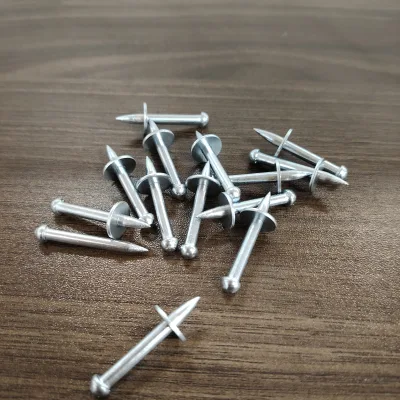
The core of any successful procurement strategy for Drive Pin Nails begins with a rigorous definition of technical specifications. Unlike standard nails, drive pins often feature unique head styles and shank geometries designed for specific driving mechanisms. Market observations indicate a wide variance in dimensions, with common shank diameters ranging from 3.5mm to 3.7mm. The head diameter is equally critical, with observed specifications including 7.6mm and 8mm variants. These dimensions must align precisely with the driving tool and the material being fastened to prevent slippage or material deformation.
Buyers must distinguish between different product models available in the market, such as the S52, PS, YD, and XCC series. Each model often corresponds to specific standard dimensions, such as 7.622mm, 819mm, or 8*32mm. The "Eye hole Drive Pin Nails" category represents a specialized subset where the head design facilitates a specific driving action, distinct from the "Common Nail" or "Roofing Nail" categories. Furthermore, the size range for certain applications extends to 6X35/40/50/60/65mm, indicating that length is a primary variable in the selection process.
When evaluating product descriptions, buyers should look for explicit mentions of the shank type and head style. Attributes such as "Counter Sunk Bolt" or "Round Head" define the interface with the material. The "Cross" groove attribute suggests a specific friction-enhancing feature on the shank, which is vital for holding power in dense materials. It is essential to verify that the listed dimensions match the actual physical requirements of the project, as the market offers a "full range" of sizes that can easily lead to specification errors if not carefully cross-referenced.
Material Composition and Surface Finishes
The material selection for Drive Pin Nails directly influences their performance in various environments. The primary material observed in the market is Steel, which offers a balance of strength and cost-effectiveness for general construction applications. However, for applications requiring corrosion resistance or specific electrical properties, Zinc Alloy is a documented alternative. The choice between these materials depends heavily on the operating environment, such as exposure to moisture or chemical agents.
Surface finish is another critical attribute that affects both the driving process and the long-term durability of the fastener. Standard finishes include Natural Polished, Passivated, and Blackening. These treatments are not merely aesthetic; they serve functional roles in reducing friction during installation and preventing oxidation. For instance, a passivated finish is often required for stainless steel components to enhance corrosion resistance, while blackening may be used for aesthetic consistency or specific coating adhesion.
Buyers must also consider the packaging and handling implications of the chosen material and finish. Steel nails are typically packed in cartons with quantities of 100 per pack and 10,000 per carton, whereas Zinc Alloy variants might require different handling protocols. The "as Request" packaging option indicates that suppliers can accommodate custom packaging needs, which is valuable for buyers with specific logistical constraints or branding requirements.
Compliance, Standards, and Certification Verification
Navigating the complex landscape of international standards is essential for ensuring that sourced Drive Pin Nails meet regulatory and safety requirements. The market data highlights a diverse array of standards, including ANSI, GB, DIN, ISO, and JIS. These standards govern everything from dimensional tolerances to mechanical properties and testing procedures. For example, the S52 standard is explicitly linked to specific product models, while other entries reference the GB and ANSI standards for general compliance.
When sourcing, buyers should verify that the supplier explicitly states adherence to the relevant standards for their target market. The presence of "GB, DIN, ANSI, JIS" in the standard list suggests a supplier capable of meeting multiple international requirements. However, buyers must be cautious not to assume that a single product model satisfies all listed standards. Instead, each product should be evaluated against the specific standard required for the application. For instance, concrete nails used in building construction may require specific DIN or ISO certifications to ensure they meet the shear strength requirements of the local building code.
Quality assurance is often tied to these standards. The attribute "100% Professional Test" indicates that suppliers perform rigorous internal testing, but buyers should request third-party certification documents to validate these claims. The "OEM: Customized OEM ODM Service" attribute suggests that suppliers can tailor products to meet specific standard requirements, but this customization must be documented and verified through formal quality agreements.
Cost Drivers and Procurement Economics
Understanding the cost structure of Drive Pin Nails is vital for budgeting and supplier negotiation. The observed price range in the market spans from $0.01 to $900, reflecting the vast difference between individual unit costs and bulk order values. This wide range is influenced by several factors, including material costs, manufacturing complexity, and order volume. The Minimum Order Quantity (MOQ) varies significantly, ranging from 1 to 100,000 units, which allows for flexibility but also introduces complexity in inventory management.
Material costs are a primary driver, with Zinc Alloy typically commanding a higher price point than standard Steel due to raw material expenses and processing requirements. Additionally, specialized finishes like passivation or custom plating add to the unit cost. The packaging method also impacts pricing; while standard carton packaging is common, custom packaging options such as "Boxed/Bulk/Pallet" may incur additional fees.
Buyers should analyze the total cost of ownership rather than just the unit price. Factors such as lead time, which is typically 15-40 days, and the reliability of the supply chain can significantly affect the overall cost. High-volume orders may benefit from economies of scale, reducing the unit cost, but they also require careful inventory planning to avoid overstocking. The "Customization: Available" attribute suggests that bespoke solutions may carry a premium, but they can also reduce waste and improve efficiency in the final assembly process.
Supplier Evaluation and Quality Control Protocols
Selecting the right supplier is a critical step in the procurement process. Buyers should evaluate suppliers based on their ability to meet technical specifications, adhere to standards, and maintain consistent quality. The "100% Professional Test" attribute is a strong indicator of a supplier's commitment to quality, but it should be backed by verifiable test reports and quality management system certifications.
Quality control protocols should be established early in the relationship. This includes defining clear acceptance criteria for dimensions, material composition, and surface finish. Buyers should request samples for testing before placing large orders to ensure that the product meets the required specifications. The "OEM: Customized OEM ODM Service" capability indicates that the supplier is flexible and capable of adapting to specific needs, but this flexibility must be managed through strict quality control measures.
Supplier location is another factor to consider. The "prod_origin: China" attribute indicates that the majority of suppliers in this market are based in China. While this offers access to a vast manufacturing base, it also introduces logistical considerations such as shipping times and potential tariffs. Buyers should assess the supplier's logistics capabilities and their ability to handle international shipping and customs clearance.
Applications and Long-Term Procurement Considerations
Drive Pin Nails are utilized in a wide range of applications, from concrete construction to roofing and general building assembly. The "Use: Concrete" and "Usage: Building Construction" attributes highlight the primary applications, but the versatility of these fasteners extends to other industries. The specific type of nail, such as "Concrete Nail" or "Roofing Nail," dictates its suitability for different substrates and environmental conditions.
Long-term procurement considerations involve building a sustainable supply chain that can adapt to changing market conditions. This includes diversifying the supplier base to mitigate risks, establishing clear communication channels for quality feedback, and maintaining a strategic inventory of critical fasteners. The "Delivery Time: Normally in 15-40 Days" suggests that buyers should plan their orders well in advance to avoid production delays.
Furthermore, buyers should consider the environmental impact of their procurement decisions. Selecting suppliers who adhere to strict environmental standards and use sustainable manufacturing practices can enhance the company's corporate social responsibility profile. The "Customization: Available" attribute offers an opportunity to optimize product design for reduced material waste and improved efficiency.
In conclusion, sourcing Drive Pin Nails requires a comprehensive approach that balances technical requirements, cost considerations, and supply chain reliability. By carefully evaluating specifications, verifying compliance, and establishing robust quality control protocols, buyers can ensure a steady supply of high-quality fasteners that meet the demands of their projects. The market offers a diverse range of options, but success depends on the ability to navigate this complexity with precision and foresight.
FAQs
What materials are used for Drive Pin Nails?
The primary materials observed are Steel and Zinc Alloy. Steel offers strength for general construction, while Zinc Alloy provides corrosion resistance for specific environments. Buyers should select based on the operating conditions of their project.
Which standards do these fasteners comply with?
Products comply with ANSI, GB, DIN, ISO, and JIS standards. Specific models like S52 adhere to defined dimensional standards, while others meet general international requirements. Verification of the specific standard is essential for regulatory compliance.
Can I get custom packaging for these nails?
Yes, customization is available for packaging options. Suppliers offer Carton, Boxed, Bulk, Pallet, or fully customized packaging as requested. This flexibility helps buyers manage logistics and branding requirements effectively.
What is the typical delivery time for orders?
The normal delivery time ranges from 15 to 40 days. This lead time applies to standard orders and may vary based on volume and customization needs. Buyers should plan their procurement schedule accordingly to avoid delays.
How does the shank diameter affect performance?
Shank diameters typically range from 3.5mm to 3.7mm to ensure proper fit in driving tools. A specific cross groove may be present to enhance holding power in dense materials. Selecting the correct diameter prevents slippage during installation.
What is the minimum order quantity for these items?
The minimum order quantity varies from 1 to 100,000 units depending on the supplier and product type. This wide range allows flexibility for both small trials and large-scale industrial projects. Buyers should confirm specific MOQs before placing orders.
Are OEM and ODM services available for these fasteners?
Customized OEM and ODM services are available for buyers with specific needs. Suppliers can tailor product specifications, packaging, and branding to match project requirements. This service supports unique engineering challenges and branding strategies.