Source Driver Side Drink Cup Holder for Cars, Boats, and Yachts
Compare 30 Driver Side Drink Cup Holder options from verified Chinese suppliers. Buyers can evaluate materials like plastic and ABS, sizes, and customization features for automotive and marine applications; compare the available evidence and request quotations based on your requirements.
Key considerations
Products List
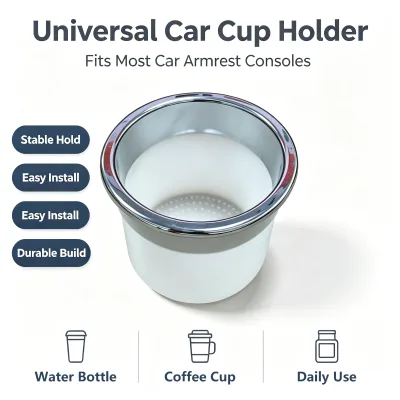


Car Cup Holder Expander Adapter Slip-Proof Car Truck Drink Cup Holders
$10.00 - $11.00
MOQ: 100 Pieces


Hot Selling Car Cup Holders Interior Decoration Drink Holder with IATF
$17.50 - $20.00
MOQ: 2000 Pieces


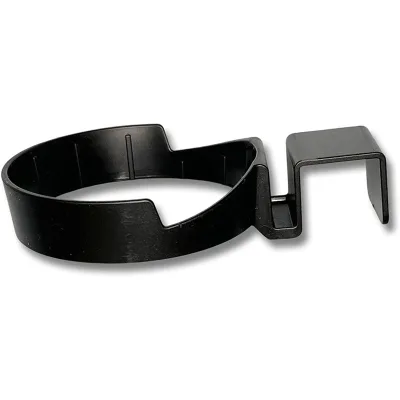

Factory Price Lightweight Design Able to Hold Cups of Different Sizes Bottle Holder
$0.12 - $0.35
MOQ: 20 Pieces

High Quality Factory Direct Sale Adjustable in Multiple Angles Bottle Holder
$0.12 - $0.35
MOQ: 20 Pieces

New OEM Style Beautiful and Elegant Appearance Easy to Install Bottle Holder
$0.12 - $0.35
MOQ: 20 Pieces


Comprehensive Sourcing Guide
Driver Side Drink Cup Holder Sourcing Guide
Sourcing a driver-side drink cup holder requires balancing ergonomic accessibility with structural integrity, ensuring the accessory integrates seamlessly into the vehicle’s interior without compromising safety or driver focus. The market offers a diverse range of solutions, from simple plastic inserts to complex nylon-reinforced organizers, each catering to specific vehicle models and user preferences. Buyers must navigate a landscape where product attributes vary significantly, including material composition, mounting mechanisms, and dimensional constraints. Understanding these variations is critical for selecting a supplier who can deliver consistent quality and reliable performance across large orders.
This guide provides a structured approach to evaluating potential suppliers and products based on observed market signals and technical requirements. It emphasizes the importance of verifying specifications against actual product capabilities, ensuring that the chosen cup holder meets both functional needs and regulatory standards. By focusing on key decision points such as material durability, customization options, and compliance documentation, procurement teams can mitigate risks and secure supply chains that support long-term business objectives. The following sections detail the essential steps for effective sourcing, helping buyers make informed decisions that align with their operational goals.
Product Scope and Observed Listing Signals
The current market landscape for driver-side cup holders reveals a wide spectrum of product types, ranging from basic plastic inserts to more sophisticated nylon-reinforced organizers. Observed listings indicate that materials commonly include plastic, nylon, ABS, and steel, each offering distinct advantages in terms of durability, weight, and aesthetic appeal. For instance, ABS plastic is often preferred for its balance of strength and cost-effectiveness, while steel components may be used for high-end, polished finishes. Buyers should carefully review product descriptions to identify the specific material composition, as this directly impacts the product’s longevity and suitability for different vehicle environments.
Listing signals also highlight significant variations in size, color, and customization options. Products are available in various dimensions, such as 8.57cm or 18.68.5cm, and colors like matte black or carbon black, allowing for tailored integration into different vehicle interiors. Some suppliers offer OEM/ODM services, enabling buyers to customize logos and designs, which is crucial for branding purposes. Additionally, the presence of stock items versus made-to-order products affects lead times and inventory management strategies. Buyers must assess these signals to determine the most suitable supplier based on their specific volume requirements and customization needs.
Technical Specifications to Verify
Verifying technical specifications is paramount to ensuring that the selected cup holder fits correctly and functions as intended. Key parameters to confirm include the exact dimensions, such as single package size or product model-specific measurements, to guarantee compatibility with the vehicle’s dashboard or console. Buyers should also inspect the weight and gross weight details, as these factors influence shipping costs and handling requirements. Furthermore, understanding the mounting mechanism and stability features is essential, particularly for driver-side applications where safety and ease of access are critical. Suppliers should provide clear technical drawings or specifications to facilitate accurate verification.
Material properties and surface finishes also require close attention, as they affect both the aesthetic appeal and functional performance of the cup holder. For example, high mirror polished surfaces may offer a premium look but require careful handling to avoid scratches, while matte finishes might be more practical for everyday use. Buyers should request samples to assess the tactile quality and durability of the materials, ensuring they meet the desired standards for resistance to wear and tear. Additionally, verifying the applicability to specific car models or universal compatibility is crucial to avoid returns or customer dissatisfaction. Clear communication with suppliers regarding these technical details can prevent costly errors.
Compliance and Safety Documentation
Compliance with relevant safety and quality standards is non-negotiable when sourcing automotive accessories, including driver-side cup holders. Buyers must ensure that suppliers adhere to recognized industry standards, such as ISO or GB, which govern material safety, durability, and environmental impact. Documentation should include certificates of conformity, material safety data sheets, and any relevant test reports that verify the product’s compliance with these standards. This documentation not only protects the buyer from legal liabilities but also enhances the product’s credibility in the market, reassuring end-users of its safety and quality.
In addition to regulatory compliance, buyers should verify that the supplier has robust quality control processes in place. This includes inspections during production, final product checks, and adherence to packaging standards to prevent damage during transit. Suppliers should be able to provide evidence of their quality management systems, such as ISO 9001 certification, which indicates a commitment to consistent quality. Buyers should also inquire about the supplier’s approach to handling non-conforming products, ensuring there are clear procedures for addressing defects or discrepancies. This proactive approach to compliance and quality control minimizes risks and ensures a smoother procurement process.
Cost Drivers and Commercial Terms
Understanding the cost drivers associated with driver-side cup holders is essential for effective budgeting and negotiation. Key factors influencing cost include material selection, production complexity, and customization requirements. For instance, products made from premium materials like steel or featuring high mirror polished finishes may command higher prices due to increased manufacturing costs. Similarly, custom logos or specific color options can add to the overall expense. Buyers should request detailed cost breakdowns from suppliers to identify these variables and negotiate favorable terms based on volume and order frequency.
Commercial terms, including minimum order quantities (MOQ), payment terms, and lead times, also play a significant role in the total cost of ownership. Observed listings indicate MOQs ranging from small quantities for sample orders to larger volumes for bulk purchases, allowing buyers to scale their orders according to demand. Payment terms should be negotiated to align with cash flow requirements, while lead times must be considered to ensure timely delivery and inventory management. Buyers should also clarify shipping and packaging costs, as these can vary significantly depending on the supplier’s location and logistics capabilities. Clear communication regarding these terms helps avoid unexpected expenses and ensures a transparent procurement process.
Supplier Qualification and Quality Control
Supplier qualification is a critical step in mitigating risks and ensuring a reliable supply chain for driver-side cup holders. Buyers should conduct thorough due diligence, including verifying the supplier’s business credentials, production capabilities, and past performance. This may involve reviewing company profiles, visiting facilities if possible, or requesting references from existing clients. Suppliers with a proven track record in automotive accessories are preferable, as they are more likely to understand the specific requirements and challenges associated with this product category. Additionally, assessing the supplier’s responsiveness and communication skills can provide insights into their ability to handle complex orders and resolve issues promptly.
Quality control measures should be integrated into the procurement process to maintain consistent product standards. Buyers should establish clear quality expectations and communicate them effectively to suppliers, including specific requirements for materials, dimensions, and finishes. Regular inspections, either through third-party agencies or internal teams, can help identify and address defects early in the production process. Suppliers should also provide detailed quality reports and certificates for each batch, ensuring traceability and accountability. By implementing robust quality control protocols, buyers can minimize the risk of receiving substandard products and maintain customer satisfaction.
Long-Term Procurement Checks
Long-term procurement success depends on continuous monitoring and evaluation of supplier performance and product quality. Buyers should establish key performance indicators (KPIs) to track metrics such as on-time delivery, defect rates, and customer feedback, providing a data-driven basis for assessing supplier reliability. Regular reviews of these metrics can help identify trends and areas for improvement, allowing buyers to address issues proactively. Additionally, maintaining open communication with suppliers fosters a collaborative relationship, enabling joint problem-solving and innovation. This ongoing engagement is crucial for adapting to changing market conditions and customer preferences.
Furthermore, buyers should periodically reassess their sourcing strategy to ensure it remains aligned with business objectives and market dynamics. This may involve exploring new suppliers, negotiating better terms, or diversifying the product portfolio to mitigate risks. Staying informed about industry trends, technological advancements, and regulatory changes is also essential for making informed decisions. By adopting a proactive and strategic approach to long-term procurement, buyers can build a resilient supply chain that supports sustainable growth and competitive advantage in the automotive accessories market.
FAQs
What materials are used for the car drink holder?
The product is constructed from plastic, nylon, and ABS materials to ensure durability. Some variants also incorporate steel components for added strength. These materials provide a balance of flexibility and rigidity suitable for various vehicle interiors.
Can I request a custom logo on the cup holder?
Yes, customization is available including the acceptance of custom logos on the product. Buyers can specify their branding requirements during the ordering process. This service supports both OEM and ODM requests for personalized automotive accessories.
What is the minimum order quantity for this item?
The minimum order quantity varies by specific product model, ranging from one piece to sixty pieces. Some listings indicate a single piece is available while others require sixty pieces. Buyers should check the specific model details for the exact MOQ requirement.
Where are these cup holders manufactured and shipped from?
These items originate from manufacturing facilities located in Zhejiang and Ningbo, China. The products are shipped from these locations to international destinations. Buyers can expect standard logistics handling from these Chinese production hubs.
Which car models are compatible with this drink holder?
The product is designed to be applicable to all car models for general use. It functions as an ordinary cup holder suitable for various interior configurations. Specific dimensions like 8.5 by 7 cm or 18.6 by 8.5 cm fit standard cup holder slots.
What packaging options are available for bulk orders?
Packaging options include color boxes, carton packages, and wooden pallets for larger shipments. Individual items are often packed in single color boxes or boxes. Bulk orders may utilize cartons combined with wooden pallets for secure transportation and storage.