Source Dual Flush Concealed Cistern for Bathrooms, Hotels, and Offices
Explore 30 Dual Flush Concealed Cistern options with varying dimensions and flush volumes. Buyers can compare wall-mounted and in-wall models featuring double key-press buttons and water-saving capabilities for residential and commercial projects; compare the available evidence and request quotations based on your requirements.
Key considerations
Products List


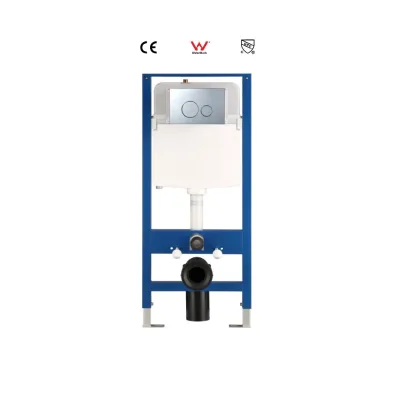

Dual Flush Concealed Cistern Fit with Many Flush Plate in-Wall Toilet Flush Tank
$33.00 - $36.00
MOQ: 100 Pieces


Dual Push Panel Gold Plated Flush Plate Fit with Toilet Concealed Cistern
$8.80 - $27.00
MOQ: 100 Pieces


Concealed, Low-Level Cistern with High Flush Capacity for in-Wall Installation
$37.50 - $39.00
MOQ: 50 Pieces

Concealed in-Wall Low-Level Flush Cistern with Top/Front-Mounted Button
$37.50 - $39.00
MOQ: 10 Pieces

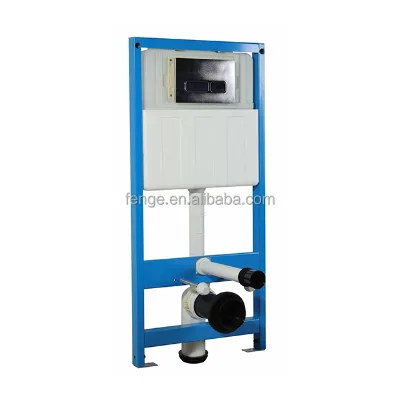


Comprehensive Sourcing Guide
Dual Flush Concealed Cistern Sourcing Guide
Sourcing dual flush concealed cisterns requires a clear understanding of the distinct mechanical and aesthetic advantages these units offer for modern bathroom installations. These systems integrate the water tank within the wall structure, providing a sleek, minimalist appearance that aligns with contemporary interior design trends while maximizing floor space. Buyers must recognize that the primary value proposition lies in the combination of water efficiency and visual simplicity, which appeals to both residential homeowners and commercial developers seeking high-end finishes. The concealed nature of the unit also reduces noise transmission, contributing to a quieter and more serene bathroom environment, a critical factor in luxury housing projects and hospitality sectors.
However, the installation complexity introduces specific procurement challenges that buyers must navigate carefully. Unlike traditional exposed cisterns, concealed units require precise planning during the construction or renovation phase, involving structural modifications to accommodate the tank’s dimensions and the necessary access panels for maintenance. Procurement teams must therefore coordinate closely with construction managers and plumbers to ensure that the selected cistern model fits within the designated wall cavity without compromising structural integrity. This upfront coordination is essential to avoid costly delays or redesigns later in the project lifecycle, ensuring that the aesthetic benefits are realized without operational disruptions.
Product Scope and Observed Listing Signals
The current market landscape for dual flush concealed cisterns reveals a diverse range of product configurations, with observed listing prices varying significantly from one to ninety-eight US dollars. This wide price spectrum reflects differences in build quality, brand reputation, and included features, such as the type of flushing mechanism or the durability of internal components. Buyers should note that the minimum order quantities (MOQ) typically range from ten to five hundred units, indicating that suppliers cater to both small-scale renovation projects and large-scale commercial developments. Understanding these market signals helps buyers align their procurement strategy with their specific volume requirements and budget constraints, ensuring they select suppliers who can meet their scale needs efficiently.
Observed product attributes highlight key technical differentiators that influence purchasing decisions, such as the button diameter, which is commonly listed at sixty millimeters, and the volume capacity, which often supports a three-liter and six-liter dual flush option. These specifications are critical for ensuring compliance with local water conservation regulations and meeting user expectations for effective flushing performance. Additionally, the structural design is frequently described as a one-piece unit, which enhances stability and reduces the potential for leaks compared to assembled components. Buyers should prioritize these observable attributes when evaluating product listings, as they directly impact the long-term reliability and user experience of the installed system.
Technical Specifications to Verify
Verifying the technical specifications of a Dual Flush Concealed Cistern is paramount to ensuring compatibility with the intended toilet model and installation environment. Buyers must confirm the exact dimensions of the cistern, as standard sizes vary, with some models measuring approximately one thousand twenty-four by four hundred thirty-three by one hundred millimeters, while others may be larger or smaller. It is essential to match these dimensions with the available wall cavity space to prevent installation failures. Furthermore, the inlet valve type, often described as lateral inflow, should be verified to ensure it connects seamlessly with the existing plumbing infrastructure, avoiding the need for expensive adapters or modifications during the installation process.
The flushing mechanism and button configuration are also critical technical aspects that require careful verification. The button location, typically front-facing, and the double key-press feature are standard expectations for dual flush functionality, allowing users to select between full and partial flushes. Buyers should also check the weight-bearing capacity of the frame, with some units supporting up to four hundred kilograms, which is crucial for wall-hung toilet installations. Additionally, the drainage method, such as washdown, and the water consumption type, often labeled as water-saving, should be confirmed to ensure the product meets specific performance standards and regulatory requirements for water efficiency in the target market.
Compliance and Safety Documentation
Ensuring that dual flush concealed cisterns meet relevant safety and compliance standards is a non-negotiable aspect of the procurement process. Buyers must request documentation verifying that the products hold necessary certifications, such as CE, UPC, CUPC, or COC, depending on the destination market. These certifications indicate that the product has undergone rigorous testing for safety, performance, and environmental impact, providing assurance to end-users and regulatory bodies. Without proper certification, products may face rejection at customs or fail to meet building codes, leading to significant financial losses and project delays. Therefore, verifying the certification status of each supplier’s offerings is a critical step in mitigating compliance risks.
In addition to product certifications, buyers should inquire about the manufacturer’s adherence to international quality standards, such as ISO, which reflects a commitment to consistent manufacturing processes and quality control. Documentation should also include detailed installation manuals and maintenance guidelines, which are essential for ensuring correct installation and long-term functionality. Buyers must ensure that these documents are available in the local language to facilitate proper usage by installers and maintenance personnel. Access to comprehensive technical documentation not only aids in compliance but also enhances the overall user experience by providing clear instructions for operation and troubleshooting, reducing the likelihood of misuse or premature failure.
Cost Drivers and Commercial Terms
Understanding the cost drivers associated with dual flush concealed cisterns is essential for accurate budgeting and negotiation. The primary cost factors include the material quality, such as the durability of the plastic or metal components, and the complexity of the flushing mechanism. Products with advanced features, such as silent flushing or enhanced water efficiency, may command higher prices due to the additional engineering and manufacturing costs involved. Buyers should also consider the packaging requirements, as some suppliers use five-layer carton boxes to ensure safe transit, which can impact shipping costs and handling procedures. Evaluating these cost drivers helps buyers make informed decisions that balance quality with budgetary constraints.
Commercial terms, including payment conditions and lead times, play a significant role in the overall procurement strategy. Buyers should negotiate clear terms regarding payment schedules, such as deposits and balance payments upon shipment, to manage cash flow effectively. Additionally, lead times can vary based on order volume and production capacity, so it is crucial to establish realistic timelines for delivery. Buyers should also clarify responsibilities for shipping and insurance, particularly for international orders, to avoid unexpected costs. By understanding and negotiating these commercial terms, buyers can secure favorable conditions that support their project schedules and financial objectives, ensuring a smooth procurement process from order placement to delivery.
Supplier Qualification and Quality Control
Evaluating supplier qualification is a critical step in ensuring the reliability and consistency of dual flush concealed cisterns. Buyers should assess the supplier’s manufacturing capabilities, including their production capacity, quality control processes, and experience in the industry. Suppliers with a proven track record of producing high-quality concealed cisterns are more likely to deliver products that meet specified standards and performance expectations. Buyers should also verify the supplier’s ability to provide customization options, such as different button designs or colors, to meet specific project requirements. This flexibility can be a significant advantage in projects with unique aesthetic or functional needs.
Quality control measures implemented by the supplier are equally important to ensure product consistency and reliability. Buyers should inquire about the testing procedures used to verify the performance and durability of the cisterns, including pressure tests and flushing cycle evaluations. Suppliers that conduct rigorous quality checks are more likely to deliver products with fewer defects and longer lifespans. Additionally, buyers should request samples for evaluation before placing large orders to assess the build quality and functionality firsthand. Establishing a strong relationship with a qualified supplier who prioritizes quality control helps mitigate risks and ensures that the procurement process results in products that meet the highest standards of performance and durability.
Long-Term Procurement Checks
Long-term procurement checks are essential for maintaining the quality and reliability of dual flush concealed cisterns over time. Buyers should establish regular performance reviews with their suppliers to assess product consistency and address any emerging issues promptly. This ongoing evaluation helps identify trends in product performance, such as changes in material quality or manufacturing defects, allowing buyers to take corrective action before significant problems arise. Additionally, buyers should monitor market developments and technological advancements in concealed cistern technology to ensure they remain competitive and meet evolving customer expectations. Staying informed about industry trends helps buyers make proactive decisions that enhance their product offerings and market position.
Warranty and after-sales support are also critical components of long-term procurement strategy. Buyers should verify the warranty terms offered by suppliers, including the duration and coverage of the warranty, to ensure adequate protection against defects and failures. A robust warranty policy reflects the supplier’s confidence in their product quality and provides buyers with peace of mind. Additionally, buyers should assess the supplier’s after-sales support capabilities, including their responsiveness to inquiries and ability to provide technical assistance. Strong after-sales support ensures that any issues are resolved quickly and efficiently, minimizing downtime and maintaining customer satisfaction. By prioritizing long-term checks and support, buyers can build sustainable procurement relationships that deliver consistent value over time.
FAQs
What is the flush volume for this Dual Flush Concealed Cistern?
The Dual Flush Concealed Cistern features a 3L/6L dual flush volume. This configuration allows users to select between a partial flush for liquid waste and a full flush for solid waste. The design supports water-saving objectives while maintaining effective drainage performance for standard toilet installations.
Can the Dual Flush Concealed Cistern be customized for specific projects?
Yes, customization is available for this Dual Flush Concealed Cistern. Suppliers offer graphic design and 3D model design services to support project solution capabilities. This allows buyers to tailor the concealed tank integration to specific architectural requirements or aesthetic preferences for modern bathroom designs.
What certifications does the Dual Flush Concealed Cistern hold?
The Dual Flush Concealed Cistern holds CE, UPC, CUPC, and COC certifications. These credentials verify compliance with international safety and quality standards. Buyers can rely on these documented certifications to ensure the product meets regulatory requirements for installation in various global markets and commercial projects.
How much weight can the Dual Flush Concealed Cistern bear?
The Dual Flush Concealed Cistern is engineered to bear a weight of 400kg. This high load-bearing capacity ensures structural stability when installed within walls. It provides reliable support for the connected toilet fixture and withstands typical usage stresses without compromising the integrity of the concealed installation.
What is the warranty period for the Dual Flush Concealed Cistern?
The Dual Flush Concealed Cistern comes with a 5-year warranty. This coverage provides assurance regarding the durability and performance of the concealed tank mechanism. Buyers benefit from this extended warranty period, which reflects confidence in the product's quality and long-term reliability for residential or commercial applications.
What is the minimum order quantity for the Dual Flush Concealed Cistern?
The minimum order quantity for the Dual Flush Concealed Cistern ranges from 10 to 500 units. This flexible MOQ allows buyers to place orders suitable for small renovations or large-scale construction projects. The variation depends on specific supplier terms and the chosen product model or configuration.