Source Dual Flush Siphon Jet Toilet for Homes, Hotels, and Offices
Explore 30 listings of Dual Flush Siphon Jet Toilet options featuring ceramic construction, siphonic and washdown drainage, and European or Chinese styles. Buyers can compare models like D-05 and H6-B with varying dimensions and flushing controls to find suitable solutions for residential and commercial projects.
Key considerations
Products List


Siphonic Dual Flush Water Saving Ceramic Closestool S Trap Two Piece Toilet
$35.00 - $38.00
MOQ: 20 Pieces


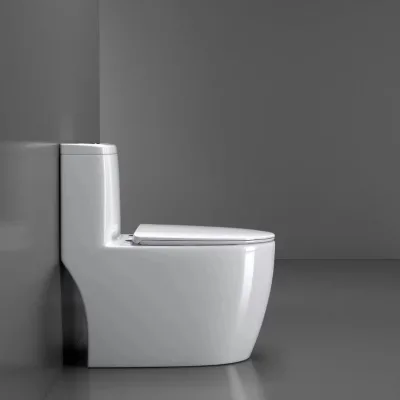


Toilet Flush System Siphon Type Super-Rotating Large-Caliber Ceramic Toilet
$104.00 - $118.00
MOQ: 1 Pieces
Comprehensive Sourcing Guide
Strategic Sourcing Guide for Dual Flush Siphon Jet Toilets
Procuring high-performance sanitary ware requires a meticulous approach that balances technical specifications with supply chain reliability. The core keyword "Dual Flush Siphon Jet Toilet" identifies a specific category of plumbing fixtures designed to optimize water efficiency while maintaining superior flushing power. For B2B buyers, navigating the global market for these units involves understanding the distinct engineering features, verifying compliance with international standards, and evaluating supplier capabilities. This guide provides a structured framework for sourcing these products, ensuring that procurement decisions are grounded in verifiable data and industry best practices rather than marketing assertions.
Technical Architecture and Flushing Mechanisms
The defining characteristic of a Dual Flush Siphon Jet Toilet is its ability to offer two distinct flushing volumes, typically controlled by a single actuator. This mechanism addresses the dual needs of water conservation and effective waste removal. The "siphon jet" component refers to the internal geometry of the bowl and trapway, which utilizes a jet nozzle to introduce water at high velocity, creating a siphonic action that clears the bowl efficiently. This design is superior to washdown systems in terms of noise reduction and water usage, though washdown variants are also present in the market for specific drainage requirements.
Buyers must distinguish between one-piece and two-piece constructions. One-piece toilets, where the tank and bowl are fused into a single ceramic unit, offer a sleek, European-style aesthetic and reduced leak points. In contrast, two-piece models allow for easier shipping and potential repair but may present more seams. The material composition is almost exclusively high-grade ceramic, which provides the necessary durability and non-porous surface required for hygiene. The drainage pattern is another critical technical variable; s-trap configurations are common in many regions, while other systems may utilize different trapway geometries.
The flushing control method is typically a hand-press type button or lever. In dual-flush systems, this actuator allows the user to select between a partial flush for liquid waste and a full flush for solid waste. The specific dimensions of the unit, such as the pit spacing (often standardized around 300mm) and overall footprint, must align with the existing plumbing infrastructure of the target installation site. Variations in size, such as models measuring approximately 790x400x760mm or 780x380x720mm, indicate different capacity and design philosophies.
Compliance, Certification, and Dimensional Standards
Ensuring that sourced products meet regulatory requirements is paramount for B2B transactions, particularly in international trade. While specific certification statuses vary by manufacturer, buyers should verify the presence of recognized safety and quality marks. The CE mark is a critical indicator for products entering the European market, signifying compliance with health, safety, and environmental protection standards. Other regions may require different certifications, and the absence of such documentation can lead to customs delays or legal liabilities.
Dimensional standards are equally vital. The physical footprint of the toilet must adhere to the specific requirements of the installation site. Standardized dimensions often appear in product specifications, such as 665x455x560mm or 720x420x575mm, which define the height, width, and depth of the unit. These measurements are not merely aesthetic; they dictate the required rough-in distance and the space needed for maintenance access. Buyers should cross-reference these dimensions against their architectural plans to ensure compatibility.
Furthermore, the packaging standard plays a role in compliance and logistics. Products are often shipped in 5-ply or 5-layer carton packing, sometimes supplemented with setting foam to prevent damage during transit. The gross weight of the unit, which can reach 68.000kg for certain configurations, impacts shipping costs and handling requirements. Understanding these logistical constraints is essential for accurate cost modeling and supply chain planning.
Cost Drivers and Economic Factors
The pricing of dual flush siphon jet toilets is influenced by a complex interplay of factors, including material quality, manufacturing complexity, and brand positioning. The observed price range in the market spans from approximately $12.50 to $260 USD, reflecting the diversity of product tiers available. Lower-cost units may utilize standard ceramic formulations and simpler flushing mechanisms, while premium models often feature advanced glazing, superior siphon engineering, and designer aesthetics.
Minimum Order Quantity (MOQ) is a significant economic driver in B2B procurement. Suppliers often set MOQs ranging from 1 to 100 units, with specific models requiring quantities such as 10, 20, or 30 pieces. These thresholds are designed to ensure production efficiency and cover setup costs. Buyers with smaller volume requirements may face higher per-unit costs or limited model availability. Conversely, larger orders can unlock volume discounts and more favorable shipping terms.
Supply ability is another critical economic metric. A supplier's capacity to deliver, such as 10,000 pieces per month, indicates their ability to scale with demand. For large-scale projects, verifying that the supplier can meet the required timeline without compromising quality is essential. The cost of customization, which is often available, will also add to the base price. Customization options may include specific colors, such as black or multi-color finishes, or tailored dimensions, which require additional tooling and production time.
Typical Applications and Market Segmentation
Dual flush siphon jet toilets are versatile fixtures suitable for a wide range of applications, from residential complexes to commercial facilities. The "adult" application classification indicates that these units are designed for standard human use, distinguishing them from specialized pediatric or institutional models. The style of the toilet, whether European or Chinese, often dictates its suitability for specific market segments. European styles typically feature sleek, minimalist designs that align with modern interior trends, while Chinese styles may incorporate traditional elements or specific functional requirements.
The mounting type is another factor influencing application suitability. Standing floor and floor-mounted installations are the most common, requiring a stable base and proper drainage connection. These units are ideal for hotels, offices, and residential buildings where durability and ease of maintenance are priorities. In some cases, dual-purpose toilets that function as both a sitting and squatting toilet are available, catering to specific cultural preferences or regional usage patterns.
Color and finish also play a role in application selection. While white remains the standard for most commercial and residential projects due to its neutral aesthetic and ease of cleaning, black and multi-color options are gaining traction in high-end residential and boutique commercial spaces. The choice of color can impact the perceived value of the space and must align with the overall design scheme.
Supplier Evaluation and Quality Assurance
Selecting the right supplier is as important as selecting the right product. Buyers should evaluate potential partners based on their production capabilities, quality control processes, and track record. The origin of the product, such as Chaozhou or Guangdong in China, can provide insights into the manufacturing ecosystem and the availability of skilled labor. These regions are known for their ceramic industries, but buyers should still verify the specific factory standards and production capacity.
Quality control measures should be rigorous and transparent. Buyers should request evidence of testing procedures, including flush performance, water consumption efficiency, and structural integrity. While specific test results may not always be publicly available, suppliers should be willing to share data or third-party verification. The use of high-quality ceramic and robust glazing is essential to prevent staining and cracking over time.
Packaging details are also indicative of a supplier's attention to quality. The use of 5-ply cartons and setting foam suggests a commitment to protecting the product during transit. Buyers should inspect the packaging quality upon receipt to ensure that the units arrive in pristine condition. Additionally, the availability of accessories, such as flush pipe components, should be confirmed to ensure a complete installation experience.
Long-Term Procurement and Maintenance Considerations
Sourcing decisions should be made with a long-term perspective, considering the lifecycle costs and maintenance requirements of the product. The water-saving type classification of these toilets offers significant operational savings over time, reducing utility bills and environmental impact. However, the effectiveness of the water-saving mechanism depends on the quality of the siphon jet design and the durability of the flushing control mechanism.
Buyers should also consider the availability of replacement parts and the ease of maintenance. Units with standard components and widely available accessories are easier to service, reducing downtime and long-term costs. The brand reputation, such as that of Fannisi, can serve as a proxy for reliability, but buyers should not rely solely on brand names. Instead, they should verify the specific product attributes and performance claims through independent testing or peer reviews.
Finally, the customization options available from suppliers can extend the lifecycle of the product by allowing for future updates or adaptations. Whether it is a change in color to match a new interior design or a modification in dimensions for a renovation project, the ability to customize ensures that the investment remains relevant. By focusing on these long-term factors, buyers can secure a supply chain that delivers value over the entire lifespan of the installed fixtures.
Comparative Analysis of Key Product Attributes
To facilitate informed decision-making, the following table summarizes the key attributes observed in the market for dual flush siphon jet toilets. This comparison highlights the variations in specifications that buyers should consider when evaluating potential products.
| Attribute | Observed Variation | Relevance to Procurement |
|---|---|---|
| Toilet Bowl Shape | Round, Elongated | Affects user comfort and space requirements. |
| Drainage Type | Siphonic, Washdown | Determines flushing efficiency and noise levels. |
| Structure | One Piece | Impacts aesthetics, leak resistance, and shipping volume. |
| Material | Ceramic | Essential for durability, hygiene, and glazing quality. |
| Flushing Control | Hand Press Type | User interface; dual-flush capability is standard. |
| Color Options | White, Black, Multi Color | Aesthetic matching for interior design schemes. |
| Mounting Type | Standing Floor, Floor Mounted | Installation requirements and plumbing compatibility. |
| Certification | CE (Verified), Others (Verify) | Regulatory compliance for specific markets. |
| MOQ Range | 1 to 100 Units | Influences order volume and unit cost. |
| Origin | Chaozhou, Guangdong | Indicates manufacturing hub and supply chain logistics. |
This structured approach to sourcing ensures that buyers can navigate the complexities of the Dual Flush Siphon Jet Toilet market with confidence. By focusing on technical specifications, compliance, cost drivers, and supplier reliability, procurement teams can secure high-quality products that meet the demands of their projects while maintaining long-term operational efficiency.
FAQs
What materials are used for dual flush siphon jet toilets?
These units are constructed from high-grade ceramic to ensure durability and hygiene. The material provides a non-porous surface that resists staining and cracking over time in various installation environments.
How does the siphon jet flushing mechanism work?
The system utilizes a jet nozzle to introduce water at high velocity, creating a siphonic action that clears the bowl efficiently. This design reduces noise and water usage compared to washdown systems.
Which certifications should buyers verify for European shipments?
Buyers should verify the presence of the CE mark for products entering the European market. This certification signifies compliance with health, safety, and environmental protection standards required for international trade.
Can suppliers offer customization for color and dimensions?
Customization is available for specific colors like black or multi-color finishes and tailored dimensions. These options require additional tooling and production time, which may affect the base price and lead time.
What is the typical minimum order quantity for these units?
Minimum order quantities range from 1 to 100 units depending on the specific model and supplier. Some models require as few as 10 pieces, while others may mandate orders of 30 units or more.
How are these toilets packaged for international shipping?
Products are typically shipped in 5-ply or 5-layer carton packing supplemented with setting foam. This packaging protects the ceramic unit from damage during transit and ensures it arrives in pristine condition.
What drainage patterns are available for these fixtures?
Available drainage patterns include S-trap configurations and washdown systems. The specific pattern must align with the existing plumbing infrastructure and local building codes of the installation site.