Source Dual Light Bullet IP Camera for Security, Retail, and Warehouses
Find and compare 25 dual light bullet ip camera options for outdoor surveillance. Evaluate features like WDR, IR distance, and IP67 ratings to select the right model for your security infrastructure needs; compare the available evidence and request quotations based on your requirements.
Key considerations
Products List


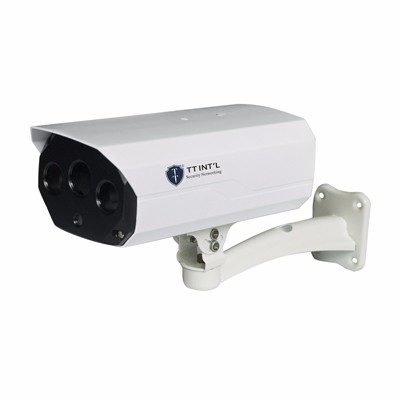


Contact supplier
Moq: 1

Comprehensive Sourcing Guide
Dual Light Bullet IP Camera Sourcing Guide
Sourcing dual light bullet IP cameras requires a nuanced understanding of how hybrid illumination technologies enhance surveillance performance in challenging lighting conditions. These devices combine infrared and visible light sources to provide clear, color images at night while maintaining stealth when necessary. Buyers must evaluate how the dual-light mode switches between full-color visibility and infrared-only stealth based on motion detection or user settings. This flexibility is critical for environments where identifying suspect features is as important as maintaining a low profile.
The bullet form factor offers distinct advantages for outdoor and perimeter monitoring, including weather resistance and a streamlined design that is less obtrusive than dome cameras. When sourcing these units, procurement teams should prioritize models that support both PoE and standard power inputs to simplify installation logistics. The integration of advanced features like wide dynamic range and high-definition sensors ensures that image quality remains consistent despite rapid changes in ambient light, making these cameras suitable for high-traffic commercial and industrial sites.
Product Scope and Observed Listing Signals
Market listings for dual light bullet cameras reveal a wide variance in specifications, with prices ranging from five to three thousand USD and minimum order quantities typically spanning one to one hundred units. This broad spectrum indicates that buyers can find solutions for both small-scale residential projects and large-scale enterprise deployments. The presence of customization options in many listings suggests that suppliers are willing to tailor hardware or software features to specific client requirements, which is a valuable signal for complex procurement needs.
Observed attributes often include CMOS sensors, fixed or varifocal lenses, and IP67 protection ratings, which are essential for outdoor durability. Some listings highlight specific models like the DS-2XE6242F-IS or DS-2CD1643G2-LIZ, indicating that established manufacturers dominate this segment. Buyers should note that while many products claim high-definition output, the actual horizontal resolution can vary, with some units offering 600tvl or 520tvl clarity. Verifying these specific technical details against the supplier’s datasheet is crucial to ensure the camera meets the required visual fidelity for the intended application.
Technical Specifications to Verify
When evaluating technical specifications, the lens type and focal length are primary considerations for determining the field of view and detection range. Buyers should verify whether the camera uses a fixed focal lens, such as a 4mm option, or a motorized varifocal lens with a range like 2.8 to 12 mm, depending on the installation distance. The infrared distance is another critical metric, with some models supporting up to 30 meters while others extend to 150 meters, directly impacting the effective surveillance zone. Ensuring the IR distance aligns with the physical layout of the site prevents blind spots and ensures optimal coverage.
Sensor size and aperture also play significant roles in low-light performance, with 1/3 inch sensors and F1.6 apertures being common in high-end models. The inclusion of Wide Dynamic Range (WDR) technology, often specified at 120dB, is essential for scenes with high contrast, such as entrances with bright exterior light and dark interiors. Additionally, buyers must confirm the power requirements, as some cameras support 100-240 VAC and PoE, while others may require 12 VDC. Understanding these electrical constraints helps in planning the power infrastructure and avoiding compatibility issues during installation.
Compliance and Safety Documentation
Compliance with international standards is non-negotiable for global procurement, and buyers must verify that dual light bullet cameras carry necessary certifications such as CE, FCC, CCC, RoHS, and EMI/EMC. These certifications ensure that the devices meet electromagnetic compatibility and safety requirements in their target markets. ISO9001 certification for the manufacturing process is also a strong indicator of consistent quality control, reducing the risk of defective units in bulk orders. Procurement teams should request valid certificate copies and verify their authenticity with the issuing bodies before finalizing any purchase.
In addition to product certifications, buyers should inquire about the environmental protection ratings, particularly the IP67 standard, which guarantees dust tightness and protection against powerful water jets. This is vital for outdoor installations where cameras are exposed to rain, snow, and dust. The housing material, often metal for bullet cameras, contributes to vandal-proof capabilities and long-term durability. Ensuring that the product packaging, whether paper or carton, protects the unit during transit is also part of the compliance and safety verification process to prevent damage before installation.
Cost Drivers and Commercial Terms
The cost of dual light bullet cameras is influenced by several factors, including the complexity of the dual-light engine, the quality of the image sensor, and the level of integration with AI detection features. Models supporting human and vehicle detection with micro AI functions typically command higher prices due to the advanced processing capabilities required. Buyers should also consider the weight and dimensions of the unit, as heavier, more robust cameras may incur higher shipping costs. Understanding these cost drivers helps in budgeting accurately and comparing value across different suppliers.
Commercial terms such as minimum order quantities (MOQ) and lead times can vary significantly between suppliers. While some vendors offer MOQs as low as one unit for sampling, bulk orders may require higher commitments. Payment terms and warranty periods are also critical components of the commercial agreement. Buyers should negotiate clear terms regarding returns, replacements, and technical support to mitigate risks associated with hardware failures. Transparent pricing that includes all taxes and duties prevents unexpected costs during the final stages of procurement.
Supplier Qualification and Quality Control
Supplier qualification is a critical step in ensuring the reliability of dual light bullet camera supplies. Buyers should assess the supplier’s manufacturing capabilities, including their production capacity and quality control processes. Factories with ISO9001 certification and established testing procedures are more likely to deliver consistent product quality. It is also important to verify the supplier’s experience in the security camera industry, as this often correlates with better technical support and after-sales service. Engaging with suppliers who have a proven track record reduces the risk of supply chain disruptions.
Quality control measures should include pre-shipment inspections and sample testing to verify that the cameras meet the specified technical requirements. Buyers should request detailed test reports for key features such as IR distance, WDR performance, and dual-light switching functionality. Establishing a clear communication channel with the supplier for addressing any quality issues is essential. Regular audits or third-party inspections can provide additional assurance that the manufacturing process adheres to the agreed-upon standards, ensuring that every unit delivered meets the procurement team’s expectations.
Long-Term Procurement Checks
Long-term procurement success depends on the ability to monitor supplier performance and adapt to evolving technology trends. Buyers should establish key performance indicators (KPIs) to track delivery times, product defect rates, and customer satisfaction levels. Regular reviews of these metrics help identify potential issues early and allow for corrective actions. Maintaining a diversified supplier base can also mitigate risks associated with single-source dependencies, ensuring continuity of supply even if one vendor faces challenges.
As technology advances, buyers must stay informed about new features and standards in the dual light bullet camera market. This includes updates in AI detection algorithms, improved sensor technologies, and enhanced cybersecurity features. Periodic re-evaluation of existing contracts and specifications ensures that the procurement strategy remains aligned with current operational needs. Building strong relationships with suppliers fosters collaboration on future product developments and can lead to better pricing and priority support during peak demand periods.
FAQs
What is the IR distance for dual light bullet ip cameras?
The IR distance for these cameras is typically 30 meters. Some models support up to 150 meters for extended coverage. This range ensures clear night vision in various outdoor environments. Buyers should verify the specific model's capability to match their site requirements.
Can dual light bullet ip cameras support remote control?
Yes, many models include remote control functionality for easy configuration. Some variants operate without remote control, relying on web interfaces instead. This feature simplifies initial setup and ongoing adjustments. Check the product attributes to confirm if remote control is included in your selected unit.
Which certifications are standard for these bullet cameras?
Standard certifications include CE, FCC, CCC, RoHS, and ISO9001. These ensure compliance with international safety and quality standards. EMI/EMC certification is also common for electronic interference management. Verify the specific certification list for the model you intend to source.
What power options are available for these IP cameras?
Power options include 100 to 240 VAC and PoE. Some models support 12 VDC with PoE capability. This flexibility allows installation in locations with varying power infrastructure. Ensure your power supply matches the camera's specific voltage and PoE requirements.
How heavy are the metal housing bullet cameras?
Weights vary significantly by model, ranging from 340 grams to 6.18 kilograms. Heavier units often feature robust metal housings for vandal-proof applications. Lighter models may use different materials or smaller form factors. Always check the weight specification to ensure your mounting structure can support the unit.
What lens options are available for these cameras?
Lens options include fixed focal lenses like 4mm and motorized varifocal lenses ranging from 2.8 to 12 mm. Some models offer multiple fixed focal lengths such as 2.8mm, 3.6mm, 4mm, or 6mm. Choose the lens based on your required field of view and installation distance.