Source Duct Air Conditioner for Factories, Offices, and Hospitals
Compare 30 Duct Air Conditioner units from verified Chinese manufacturers. Buyers can evaluate specifications like cooling capacity, voltage, and certifications to find suitable solutions for mechanical engineering and commercial applications; compare the available evidence and request quotations based on your requirements.
Key considerations
Products List


Air Conditioner Energy-Saving & Environmental-Protection HVAC System Air Duct
$8.10 - $9.10
MOQ: 10 Square Meters


Inverter Air Conditioner Mini Split Acair Conditioner Sales Air Conditioning Fan Coil Unit
$150.00 - $183.00
MOQ: 10 Pieces


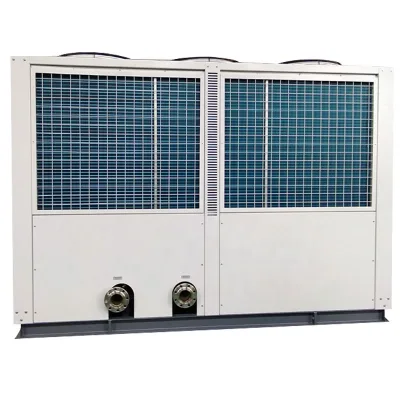

Custom Air Conditioner with Water Cooling Condensing Unit for Refrigeration
$600.00 - $1500.00
MOQ: 1 Pieces


Air Conditioner Water Chiller/Screw Compressor Water Cooled Chiller
$9000.00 - $180000.00
MOQ: 1 Pieces
Comprehensive Sourcing Guide
Duct Air Conditioner Sourcing Guide
Procuring duct air conditioners requires a strategic approach that balances technical performance with commercial viability, particularly when sourcing from international markets such as Foshan, Guangdong, China. Buyers must navigate a diverse landscape of manufacturers offering varying configurations, from integral units to packaged types, each suited to specific mechanical engineering applications. The core challenge lies in identifying suppliers who can deliver consistent quality while adhering to strict operational parameters, such as operating voltages of 380/400 VAC or specific cooling methods like water-cooled or air-cooled systems. Understanding these foundational distinctions is critical for aligning procurement decisions with facility requirements.
This guide provides a structured framework for evaluating potential suppliers and products based on observed market signals and technical realities. It emphasizes the importance of verifying certifications, material compositions, and customization options before committing to large orders. By focusing on evidence-based criteria, buyers can mitigate risks associated with non-compliant equipment or unreliable delivery schedules. The following sections detail the essential steps for validating product scope, technical specifications, compliance documentation, cost structures, supplier qualifications, and long-term maintenance considerations, ensuring a robust and informed sourcing strategy.
Product Scope and Observed Listing Signals
The current market for duct air conditioners exhibits a wide range of product types, including Air Handling Units, Evaporative Air Coolers, and packaged systems, each serving distinct functional roles. Observed listings indicate that manufacturers often offer customizable solutions, with options for tailor-made designs and various color choices, primarily white but with other colors available upon request. The physical dimensions of these units can vary, with some standard models measuring approximately 1500x800x1800mm, while others are designed as floor-standing or integral structures. Buyers should carefully review these physical attributes to ensure compatibility with their installation space and structural constraints.
Material composition and durability are key differentiators in this sector, with air tube materials ranging from plastics to galvanized sheets, each offering different levels of corrosion durability. Some products boast ultrahigh corrosion resistance, while others are rated for higher durability, reflecting variations in build quality and intended environmental conditions. Additionally, the noise levels of these units can vary from low to ordinary, impacting their suitability for sensitive environments. Understanding these material and performance signals helps buyers select units that align with their specific operational needs and longevity expectations.
Technical Specifications to Verify
Technical verification is paramount when sourcing duct air conditioners, particularly regarding cooling capacity and compressor types. Listings show a broad capacity range, from 8-50kw to 10kw-260kw, indicating that buyers must precisely match unit capacity to their thermal load requirements. Compressor types vary between rotary and scroll configurations, with some units featuring world-famous brand electric parts and specific refrigerant valves like Emerson. Buyers should confirm the compressor number and type to ensure optimal efficiency and reliability, as these components significantly influence the unit's performance and maintenance requirements.
Refrigerant selection and power supply compatibility are also critical technical factors. Available refrigerants include R22, R407c, R410A, and R134A, each with distinct environmental and performance characteristics. Power supply options typically support 50Hz/60Hz frequencies, with selected voltages often at 380V/50HZ. Additionally, some units offer optional gas burners, expanding their functionality beyond standard cooling. Buyers must verify these specifications against their facility's infrastructure to avoid compatibility issues and ensure seamless integration into existing HVAC systems.
Compliance and Safety Documentation
Compliance with international standards is essential for ensuring the safety and legality of imported duct air conditioners. Common certifications observed in the market include ISO, CE, RoHS, UL, UR, and CCC, indicating adherence to various quality and safety benchmarks. Buyers should request valid certification documents for each unit to verify that the manufacturer has undergone rigorous testing and meets regional regulatory requirements. These certifications not only ensure product safety but also facilitate smoother customs clearance and installation processes in different countries.
Beyond certifications, documentation regarding product standards and packaging is crucial for logistics and handling. Products are typically packed in plastic foam with wooden cases, film with wooden packages, or plywood casings with stretch film, ensuring protection during transit. Some units adhere to specific standard dimensions, such as 1500x800x1800mm, which can impact shipping costs and storage requirements. Buyers should review these packaging details to plan for efficient transportation and storage, minimizing the risk of damage during delivery and ensuring that the units arrive in pristine condition.
Cost Drivers and Commercial Terms
Cost drivers for duct air conditioners include customization options, material quality, and technological features. Units with ultrahigh corrosion durability, low noise levels, and advanced compressor types often command higher prices due to their enhanced performance and longevity. Additionally, tailor-made solutions and optional features like gas burners can increase costs, reflecting the additional engineering and manufacturing efforts required. Buyers should balance these features against their budget constraints, prioritizing essential specifications that directly impact operational efficiency and maintenance costs.
Commercial terms such as minimum order quantities (MOQ), delivery times, and payment conditions significantly influence the total cost of ownership. Observed MOQs range from 1 to 500 units, allowing for flexibility in order sizes, while delivery times are typically around 30 days. Buyers should negotiate these terms to align with their project timelines and cash flow requirements. Understanding the relationship between product specifications and commercial terms enables buyers to make informed decisions that optimize both performance and financial outcomes.
Supplier Qualification and Quality Control
Supplier qualification is a critical step in mitigating procurement risks, requiring thorough evaluation of manufacturing capabilities and quality control processes. Buyers should verify that suppliers have established quality management systems, often indicated by ISO certifications, and possess the technical expertise to produce units with specified performance characteristics. Additionally, suppliers should provide detailed product descriptions and technical datasheets to facilitate accurate assessment. Engaging with suppliers who offer transparent communication and responsive customer service can enhance the procurement experience and reduce the likelihood of misunderstandings.
Quality control measures should extend beyond initial production to include pre-shipment inspections and testing protocols. Buyers should inquire about the supplier's procedures for verifying compressor types, refrigerant charges, and electrical components, ensuring that each unit meets the agreed-upon specifications. Furthermore, suppliers should provide clear warranty terms and after-sales support options, including access to replacement parts and technical assistance. Establishing a strong relationship with a qualified supplier ensures consistent product quality and reliable support throughout the unit's lifecycle.
Long-Term Procurement Checks
Long-term procurement success depends on establishing robust maintenance and support frameworks for duct air conditioners. Buyers should prioritize units with a lifetime expectancy of 15-20 years, indicating durable construction and reliable performance over time. Regular maintenance schedules should be developed to address wear and tear on components like compressors, filters, and refrigerant systems, ensuring optimal efficiency and extending the unit's operational life. Additionally, buyers should verify the availability of spare parts and technical support from the supplier to minimize downtime and repair costs.
Continuous monitoring of supplier performance and product reliability is essential for maintaining a high standard of procurement. Buyers should track key performance indicators such as energy efficiency, noise levels, and maintenance frequency to assess the long-term value of their investments. Furthermore, staying informed about industry advancements and regulatory changes can help buyers adapt their procurement strategies to emerging trends and requirements. By proactively managing these long-term factors, buyers can ensure sustained operational efficiency and cost-effectiveness in their HVAC systems.
FAQs
What certifications do duct air conditioners typically have?
Duct air conditioners often carry ISO, UL, CE, RoHS, UR, and CCC certifications. These standards ensure safety and quality compliance for mechanical engineering applications. Buyers should verify specific certificates match their regional requirements before placing orders for new units.
How long is the expected lifetime of these units?
The expected lifetime for these duct air conditioners ranges from 15 to 20 years. This durability is supported by ultrahigh corrosion resistance and robust construction. Proper maintenance ensures the unit operates efficiently throughout its extended service life in various environments.
Can I customize the specifications for my project?
Yes, customization is available for these air handling units. Buyers can request tailored solutions including specific voltage, cooling capacity, or color options. This flexibility allows the equipment to meet unique mechanical engineering needs while maintaining high performance standards.
What is the lead time for delivery of new units?
The standard delivery time for new duct air conditioners is 30 days. This lead time applies to orders placed with manufacturers in Foshan, Guangdong, China. Buyers should account for this duration when planning installation schedules for their facilities.
Which cooling methods are available for these systems?
Available cooling methods include water-cooled and air-cooled configurations. These systems utilize scroll or rotary compressors with refrigerants like R410A or R22. The choice depends on specific capacity requirements ranging from 8 to 260 kilowatts for different building sizes.
What is the operating voltage for these units?
The operating voltage is typically 380/400 VAC at 50Hz or 60Hz. Some models support 380V specifically. This power supply ensures compatibility with industrial electrical systems used in mechanical engineering applications across various global markets.
How are these units packaged for shipping?
Units are packaged using plastic foam, wooden cases, or plywood casings. Some options include stretch film wrapping for added protection. This secure packaging prevents damage during transit from the factory in China to the final destination.