Source Duck Feather Badminton Ball for Training, Clubs, and Entertainment
Find 30 Duck Feather Badminton Ball options from China. Compare specifications like cork heads, feather types, and packaging sizes to select the right shuttlecocks for training, club play, and entertainment; compare the available evidence and request quotations based on your requirements.
Key considerations
Products List
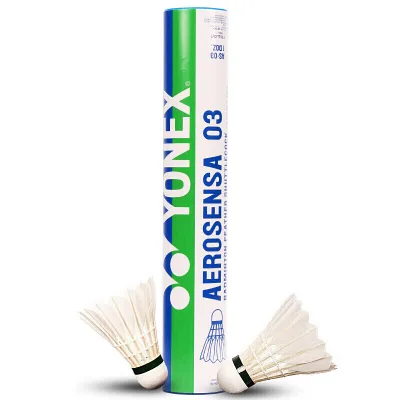
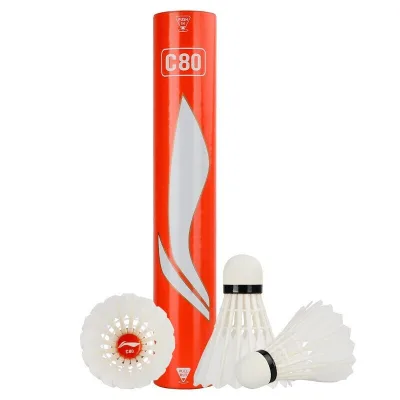
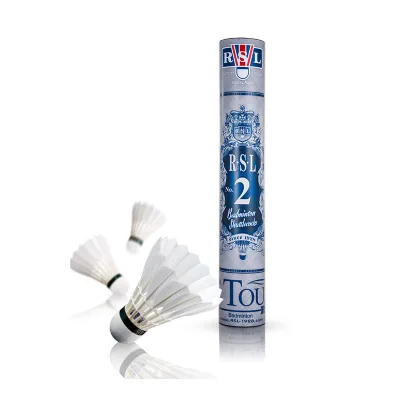
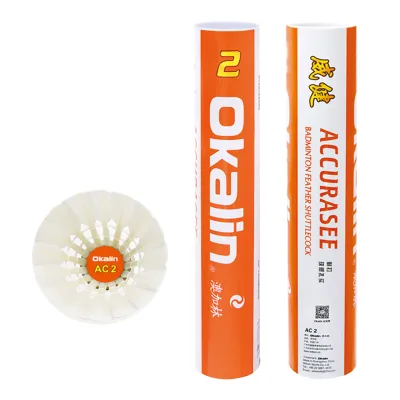
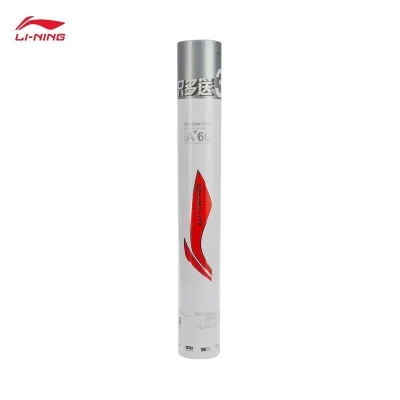
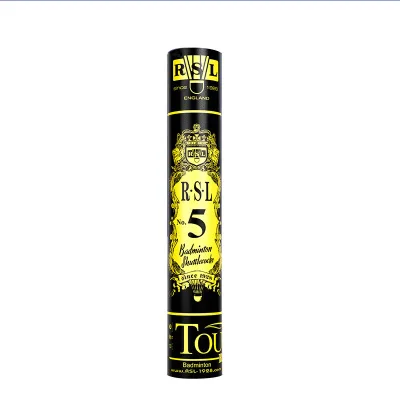
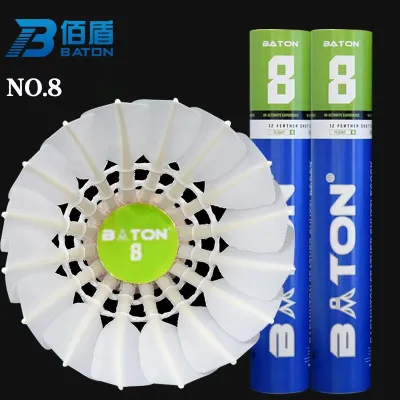
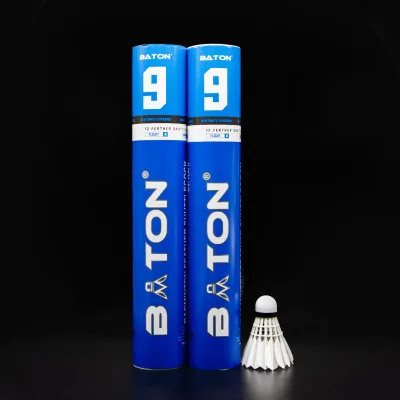
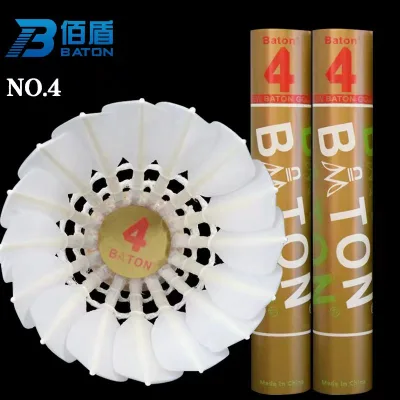
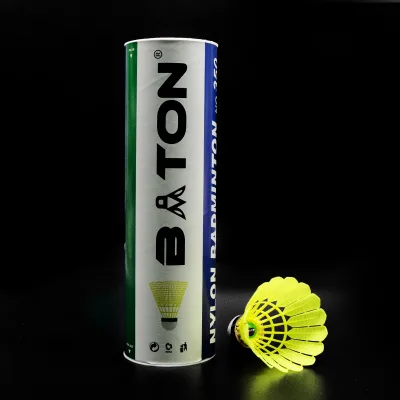
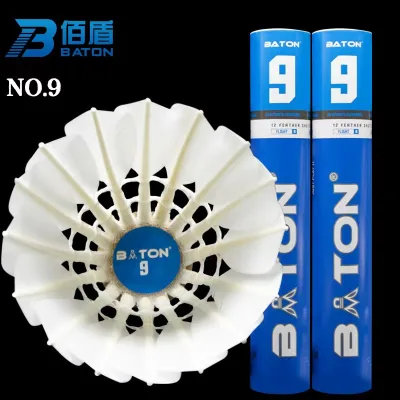
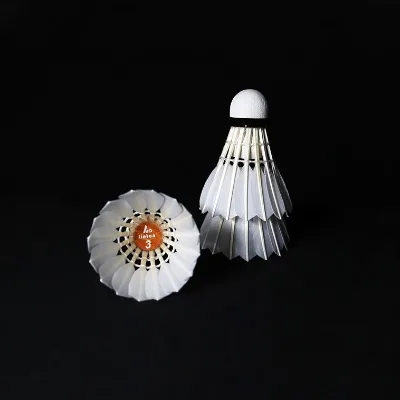
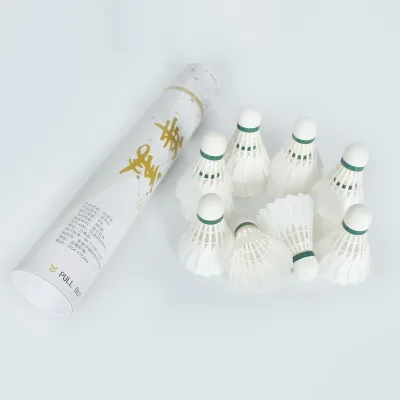



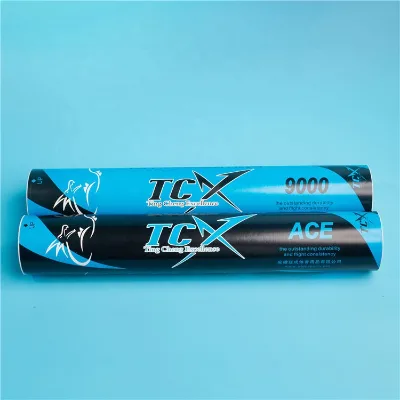


Comprehensive Sourcing Guide
Duck Feather Badminton Ball Sourcing Guide
Buyers must first distinguish between the specific feather types available in the current market, as the supply chain offers distinct options ranging from duck to goose and mixed materials. The observed listings indicate a prevalence of duck feather shuttlecocks, often described with terms like "Cormorant dolphin duck" or simply "Duck feather," alongside specific composite cork head constructions. This variation requires immediate clarification on the exact biological source of the feathers, as the flight characteristics and durability differ significantly between species, directly impacting the suitability for professional training versus recreational club play.
Procurement decisions should also account for the diverse packaging configurations observed, which range from single items to bulk barrels containing twelve pieces. The data shows that some suppliers offer 12-piece barrels while others list 15-pack cartons, and the single gross weight varies between 0.3 kg and 0.5 kg depending on the specific model and packaging density. Understanding these logistical variables is essential for calculating landed costs and ensuring that the received inventory matches the intended usage volume, whether for a single training session or a large-scale tournament supply.
Product Scope and Observed Listing Signals
The product scope encompasses a wide array of shuttlecock models designed for different performance tiers, from basic training balls to high-quality professional equipment. Listings frequently reference specific classifications such as "Duck Feather Ball" and "Goose Feather Ball," with some products explicitly marketed for "Training Club Entertainment Ball" applications. Buyers should note that while many items are labeled as "High quality good appearance," the actual material composition varies, with some heads utilizing Taiwan fiber composite cork and others using 2-layer natural cork, necessitating a careful review of the material specifications before placing an order.
Market signals also reveal significant variation in model numbers and branding, with identifiers like "C80," "A+60," and "BT-NO.8" appearing alongside major brand names such as "Lining" and "RSL." These identifiers often correlate with specific speed ratings, such as 77/78, which are critical for matching the shuttlecock to the altitude and temperature conditions of the playing venue. The presence of multiple color options, including "Natural White" and "RSL-2," suggests that aesthetic preferences play a role in selection, but the primary focus must remain on the structural integrity and flight consistency provided by the feather and cork composition.
Technical Specifications to Verify
Verification of the head material is the most critical technical step, as the listed data presents conflicting or varied descriptions ranging from "Composite cork" to "Taiwan fiber composite cork ball head" and "2 layers natural cork." Buyers must confirm the exact composition of the ball joint and head, as these components determine the shuttlecock's resilience and ability to maintain a consistent flight path after impact. The distinction between a fiber composite and natural cork is substantial, with the latter often preferred for its traditional feel and the former potentially offering enhanced durability in high-impact training scenarios.
Feather quality and arrangement require equally rigorous scrutiny, as the supply chain lists materials such as "Duck hair," "Goose feather," and the specific "Cormorant dolphin duck." These variations directly influence the aerodynamic properties and the speed of the shuttlecock, which is further defined by specific speed ratings like 77 or 78. Procurement teams should request physical samples to verify the uniformity of the feather length and the tightness of the binding, ensuring that the product meets the specific speed and stability requirements for the intended level of play, whether it is professional training or casual entertainment.
Compliance and Safety Documentation
While the provided data does not explicitly list specific safety certifications, buyers must ensure that all materials used in the construction of the shuttlecock comply with international safety standards for sports equipment. The use of natural materials like duck and goose feathers, along with cork and fiber composites, generally poses low risk, but the adhesives and glues used to bind the feathers to the cork base must be free from harmful volatile organic compounds. It is imperative to request a declaration of conformity or a material safety data sheet to confirm that the manufacturing process adheres to environmental and health regulations, particularly for products intended for use in indoor facilities with strict air quality standards.
Documentation regarding the origin of the raw materials is also essential for supply chain transparency and ethical sourcing verification. The listings indicate origins in China, specifically Anhui, but buyers should seek detailed traceability information to ensure that the feathers are sourced from reputable suppliers who adhere to animal welfare standards. Although specific certification names are not provided in the current data, establishing a clear chain of custody for the biological materials helps mitigate reputational risks and ensures that the final product aligns with the ethical procurement policies of the buying organization.
Cost Drivers and Commercial Terms
The cost structure for duck feather badminton balls is heavily influenced by the raw material quality, with goose feathers typically commanding a higher price point than duck feathers due to their superior durability and flight consistency. The observed price range of 1.22 to 32.66 USD reflects this disparity, as well as variations in packaging, brand reputation, and the complexity of the head construction. Buyers must analyze the unit price in the context of the specific model and material composition, recognizing that lower-priced items may utilize lower-grade feathers or less robust cork heads, which could lead to higher replacement costs over time.
Commercial terms such as Minimum Order Quantity (MOQ) and packaging units significantly impact the total cost of ownership and inventory management strategies. The data shows a wide MOQ range from 1 to 500 units, with some suppliers requiring orders in drums or specific pack sizes like 12 or 15 pieces. Negotiating favorable terms involves balancing the MOQ against the storage capacity and usage rate of the facility, as ordering in bulk may reduce the per-unit cost but increase the risk of inventory obsolescence if the product does not meet performance expectations.
Supplier Qualification and Quality Control
Supplier qualification should focus on the ability to consistently deliver products that match the detailed material specifications provided in the initial listing. Given the variations in feather types and head materials observed, buyers must verify that the supplier has a robust quality control process to ensure batch-to-batch consistency. This includes testing the weight, speed, and flight stability of the shuttlecocks to confirm they meet the stated specifications, such as the 6g weight or the specific speed ratings of 77/78, before the goods are shipped.
Establishing a clear communication channel for quality assurance is vital, especially when dealing with international suppliers from regions like Anhui, China. Buyers should implement a pre-shipment inspection protocol that includes random sampling from the production batch to check for defects in feather alignment, cork integrity, and glue application. This proactive approach helps identify potential issues early, preventing the receipt of substandard products that could disrupt training schedules or compromise the safety of the athletes using the equipment.
Long-Term Procurement Checks
Long-term procurement success depends on establishing a reliable supply chain that can adapt to changing performance requirements and market conditions. Buyers should regularly review the performance of the shuttlecocks in actual play conditions to ensure they continue to meet the needs of the training club or entertainment venue. This involves monitoring the wear and tear of the feathers and the durability of the cork head over time, as these factors directly affect the frequency of replacement and the overall cost efficiency of the procurement program.
Building a strategic relationship with suppliers who demonstrate flexibility and a commitment to quality is essential for sustaining long-term operations. This includes negotiating volume discounts, securing priority production slots during peak seasons, and collaborating on product development to create custom specifications that better suit the specific needs of the organization. By maintaining a proactive approach to supplier management, buyers can ensure a steady supply of high-quality duck feather badminton balls that support the continuous improvement of their athletes and the smooth operation of their facilities.
FAQs
What materials are used in duck feather badminton balls?
Duck feather badminton balls typically use duck hair for the feathers and composite cork or natural cork for the head. Some models feature Taiwan fiber composite cork ball heads for durability. The ball joint material is often fiber composite cork, ensuring a secure connection between the feathers and the base for consistent flight performance.
What is the typical weight of a duck feather shuttlecock?
The weight of a duck feather shuttlecock generally ranges from 0.300 kg to 0.500 kg per single gross package. Individual shuttlecocks often weigh around 6 grams. These weights ensure proper balance and speed, making them suitable for training, club play, and entertainment purposes while maintaining standard badminton sports regulations.
How many shuttlecocks are in one package?
Packages typically contain 12 pieces per barrel or carton, though some specifications list 15 units per package. The exact count depends on the specific model and supplier packing standards. Standard packaging dimensions vary slightly, often around 40 to 48 cm in length, ensuring safe transport and storage for bulk buyers and retailers.
Can I find duck feather badminton balls with specific model numbers?
Yes, suppliers offer various model numbers such as C80, A+60, and BT-NO.8 to differentiate product lines. These models may vary in feather quality, head material, and packaging specifications. Buyers can select specific models based on their requirements for durability, flight stability, and intended usage, whether for professional training or casual entertainment.
What is the minimum order quantity for duck feather badminton balls?
The minimum order quantity varies by supplier, with some requiring as few as 2 drums or 2 pieces, while others may set MOQs at 50 dozen. These thresholds depend on the supplier's production capacity and packaging standards. Buyers should verify the specific MOQ with the supplier to ensure it aligns with their procurement volume and budget.
Where are duck feather badminton balls typically manufactured?
Duck feather badminton balls are primarily manufactured in China, with specific production hubs located in regions like Anhui. Chinese manufacturers leverage local supply chains for duck feathers and cork materials to produce cost-effective shuttlecocks. This origin allows for competitive pricing and consistent supply for global buyers seeking bulk orders of high-quality feather shuttlecocks.