Source Durable Weight Stack Pin for Gym, Commercial, and Home Use
Find a durable weight stack pin for gym equipment, commercial facilities, and home workouts. Compare 30 listings from suppliers in Jiangsu, China, featuring materials like steel and aluminum with anti-slip features; compare the available evidence and request quotations based on your requirements.
Key considerations
Products List
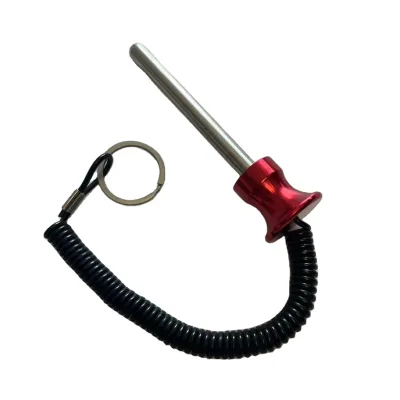
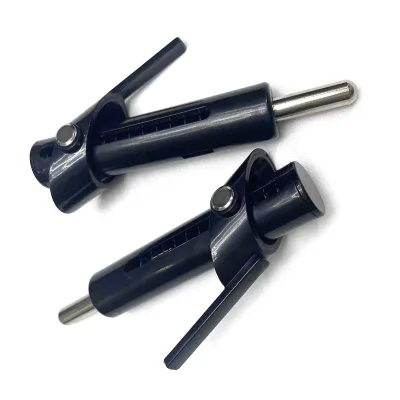
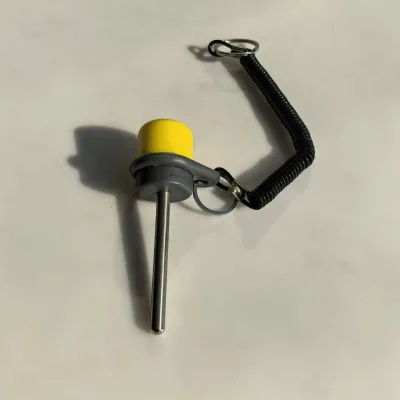
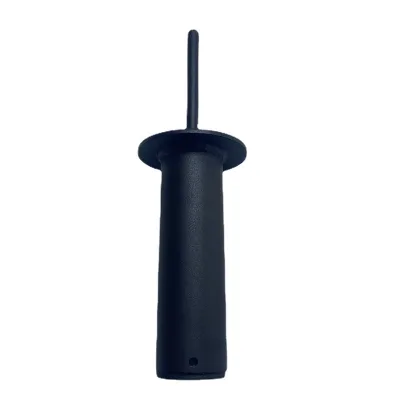
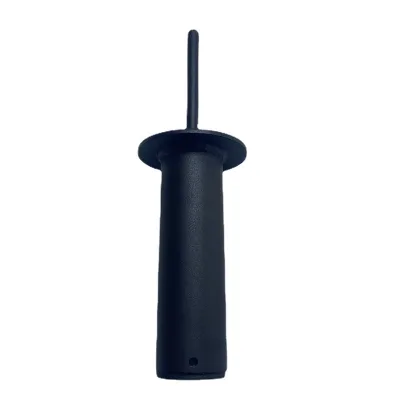
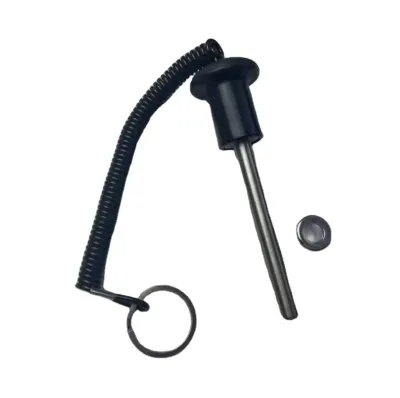
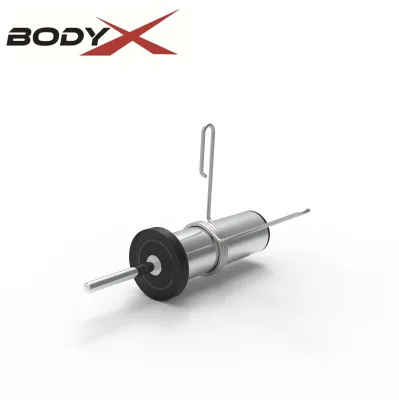
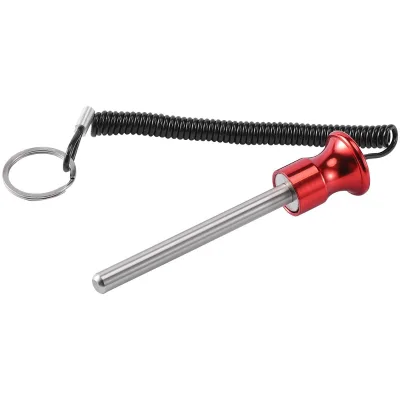


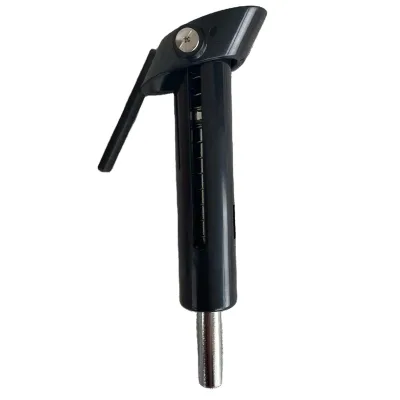
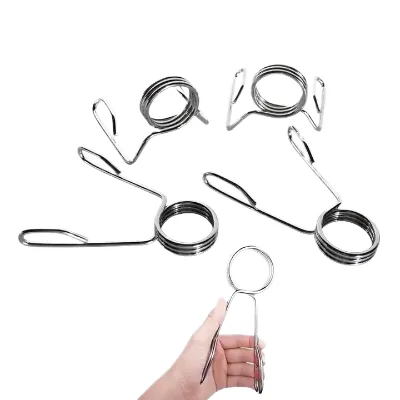


Comprehensive Sourcing Guide
Durable Weight Stack Pin Sourcing Guide
Procuring reliable weight stack pins requires a disciplined approach to material selection and dimensional verification. These components are critical for the structural integrity of commercial and home gym equipment, serving as the primary locking mechanism for resistance adjustments. Buyers must prioritize pins that offer high tensile strength and resistance to wear, ensuring consistent performance under heavy, repetitive use. The selection process begins with identifying the specific load requirements and mechanical interface of the target machinery.
Sourcing decisions should be grounded in observable product attributes rather than marketing claims. Current market listings indicate a wide variance in material composition, ranging from aluminum and steel to plastic and polypropylene variants. This diversity necessitates careful evaluation of each supplier’s technical data sheets. Procurement teams must verify that the chosen pin material aligns with the expected operational environment, particularly regarding corrosion resistance and fatigue life, to prevent premature failure in high-traffic fitness facilities.
Product Scope and Observed Listing Signals
The current market for weight stack extender pins and related gym hardware exhibits significant variability in specifications and packaging. Observed listings reveal products with model numbers such as CLDL002 and GF 233, indicating a fragmented supplier base with distinct product lines. Buyers should note that attributes like "Anti-Slip" and "Portable" are frequently cited, yet these features must be cross-referenced with physical samples to ensure they meet actual functional requirements. The presence of customized logo options suggests that many manufacturers are open to OEM partnerships, which can be advantageous for branded equipment manufacturers.
Packaging and logistical details also vary widely across suppliers, impacting total landed costs. Some listings specify polybag and carton packaging with single package sizes around 20x10x10 cm, while others describe more complex packing methods involving wooden cases for larger shipments. Gross weights range from 2.000 kg to 30.000 kg per unit, reflecting differences in material density and design. These logistical factors are crucial for calculating freight costs and warehouse storage requirements, making it essential to clarify packaging details before finalizing any purchase agreement.
Technical Specifications to Verify
Dimensional accuracy is paramount when selecting weight stack pins, as even minor deviations can cause binding or slippage in the weight stack. Buyers must verify critical dimensions such as tube sizes, which may be specified as 10/8MM, and overall pin lengths. The observed size range of 10100mm to 255*5 CM highlights the need for precise matching with existing equipment frames. It is advisable to request detailed engineering drawings or CAD files from suppliers to ensure compatibility with the specific loader or machine model being serviced.
Material composition directly influences the durability and lifespan of the pin. While some products are constructed from steel for maximum strength, others utilize aluminum or plastic to reduce weight or cost. Buyers should assess the trade-offs between these materials based on their specific application needs. For instance, steel pins offer superior load-bearing capacity, whereas aluminum may be preferred for portable or lightweight equipment. Verifying the exact alloy or grade of metal used can provide insights into the pin’s resistance to bending and deformation under stress.
Compliance and Safety Documentation
Safety compliance is non-negotiable for gym equipment components, particularly those involved in load-bearing mechanisms. Buyers should request documentation that confirms the pins meet relevant international safety standards for fitness equipment. Although specific certification statuses are not always listed in initial product descriptions, suppliers should be able to provide test reports or compliance certificates upon request. This documentation ensures that the components have undergone rigorous testing for structural integrity and user safety.
Additionally, buyers must verify that the materials used in the pins are free from harmful substances, adhering to environmental and health regulations. This is particularly important for products intended for commercial use in public gyms. Suppliers should be transparent about their manufacturing processes and material sourcing. Requesting material safety data sheets (MSDS) can help ensure that the pins do not pose any health risks to users or maintenance staff, thereby protecting the brand reputation of the equipment manufacturer.
Cost Drivers and Commercial Terms
Pricing for weight stack pins is influenced by several factors, including material costs, manufacturing complexity, and order volume. Observed price ranges vary significantly, reflecting differences in quality and supplier positioning. Buyers should analyze the cost structure to understand what drives the price, such as the inclusion of custom logos or specialized packaging. It is important to request detailed quotations that break down unit costs, tooling fees, and shipping charges to avoid hidden expenses.
Minimum order quantities (MOQs) also play a crucial role in total procurement costs. Listings show MOQs ranging from 10 pieces to 20,000 pieces, offering flexibility for both small-scale repairs and large-scale production runs. Buyers should align their order quantities with their inventory management strategies to minimize holding costs. Negotiating favorable terms, such as reduced MOQs for first-time orders or volume discounts, can significantly improve the overall cost-effectiveness of the procurement process.
Supplier Qualification and Quality Control
Evaluating supplier qualifications is essential to ensure consistent product quality and reliable delivery. Buyers should assess the supplier’s production capabilities, including their supply ability, which may be listed as 600 sets per month for certain products. This information helps determine if the supplier can meet your demand without compromising quality. Additionally, verifying the supplier’s experience in the fitness equipment industry can provide confidence in their understanding of product requirements and market standards.
Quality control measures should be clearly defined and agreed upon before placing orders. Buyers should inquire about the supplier’s inspection processes, including pre-shipment inspections and quality assurance protocols. Requesting samples is a critical step in this process, allowing buyers to physically assess the product’s build quality, finish, and functionality. Establishing a clear quality standard and communication channel with the supplier can help prevent defects and ensure that delivered products meet your specifications.
Long-Term Procurement Checks
Establishing a long-term relationship with a reliable supplier requires ongoing monitoring and evaluation. Buyers should regularly review supplier performance metrics, such as delivery times, which may range from 7 to 30 days depending on the product and order size. Consistent on-time delivery is crucial for maintaining production schedules and meeting customer demands. Any deviations from agreed-upon lead times should be investigated and addressed promptly to prevent disruptions.
Continuous improvement and feedback loops are also vital for long-term success. Buyers should provide constructive feedback to suppliers regarding product performance and any issues encountered during use. This collaboration can lead to product improvements and stronger supplier relationships. Additionally, staying informed about industry trends and technological advancements can help buyers identify new opportunities for cost savings or performance enhancements in their weight stack pin procurement strategy.
FAQs
What materials are used for durable weight stack pins?
Durable weight stack pins are typically manufactured from high-grade steel or aluminum to ensure structural integrity under heavy loads. Some variants incorporate plastic components for specific friction or weight requirements. The choice of material directly impacts the pin's longevity and resistance to wear during intense gym exercise routines.
Can I customize the logo on these gym equipment pins?
Yes, customized logos are available for these gym equipment pins. Suppliers often offer laser printing services to apply your brand identity directly onto the metal or plastic surface. This customization option allows businesses to brand their fitness equipment effectively while maintaining the functional durability required for commercial and home gym applications.
What is the typical delivery time for these pins?
The typical delivery time for these pins ranges from 7 to 30 days depending on order volume and production schedules. Suppliers generally confirm this lead time after order confirmation. Buyers should account for this window when planning inventory replenishment to ensure continuous availability of essential gym equipment components for their customers.
What is the minimum order quantity for these pins?
The minimum order quantity varies, with some suppliers requiring as few as 10 pieces while others set the threshold at 100 pieces. This flexibility allows buyers to test market demand with smaller initial orders. Larger quantities may unlock better pricing tiers, making it essential to evaluate your specific procurement needs against supplier MOQs.
How are these pins packaged for shipping?
These pins are typically packaged in polybags individually, then placed into cartons for bulk protection. Some suppliers use wooden cases for larger shipments to ensure safety during transit. The packaging is designed to prevent damage and corrosion, ensuring the pins arrive in pristine condition ready for immediate installation into weight stack machines.
Are these pins suitable for commercial gym use?
Yes, these pins are explicitly designed for commercial applications where high usage frequency demands robust construction. Features like anti-slip surfaces and heavy-duty materials ensure they withstand rigorous daily use. Their universal applicability makes them a reliable choice for fitness centers seeking durable components that maintain performance and safety standards over time.