Source Dustproof Cup Resin Incense Burner for Home Hotel Office
Compare 30 listings for the Dustproof Cup Resin Incense Burner from verified Chinese manufacturers. Buyers can evaluate resin materials, scents like sandalwood, and MOQs ranging from 2 to 500 pieces for home, hotel, and office use.
Key considerations
Products List
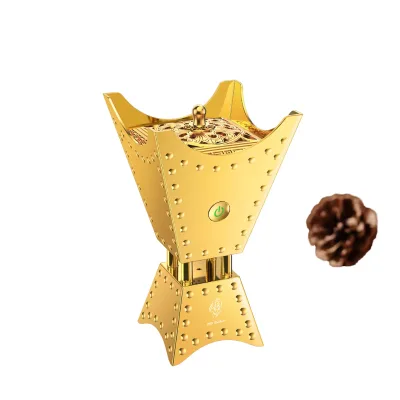
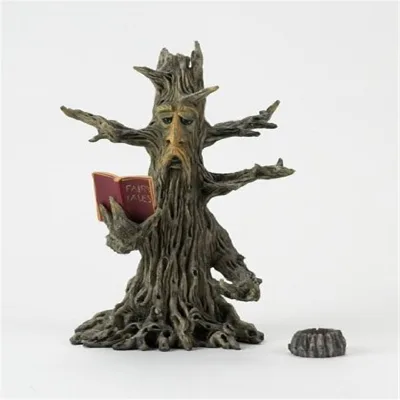
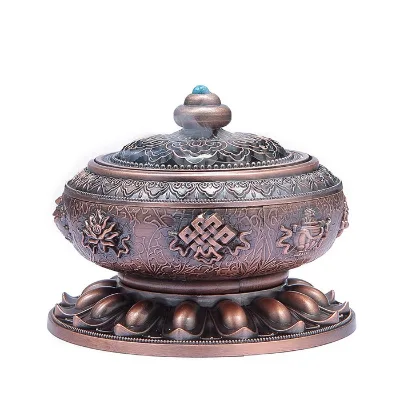
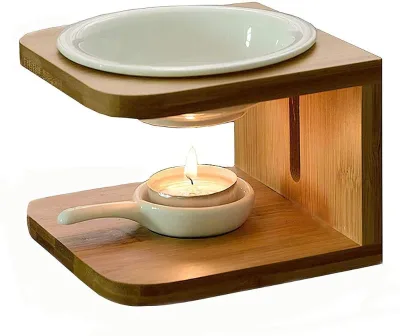
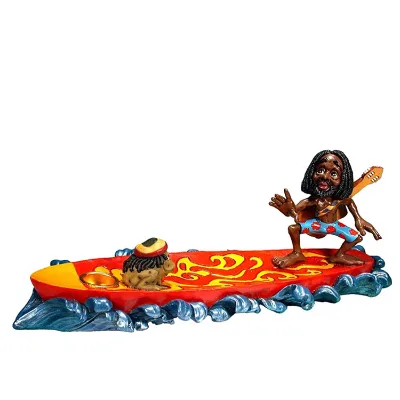
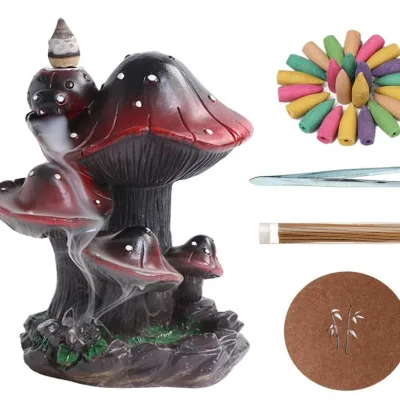
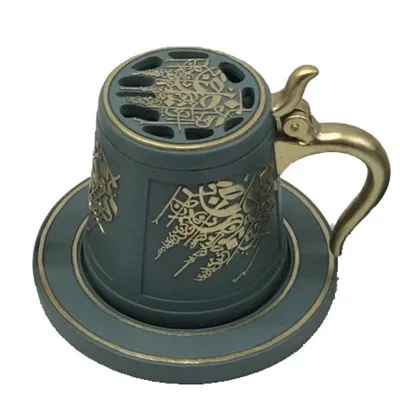
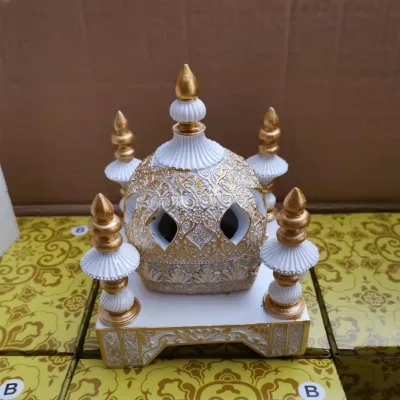
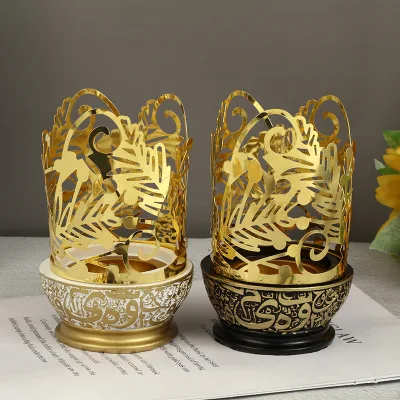
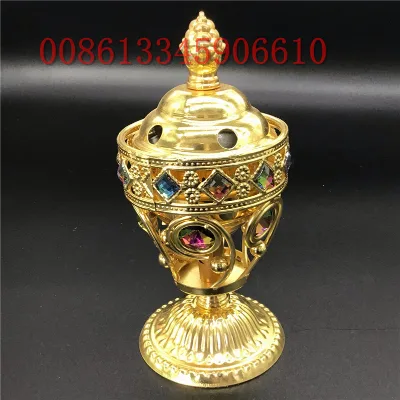
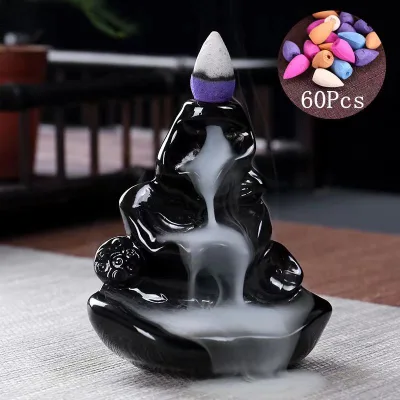
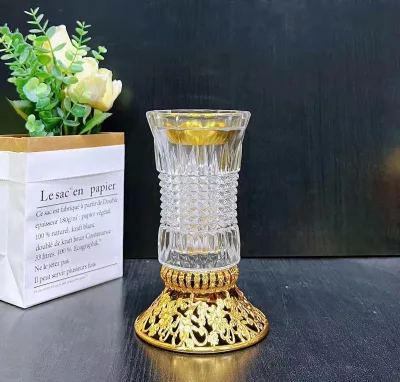




Comprehensive Sourcing Guide
Dustproof Cup Resin Incense Burner Sourcing Guide
Sourcing dustproof cup resin incense burners requires a nuanced understanding of material properties, aesthetic versatility, and commercial logistics. These items serve as functional home fragrance accessories, designed to hold incense sticks or cones while containing ash and preventing wind from extinguishing the flame. The "dustproof" aspect often refers to the cup design, which minimizes ash scatter and protects the underlying surface, while the resin construction offers durability and moldability for intricate designs. Buyers must navigate a market where aesthetic variations, such as Arabic or Mid-east styles, coexist with functional requirements like heat resistance and ease of cleaning.
The procurement landscape for these goods is characterized by a wide range of supplier capabilities, from small workshops producing handcrafted pieces to larger factories with high daily output capacities. Observed market data indicates a significant variance in minimum order quantities (MOQs), ranging from as low as 2 pieces for sample testing to 500 pieces for bulk production runs. This flexibility allows buyers of all sizes to enter the market, but it also necessitates careful evaluation of supplier reliability. Understanding the interplay between material quality, design complexity, and production volume is essential for securing a supply chain that meets both aesthetic and operational standards.
Product Scope and Observed Listing Signals
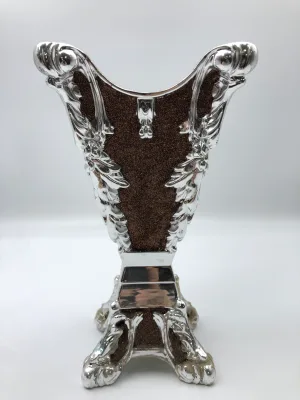
The product scope for resin incense burners encompasses a variety of styles, including cup-shaped designs, Arabic-inspired motifs, and Mid-eastern aesthetics. Materials are predominantly resin, though some listings indicate metal construction, suggesting a diverse market segment. Colors range from solid options like black, burgundy, and brown to mixed color variations and light green, allowing for broad interior design integration. Scents are not inherent to the burner itself but are associated with the aromatic products used, with common associations including sandalwood, clary sage, and other generic aromatic profiles.
Listing signals reveal significant variation in packaging and branding. Some suppliers offer individual color boxes or white boxes, while others provide bulk carton packing with specific dimensions and weights, such as 19.5kg per carton containing 48 pieces. Brand names observed include Gold Home, PY, and Cloud home, indicating a mix of private label and branded opportunities. The presence of customized logo acceptance suggests that many suppliers are open to OEM services, which is a critical factor for buyers looking to establish a unique brand identity in the home fragrance sector.
Technical Specifications to Verify
Verifying technical specifications is crucial to ensure the product meets functional and aesthetic expectations. Key attributes to confirm include the material composition, with resin being the primary choice for its durability and moldability. Buyers should verify the shape, particularly the cup design, which is essential for containing ash and ensuring stability. The technique used, often manual, can impact the consistency and quality of the final product, so understanding the production process is vital for assessing quality control needs.
Model numbers and sizes vary significantly across suppliers, with codes like GH-002, 003, and yxgyp indicating different product lines. Buyers must clarify the exact dimensions and volume of the incense burner to ensure compatibility with the incense sticks or cones they intend to use. Additionally, the plug type is noted as "no," confirming that these are non-electric, passive devices. Understanding these technical details helps in selecting the right product for specific use cases, whether for home, hotel, office, or restaurant environments.
Compliance and Safety Documentation
While specific certification statuses are not provided in the observed data, buyers must proactively request compliance documentation to ensure product safety and regulatory adherence. Resin products should be verified for non-toxicity and heat resistance, especially since they are used in close proximity to burning incense. Buyers should inquire about any relevant material safety data sheets (MSDS) or test reports that confirm the resin does not release harmful fumes when exposed to heat.
Documentation should also cover packaging compliance, particularly if the products are being exported to regions with strict packaging waste regulations. The use of OPP bags, gift boxes, and carton packing must align with local recycling and labeling requirements. Buyers should verify that the supplier can provide necessary documentation for customs clearance, including accurate material declarations and origin certificates, to avoid delays or penalties in the destination market.
Cost Drivers and Commercial Terms
Cost drivers for resin incense burners include material costs, labor intensity, and packaging complexity. The manual technique used in production can increase labor costs, particularly for intricate designs. Packaging options, such as individual gift boxes versus bulk carton packing, also impact the final price. Buyers should note the observed price range of $0.66 to $14.99, which reflects the wide variation in quality, design, and packaging sophistication.
Commercial terms vary significantly, with MOQs ranging from 2 to 500 pieces. Payment methods include PayPal, Western Union, TT, and Alipay, offering flexibility for different transaction sizes. Supply ability is noted as 5000 pieces per day for some suppliers, indicating high-volume capacity. Buyers should negotiate terms that align with their inventory needs, considering factors like sample times, which are observed to be around 5 days, and port of dispatch options such as Ningbo, Shanghai, Guangzhou, and Yiwu.
Supplier Qualification and Quality Control
Supplier qualification involves assessing production capabilities, quality control processes, and reliability. Buyers should verify the supplier's place of origin, with Zhejiang, China, being a common hub for these products. The ability to produce 5000 pieces per day suggests a robust manufacturing infrastructure, but buyers should also evaluate the consistency of manual production techniques. Requesting samples is a critical step to assess material quality, color accuracy, and overall craftsmanship.
Quality control measures should include checks for defects in the resin molding, such as cracks, bubbles, or uneven surfaces. Buyers should establish clear acceptance criteria for color variations, especially in mixed-color products. Communication with the supplier regarding customization options, such as logo printing, should be documented to ensure that branding requirements are met. Regular audits or third-party inspections may be necessary for large orders to maintain consistent quality standards.
Long-Term Procurement Checks
Long-term procurement success depends on building a sustainable relationship with reliable suppliers. Buyers should monitor supplier performance over time, tracking metrics like on-time delivery, product consistency, and responsiveness to issues. The ability to customize logos and offer various packaging options adds value, but buyers should ensure that these services remain consistent as order volumes grow.
Market trends in home fragrance and interior design should be monitored to anticipate changes in demand for specific styles, colors, or materials. Suppliers with a regional feature like Arabic or Mid-east designs may offer unique opportunities for niche markets. Buyers should also stay informed about changes in shipping costs, port congestion, and regulatory requirements that could impact the supply chain. Regular review of commercial terms and quality standards will help maintain a competitive and efficient procurement process.
FAQs
What materials are used in these dustproof cup resin incense burners?
The burners are made of resin, with some metal variants also available in the category. Resin allows manual shaping into cup designs and holds color well, including black, burgundy, brown, and light green finishes. Resin is durable for all-season home use, but it should be kept away from direct high heat and cleaned with a soft dry cloth.
Can I order a custom logo on the resin incense burners?
Yes, customized logo printing is accepted on these incense burners. You typically provide your artwork in vector format, and the supplier confirms the printing method and placement before sampling. Sample production takes around five days, so plan logo approval and bulk production schedules accordingly, especially if packaging boxes also need branding.
What is the minimum order quantity for these incense burners?
Minimum order quantities vary by listing, ranging from as low as 2 pieces to 500 pieces, with common tiers of 40, 48, and 240 pieces per order. Lower MOQs usually suit trial orders or retail testing, while higher MOQs apply to branded or boxed production runs. Confirm the exact MOQ with the supplier before placing a sample order.
How are the incense burners packed for shipping?
Packaging options include opp bags with gift boxes, color boxes, white boxes, and carton packing. One documented configuration packs 48 pieces per carton at 19.5 kilograms and 0.1 cubic meters. Single-item selling is supported, and gift box packaging is common for retail, so confirm which packing style applies to your chosen model.
What scents or fragrances suit these cup-shaped resin burners?
Sandalwood is the most commonly listed scent for these burners, with clary sage and other aromatic fragrances also used. The cup shape holds resin pieces or incense granules while limiting dust spread. Because resin can warm near heat sources, place burning material on a metal insert or safe lining and keep the burner on a stable, heat-resistant surface.
Which ports handle dispatch and what are the payment options?
Dispatch is handled through Ningbo, Shanghai, Guangzhou, and Yiwu ports, all close to the Zhejiang production base. Accepted payment methods include PayPal, Western Union, TT bank transfer, and Alipay. For larger orders, TT with a deposit balance is typical, while PayPal and Alipay suit samples and small trial quantities. Confirm terms with the supplier before ordering.
How large is the production capacity for these incense burners?
One documented supplier lists a supply ability of 5,000 pieces per day, which supports both small MOQ trial orders and large repeat volumes. Actual capacity depends on the specific model, manual technique steps, and season. During peak gifting periods, confirm production slots early and align delivery schedules with your requested port and shipping method.
Where do these resin incense burners ship from?
The burners are produced in Zhejiang, China, with dispatch available through Ningbo, Shanghai, Guangzhou, and Yiwu ports. Yiwu is convenient for mixed small-volume cargo, while Ningbo and Shanghai handle larger container shipments efficiently. Many designs carry a Middle Eastern regional style, so confirm style, size, and color requirements with the supplier before production.