Source E0 Level Wood RV Body for campers, trailers, and caravans
Compare 30 listings for E0 Level Wood RV Body options featuring custom styles, embedded frames, and vacuum bonding processes. Buyers can evaluate materials like fiberglass and aluminum alongside wooden structures for modular travel trailers and camping units.
Key considerations
Products List


Thermal Break Composite Panel RV Body for Extreme Cold Climate Overland Travel
$700.00 - $8000.00
MOQ: 1 Pieces

High Thermal Insulation Aluminum RV Body for Extreme Weather Overland Travel
$700.00 - $8000.00
MOQ: 1 Pieces


Zero Thermal Bridge Composite RV Body for Extreme Temperature Wilderness Expeditions
$700.00 - $8000.00
MOQ: 1 Pieces

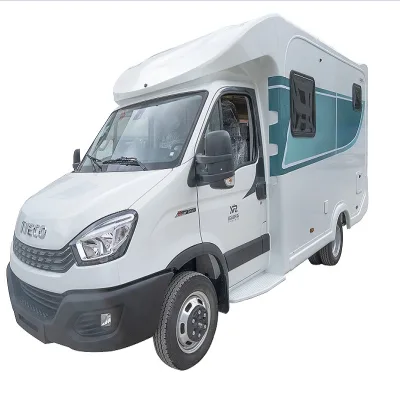
Factory Price Customized Caravan RV Motorhomes Camper Truck RV Body for Sale
$20000.00 - $21666.00
MOQ: 1 pieces
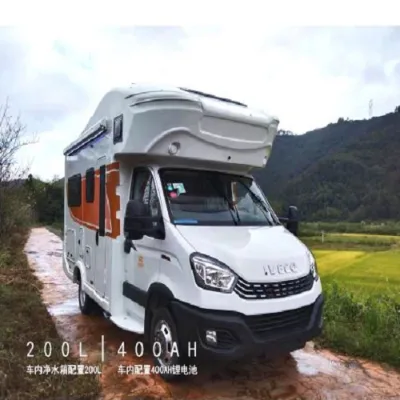
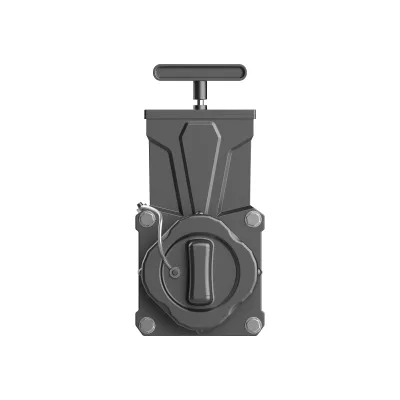
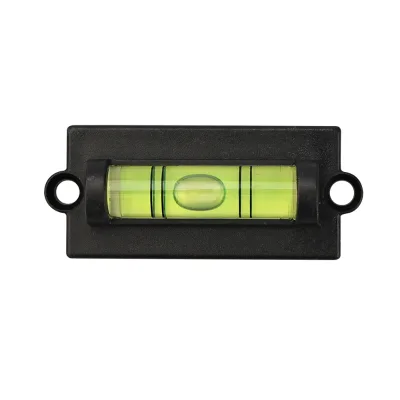


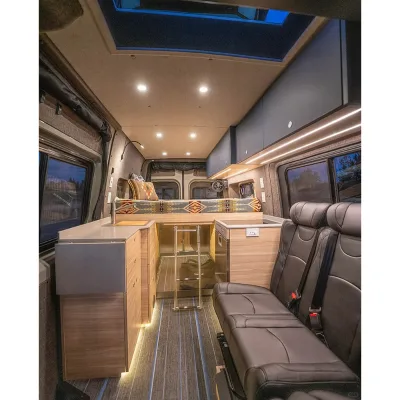

Comprehensive Sourcing Guide
Strategic Sourcing Guide for E0 Level Wood RV Bodies
Understanding the Material Profile and E0 Standards
When sourcing an RV body constructed with wood components, the primary technical differentiator for buyers is the formaldehyde emission rating. The core keyword "E0 level" refers to a specific Japanese Industrial Standard (JIS) that defines the maximum allowable formaldehyde emission from wood-based panels. In the context of recreational vehicles, where interior air quality is critical due to confined spaces and variable ventilation, verifying this standard is not merely a preference but a fundamental health and safety requirement. The E0 standard typically mandates formaldehyde emissions of 0.5 mg/L or lower, a threshold significantly stricter than the general E1 standard often found in standard construction lumber.
Buyers must recognize that "wood" in the RV industry rarely refers to raw timber alone. The supplied product data indicates that materials often include "wooden" frames combined with advanced composites like "Fiberglass/Aluminum/Steel/Cfrt/Carbon Fiber." This hybrid approach suggests that the wood component is likely used for structural framing, cabinetry, or interior paneling, while the exterior shell utilizes composite materials for weather resistance. The E0 certification specifically applies to the resin-bonded wood products, such as plywood or particle board, used within the interior structure. When evaluating a supplier, the buyer must request the specific test report for the wood panels used, ensuring the emission levels align with the E0 definition rather than a generic "low emission" claim.
Technical Specifications and Structural Integration
The structural integrity of an RV body relies heavily on the synergy between the wood frame and the outer shell. The observed product attributes highlight a "Non-Bearing Body" structure with an "Embedded Aluminum/Iron/Wood Frame." This configuration implies that the wood serves as a critical internal skeleton or substrate, providing rigidity and mounting points for fixtures, while the external load-bearing duties are shared with aluminum or steel elements. The "One-Piece Vacuum Negative Pressure Bonding" process mentioned in the data is particularly relevant for wood-composite hybrids. This manufacturing technique ensures that the wood core is bonded to the outer skin under high pressure, eliminating air pockets and enhancing the thermal and acoustic insulation properties of the unit.
Thermal performance is another critical specification. The data notes a thermal conductivity of ≤ 0.38 W/(M²·K), a value that indicates a high level of insulation. Wood, when treated and bonded correctly, contributes significantly to this metric by acting as a thermal break. However, the buyer must verify that the E0-rated wood panels are compatible with the vacuum bonding process. Some wood composites may release volatiles under high heat and pressure, potentially compromising the bond or the E0 rating if the resin system is not stable. The "High Pressure by Vacuum Tech" production method suggests a robust manufacturing environment, but the specific wood species and resin type must be confirmed to ensure they do not degrade under these conditions.
Compliance, Certification, and Verification Protocols
Navigating the compliance landscape for E0 wood in RVs requires a rigorous verification protocol. While the product data lists "Customization" as a standard and mentions "Internation Patented Technology," it does not explicitly list third-party certifications like CARB Phase 2 or EPA TSCA Title VI, which are common in the North American and European markets. Therefore, the buyer cannot assume compliance based on the keyword alone. The procurement strategy must involve a direct request for the specific test reports from accredited laboratories. These reports should explicitly state the emission value in mg/L or ppm and confirm the E0 classification.
Furthermore, the "Custom Style" and "Customized" nature of the products mean that compliance is not a one-time event but a continuous requirement for every production batch. The "Customization" attribute implies that the wood composition can vary based on client requirements. If a buyer requests a specific wood type, the E0 rating must be re-verified for that specific material. The supplier's ability to provide "Customization" in terms of materials must be balanced with their ability to maintain consistent certification. Buyers should also check if the "Galvanised" chassis and other metal components interact chemically with the wood, as moisture migration from the metal could affect the wood's dimensional stability and potentially alter emission rates over time.
Cost Drivers and Economic Factors
The cost of an E0 Level Wood RV Body is influenced by several distinct factors beyond the raw material price. The primary driver is the specialized resin system required to achieve the E0 standard. Formaldehyde-free or ultra-low-emission resins are significantly more expensive than standard urea-formaldehyde resins used in E1 or E2 products. Additionally, the "One-Piece Vacuum Negative Pressure Bonding" process requires specialized equipment and energy-intensive operations, which adds to the manufacturing overhead. The "High Pressure" forming process also necessitates robust tooling and precise quality control, further impacting the unit cost.
The "Supply Ability" of 100 pieces per month observed in the data suggests a production scale that may limit economies of scale for very large orders. If a buyer requires a volume exceeding this monthly capacity, the lead time and unit cost may increase due to the need for production scheduling or additional shifts. The "Customized" nature of the product also means that tooling costs for unique designs are often amortized over the order quantity. For smaller orders, the per-unit cost will be higher. Buyers should also consider the "Container Loading Capacity" of "Flat-Packed CKD" (Completely Knocked Down). Flat-packing reduces shipping volume and freight costs but increases the complexity of on-site assembly, which can affect the total landed cost depending on the labor rates at the destination.
Typical Applications and Functional Requirements
The functional requirements for an E0 wood RV body are dictated by its intended use cases. The data identifies the product as suitable for "Outdoor Camping" and "Modular Travel Trailer Home" applications, with a "Sleeping Capacity" of 2-4 people. In these environments, the interior air quality is paramount. Unlike a stationary home where air exchange is more frequent, an RV is a sealed environment that can trap pollutants. The E0 wood ensures that the interior remains safe for prolonged occupancy, particularly for families with children or individuals with respiratory sensitivities.
The "Slide-out Stainless Steel 304" kitchen and "Heavy Duty 2* Independent Suspension" indicate that these units are designed for active, mobile lifestyles. The wood components must withstand vibration and movement without delaminating or releasing trapped gases due to mechanical stress. The "Stability & Consistency" attribute mentioned in the data suggests that the wood composite is engineered to resist warping and swelling, which is crucial for maintaining the seal of the RV body during travel. The "Light Weight" feature is also essential for fuel efficiency and payload capacity, especially given the "Max Payload" is "Customizable." The density of the E0 wood panels must be optimized to balance structural strength with weight reduction.
Supplier Evaluation and Quality Control
Evaluating a supplier for E0 wood RV bodies requires a focus on their manufacturing consistency and quality control infrastructure. The "Internation Patented Technology" claim is a positive indicator, but it must be substantiated with evidence of how this technology specifically controls formaldehyde emissions. Buyers should audit the supplier's facility to verify the "One-Piece Vacuum Negative Pressure Bonding" process. This process is critical; if the vacuum pressure is not maintained consistently, the bond between the wood and the composite skin may fail, leading to moisture ingress and potential mold growth, which can degrade the wood and alter emission profiles.
Quality control should extend to the raw material intake. The supplier must have a system to verify the E0 certification of every batch of wood panels received. The "Customization" capability means that the supplier must have the flexibility to source different wood types while maintaining the E0 standard. Buyers should also review the "Production: Formed at High Pressure by Vacuum Tech" parameters to ensure they are within the optimal range for the specific wood-resin combination. The "Stability & Consistency" attribute should be backed by statistical process control data, showing that the final product meets the thermal and structural specifications consistently across different batches.
Long-Term Procurement and Lifecycle Considerations
Long-term procurement strategies for E0 wood RV bodies must account for the lifecycle of the vehicle and the durability of the materials. The "Durability" attribute of "Stability & Consistency" suggests that the product is designed for longevity, but the buyer must understand the maintenance requirements of wood-composite hybrids. While the "Painted" surface treatment and "Galvanised" chassis provide external protection, the internal wood components require monitoring for moisture damage, especially in humid camping environments. The "Easy and Unique" installation method implies a design that facilitates maintenance, but the buyer should verify the accessibility of the wood components for inspection and repair.
The "Container Shipping" and "Flat-Packed CKD" options offer logistical advantages but also introduce risks during the assembly phase. If the wood components are exposed to moisture during transit or storage before assembly, the E0 rating could be compromised if the wood absorbs water and the resin system is not fully cured. Buyers should establish clear storage protocols for the flat-packed components to ensure they remain dry until the final assembly. Additionally, the "Custom Style" and "Customized" nature of the product means that spare parts for the wood components may not be readily available off-the-shelf. Procurement contracts should include provisions for long-term supply of replacement wood panels or composite skins to ensure the vehicle can be maintained over its full service life without relying on discontinued materials.
Comparative Analysis of Material and Process Options
To assist in decision-making, the following table compares the key attributes of the observed product configurations against standard industry expectations for wood-based RV bodies.
| Attribute | Observed Product Data | Standard Industry Expectation | Implication for Buyer |
|---|---|---|---|
| Material Composition | Wooden frame + Fiberglass/Aluminum/Steel | Solid wood or pure composite | Hybrid offers better weight/strength balance; verify wood resin type. |
| Emission Standard | E0 Level (Implied by keyword) | E1 or E0 depending on region | E0 is superior for air quality; requires strict lab testing verification. |
| Bonding Process | One-Piece Vacuum Negative Pressure | Mechanical fastening or glue | Vacuum bonding reduces voids; ensures better thermal and structural integrity. |
| Thermal Conductivity | ≤ 0.38 W/(M²·K) | Variable, often higher in wood-only | Low conductivity indicates excellent insulation; wood contributes significantly. |
| Installation Type | Bolt-on / Embedded Frame | Riveted or Welded | Bolt-on allows for easier disassembly and repair; embedded frame adds rigidity. |
| Customization | Full Customization (Style, Size, Payload) | Limited standard sizes | High flexibility but requires rigorous QC for each unique batch. |
| Origin Location | Hubei, Shandong, Zhejiang, China | Global manufacturing hubs | Chinese manufacturing offers cost advantages; verify logistics and lead times. |
This comparison highlights that while the observed products offer advanced features like vacuum bonding and low thermal conductivity, the buyer must remain vigilant about the specific material specifications. The "Customization" aspect is a double-edged sword, offering tailored solutions but demanding a higher level of oversight to ensure that the E0 standard is maintained across all variations. By focusing on the verification of test reports, the stability of the bonding process, and the long-term maintenance requirements, buyers can effectively source high-quality E0 level wood RV bodies that meet both safety and performance criteria.
FAQs
Can I customize the style and frame of the E0 Level Wood RV Body?
Yes, the product offers fully customized styles and frames including aluminum, iron, or wood. The structure is a non-bearing body with an embedded frame that adapts to specific client requirements while maintaining stability and consistency.
What is the maximum payload capacity for the E0 Level Wood RV Body?
The maximum payload is customizable to meet specific operational needs. This flexibility allows buyers to adjust the load-bearing limits based on the intended use, such as outdoor camping or modular travel trailer applications.
How is the E0 Level Wood RV Body installed on the chassis?
Installation is designed to be easy and unique using a bolt-on method. The unit features a galvanized chassis and heavy-duty independent suspension, ensuring a secure fit without requiring complex welding or structural modifications.
Which materials are used in the construction of the E0 Level Wood RV Body?
Materials include fiberglass, aluminum, steel, carbon fiber, and wooden frames. The construction utilizes one-piece vacuum negative pressure bonding to create a durable shell that integrates wood components with high-strength composites.
What is the thermal conductivity rating of the E0 Level Wood RV Body?
The thermal conductivity is rated at 0.38 W/(M²·K) or lower. This high insulation value is achieved through the vacuum bonding process and the specific combination of materials used in the panel manufacturing.
Can the E0 Level Wood RV Body be shipped in a flat-packed container?
Yes, the product supports flat-packed CKD shipping for container loading. This packaging method reduces volume during transit while allowing for easy assembly at the destination, adhering to user-specific packaging requirements.
What is the supply ability for the E0 Level Wood RV Body?
The supply ability is 100 pieces per month for standard orders. Buyers requiring larger volumes should verify lead times as the production relies on high-pressure vacuum technology and international patented processes.