Source Folding Manual RV Step for Caravan, Trailer, Motorhome
Compare 30 Folding Manual RV Step options from verified suppliers. These units feature aluminum alloy or carbon steel construction, anti-slip surfaces, and manual pull-out designs suitable for caravans, travel trailers, and motorhomes; compare the available evidence and request quotations based on your requirements.
Key considerations
Products List

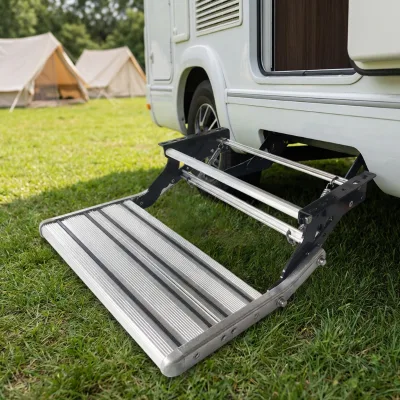
Recreational Vehicle Caravan Manual Triple Step RV Aluminum Folded Steps
$147.00 - $195.00
MOQ: 1 Pieces

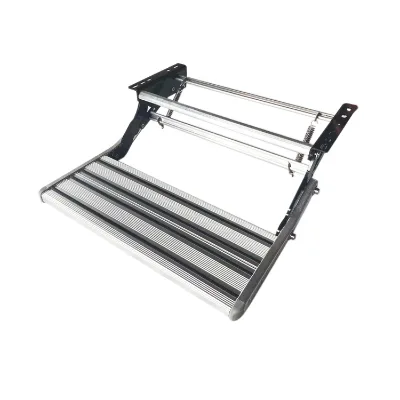
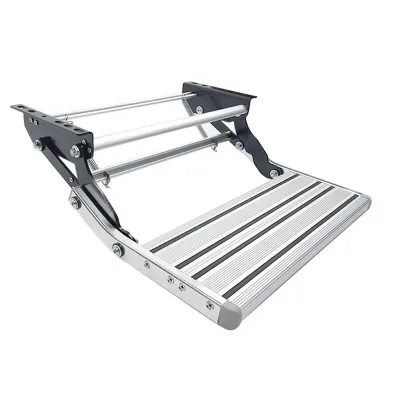
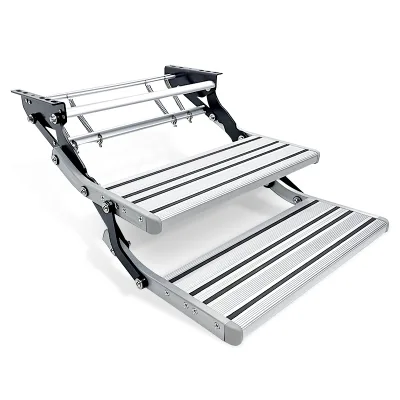
Manual RV Double Step RV Folding Steps with Aluminum Material for Camper
$85.00 - $115.00
MOQ: 1 Pieces


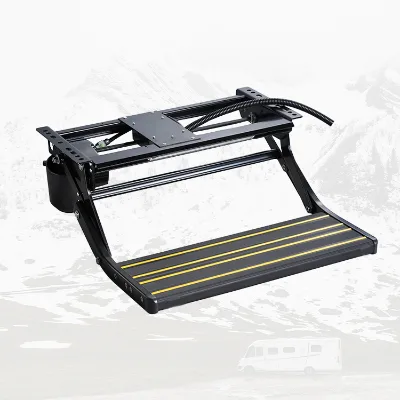
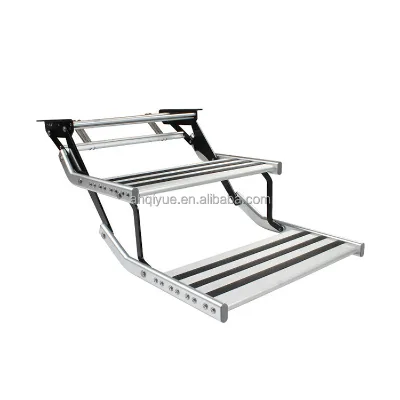
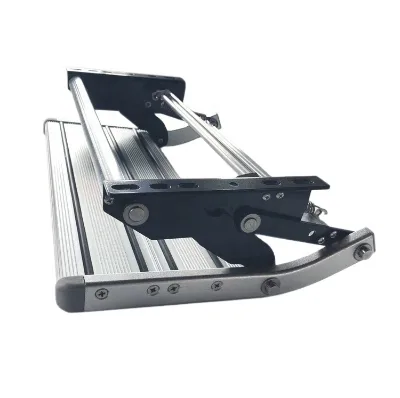
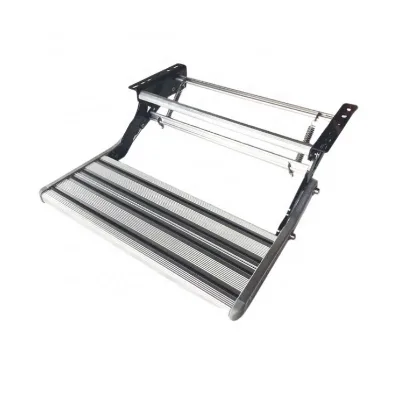



Comprehensive Sourcing Guide
Folding Manual RV Step Sourcing Guide
Procuring folding manual RV steps requires a disciplined approach to aligning mechanical reliability with the specific spatial constraints of recreational vehicles. Buyers must prioritize components that offer robust static load capacity while maintaining a lightweight profile to preserve vehicle fuel efficiency and handling dynamics. The market offers various configurations, including single, double, and triple-step designs, each serving distinct entry and exit needs for motorhomes, caravans, and travel trailers. Understanding these variations is essential for selecting the right hardware that integrates seamlessly with the chassis or stressed members of the vehicle.
This guide focuses on evidence-based sourcing strategies for manual pull-out steps, emphasizing verification of material integrity and installation methods. By examining observed listing signals and technical specifications, procurement teams can mitigate risks associated with premature wear or structural failure. The following sections provide a structured framework for evaluating suppliers, ensuring that selected steps meet rigorous safety standards and operational requirements. This approach helps buyers make informed decisions that balance cost, durability, and functional performance in the competitive RV accessories market.
Product Scope and Observed Listing Signals
The current market for folding manual RV steps presents a diverse range of options, with observed prices ranging from $40 to $560 USD and minimum order quantities varying between one and one hundred units. Listings frequently highlight materials such as aluminum alloy and carbon steel, with some products featuring high-strength non-slip aluminum profiles or iron components. Colors typically include black or silver finishes, often achieved through black anodized and sandblasted surface treatments to enhance corrosion resistance. These visual and material cues provide initial indicators of product quality and intended use cases for off-road camper travel and motorhome applications.
Buyers should note that customization is widely available, with many suppliers offering OEM services and various mold options to suit specific vehicle models. Product models such as MG25RS-MLTB32 and MG16RS appear frequently, indicating standardized designs that can be adapted for different chassis configurations. Some listings specify fixed installation methods, while others suggest connectable options to the chassis or floor. Understanding these signals helps buyers identify products that match their technical requirements, ensuring that the selected steps are compatible with their existing vehicle structures and operational needs.
Technical Specifications to Verify
Verifying technical specifications is critical to ensuring that the selected RV steps can withstand operational stresses without compromising safety. A key parameter to confirm is the maximum static load capacity, which should ideally support up to 200 kg to accommodate adult users and potential additional weight. Buyers must also examine the step panel design, looking for high-strength anti-slip surfaces that provide secure footing in various weather conditions. The open type is typically manual pull-out, requiring careful assessment of the mechanism’s smoothness and durability to prevent jamming or failure during frequent use.
Installation methods vary, with some steps designed for screw fixation directly into the chassis or stressed members, while others may connect to the floor. It is essential to verify the fitting method to ensure compatibility with the vehicle’s structural integrity. Additionally, dimensions such as 555768452mm for certain models should be cross-referenced with the available space on the RV. Buyers should also consider the step style, whether single, double, or triple, to match the height of the vehicle’s entry point. Confirming these details prevents installation issues and ensures optimal functionality.
Compliance and Safety Documentation
Safety documentation is paramount when sourcing RV steps, as these components directly impact user security during entry and exit. Buyers should request evidence that the steps meet relevant structural integrity standards, although specific certification names may vary by region. It is crucial to verify that the materials used, such as aluminum alloy or carbon steel, are sourced from reputable suppliers and undergo appropriate quality checks. The anti-slip design and rounded edges are important safety features that should be validated through product testing or manufacturer declarations to ensure they meet industry expectations for slip resistance and impact protection.
While specific test results are not always publicly listed, buyers should inquire about the manufacturing processes that ensure consistent quality. Surface treatments like black anodizing and sandblasting not only enhance aesthetics but also provide corrosion resistance, which is vital for longevity in outdoor environments. Buyers should also check for any design certifications or patents that might indicate innovative safety features. Ensuring that the steps are designed to handle the specified load capacity without deformation is a key compliance aspect that protects both the user and the vehicle owner from potential liabilities.
Cost Drivers and Commercial Terms
Cost drivers for folding manual RV steps include material selection, manufacturing complexity, and packaging requirements. Aluminum alloy steps tend to be more expensive due to their lightweight and corrosion-resistant properties, while carbon steel or iron options may offer a more budget-friendly alternative. The number of steps, such as single, double, or triple configurations, also influences pricing, with more complex mechanisms commanding higher costs. Packaging methods, ranging from carton boxes to wooden boxes, can affect shipping costs and overall procurement expenses, so buyers should consider these factors when evaluating total landed costs.
Commercial terms such as minimum order quantities and customization options play a significant role in pricing negotiations. Suppliers offering OEM services may provide volume discounts, but buyers should be aware of potential setup fees for custom molds. Lead times can vary based on production schedules and shipping logistics, so it is advisable to clarify these details early in the procurement process. Buyers should also consider the long-term value of the product, weighing initial costs against durability and maintenance requirements to make a cost-effective decision that aligns with their budget and operational needs.
Supplier Qualification and Quality Control
Supplier qualification is a critical step in ensuring the reliability of folding manual RV steps. Buyers should verify the supplier’s manufacturing capabilities, including their experience with aluminum alloy and carbon steel processing. It is important to assess their quality control processes, such as inspections for surface treatment consistency and structural integrity. Suppliers located in regions like Anhui, China, may have established supply chains, but buyers should still conduct due diligence to ensure that the products meet their specific quality standards. Requesting samples or factory audits can provide valuable insights into the supplier’s production practices and quality assurance measures.
Quality control should also extend to the packaging and shipping processes to prevent damage during transit. Buyers should confirm that the packaging, whether carton or wooden box, is designed to protect the steps from impact and environmental factors. It is advisable to establish clear communication channels with the supplier to address any quality issues promptly. Additionally, buyers should inquire about the supplier’s warranty policies and after-sales support to ensure that any defects or failures are handled efficiently. A reliable supplier will provide transparent information about their manufacturing processes and be willing to collaborate on quality improvement initiatives.
Long-Term Procurement Checks
Long-term procurement checks involve monitoring the performance of folding manual RV steps in real-world conditions to ensure sustained reliability. Buyers should track metrics such as the frequency of maintenance, the incidence of mechanical failures, and user feedback on comfort and safety. This data can help identify potential issues with specific models or suppliers, allowing for proactive adjustments in future purchasing decisions. Regularly reviewing the condition of the steps, including the integrity of the anti-slip surfaces and the smoothness of the pull-out mechanism, is essential for maintaining vehicle safety and user satisfaction.
It is also important to stay updated on industry trends and technological advancements in RV step design. Buyers should evaluate whether new materials or manufacturing techniques offer improved performance or cost savings. Engaging with supplier networks and participating in industry forums can provide insights into best practices and emerging standards. By maintaining a proactive approach to procurement, buyers can ensure that their RV steps continue to meet safety and performance requirements over time. This ongoing evaluation helps build a resilient supply chain that supports the long-term success of their RV operations.
FAQs
What is the maximum static load capacity for these RV manual steps?
The maximum static load capacity is 200kg. This rating ensures safe support for users entering and exiting the vehicle. The design incorporates high-strength anti-slip surfaces to maintain stability under weight. This capacity applies to the aluminum alloy and carbon steel models available for off-road camper travel trailers.
How are these manual double steps installed on the chassis?
These steps use screw fixation for installation. They are designed to be fixed directly in the chassis or stressed members. This method ensures a secure and stable connection to the vehicle structure. The fitting method allows for reliable attachment without requiring complex modifications to the RV frame.
Can I customize the color of the Folding Manual RV Step?
Yes, customization is available for these steps. Buyers can choose between black or silver color options. This flexibility allows the step to match the aesthetic of various RV models. The surface treatment includes black anodized and sandblasted finishes for durability and visual appeal.
What materials are used to construct these RV manual steps?
The steps are constructed from aluminum alloy and carbon steel. These materials provide a balance of light weight and corrosion resistance. The high-strength non-slip aluminum profile ensures safety and durability. The design features rounded edges and anti-slip surfaces for enhanced user protection.
Which models are available for triple step configurations?
The MG25RS-TB32/33 and AZT-ALTB31-Manual models are available for triple step configurations. These models offer multiple sizes to choose from. They are suitable for caravans, motorhomes, and travel trailers. The triple step design provides convenient access while maintaining a compact footprint when retracted.
What is the packaging method for these RV manual steps?
The packaging method varies by model. Some models are packed in carton boxes, with one carton per piece. Others are packed in wooden boxes for added protection. This ensures the steps arrive in good condition. The packaging is designed to prevent damage during transit and storage.