Source Earthquake Data Acquisition Server for Monitoring, Analysis, and Control
Compare 11 Earthquake Data Acquisition Server options from verified Chinese manufacturers. Buyers can evaluate dynamic range, accuracy, and storage capacity to select the right system for seismic monitoring, data analysis, and industrial control applications; compare the available evidence and request quotations based on your requirements.
Key considerations
Products List




Comprehensive Sourcing Guide
Earthquake Data Acquisition Server Sourcing Guide
Procuring specialized hardware for seismic monitoring requires a rigorous understanding of signal fidelity and system stability. Buyers must prioritize devices capable of capturing minute ground motions with high dynamic range, ensuring that subtle tremors are not lost in background noise. The selection process involves evaluating the interplay between sensor sensitivity, data conversion precision, and the server’s ability to handle continuous, high-volume data streams without loss.
This guide focuses on the technical and commercial nuances of sourcing earthquake data acquisition servers. It addresses the critical need for verifying specifications such as bandwidth, accuracy, and dynamic range against the specific requirements of the monitoring network. By adhering to evidence-based verification steps, procurement teams can mitigate risks associated with hardware incompatibility and performance shortfalls in critical infrastructure applications.
Product Scope and Observed Listing Signals
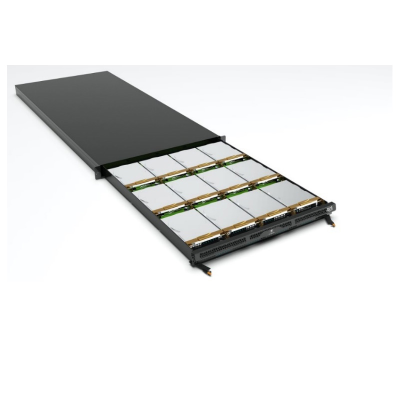
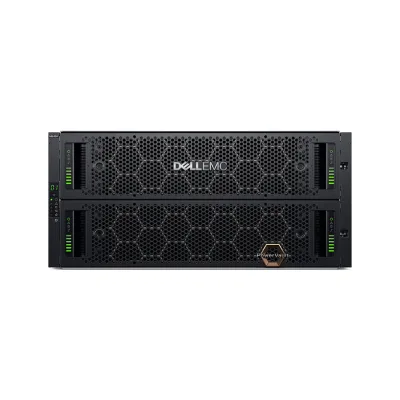
The market for seismic data acquisition systems presents a wide variance in hardware configurations, ranging from compact, portable units to robust, rack-mounted servers. Observed listings indicate a broad price spectrum, reflecting differences in component quality, processing power, and included peripherals. Buyers should note that some units are marketed with specific form factors, such as 1U or 4U rack standards, which directly impact integration into existing data centers or field deployment setups.
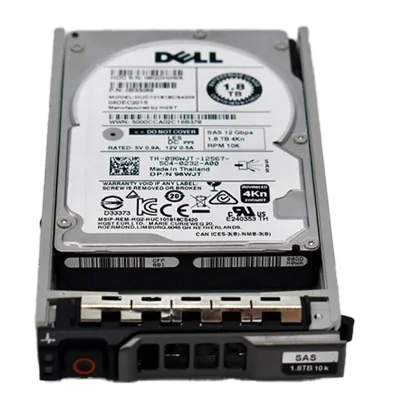
Listing signals also reveal variations in storage and connectivity options, with some servers featuring internal hard disk drives of significant capacity to support long-term data logging. It is essential to distinguish between bare machine weights and fully configured systems, as this affects shipping logistics and installation requirements. Procurement teams must carefully review packing specifications, such as wooden cases or carton boxes, to ensure adequate protection during transit, especially for sensitive electronic components.
Technical Specifications to Verify
Dynamic range is a paramount specification for seismic sensors, with observed values exceeding 144dB and even 150dB in high-end models. Buyers must verify that the selected unit’s dynamic range aligns with the expected amplitude of seismic events in the target region. Additionally, accuracy metrics, such as measurement ranges of ±4G and positional accuracy under 1mm, are critical for ensuring the reliability of recorded data. These parameters directly influence the quality of seismic analysis and subsequent hazard assessments.
Bandwidth capabilities, including DC to 250Hz ranges, determine the frequency spectrum of detectable seismic waves. Procurement teams should confirm that the server’s interface types, such as SAS connections, support the required data throughput for real-time monitoring. It is also vital to check the number of hard disk drives and their individual capacities, as this dictates the local storage duration before data is offloaded to central archives. Verifying these technical details prevents bottlenecks in data acquisition pipelines.
Compliance and Safety Documentation
While specific certification statuses are not universally disclosed in all listings, buyers must ensure that all hardware complies with relevant international safety and electromagnetic compatibility standards. This includes verifying that the equipment meets regulatory requirements for electrical safety, particularly when deployed in diverse environmental conditions. Documentation should confirm that the server’s power supplies and internal components are rated for continuous operation without overheating or failure.
Procurement teams should also assess the environmental resilience of the hardware, especially if the servers are intended for field deployment in remote or harsh locations. This involves reviewing the operating temperature ranges, humidity tolerance, and physical durability of the chassis. Ensuring that the equipment meets these compliance benchmarks reduces the risk of premature failure and ensures consistent data collection during critical seismic events.
Cost Drivers and Commercial Terms
The cost of earthquake data acquisition servers is influenced by several factors, including the complexity of the data conversion circuitry, the quality of the analog-to-digital converters, and the included storage capacity. Listings show a wide price range, indicating that buyers can find options at various budget levels, but must carefully evaluate the feature set to avoid under-specifying critical components. Customization options are available, which can impact the final price and lead time for delivery.
Minimum order quantities (MOQ) vary, with some suppliers offering single-unit purchases while others require bulk orders. Buyers should negotiate clear commercial terms regarding warranty, support, and return policies. It is also important to consider the total cost of ownership, including energy consumption, maintenance, and potential upgrades. Transparent pricing and flexible MOQs can facilitate easier integration into phased procurement projects.
Supplier Qualification and Quality Control
Verifying the supplier’s origin and manufacturing capabilities is crucial for ensuring product reliability. Many listed products originate from established manufacturing hubs in China, such as Beijing and Zhejiang, which are known for their electronics production expertise. Buyers should request detailed information about the supplier’s quality control processes, including testing protocols for dynamic range, accuracy, and long-term stability.
It is advisable to assess the supplier’s track record in providing seismic or industrial data acquisition equipment. Checking for private mold capabilities or proprietary designs can indicate a supplier’s ability to offer customized solutions. Additionally, verifying the product status, whether stock or made-to-order, helps in planning procurement timelines. Engaging with suppliers who provide comprehensive technical support and documentation enhances the overall procurement experience.
Long-Term Procurement Checks
Establishing a framework for long-term performance monitoring is essential for maintaining the integrity of seismic data networks. Buyers should implement regular calibration checks and performance audits to ensure that the servers continue to meet specified accuracy and dynamic range standards over time. This includes verifying the health of storage components, such as hard disk drives, to prevent data loss due to hardware failure.
Procurement teams should also plan for future scalability and compatibility with evolving seismic monitoring technologies. This involves assessing the server’s upgrade paths, such as additional storage or processing capabilities, and ensuring that software updates are supported. By maintaining a proactive approach to maintenance and upgrades, organizations can ensure the continuous reliability and accuracy of their earthquake data acquisition systems.
FAQs
What customization options are available for earthquake data acquisition servers?
Customization is available for these earthquake data acquisition servers to meet specific project needs. Buyers can request tailored configurations while ensuring the core dynamic range exceeds 144 decibels for high-fidelity seismic monitoring applications.
Which models offer a dynamic range greater than 150 decibels?
Specific models in this category offer a dynamic range exceeding 150 decibels for superior signal capture. These units are designed to handle wide amplitude variations, ensuring accurate data recording during significant seismic events without distortion.
How heavy is the bare machine for portable earthquake data acquisition units?
The bare machine weight varies by model, with some units weighing as little as 2 kilograms for portability. Other configurations may weigh up to 8 kilograms, balancing durability with ease of transport for field deployment scenarios.
What is the measurement range for the acceleration sensors in these servers?
The measurement range for the acceleration sensors is typically plus or minus 4G. This specification ensures the device can accurately capture both minor tremors and stronger ground motions within the expected operational limits of seismic monitoring.
Can these earthquake data acquisition servers be sourced from Beijing, China?
Yes, several units originate from Beijing, China, offering direct access to regional manufacturing capabilities. Buyers can also find products from Zhejiang, China, providing multiple sourcing options for different logistical and supply chain requirements.
What packaging types are used for shipping earthquake data acquisition servers?
Products are shipped in wooden cases or carton boxes to ensure safe transit. Some specific models utilize standard cartons, while others require robust wooden packaging to protect sensitive electronic components during international shipping.
Which server models support internal hard disk storage up to 6TB?
Certain server models support internal hard disk storage up to 6TB for extensive data logging. These units are designed for continuous operation, ensuring sufficient capacity to store long-term seismic records without frequent data offloading.
What is the standard dimension for the Earthquake Data Acquisition Server chassis?
Standard dimensions vary by model, with some units measuring 120 mm by 120 mm by 65 mm. Larger rack-mounted servers may reach 500 mm by 448 mm by 177 mm to accommodate additional processing and storage hardware.