Source Earthquake Resistant Living Room Furniture for Hotels, Homes, and Resorts
Explore 30 listings of Earthquake Resistant Living Room Furniture suitable for hotels, homes, and resorts. Buyers can compare modern styles, genuine leather and wood materials, and various dimensions to find durable seating solutions for general purpose use.
Key considerations
Products List


Home Furniture Living Room Sofa Living Room Sofa for Hotels and Home Living Rooms
$835.00 - $1039.00
MOQ: 1 Pieces

Living Room Sofa Home Furniture Living Room Furniture Luxury Modern Sofas
$876.00 - $1322.00
MOQ: 1 Pieces


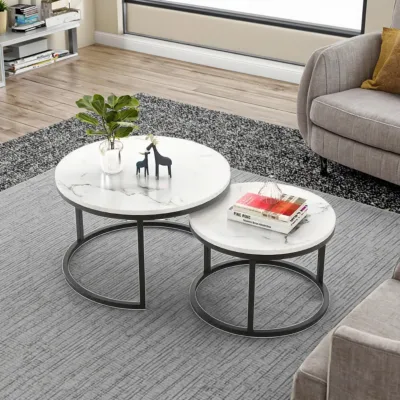


Breathable Custom Modern Home Living Room Furniture for Unfurnished House
$399.00 - $599.00
MOQ: 1 Pieces


Comprehensive Sourcing Guide
Strategic Sourcing for Earthquake-Resistant Living Room Furniture
The procurement of living room furniture designed to withstand seismic activity requires a nuanced understanding of structural engineering, material science, and supply chain verification. While the term "earthquake resistant" often implies specialized engineering, in the context of B2B furniture sourcing, it primarily refers to stability, low center of gravity, secure anchoring capabilities, and the use of materials that resist catastrophic failure during vibration. Buyers must navigate a market where "modern" styles and "customized" options are prevalent, yet the underlying structural integrity varies significantly between suppliers. This guide outlines the critical factors for sourcing furniture that prioritizes safety and durability in seismic zones, relying on verified product attributes and industry standards.
Structural Stability and Material Composition
The foundation of earthquake-resistant furniture lies in its material composition and structural design. When evaluating potential suppliers, the primary focus must be on the frame material and the base structure. Products constructed with Wood frames, particularly those utilizing Russian Larch Solid Wood, offer a robust balance of strength and flexibility. Solid wood frames are less prone to sudden brittle failure compared to certain composites, allowing the furniture to absorb and dissipate kinetic energy during tremors. Additionally, the presence of Stainless Steel components in the structure provides critical reinforcement. Stainless steel offers high tensile strength and corrosion resistance, ensuring that connection points remain secure over time, even in varying environmental conditions.
The configuration of the furniture also plays a pivotal role. Models described with a Medium Back and With Armrest configuration generally provide a lower center of gravity compared to high-back, backless, or tall shelving units. A lower center of gravity reduces the likelihood of tipping. Furthermore, the distinction between Folded and Unfolded states is crucial for storage and transport stability, though for permanent installation, the Unfolded state must be engineered to lock securely. Buyers should verify that the Structure is explicitly defined as Wooden Paint Surface or Wooden and Marble, as these combinations often indicate a heavy, stable base. However, the inclusion of Marble requires careful consideration; while it adds weight and stability, it also increases the risk of cracking if the base is not perfectly level or if the furniture is not anchored.
Compliance, Certification, and Safety Standards
Verifying compliance is the most critical step in ensuring that furniture meets safety expectations. While specific seismic testing data is rarely listed on standard product pages, the presence of international certifications serves as a proxy for rigorous quality control. Buyers should prioritize suppliers who provide documentation for EPA, TECO, CARB, FSC, and REACH certifications. These certifications indicate that the materials used, particularly the Genuine Leather and Fabric covers, as well as the Sponge padding, meet strict environmental and safety standards.
The FSC (Forest Stewardship Council) certification is particularly relevant for wood-based furniture, ensuring that the timber is sourced sustainably and processed according to high standards. The CARB (California Air Resources Board) and EPA certifications are essential for verifying that the wood composites and finishes do not emit harmful volatile organic compounds (VOCs), which is a common requirement in commercial and residential projects in regulated markets. The REACH certification further confirms that the chemical substances used in the manufacturing process are safe for human health.
Regarding specific structural standards, buyers must look for explicit mentions of Fire Retardant Standard compliance, often linked to ISO standards. While the provided data mentions "ISO Inflatable:Non Inflatable," this indicates a verification of the product's non-inflatable nature, which is a safety feature in itself, as inflatable furniture lacks the mass and rigidity required for seismic stability. Buyers should explicitly request test reports confirming that the furniture meets local building codes for seismic zones. If a supplier cites a standard like DIN 4149, it should be treated as a reference point for verification rather than a guaranteed attribute, as this standard relates to fire protection in buildings and may not directly cover furniture stability without specific testing.
Cost Drivers and Pricing Variables
The cost of earthquake-resistant furniture is driven by several distinct factors, including material quality, customization levels, and certification requirements. The observed price range in the market spans from 15.1 to 3000 USD, reflecting a vast difference between basic models and high-end, custom-engineered pieces. The lower end of the spectrum typically corresponds to standard production runs with minimal customization, while the higher end reflects bespoke designs, premium materials like Genuine Leather, and complex structural reinforcements.
Customization is a significant cost driver. The availability of Hundreds of Color Available Options and the ability to customize dimensions (e.g., 140-2008075cm or 2559568CM) allow buyers to tailor furniture to specific spatial and safety needs. However, these customizations often incur higher unit costs and longer lead times. The MOQ (Minimum Order Quantity) also influences the final price per unit. With an observed MOQ range of 1 to 100 sets, and a specific high-confidence fact noting an MOQ of 30 Sets for certain models, buyers must balance their order volume against unit pricing. Larger orders typically benefit from economies of scale, but the Made-to-Order status of many items means that even large orders may require a 30-45 Days delivery time.
Typical Applications and Usage Scenarios
Understanding the intended application is vital for selecting the right furniture. The data indicates that these products are designed for Hotel, Home, Resort, Restaurant, Apartment, Bar, Kitchen, and Living Room environments. In high-traffic commercial settings like hotels and resorts, the durability and stability of the furniture are paramount. The Sofa Set:1+2+ configuration is particularly common for living areas, offering a modular approach that can be rearranged but must remain stable as a unit.
For residential applications, the Modern style is the dominant aesthetic, characterized by clean lines and functional design. The Activity cover type suggests versatility in usage, suitable for both formal living rooms and casual family spaces. When sourcing for Hotel or Apartment complexes in seismic zones, the General Purpose classification implies that the furniture must withstand frequent use and potential movement. The Standard Export Carton+Wooden Frame packing ensures that the furniture arrives in a condition that preserves its structural integrity, preventing damage during transit that could compromise its stability upon installation.
Supplier Evaluation and Verification
Evaluating a supplier requires a rigorous check of their capabilities and track record. The Export Experience is a key indicator of a supplier's ability to handle international logistics and compliance requirements. Buyers should verify that the supplier has a proven history of exporting to regions with strict seismic building codes. The Condition of the products is listed as New, which is a baseline requirement, but buyers must also confirm the Warranty period. A warranty range of 1-3 Year suggests confidence in the product's longevity, but the specific terms regarding structural failures or material defects must be clarified.
The Sample policy is another critical evaluation point. The fact that Samples Can Be Provided for a Charge allows buyers to physically inspect the stability, finish quality, and material feel before committing to a large order. This is particularly important for verifying the Wooden Paint Surface and the quality of the Sponge padding. Buyers should request samples of the Frame Material and Base Material to ensure they match the specifications provided. Additionally, the Status of the products as for Order, Made-to-Order indicates that the supplier operates on a demand-driven model, which can reduce inventory risks but requires careful planning for lead times.
Quality Control and Long-Term Procurement
Quality control in the context of seismic safety extends beyond the initial inspection of the product. It involves a continuous process of verifying that the prod_standard dimensions (e.g., W110D310H140CM) are maintained across all units in a production run. Any deviation in dimensions can affect the fit and stability of the furniture, especially when multiple units are grouped together. The prod_packing method, described as Carton+Wooden Box or Standard Export Carton+Wooden Frame, is essential for protecting the furniture during shipping. A robust packing system prevents the shifting of components that could weaken the structural joints.
Long-term procurement considerations include the availability of replacement parts and the durability of the materials. The use of Genuine Leather and Fabric covers requires specific care to maintain their appearance and structural integrity over the 1-3 Year warranty period. Buyers should establish a maintenance protocol that includes regular checks of the anchoring systems and the condition of the Wooden and Marble components. The Delivery Time of 30-45 Days should be factored into the project timeline, allowing for buffer time in case of delays.
Comparative Analysis of Product Specifications
To facilitate decision-making, the following table compares key attributes of the observed product models, highlighting their suitability for different procurement needs.
| Attribute | Model OKC-1247 | Model XF011 | Model 26524A1010-3 | Model 126 | | :--- | :--- | :--- | :--- :--- | | Primary Material | Wood | Wood | Metal | Wood | | Cover Material | Genuine Leather | Hundreds of Options | Fabric | Not Specified | | Standard Size | 140-2008075cm | 2559568CM | W110D310H140CM | 28393105CM | | Structure | Wooden Paint Surface | Wooden Paint Surface | Wooden and Marble | Wooden Paint Surface | | Usage | Hotel, Home | Bar, Hotel, Kitchen | Hotel, Apartment | Hotel, Home | | Customization | Available | Hundreds of Colors | Not Specified | Not Specified | | Warranty | 1-3 Year | Not Specified | Not Specified | Not Specified |
This comparison illustrates the diversity in the market. While Model OKC-1247 offers a specific warranty and wood construction, Model XF011 provides extensive color options suitable for branding in commercial spaces. Model 26524A1010-3 introduces a Metal and Marble combination, which offers a distinct aesthetic but requires careful handling of the marble component. Buyers must align these specifications with their specific seismic and design requirements.
In conclusion, sourcing earthquake-resistant living room furniture requires a meticulous approach that balances aesthetic desires with structural safety. By focusing on verified materials like solid wood and stainless steel, demanding comprehensive certifications, and rigorously evaluating supplier capabilities, buyers can secure furniture that ensures safety and longevity in seismic zones. The key lies in treating product attributes as observations to be verified rather than guaranteed claims, ensuring that every piece of furniture meets the highest standards of stability and quality.
FAQs
What certifications verify material safety for this furniture?
Products carry EPA, TECO, CARB, FSC, and REACH certifications to ensure material safety. These verify that wood composites and finishes meet strict environmental standards and do not emit harmful VOCs during use in hotels or homes.
How long is the delivery time for custom orders?
The standard delivery time for made-to-order items is 30 to 45 days. This lead time applies to customized configurations and ensures the furniture arrives securely packed in standard export cartons with wooden frames.
Which materials are used for the furniture frames?
Frames are constructed from wood, specifically Russian Larch Solid Wood, or stainless steel components. Some models also incorporate wooden and marble structures to provide a heavy, stable base suitable for seismic stability.
Can I request samples before placing a large order?
Samples can be provided for a charge to verify quality and stability. This allows buyers to inspect the genuine leather, fabric covers, and sponge padding before committing to the minimum order quantity of 30 sets.
What is the minimum order quantity for these products?
The minimum order quantity is typically 30 sets for specific models. While the general range observed is 1 to 100 sets, the 30-set requirement ensures cost-effective production for custom and made-to-order configurations.
How are the products packed for international shipping?
Items are packed in standard export cartons reinforced with wooden frames or wooden boxes. This robust packaging protects the structural integrity of the wood and marble components during transit to global destinations.